
Kelle Paça Çorbası
Kelle Paça Çorbası is a traditional Turkish soup made from sheep's head and feet, known for its thick, gelatinous texture and restorative qualities. It is especially popular in Eastern and Southeastern Anatolia and is commonly eaten for breakfast or as a late-night meal.
Kelle Paça Çorbası is a traditional Turkish soup made from the head and feet of sheep. The dish is defined by its rich, gelatinous broth, which results from the slow cooking of collagen-rich parts. It is strongly associated with the culinary traditions of Eastern and Southeastern Anatolia, though it is enjoyed throughout Türkiye, especially in winter months and as a breakfast or late-night meal. The soup is often considered a restorative food, valued for its perceived healing properties.
The Essential Ingredients of Kelle Paça Çorbası
The primary ingredients are sheep head and feet, water, and salt. The name itself, “kelle paça,” literally translates to “head and feet,” highlighting the defining components. Sometimes, garlic, vinegar, and lemon are added as condiments. The head and feet are cleaned meticulously, then simmered for hours. The long cooking extracts gelatin from the bones, skin, and connective tissues, giving the soup its characteristic thick consistency. No other thickeners are used. Some versions may include chickpeas or rice, but these are regional additions that alter the texture slightly. The dish is a prime example of nose-to-tail cooking, utilizing parts of the animal that might otherwise be discarded.
Traditional Preparation and Cooking Method
Preparation begins with thoroughly cleaning the sheep head and feet. They are often soaked and scrubbed, sometimes singed to remove any hair. The head may be split to remove the brains and tongue, which can be used separately or added back to the soup. Then they are placed in a large pot with water and brought to a boil, then simmered for several hours, often overnight. Some cooks add aromatics such as onion, bay leaf, or black peppercorns to the cooking water, but these are optional and vary by region. The meat is then separated from the bones, chopped, and returned to the strained broth. The soup is seasoned with salt. The slow cooking is essential to achieve the desired gelatinous texture. This is not a quick dish; it requires patience and attention to detail.
Texture, Flavour, and Appearance
Kelle Paça Çorbası has a thick, almost sticky consistency due to the natural gelatin. The broth is usually cloudy and pale, with pieces of tender meat suspended in it. The flavour is rich, meaty, and somewhat fatty, but not overly spiced. It has a mild taste that is often enhanced by the addition of garlic-vinegar sauce, lemon juice, and red pepper flakes at the table. The texture is smooth and silky, with chunks of soft meat that melt in the mouth. The gelatin gives the soup a lip-smacking quality that is unique among Turkish soups.
How Kelle Paça Çorbası Is Served
It is traditionally served in a bowl, piping hot. Accompaniments typically include a sauce made from crushed garlic, vinegar, and salt, which is drizzled over the soup or served on the side. Lemon wedges are also common, as are red pepper flakes and sometimes dried mint. Fresh crusty bread or pide is often served alongside. The soup is usually eaten as a breakfast dish, especially in colder months, or as a late-night meal after social gatherings. In many cities, specialized shops called “paçacı” open early in the morning to serve this soup to workers and revelers alike.
Regional Associations and Variations
Kelle Paça Çorbası is widespread across Türkiye, but it has strong regional identities. In Gaziantep, Şanlıurfa, and Adana, it is a staple. In Istanbul, it is popular as a hangover cure. Variations exist: some regions add chickpeas, others add rice, and some may use lamb instead of sheep. However, the core recipe remains the same. The dish is also found in other Middle Eastern and Balkan cuisines, with local adaptations. For example, in some areas, the soup is served with a sprinkle of sumac or a drizzle of melted butter.
Cultural Significance and Health Perceptions
In Turkish culture, Kelle Paça Çorbası is often regarded as a remedy for colds, hangovers, and general fatigue. It is believed to strengthen the immune system and provide energy. It is commonly consumed after weddings, funerals, or long nights of drinking. It is also a source of pride in many regions, with families having their own recipes. The soup is a symbol of hospitality and communal eating, often shared among friends and family. Its reputation as a healing food has been passed down through generations, although scientific evidence for these claims is limited.
Kelle Paça Çorbası Versus Other Turkish Soups
It is distinct from İşkembe Çorbası (tripe soup), which is made from sheep or cow stomach and has a different flavour and texture. Kelle Paça is thicker and more gelatinous, while İşkembe is often more sour and lighter. Another similar soup is Ayak Paça Çorbası, which uses only feet, but Kelle Paça includes the head as well. The head contributes additional meat and richness. Unlike lentil soup or ezogelin, Kelle Paça is not vegetarian and relies entirely on animal parts for its character.
Related content

Gaziantep
Gaziantep is a major city in southeastern Türkiye and the administrative centre of its province, widely recognised as the country's gastronomic capital and known for its citadel, bazaars and the Zeugma Mosaic Museum.
Şanlıurfa
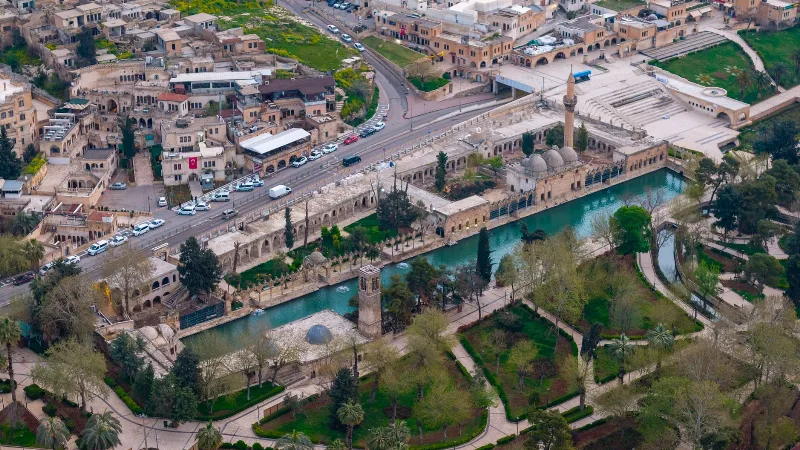
Şanlıurfa, commonly called Urfa, is a large city in southeastern Türkiye and the capital of its province. It is known both as a place tied to the tradition of the Prophet Abraham and as the gateway to Göbekli Tepe, one of the oldest monumental sites ever found.

Adana
Adana is a major metropolitan city in southern Türkiye and the urban heart of the Çukurova plain, defined by the Seyhan River, a Roman-era stone bridge and a deeply rooted kebab and agricultural culture.
İşkembe Çorbası
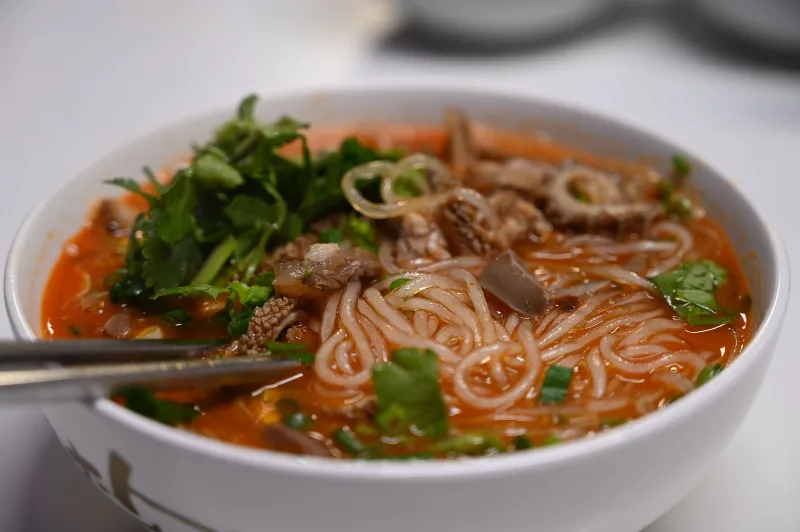
İşkembe Çorbası is a traditional Turkish tripe soup flavored with garlic, vinegar, and red pepper. Often consumed late at night as a hangover cure, it is a staple of Turkish street food culture.
Lahmacun
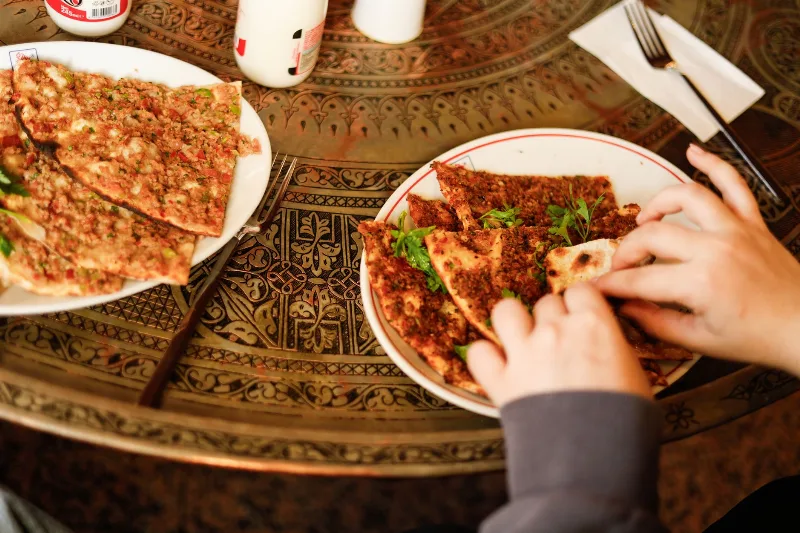
Lahmacun is a thin, round flatbread spread with finely minced meat, tomato, pepper and spices, baked quickly at high heat and served with lemon and fresh parsley. It is one of Türkiye's most recognisable street and oven foods, with strong regional traditions across the southeast and beyond.
Ezogelin Çorbası
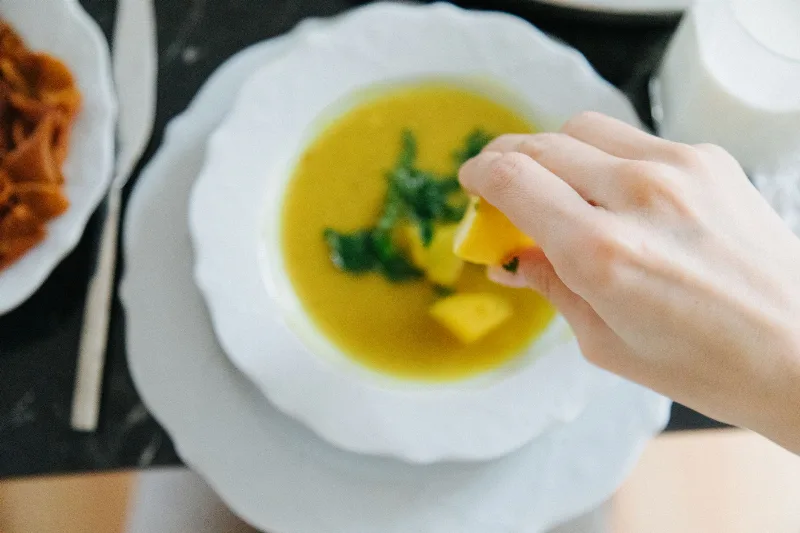
A thick Turkish lentil soup of red lentils, bulgur and rice, flavoured with dried mint and tomato paste and named after the folk figure Ezo Gelin.