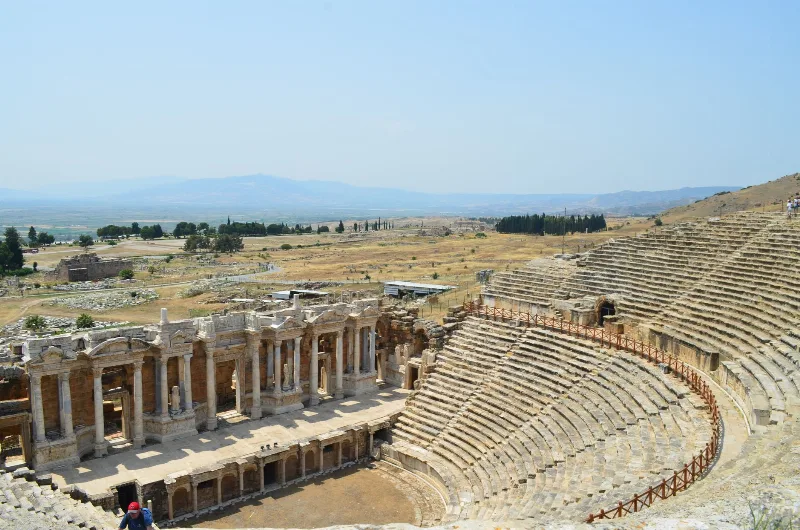
Letoon
Letoon is a Lycian sanctuary near Xanthos in Muğla Province, dedicated to Leto, Artemis and Apollo. Its three temples, theatre and trilingual inscription make it one of southwestern Turkey’s most significant archaeological sites.

Letoon is a Lycian sanctuary near Xanthos in Muğla Province, dedicated to Leto, Artemis and Apollo. Its three temples, theatre and trilingual inscription make it one of southwestern Turkey’s most significant archaeological sites.
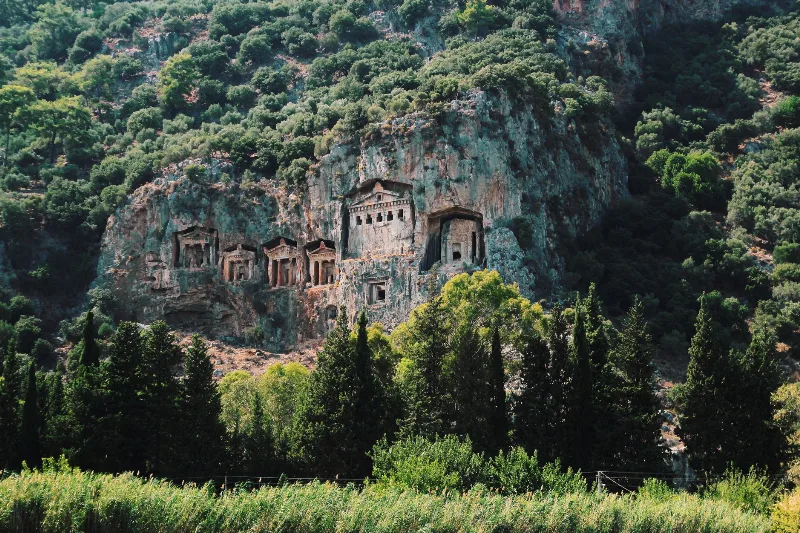
Kaunos is an ancient Carian city on the Dalyan River in Muğla Province, known for its temple-style rock-cut tombs and the extensive ruins of a harbour that silted up centuries ago.
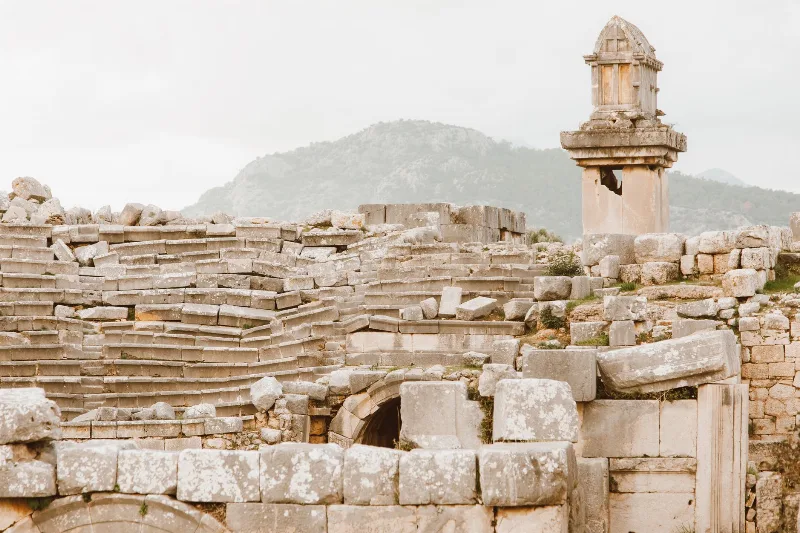
Xanthos is an ancient Lycian city in Antalya Province and a UNESCO World Heritage Site, known for its Lycian tombs, Roman theatre and role as a leading city of Lycia.
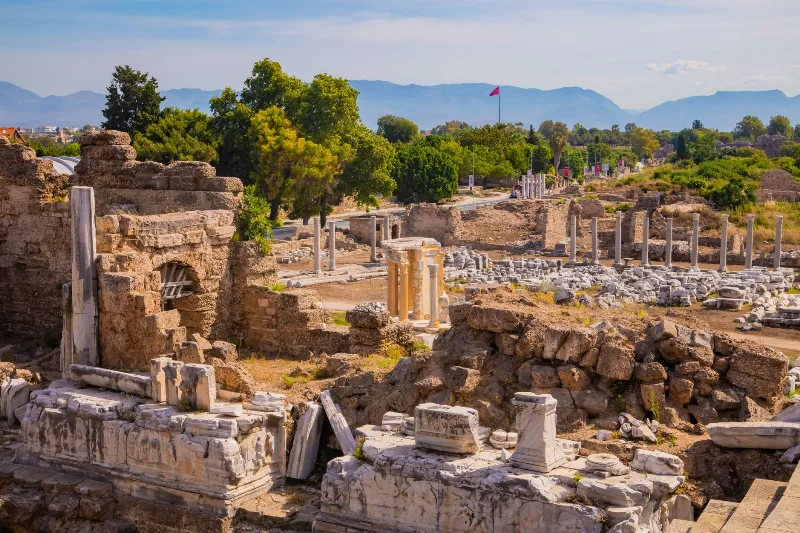
Phaselis is a Rhodian-founded port city on the eastern Lycian coast, where paved streets, agoras, baths and a small theatre stand among pines between three sheltered bays.
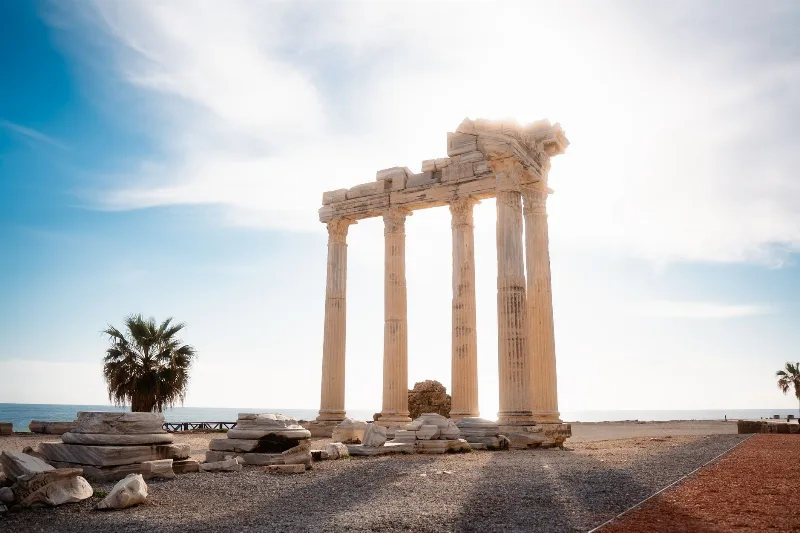
Side is an ancient Greek harbour city on Türkiye's Mediterranean coast, known for the Temple of Apollo, a large Roman theatre and streets of ruins that visitors can still walk through. Its remains sit inside a modern town in the Manavgat district of Antalya Province.
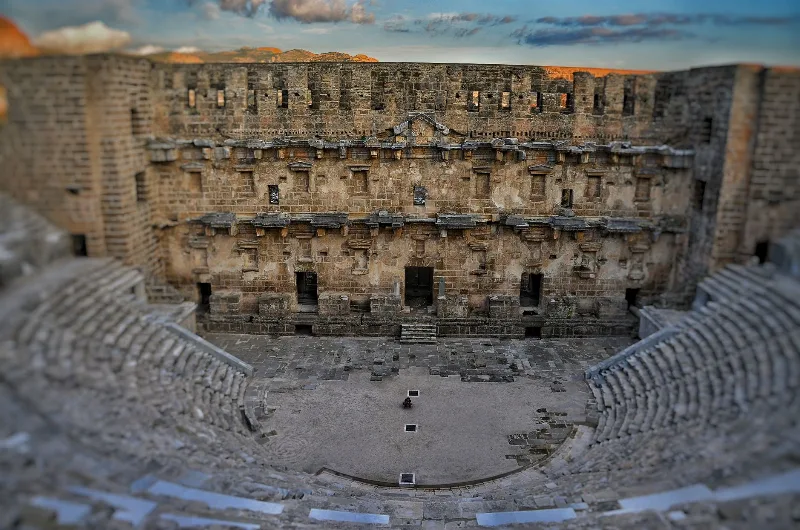
Aspendos is a Pamphylian ancient city near Serik in Antalya Province, dominated by a second-century Roman theatre that survives almost intact. Its aqueduct, acropolis and lower-city ruins sit in the flat farmland of the Köprüçay plain.
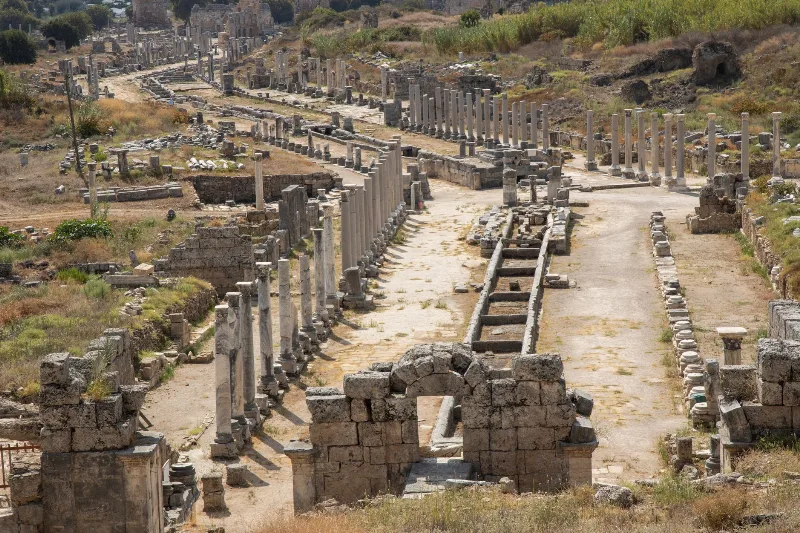
Perge is an ancient Pamphylian city east of Antalya, whose Hellenistic gates, colonnaded streets, theatre and exceptionally well-preserved stadium make it one of the most legible Roman-era sites in southern Turkey.
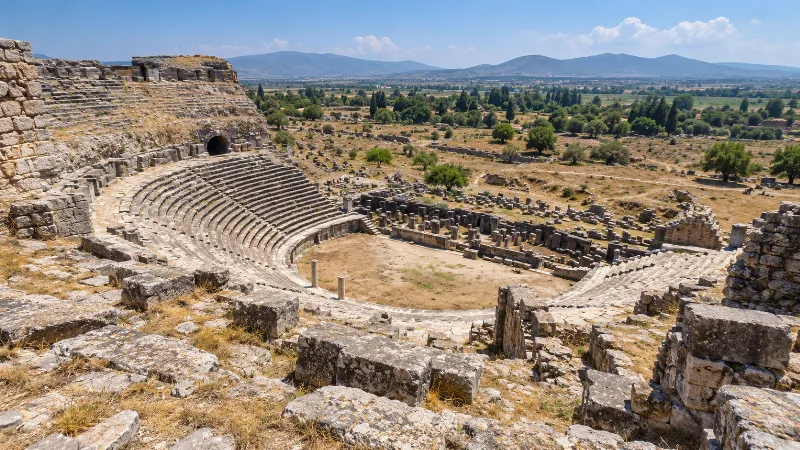
Miletus is an ancient Greek city in Aydın Province whose Great Theatre, harbour monuments and Miletian school of philosophy made it one of the defining sites of Ionia — now stranded inland by the Meander River.
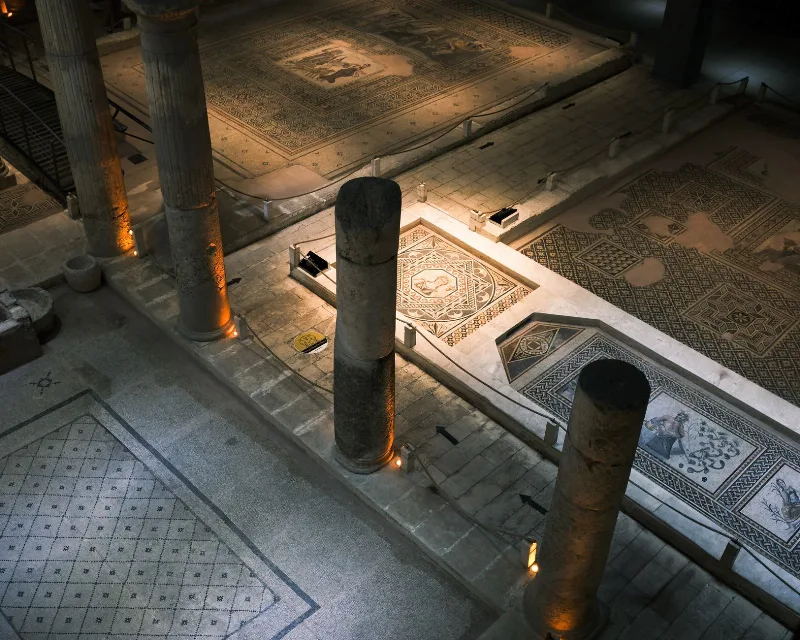
Zeugma was a twin Roman city on the Euphrates in Gaziantep Province, famous for the mosaics recovered from its riverside villas. Here is what the site is, what survives, and what to know before visiting.
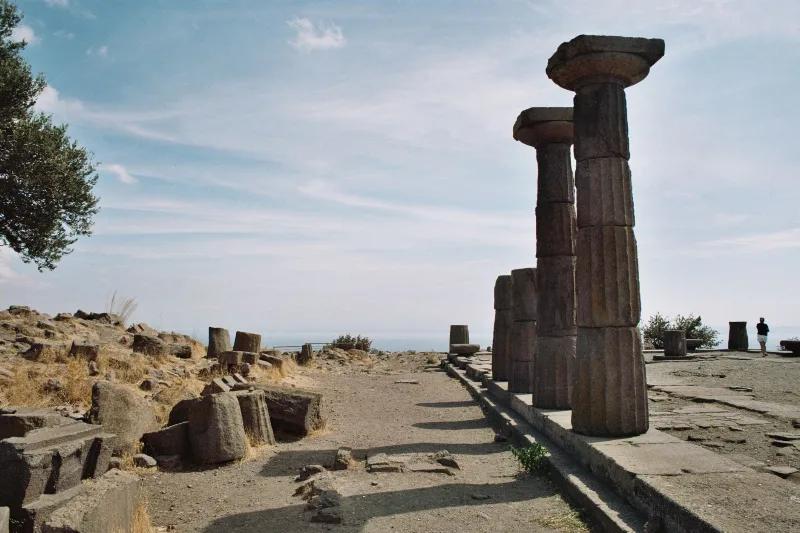
The ancient Greek city of Assos in Çanakkale, Türkiye, is defined by its sixth-century BC Temple of Athena, kilometres of surviving walls and a small Aegean harbour. Here is how the site is arranged and what a visit involves.
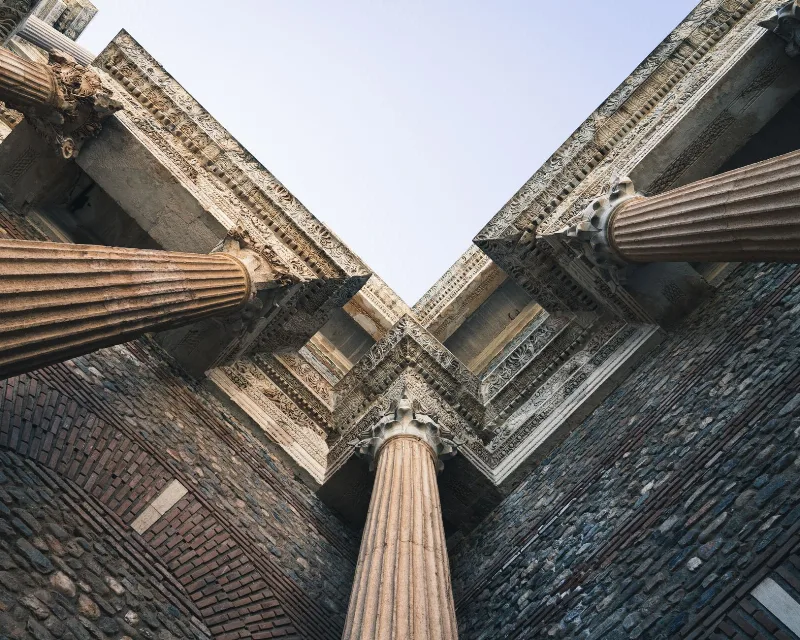
Sardis was the capital of the Lydian kingdom and the place where coined money first appeared in the Western world. Its ruins in Manisa Province include a colossal Temple of Artemis, an ancient synagogue and the royal burial mounds of Bin Tepe.
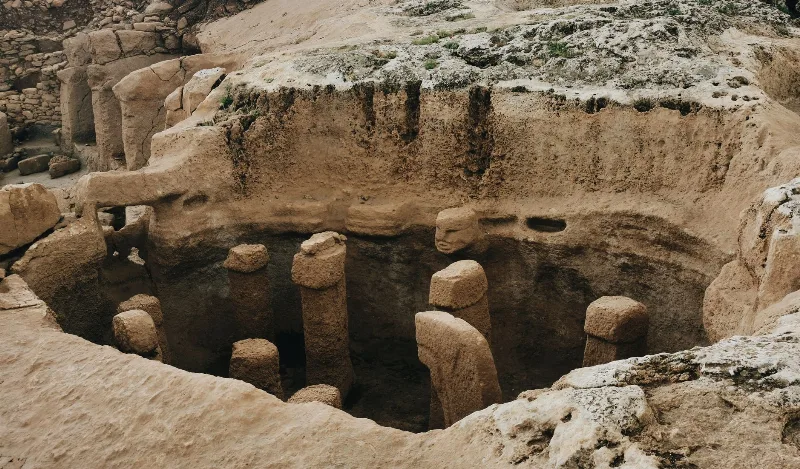
Karahan Tepe is a Pre-Pottery Neolithic site in Şanlıurfa Province, Türkiye, known for T-shaped pillars and animal reliefs and dated to roughly 9500 BCE.
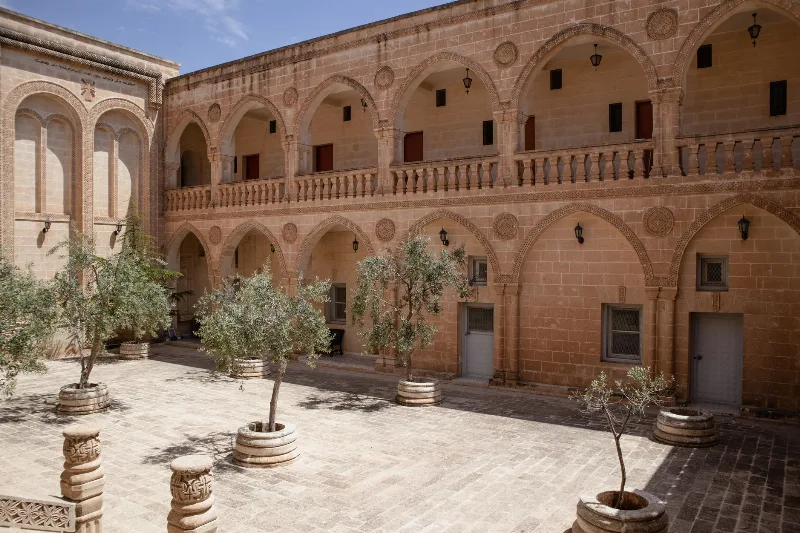
Mor Gabriel Monastery is a working Syriac Orthodox monastery on the Tur Abdin plateau in Mardin Province, southeastern Turkey, founded in 397 AD and still home to monks and nuns. It is one of the oldest monastic communities in the world that remains in continuous use.
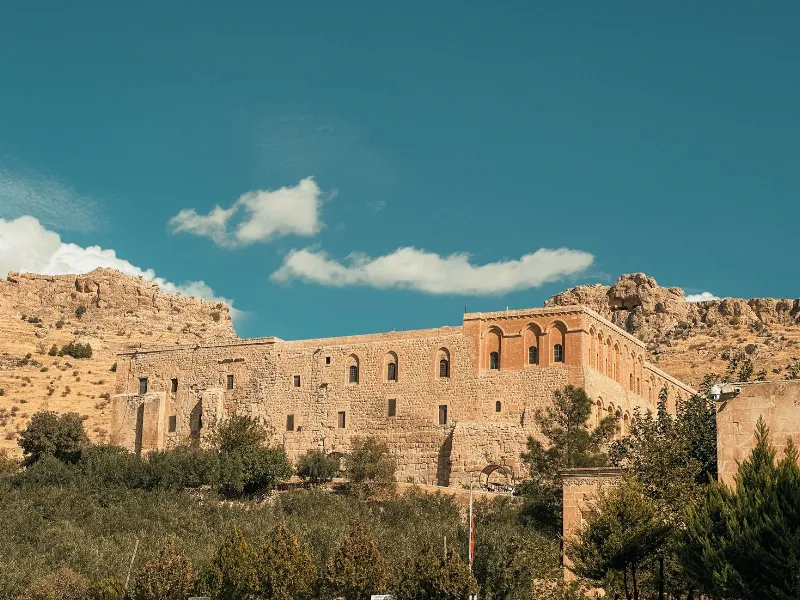
Deyrulzafaran, also called Mor Hananyo, is a working Syriac Orthodox monastery near Mardin that was built over a much older pagan sun temple and long served as the seat of the Syriac Orthodox Patriarchate.
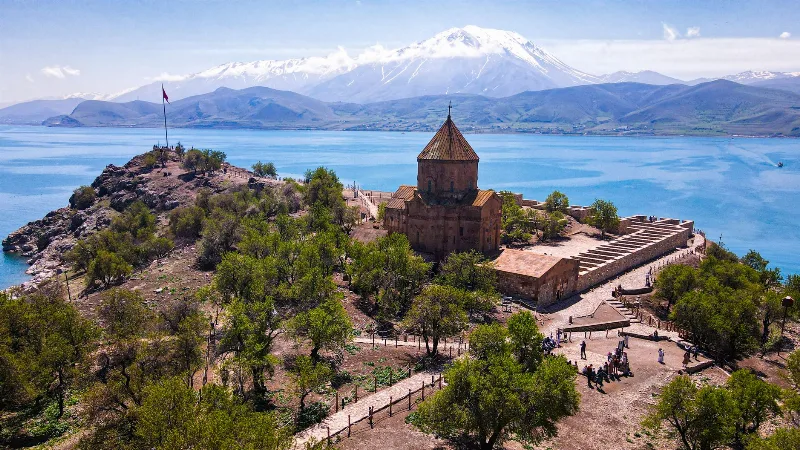
Akdamar Island is the largest island in Lake Van, eastern Turkey, and holds the 10th-century Armenian Cathedral of the Holy Cross, whose outer walls are covered in carved biblical reliefs. It is reached by boat from a pier near Gevaş and is usually visited as a day trip from Van.
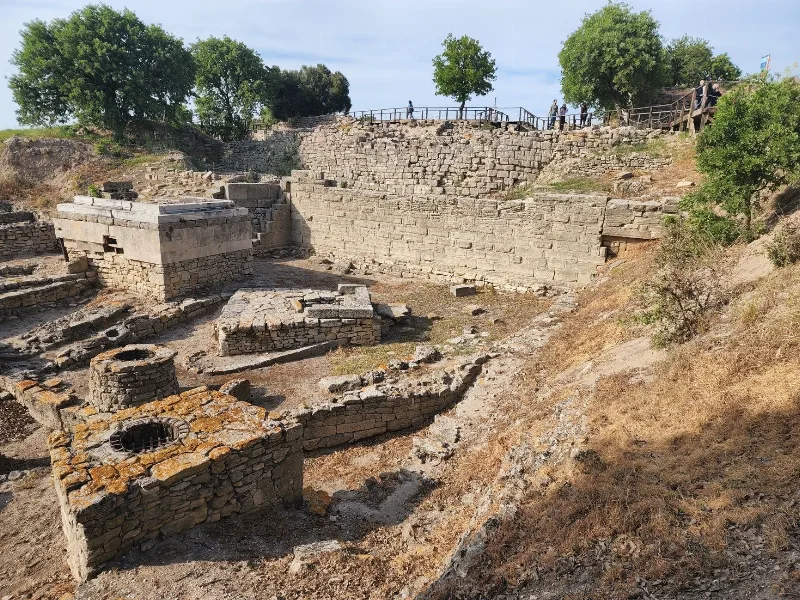
Troy is an ancient city on the Hisarlık mound in Çanakkale province, northwestern Turkey, known from Homer's Iliad and excavated into nine settlement layers. It is a UNESCO World Heritage Site with a large modern wooden horse near its entrance.
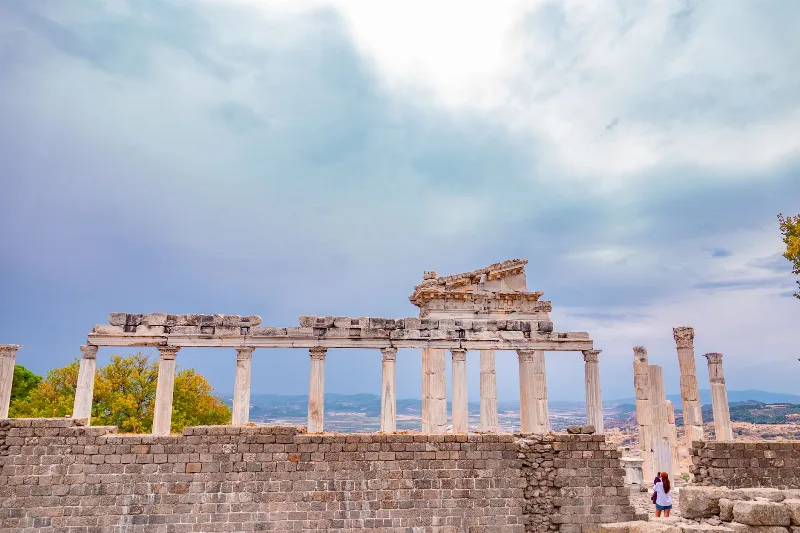
Pergamon is an ancient Greek city in Aeolis, today the modern town of Bergama in İzmir Province, Türkiye. Its acropolis, library and Great Altar of Zeus, together with the Asclepion healing sanctuary, form one of the most important archaeological settings in the eastern Mediterranean.
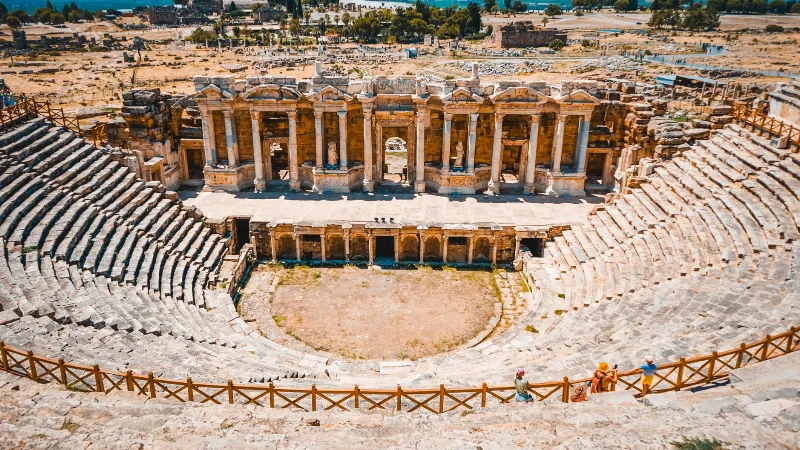
Hierapolis is an ancient Graeco-Roman city built directly on the plateau above the travertine terraces of Pamukkale in southwestern Türkiye. Its thermal springs, the Plutonium, the necropolis and the martyrion of Philip made it one of the most distinctive sanctuaries of the ancient world.
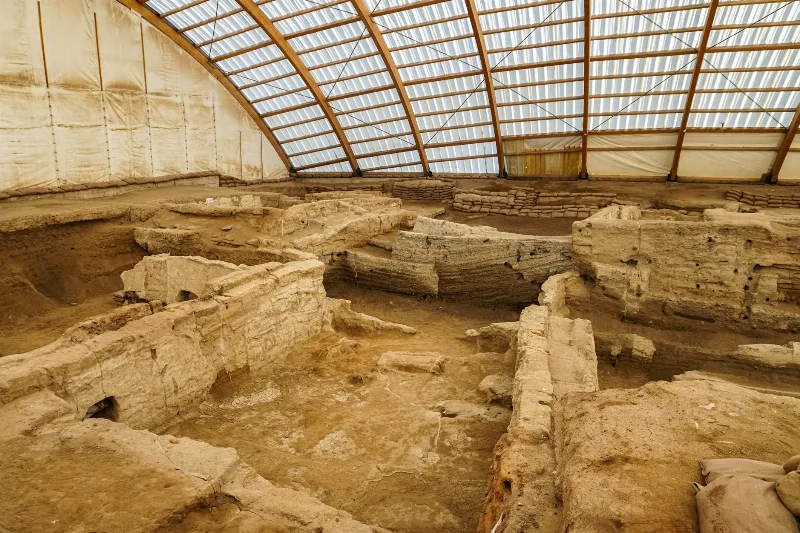
Çatalhöyük is a Neolithic and Chalcolithic mound settlement in Konya Province, Türkiye, occupied from around 7500 BCE. Its roof-access houses, painted walls and burials make it one of the most important early farming settlements ever excavated.
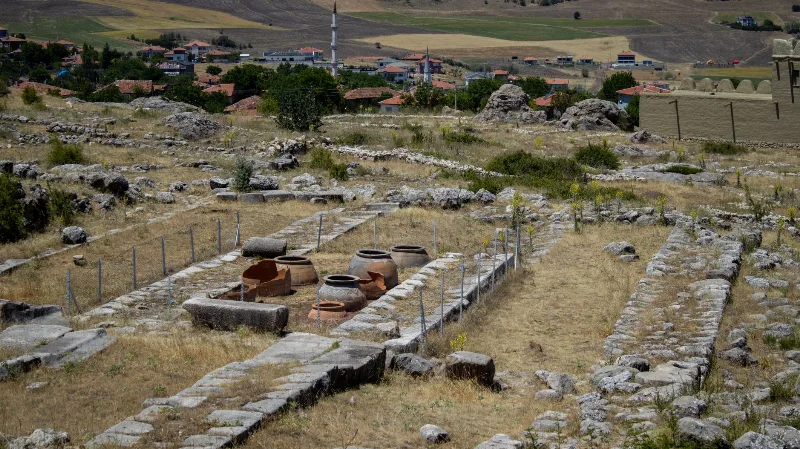
Alacahöyük is an excavated mound in Çorum Province that holds both Early Bronze Age royal tombs and a monumental Hittite gate flanked by carved sphinxes. It is one of the key sites for reading the pre-Hittite and Hittite past of central Anatolia.
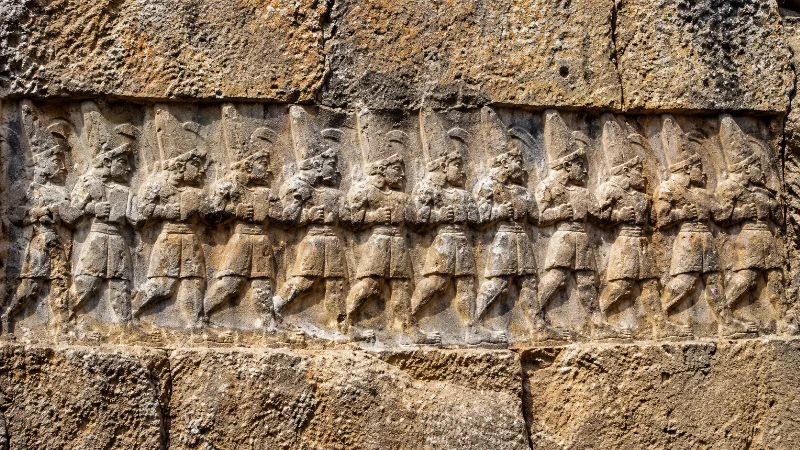
Yazılıkaya is an open-air Hittite rock sanctuary cut into limestone near the ancient capital of Hattusa, decorated with reliefs of gods and kings and now part of a UNESCO World Heritage Site.
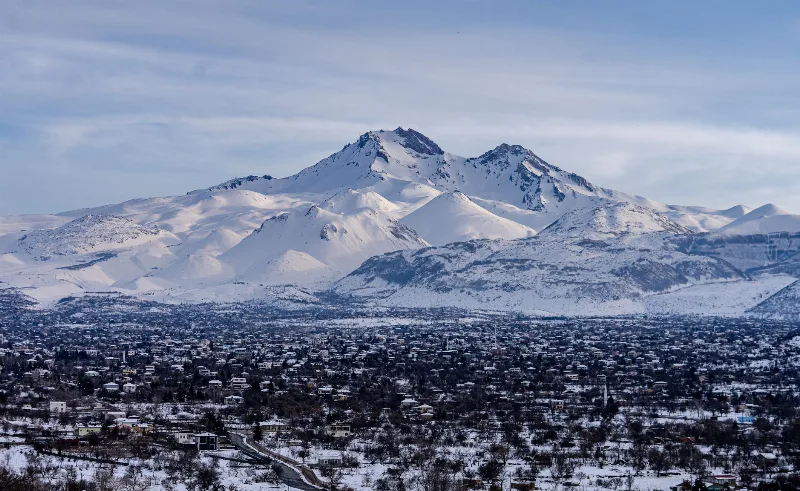
Mount Erciyes is a dormant 3,917-metre stratovolcano rising above the Kayseri plain in Central Anatolia, known for its ski resort, summer trekking routes and its role as a landmark of Turkish volcanism.
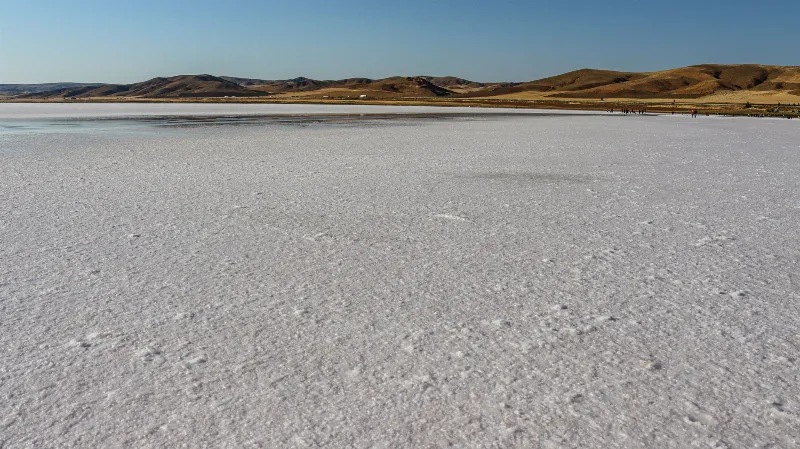
Lake Tuz is a hypersaline lake in Central Anatolia and the second-largest lake in Turkey, known for its salt crust, its salt industry and its flamingo colonies.
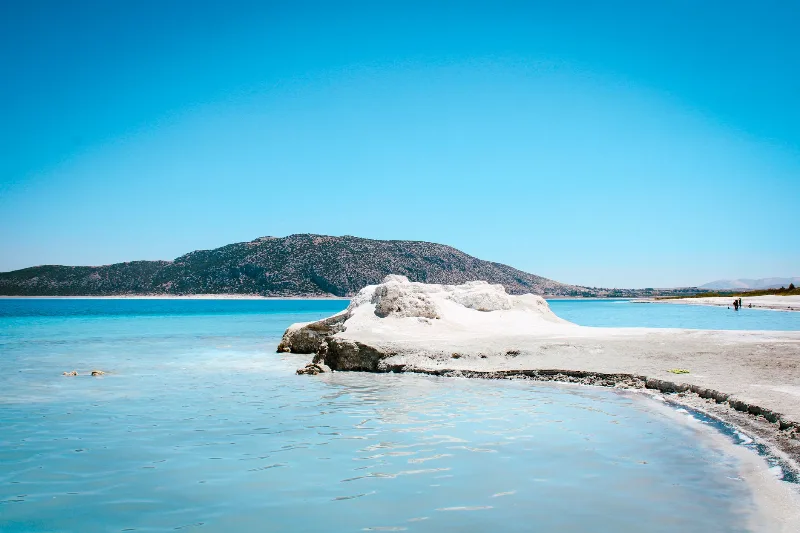
Lake Salda is a striking lake in Burdur Province, southwestern Türkiye, known for its turquoise water, bright white hydromagnesite beaches and rare microbial stromatolites that draw both nature visitors and planetary scientists.
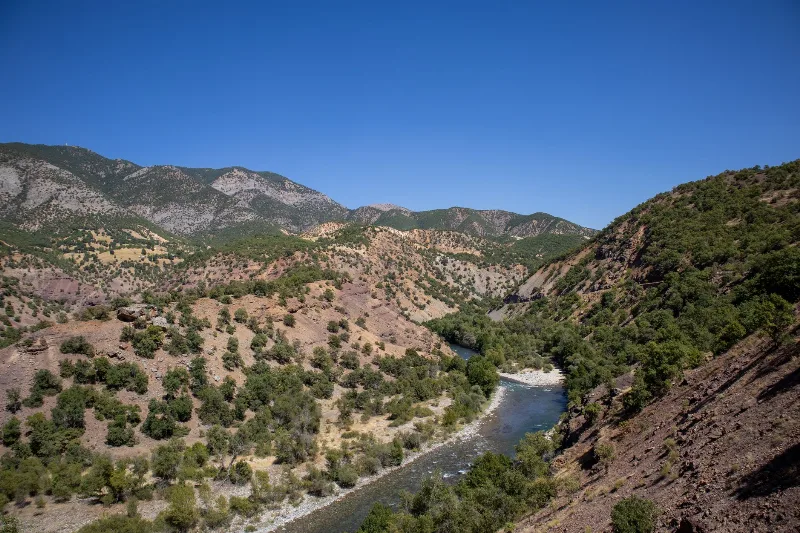
Munzur Valley National Park in Tunceli Province protects a deep river gorge in the Munzur Mountains, known for endemic wildlife and its significance to Alevi communities in eastern Turkey.
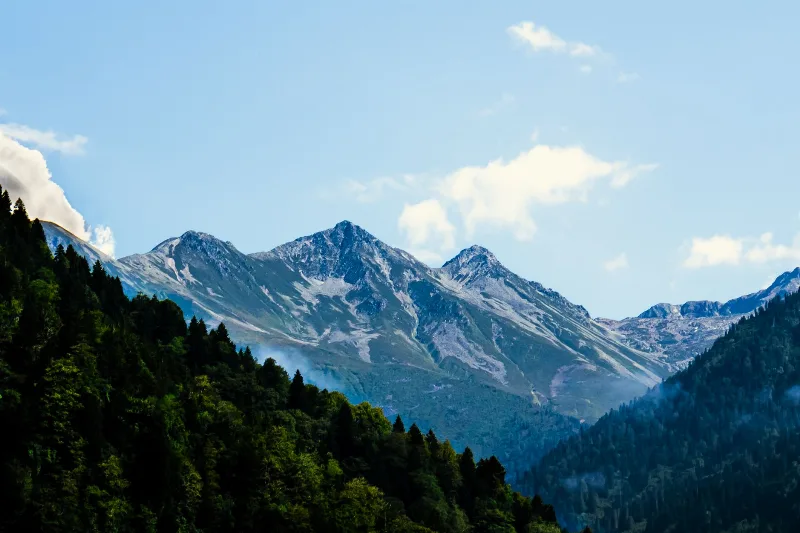
The Kaçkar Mountains form the highest and most glaciated section of Turkey's Pontic range, rising above the eastern Black Sea coast. They combine small glaciers, glacial lakes, high summer pastures and long-distance trekking routes across Rize, Artvin, Erzurum and Bayburt.
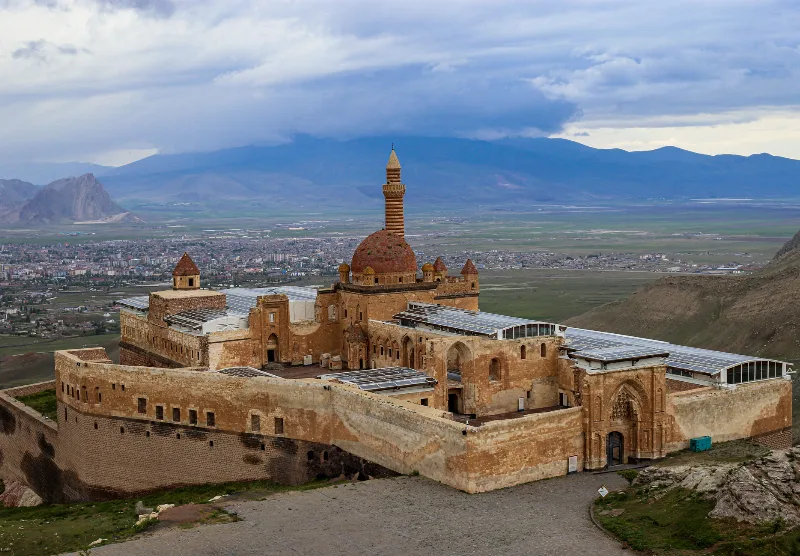
Ishak Pasha Palace is a partly ruined Ottoman palace complex built above Doğubayazıt in eastern Türkiye. Raised between the late 17th and late 18th centuries, it is known for combining Ottoman, Persian, Seljuk and Armenian building and decorative traditions on a terrace facing Mount Ararat.
Hattusa was the seat of the Hittite Empire in the Late Bronze Age and is now a UNESCO World Heritage Site in Çorum Province, Türkiye. Its walls, temples, gates and the nearby rock sanctuary of Yazılıkaya make it one of the most important archaeological landscapes in the ancient Near East.
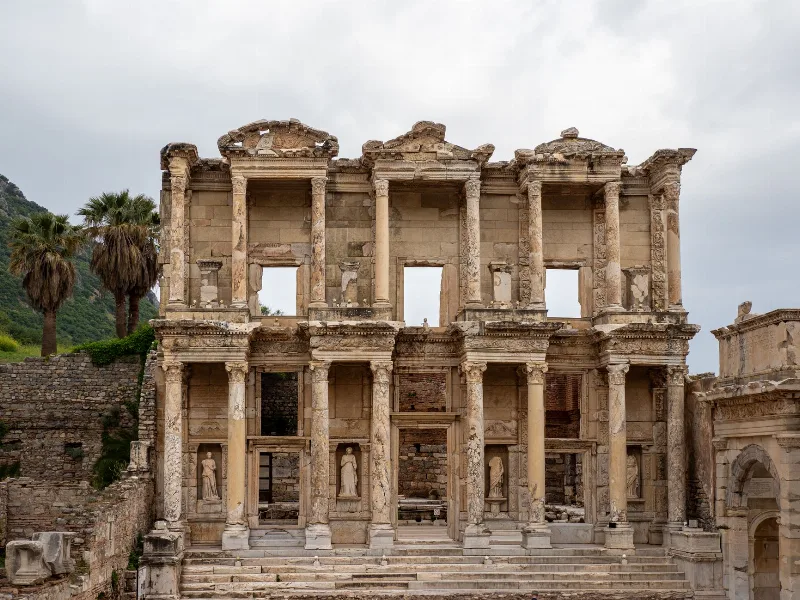
Ephesus is an ancient Greek and Roman city near Selçuk in İzmir Province, Türkiye, whose ruins include the Library of Celsus, the Great Theatre and the remains of the Temple of Artemis.
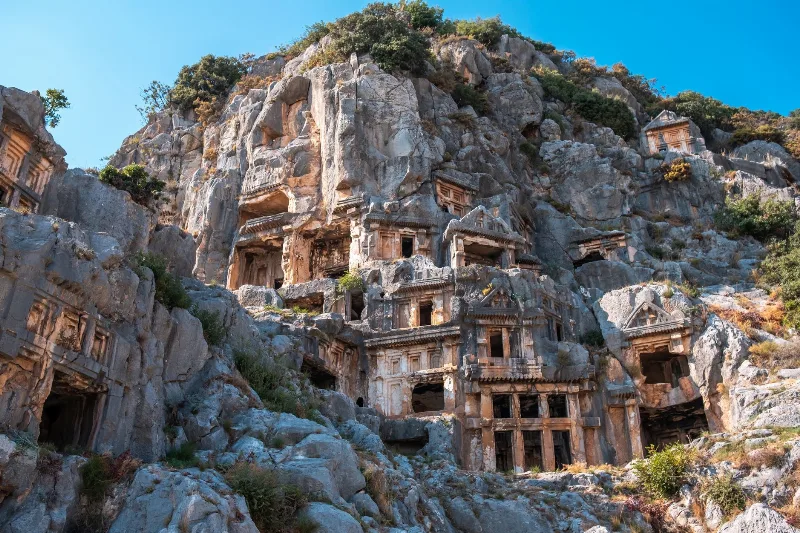
Myra is an ancient Lycian city in the Demre district of Antalya, whose cliff-carved rock tombs and large Roman theatre stand within the modern town itself.
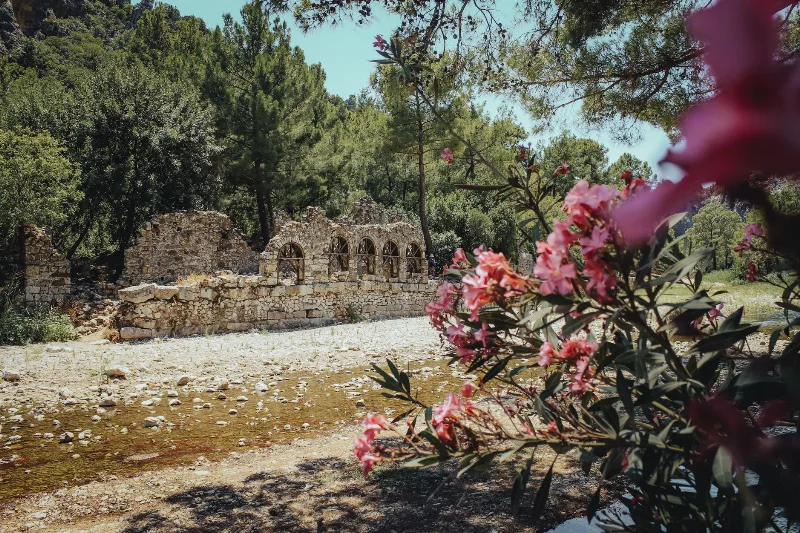
Olympos is a Lycian and Roman-era city on the Antalya coast, where overgrown ruins share a river valley with a Mediterranean beach and the perpetual flames of Yanartaş burn on the slope above.
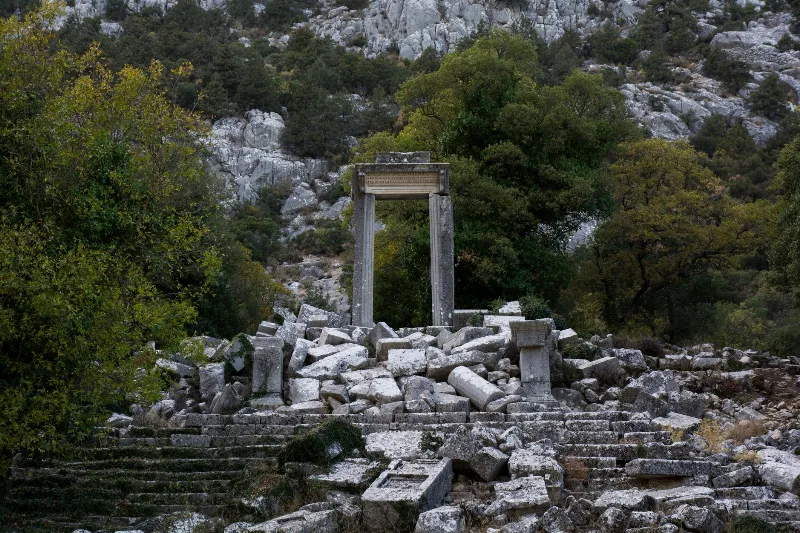
Termessos is an abandoned Pisidian city on a mountain plateau inside Güllük Mountain National Park, northwest of Antalya, known for its theatre, temples and rock-cut tombs. Reaching the ruins requires a steep walk.
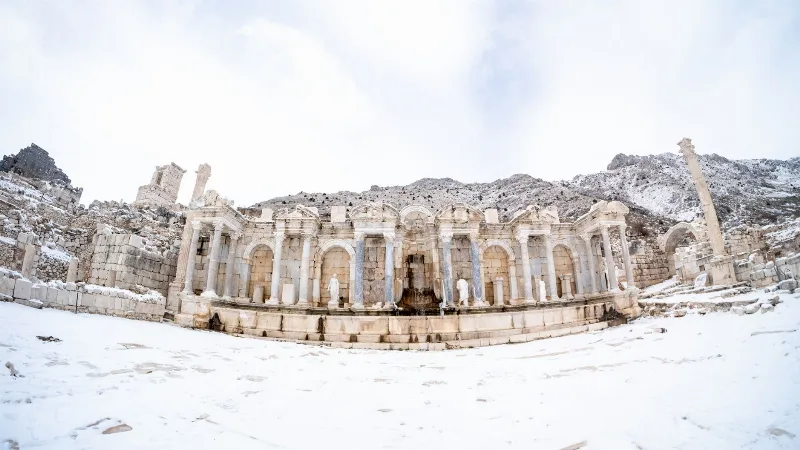
Sagalassos is a ruined Pisidian city in Burdur Province, Türkiye, set high in the Taurus Mountains and best known for its monumental fountain, library and remarkably intact Roman civic buildings.
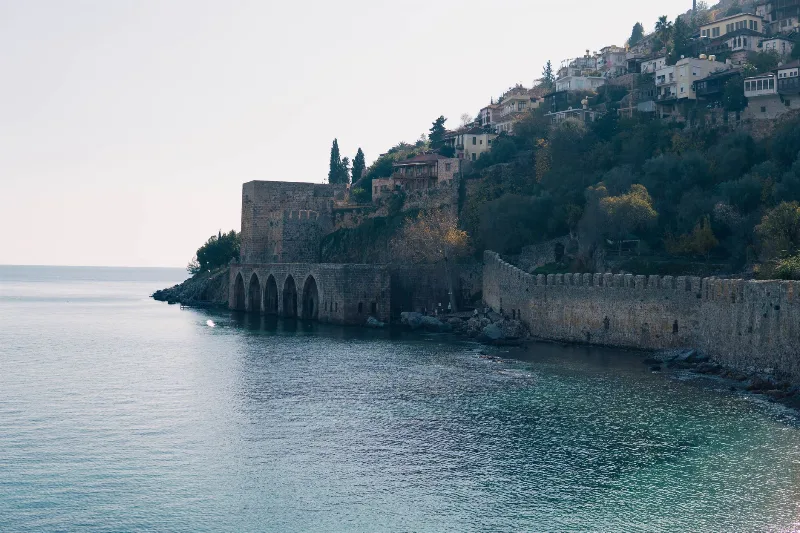
Alanya Castle is a 13th-century Seljuk fortress spread across a rocky peninsula above the Mediterranean in Antalya Province, Turkey. Its walls, towers and hilltop citadel form one of the most complete surviving Seljuk defensive complexes in Anatolia.
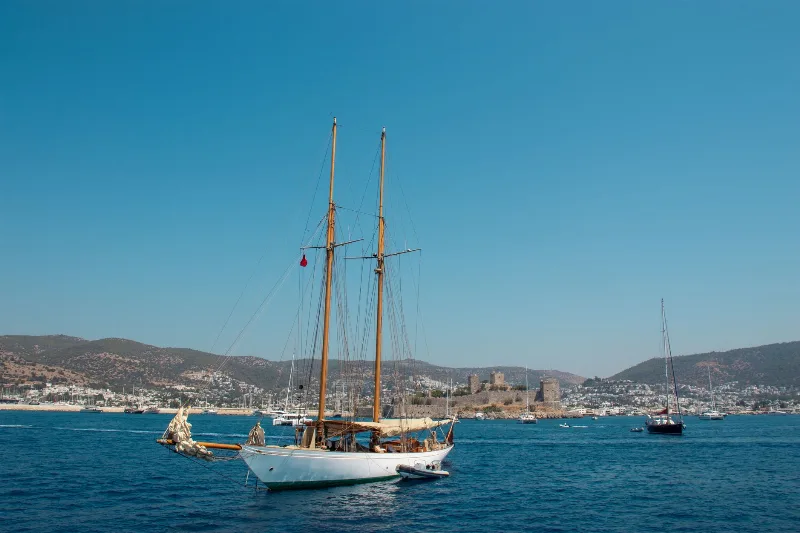
Bodrum Castle, also called the Castle of St. Peter, is a 15th-century fortress built by the Knights of St. John in Bodrum, Muğla. It now houses the Museum of Underwater Archaeology, with its towers, dungeons and shipwreck collections open to visitors.
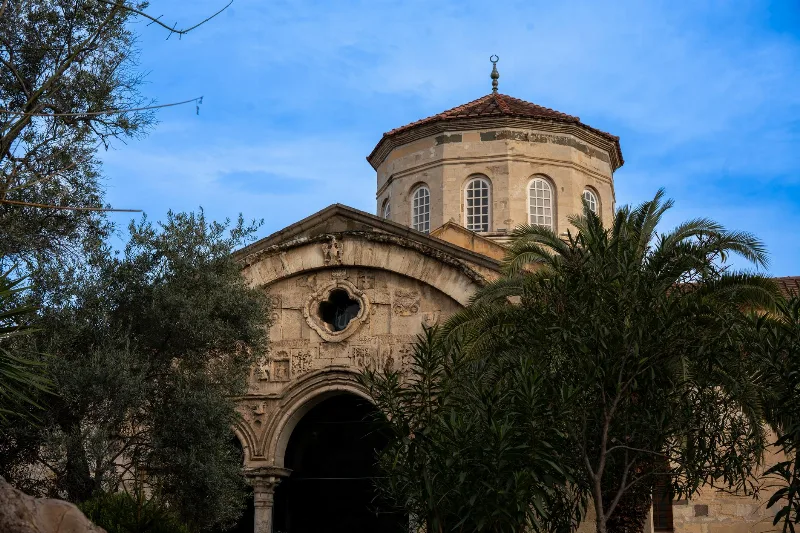
St. Nicholas Church in Demre, Antalya Province, is a Byzantine basilica built over the tomb of St. Nicholas of Myra, the bishop whose legends inspired Santa Claus. Visitors come for its frescoes, mosaic floor and the saint's empty sarcophagus.
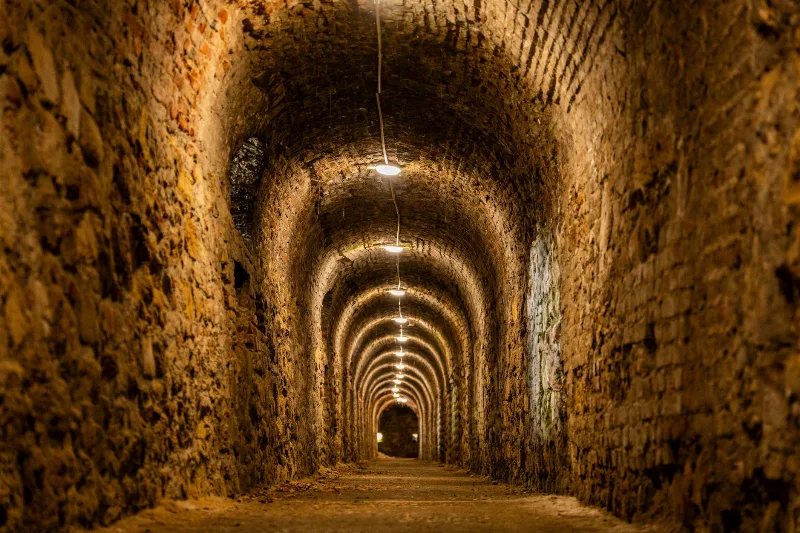
Derinkuyu is a multi-level city carved into the volcanic rock of Cappadocia, deep enough and large enough to have sheltered thousands of people and their animals underground. This guide explains its structure, history and what a visit actually involves.
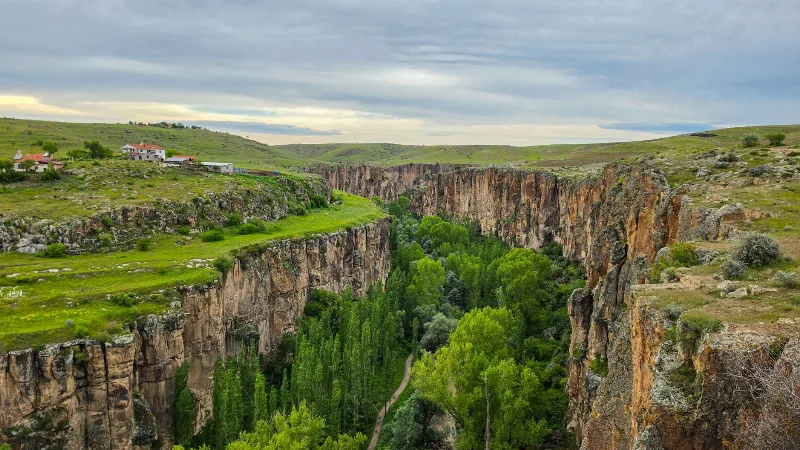
Ihlara Valley is a 14-kilometre canyon in Aksaray Province cut by the Melendiz River, lined with Byzantine rock-cut churches and frescoes. This guide covers its geology, the churches inside it, the walking route and the best time to visit.
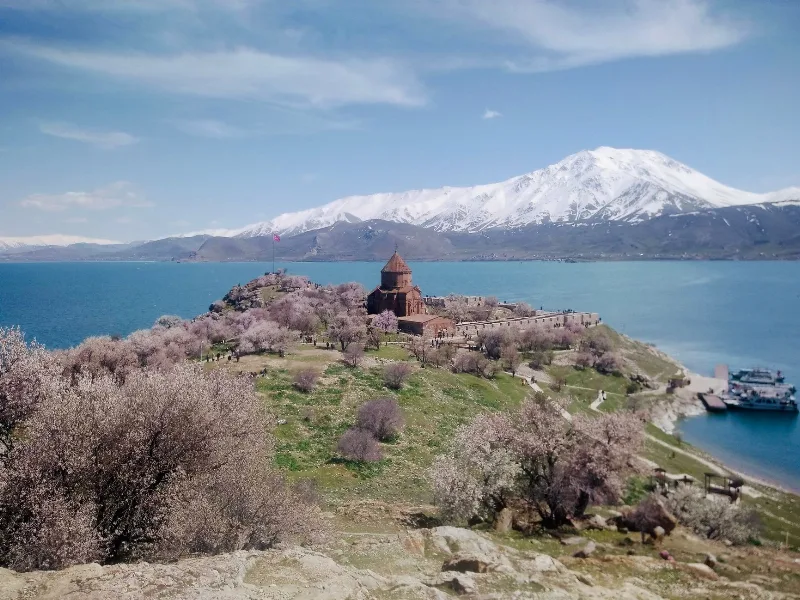
Lake Van is Turkey's largest lake and the world's largest soda lake, located in Eastern Anatolia. It is known for Akdamar Island and its 10th-century Armenian Church of the Holy Cross.
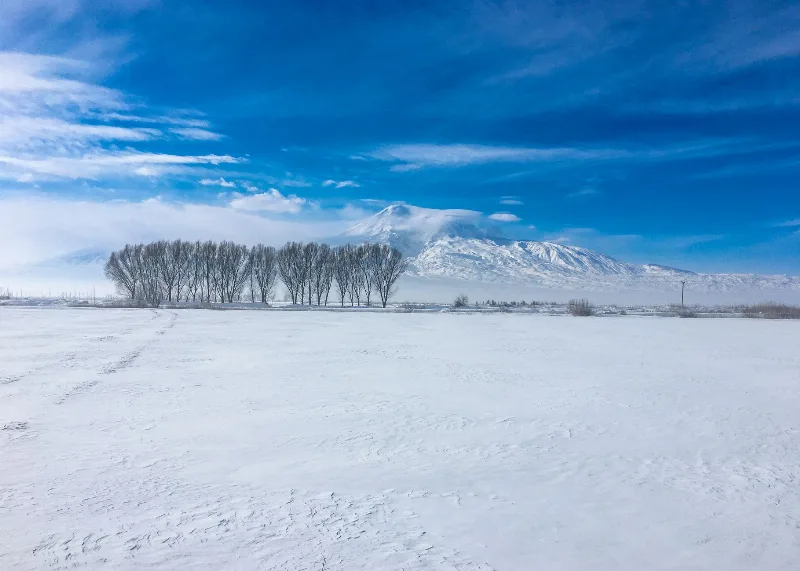
Mount Ararat is a dormant stratovolcano in eastern Türkiye and the country's highest mountain at 5,137 metres, known for its twin peaks, permanent ice cap and the long-standing Noah's Ark tradition.
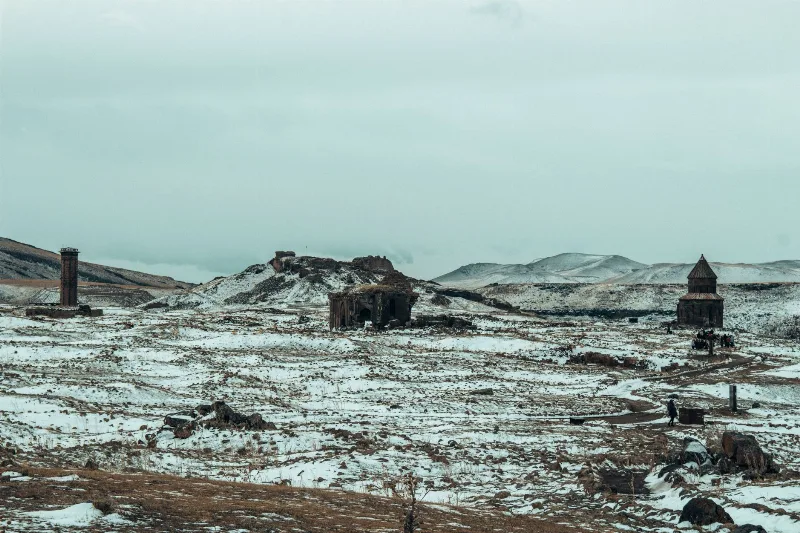
Ani is a ruined medieval city on a basalt plateau in Kars Province, eastern Turkey, once a major Silk Road centre and now a UNESCO World Heritage Site known for its churches, cathedral and walls.
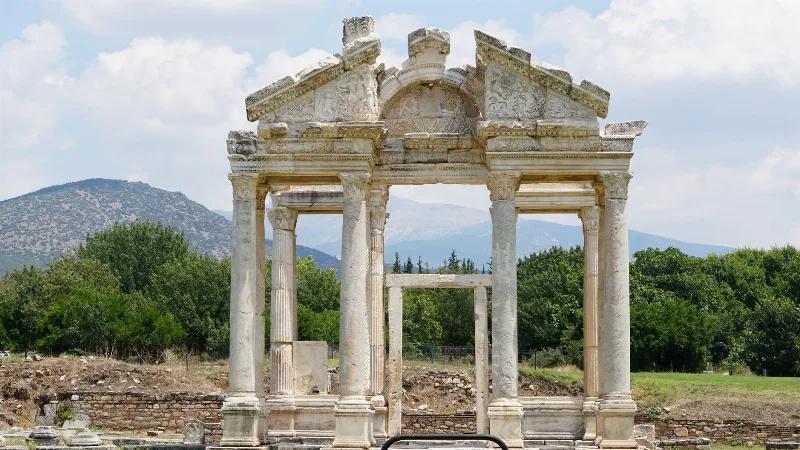
Aphrodisias is an ancient Greek city in Aydın Province dedicated to the goddess Aphrodite, a UNESCO World Heritage Site known for its stadium, temple and rich marble sculpture tradition.
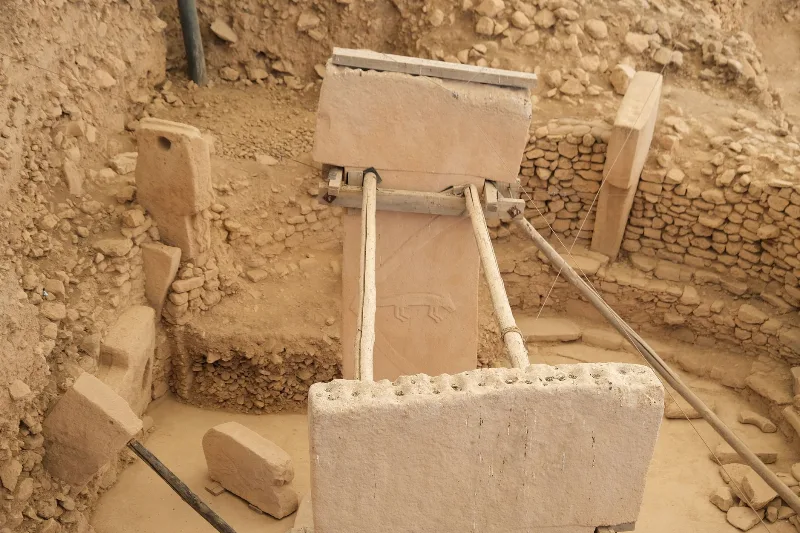
Göbekli Tepe is the oldest known monumental stone complex, raised by hunter-gatherers near Şanlıurfa in southeastern Türkiye around 9600 BCE. Its carved T-shaped pillars and deliberate burial have reshaped ideas about the Neolithic.
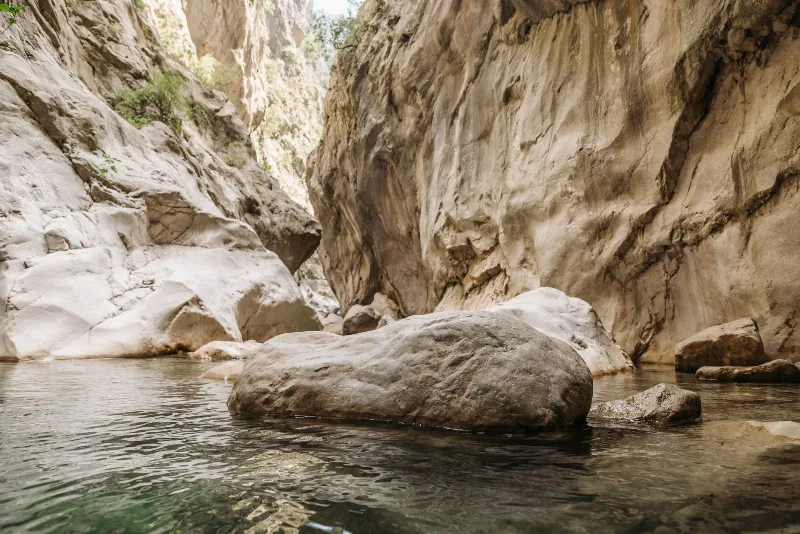
Saklıkent Canyon is a dramatic gorge in Muğla Province, southwestern Turkey, known for its narrow passages and icy water. Visitors can wade through the stream and explore the surrounding national park, with the ancient city of Tlos nearby.
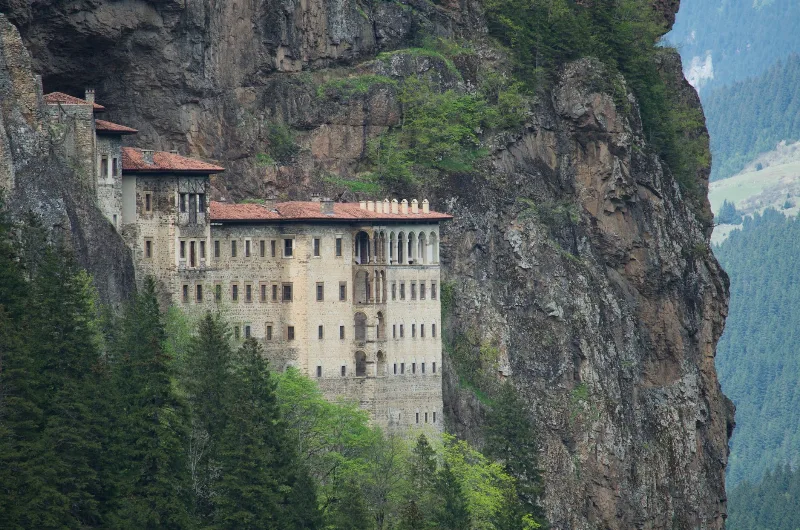
Sümela Monastery is a Greek Orthodox complex cut into a vertical rock face in the Pontic Mountains of Trabzon Province, Türkiye. Its clifftop setting, 4th-century origins and painted rock church make it one of the most distinctive religious monuments in the Black Sea region.
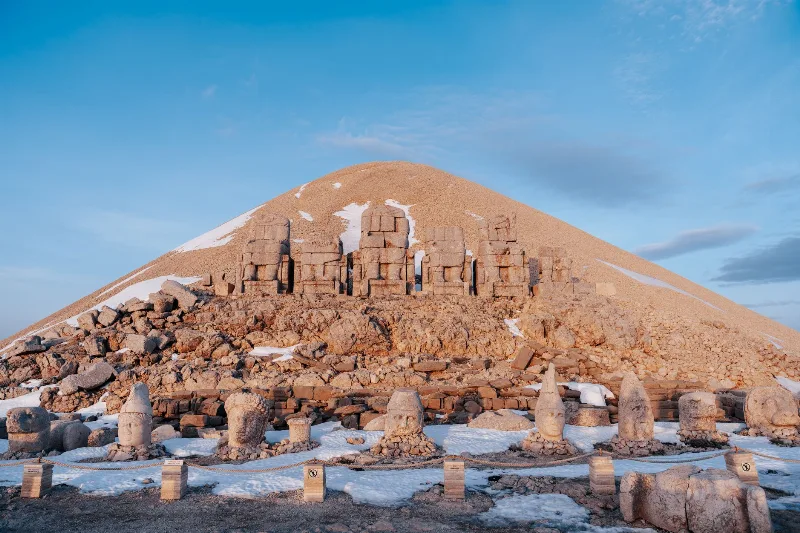
Mount Nemrut in Adıyaman Province is a 2,134-metre summit crowned by the colossal statues and tomb-sanctuary built by King Antiochus I of Commagene, and it has been a UNESCO World Heritage Site since 1987.
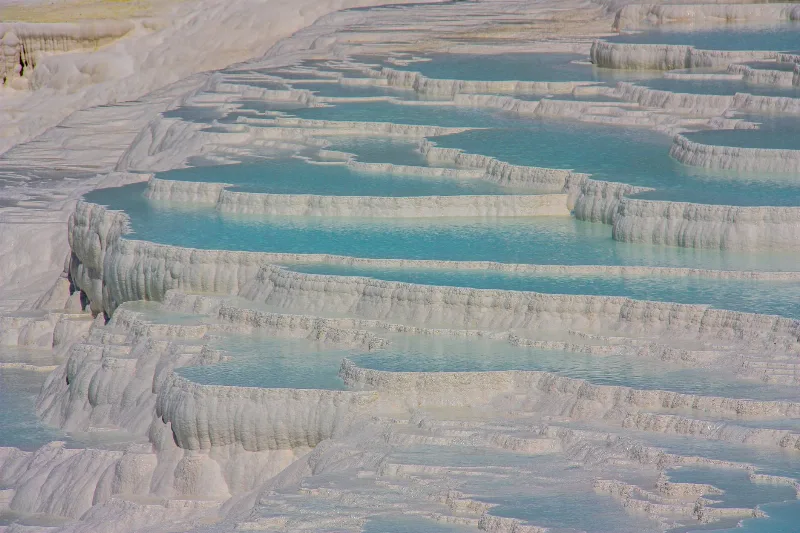
Pamukkale in Denizli province is a UNESCO World Heritage site where calcium-rich thermal water has built a cliff of white travertine terraces above the ancient city of Hierapolis. Visitors walk barefoot across the terraces, while the plateau above holds Roman baths, a theatre, the Plutonium and one of Anatolia's largest necropolises.
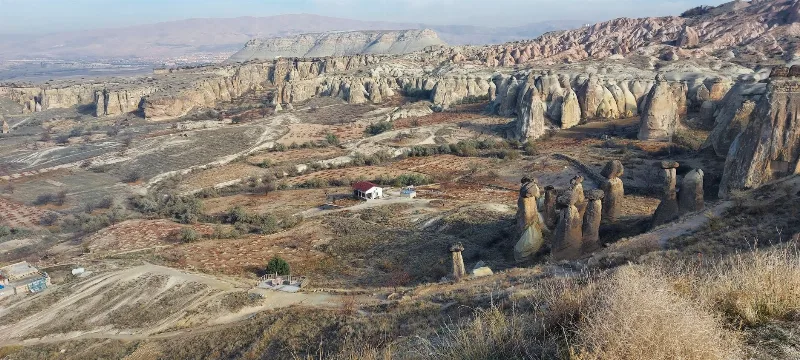
Cappadocia is a region of Central Anatolia in Turkey defined by eroded volcanic tuff, rock-cut Byzantine churches and multi-level underground cities. This guide explains how the landscape formed, what the main valleys and sites actually contain, and what to know before visiting.
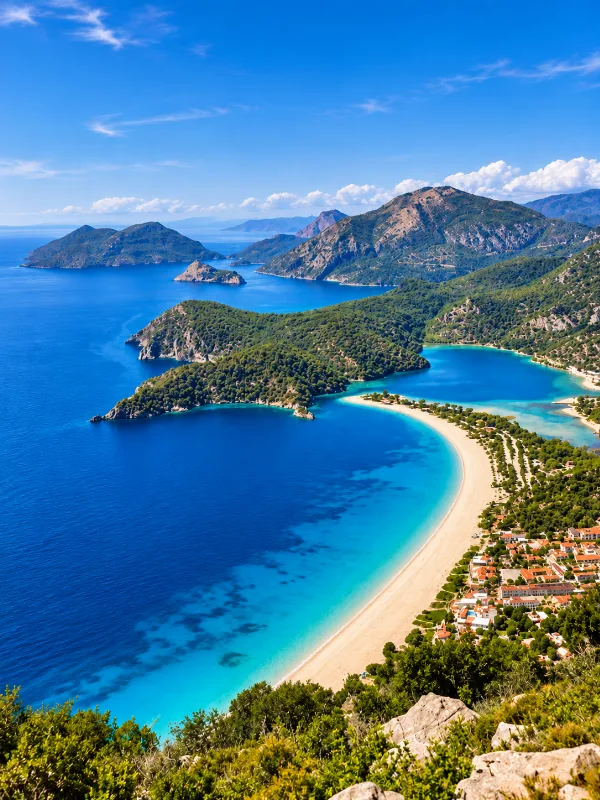
A coastal area near Fethiye in southwestern Türkiye, known for its sheltered lagoon, turquoise water, surrounding mountains, beaches and Mediterranean landscape.