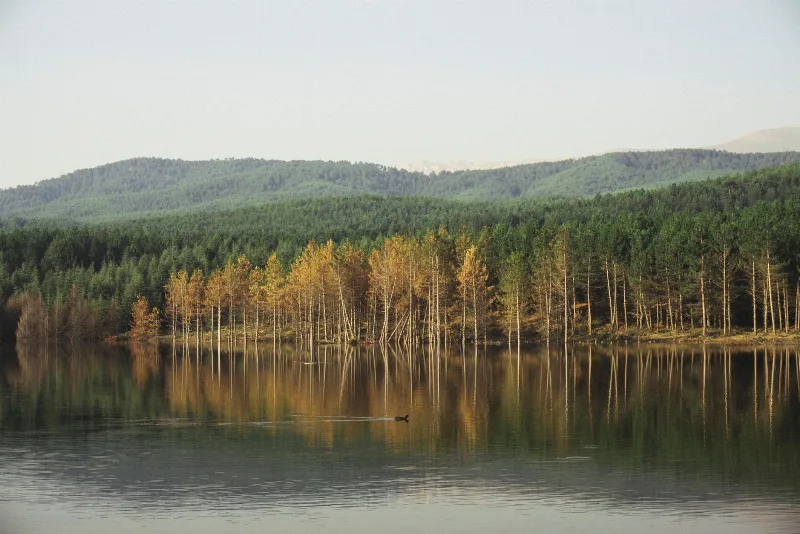
Lake Eber
Lake Eber is a shallow freshwater lake in Afyonkarahisar province, western Turkey, known for its extensive reed beds and as a habitat for numerous bird species.

Lake Eber is a shallow freshwater lake in Afyonkarahisar province, western Turkey, known for its extensive reed beds and as a habitat for numerous bird species.
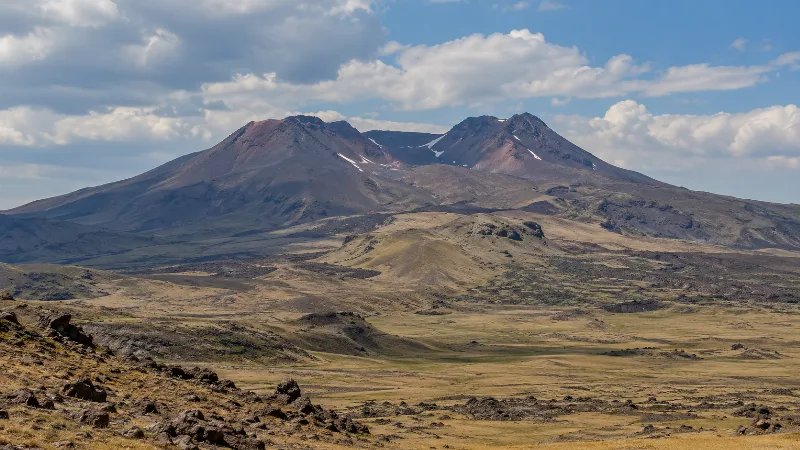
Mount Tendürek is a broad shield volcano in eastern Turkey, close to the Iranian border, whose summit caldera contains two craters, a small lake and active fumaroles. Its bare lava slopes rise above the high pastures between the Ağrı and Van provinces.
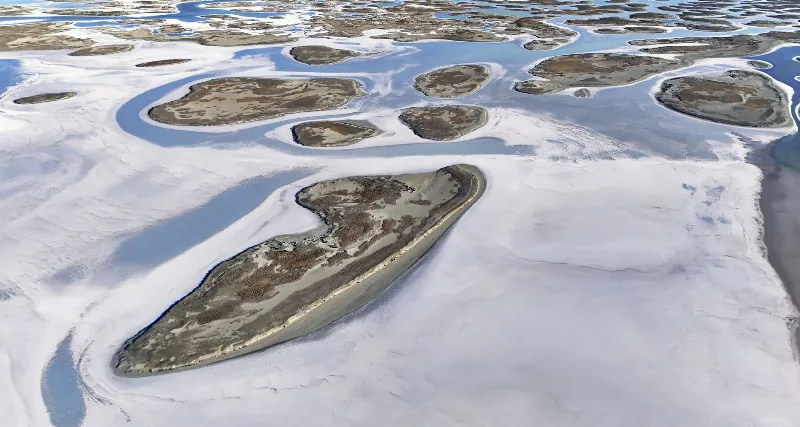
This Adana wetland combines shallow brackish water, delta marshes and coastal sand to create one of southern Türkiye's important waterbird habitats. It is a place of flat horizons, seasonal water shifts and concentrated bird life rather than dramatic scenery.
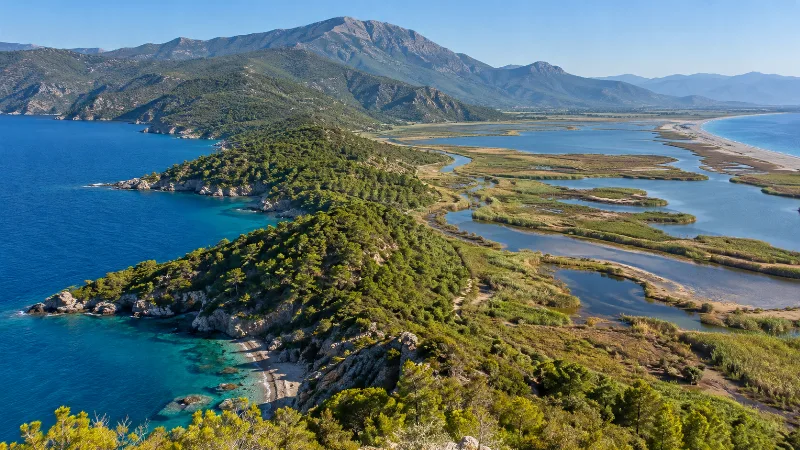
Dilek Peninsula–Büyük Menderes Delta National Park in Aydın pairs a forested Aegean mountain ridge with a broad river delta of lagoons and reedbeds. The two halves form one of the western coast's most varied protected landscapes.
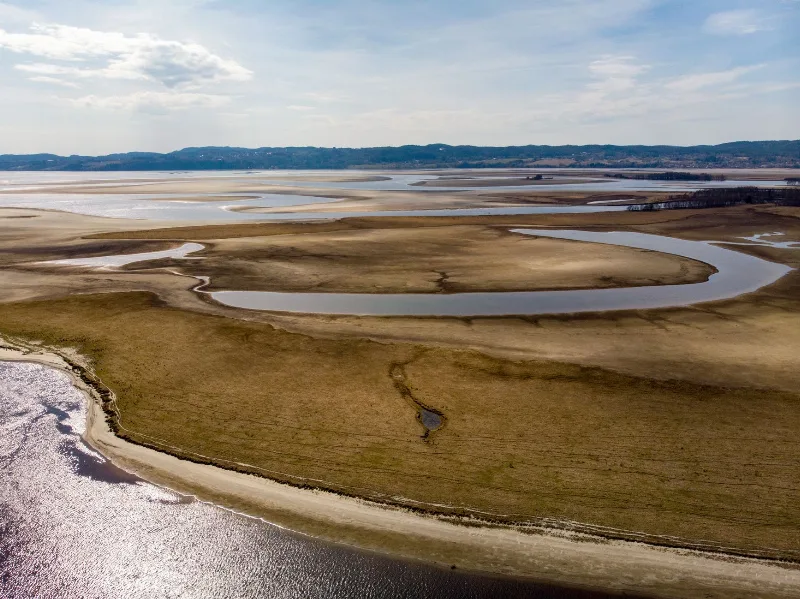
The Göksu Delta is a coastal wetland complex in Mersin Province where the Göksu River meets the Mediterranean, made up of lagoons, marshes, mudflats and sand dunes. It is known for its waterbird populations and for sea turtles nesting on its beaches.
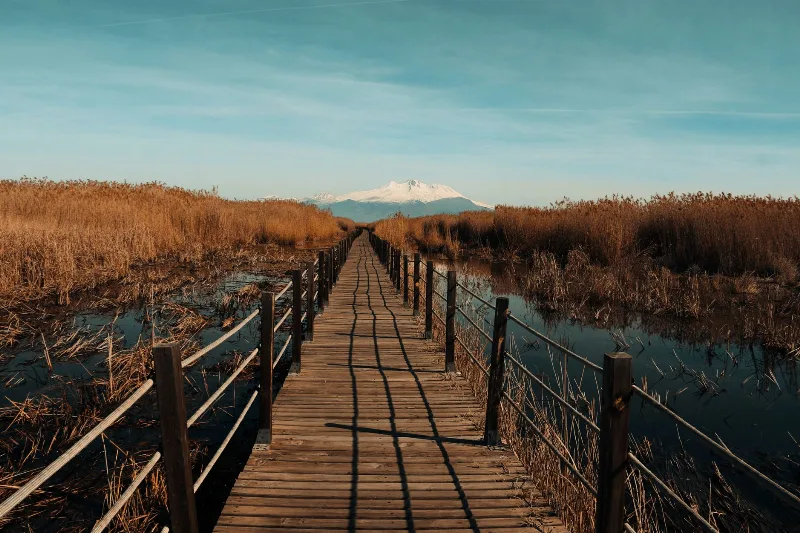
Sultan Sazlığı National Park protects a large freshwater marsh on the Develi plain south of Kayseri, one of the most important wetlands in central Anatolia for breeding and wintering waterbirds.
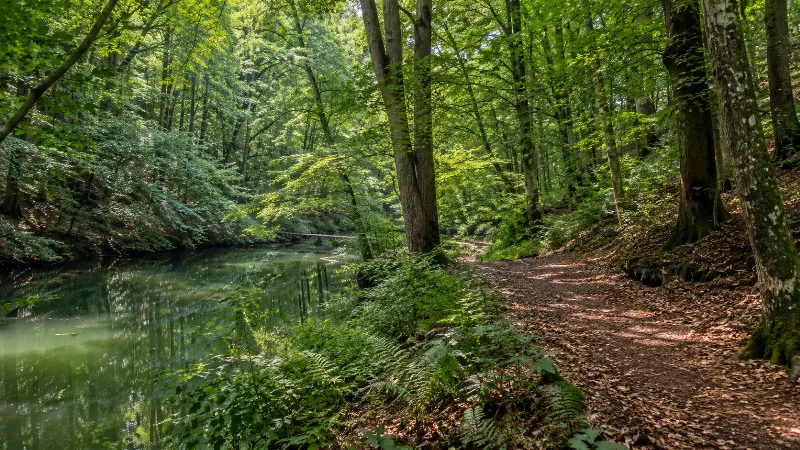
Belgrad Forest is a historic broadleaf woodland on the European side of Istanbul, managed for centuries as the water catchment for the city. Its beech, oak and chestnut stands are cut by stream valleys and small Ottoman-era reservoirs.
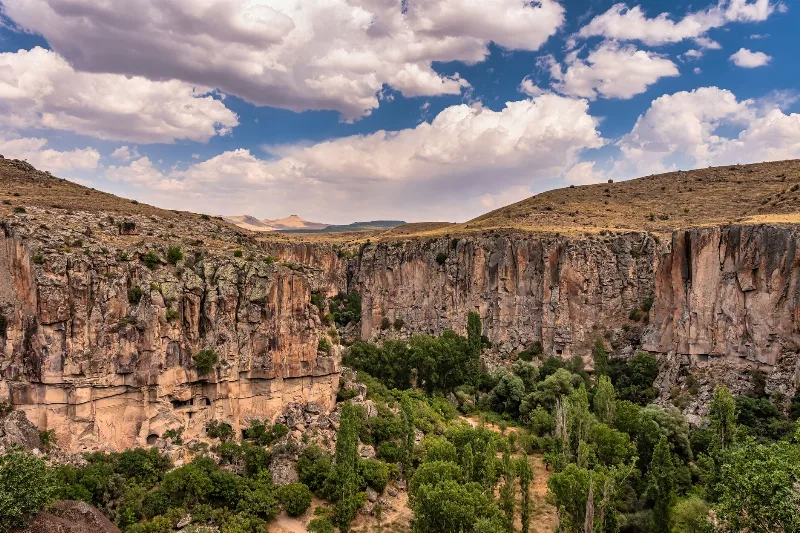
Ihlara Valley is a green canyon in Aksaray Province, cut by the Melendiz River through soft volcanic rock. Its steep walls, riverside vegetation and rock-cut churches make it one of the most distinctive landforms of the wider Cappadocia region.
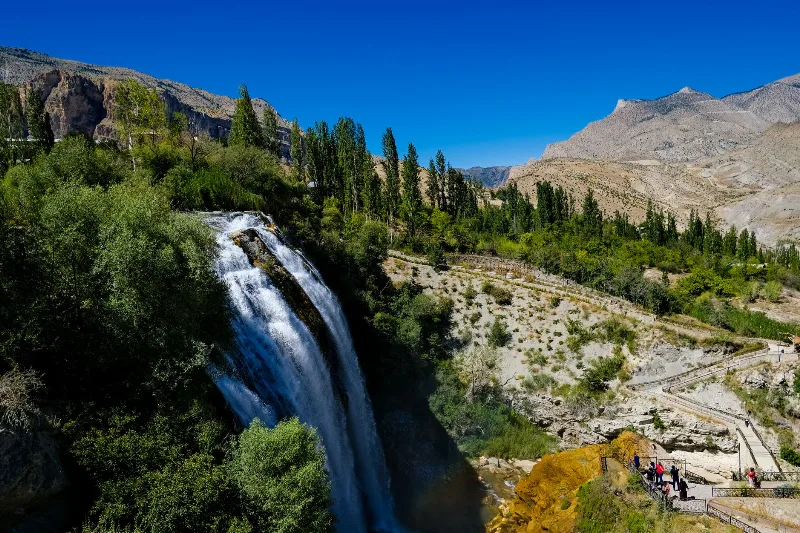
Tortum Waterfall in Erzurum Province is the outflow of Lake Tortum, a large landslide-dammed lake, and the drop marks where the lake spills over the natural barrier that formed it.
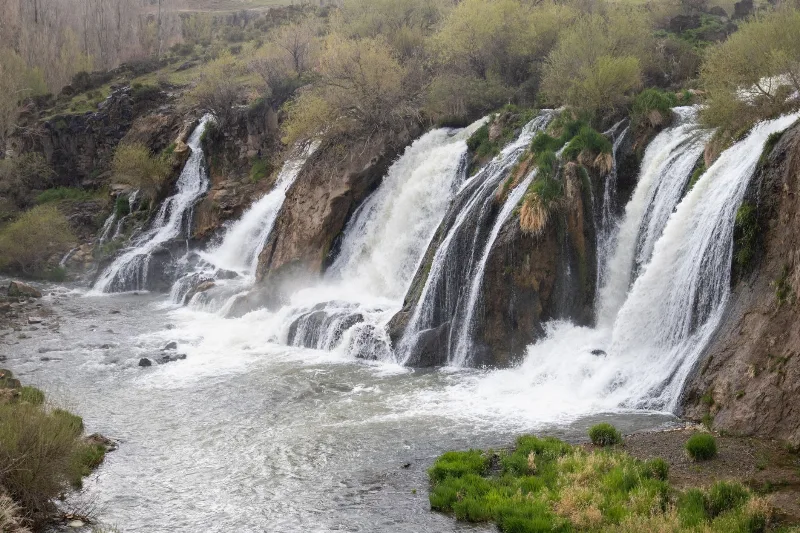
Muradiye Waterfall is a broad river fall on the Bendimahi River in Van Province, eastern Türkiye, where snowmelt-fed water drops over dark volcanic rock in a green valley above Lake Van.
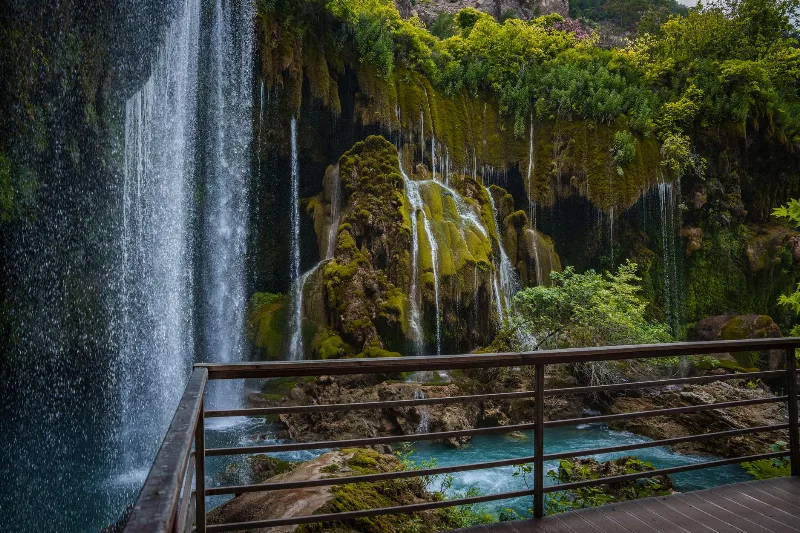
Yerköprü Waterfall in Mersin Province is a natural waterfall where the Göksu River emerges from a cave, creating a turquoise pool. Its karst setting and seasonal flow variations make it a distinctive natural site in southern Turkey.
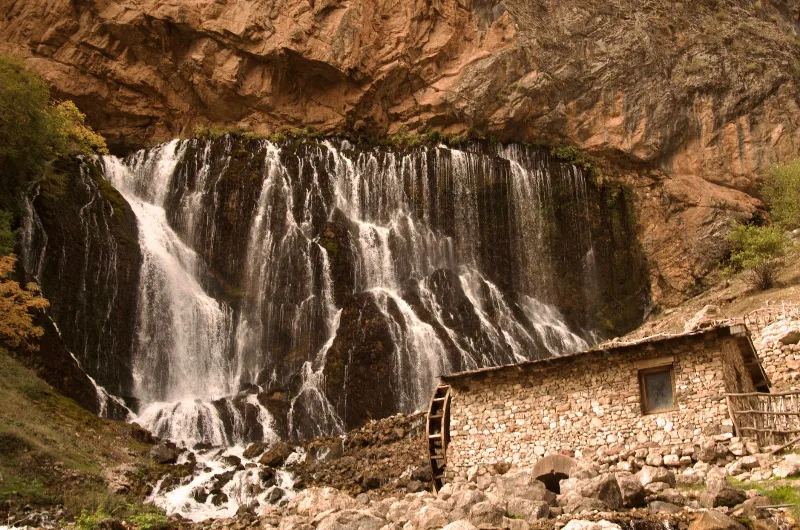
Kapuzbaşı Waterfall is a cluster of karst spring waterfalls in the Aladağlar Mountains of Kayseri, Turkey. Fed by limestone springs, it forms a distinctive multi-chute cascade that varies with snowmelt and season.
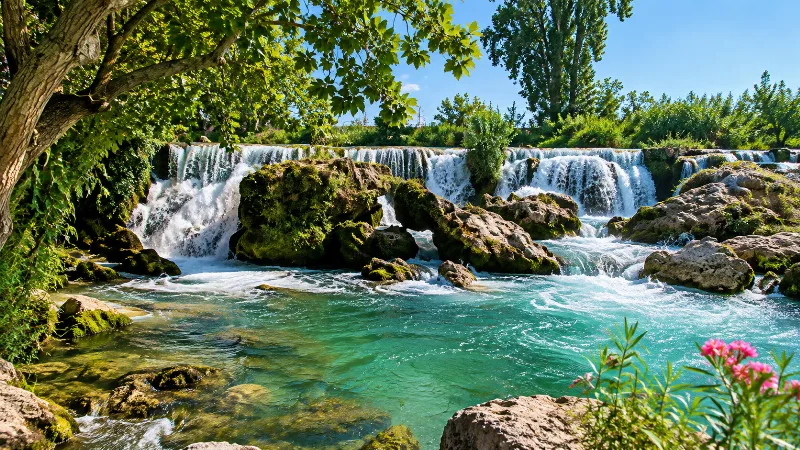
Tarsus Waterfall is a river cascade on the Berdan River in Mersin Province, formed where the water drops over a rocky ledge just north of the town of Tarsus. It is a low, wide fall fed by a river that carries Taurus Mountain water toward the Mediterranean coast.
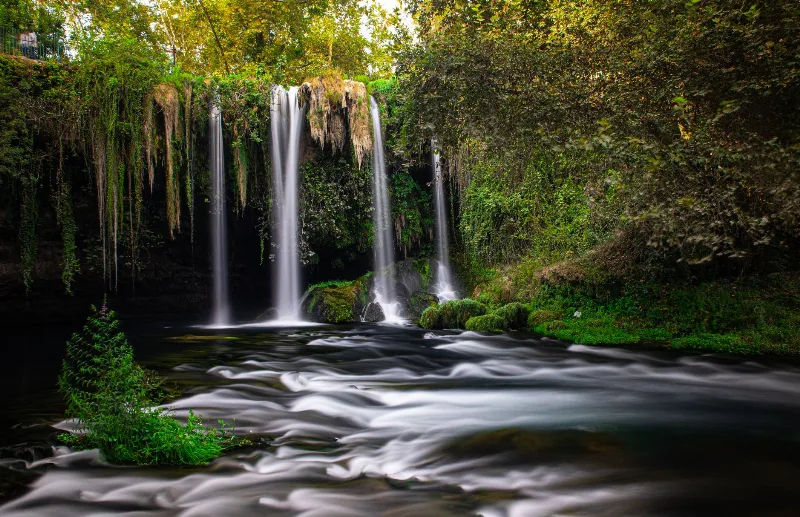
Kurşunlu Waterfall is a natural cascade in Antalya Province, Turkey, set within a lush forest and nature park. It is known for its series of falls, cave, and walking paths.
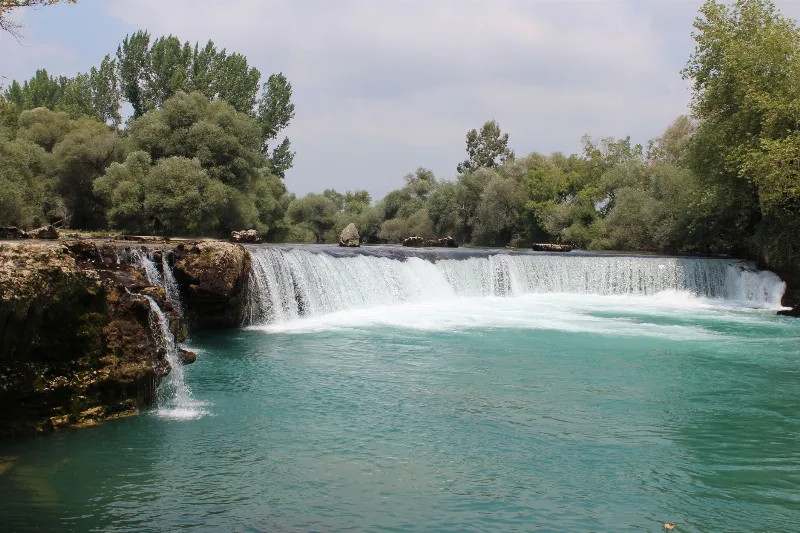
Manavgat Waterfall is a broad, low cascade on the spring-fed Manavgat River in Antalya Province, close to the town of Manavgat and the Mediterranean coast. Its defining feature is width and steady water volume rather than height.
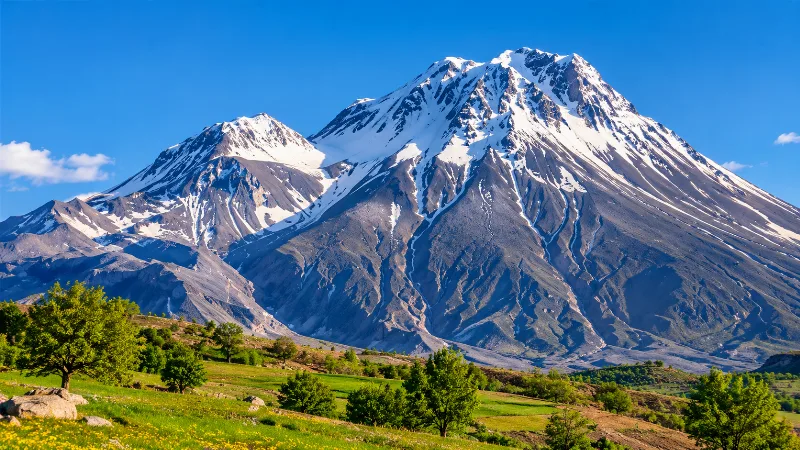
Mount Ida, called Kaz Dağı in Turkish, is a forested massif in Balıkesir Province on the Biga Peninsula, rising from the Gulf of Edremit coast to a summit of about 1,774 metres and known for its endemic fir forest.
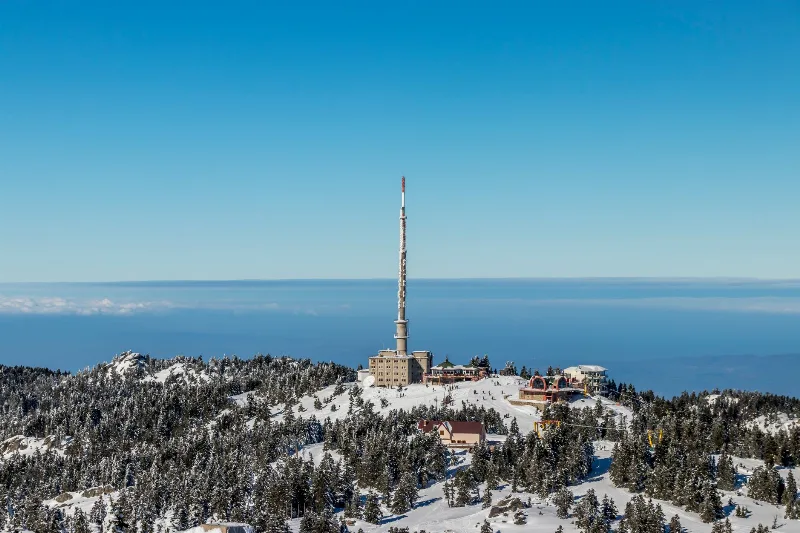
Mount Uludağ is a granite massif rising above Bursa in north-western Türkiye, topped by a 2,543-metre summit and protected as one of the country's oldest national parks. Its forest belts, high meadows, glacial landforms and long snow season shape both its landscape and the way it is visited.
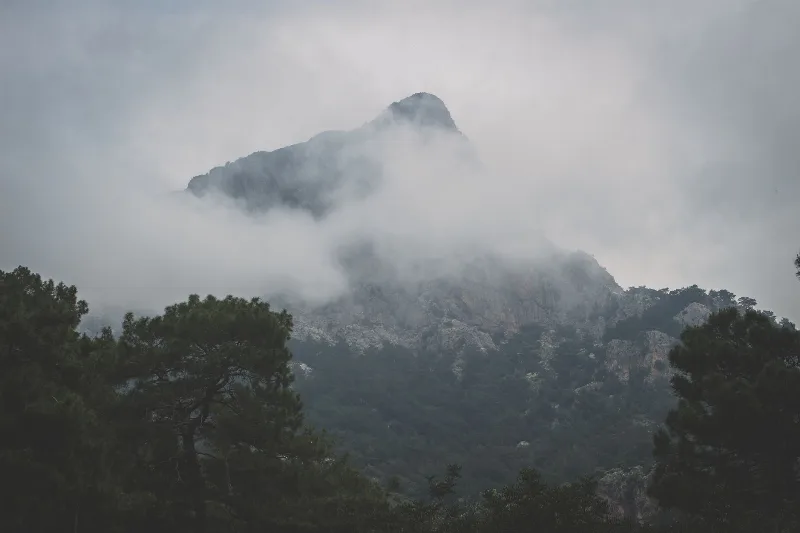
Mount Babadağ is a limestone mountain in Muğla Province, south-western Türkiye, rising steeply above the Ölüdeniz lagoon to a summit of roughly 1,960 metres. Its exposed rock faces and rapid drop to the sea have made it one of the best-known coastal mountains in the country.
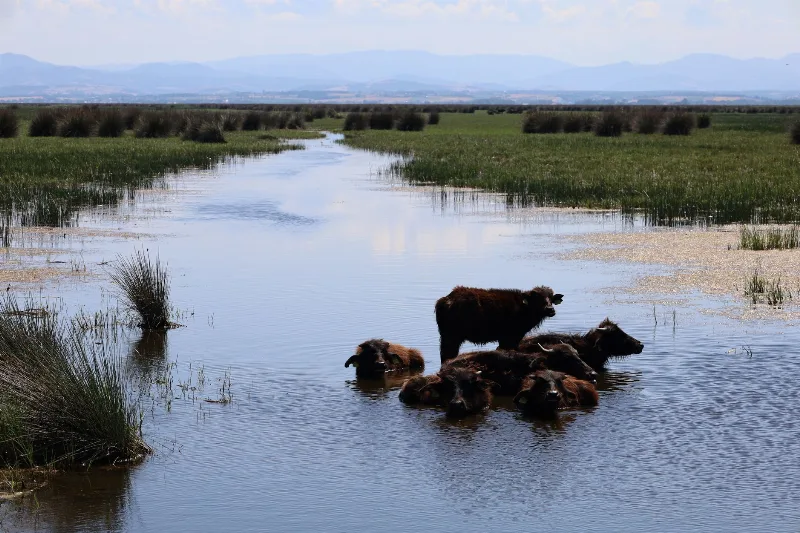
The Kızılırmak Delta is a large coastal wetland where Türkiye's longest river meets the Black Sea in Samsun Province. It is a Ramsar site known for its shallow lagoons, reed beds, dunes and dense birdlife.
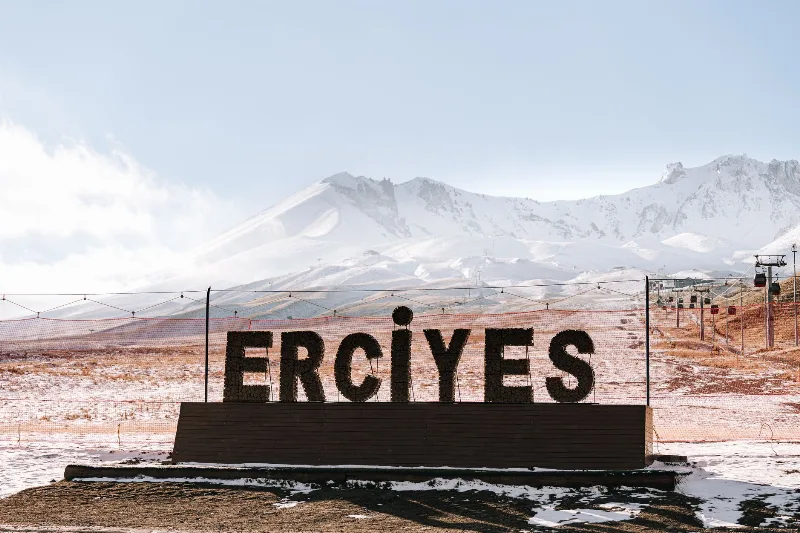
Mount Erciyes is a dormant stratovolcano in Kayseri Province and the highest peak in Central Anatolia, rising sharply from the surrounding plain to a snow-covered summit at 3,917 metres.
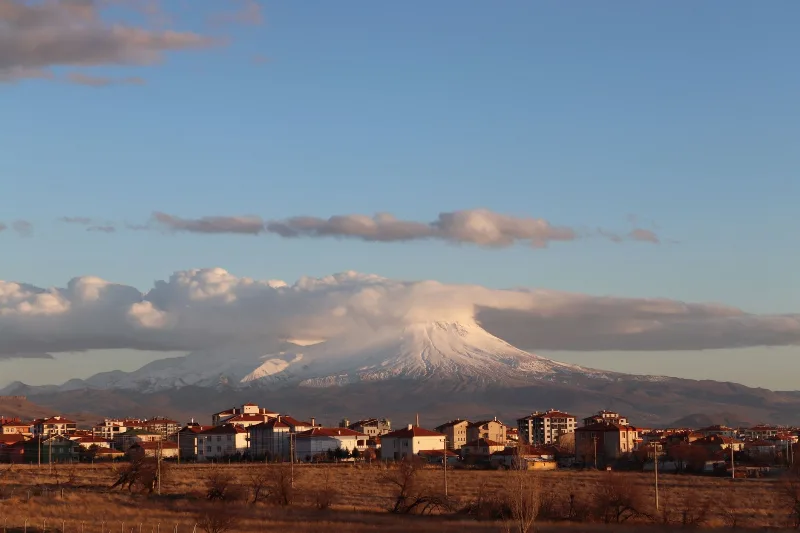
Mount Hasan is a dormant stratovolcano in Aksaray Province, Central Anatolia, rising to roughly 3,268 metres above the surrounding steppe and forming part of the Cappadocia volcanic province.
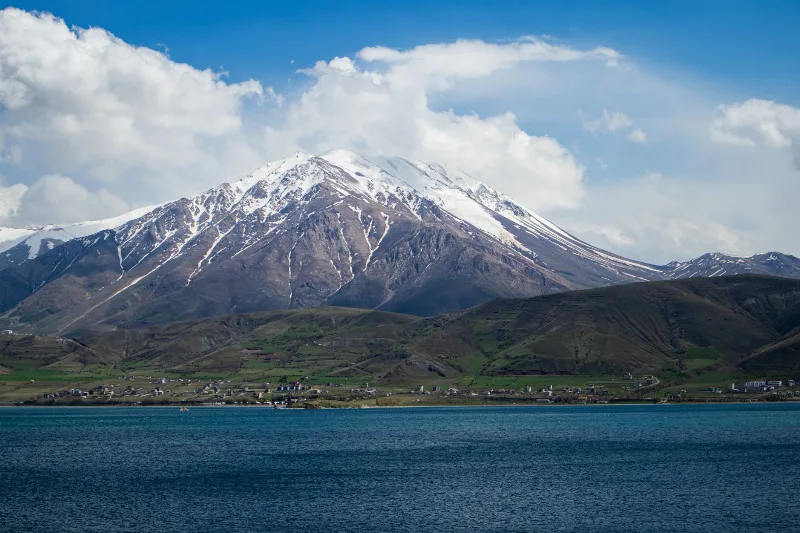
Mount Süphan (Süphan Dağı) is a dormant stratovolcano in Bitlis Province, eastern Türkiye, and the second-highest peak in the country at 4,058 metres, rising above the northern shore of Lake Van.
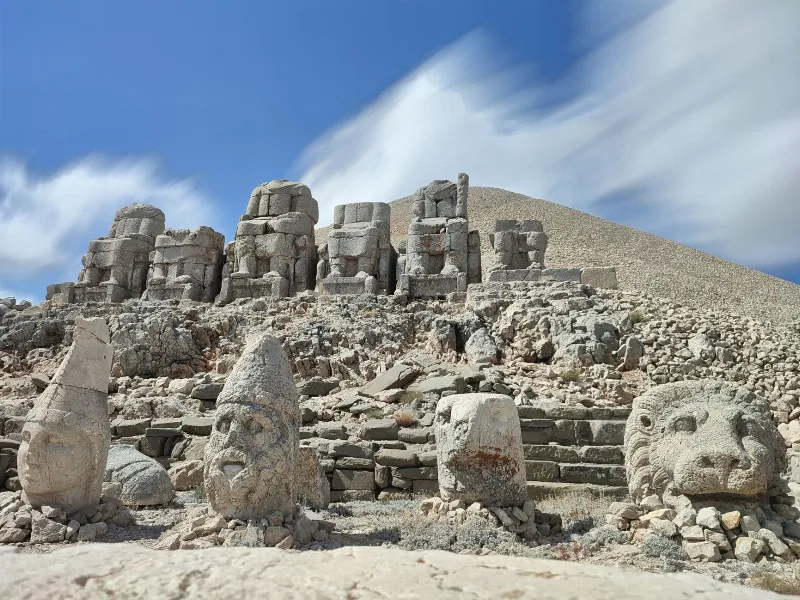
Mount Nemrut is a dormant volcano in Bitlis Province, eastern Türkiye, featuring a large caldera with crater lakes. It lies west of Lake Van near Tatvan.
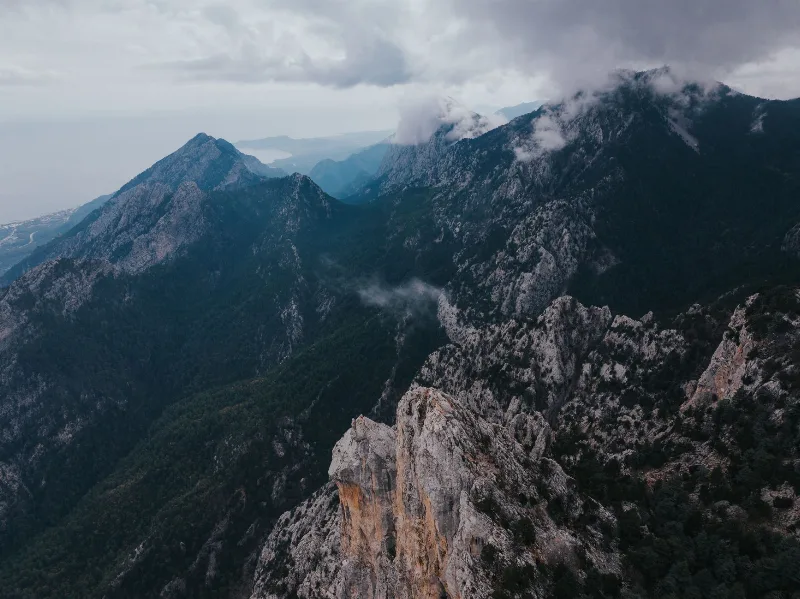
Mount Tahtalı is the summit that rises directly above the Gulf of Antalya, the highest point of the Beydağları massif's coastal edge. Its limestone slopes climb from pine forest to bare rock, giving the mountain a distinct profile above Kemer and the Lycian coast.
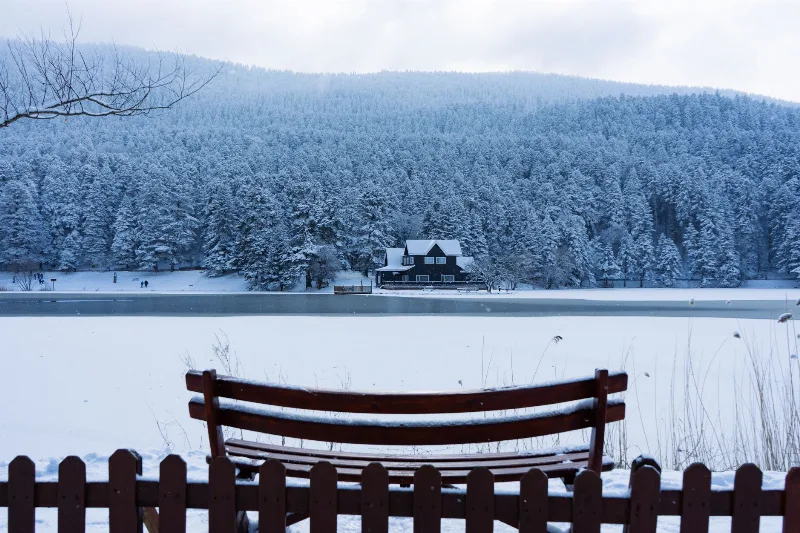
Lake Abant is a freshwater lake in Bolu Province, northwestern Türkiye, sitting at around 1,300 metres in a forested mountain basin. Its shoreline of pines, firs and beeches makes it one of the country's best-known inland lakes.
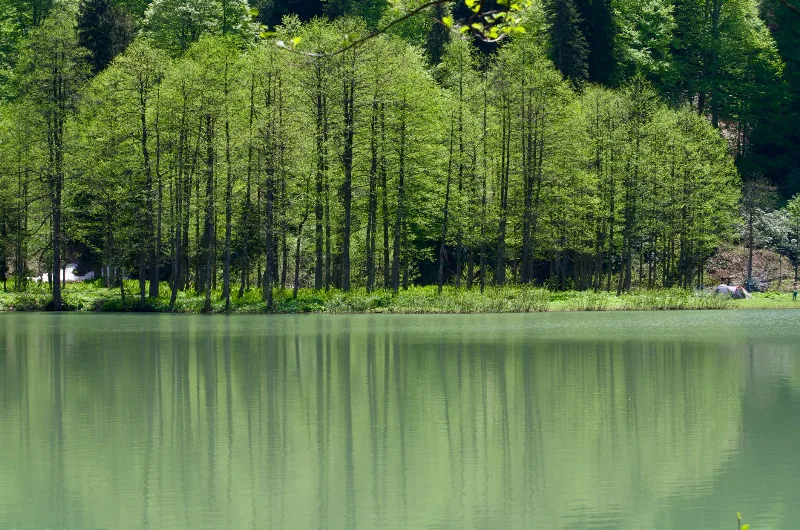
Lake Karagöl is a small glacial lake in Artvin Province, held in an ice-carved basin in the Karçal Mountains. Its forested slopes, alpine meadows and long snow season give it a character quite different from Türkiye's larger Anatolian lakes.
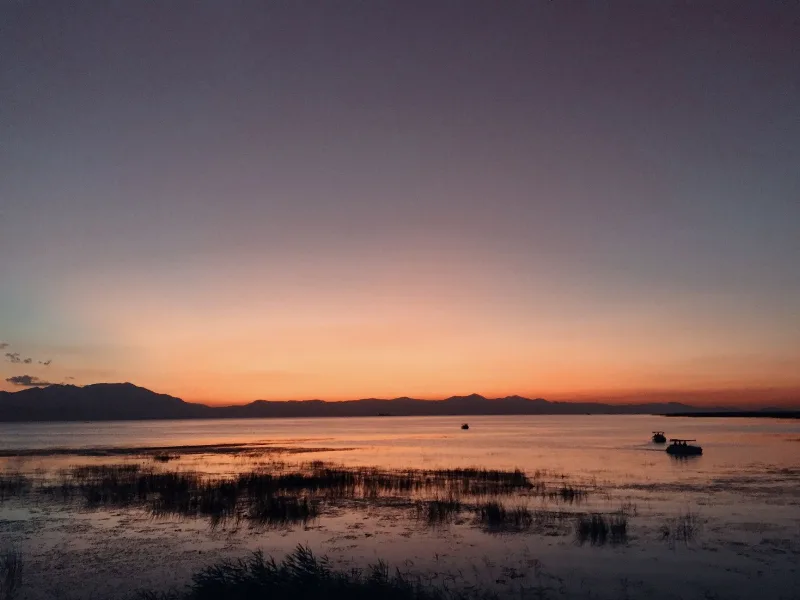
Lake Beyşehir is the largest freshwater lake in Turkey, set in a tectonic basin between Konya and Isparta and framed by the Sultan Mountains. Its scale, fresh water and protected status make it one of the defining landscapes of the Lake District.
Lake Kovada is a small freshwater lake in Isparta Province, Turkey, forming the core of Kovada Lake National Park. Surrounded by pine forests, it is known for its clear water and rich wildlife.
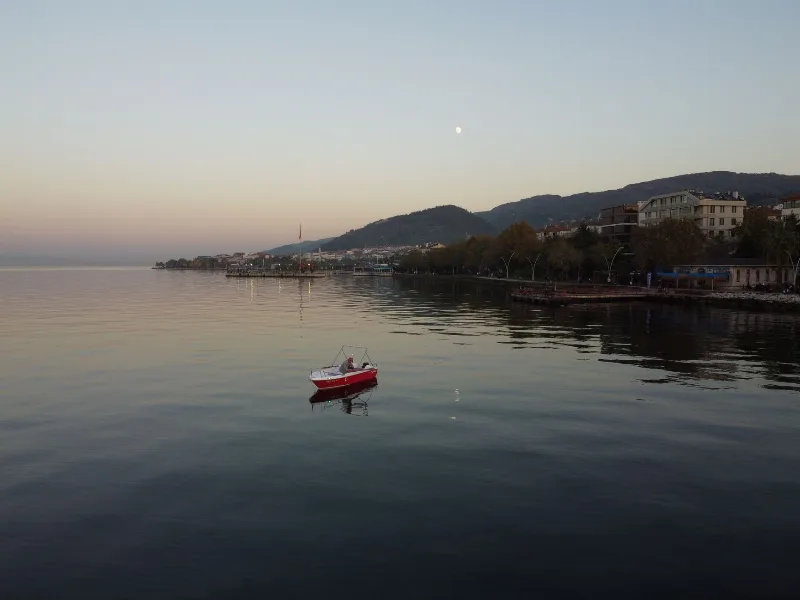
Lake Sapanca is a long, narrow freshwater lake in the Sakarya–Kocaeli border zone of north-western Türkiye, formed in a tectonic basin close to the North Anatolian Fault and bordered by forested hills, orchards and reed-lined stream mouths.
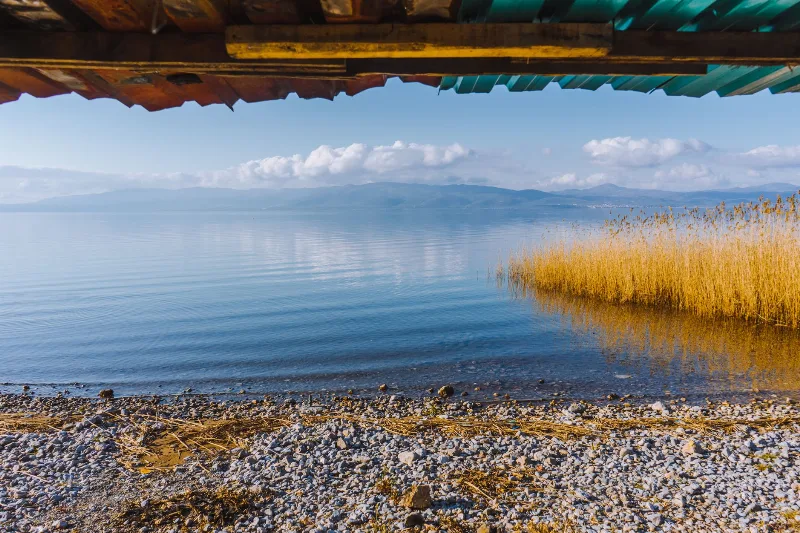
Lake İznik is a large freshwater lake in Bursa Province, northwestern Türkiye, held in a tectonic basin between the towns of İznik and Orhangazi and edged by hills, olive groves and farmland.
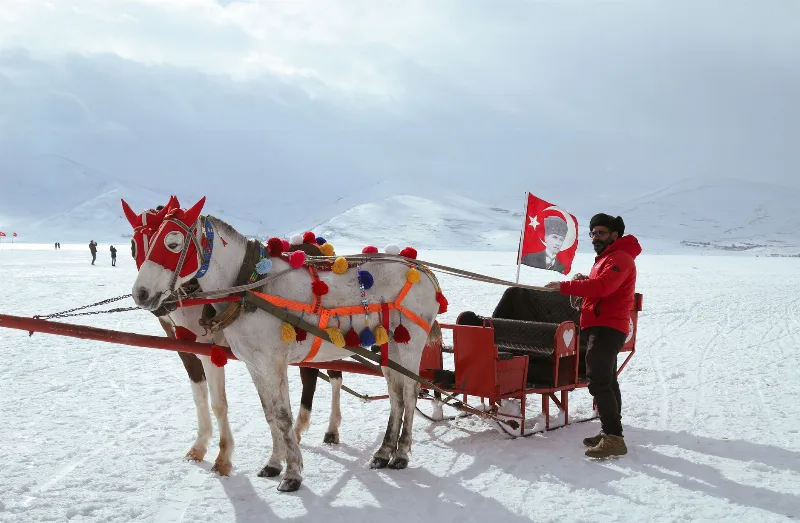
Lake Çıldır is a large freshwater lake in northeastern Türkiye, set on a high steppe plateau between Ardahan and Kars and known for freezing solid during the long eastern Anatolian winter.
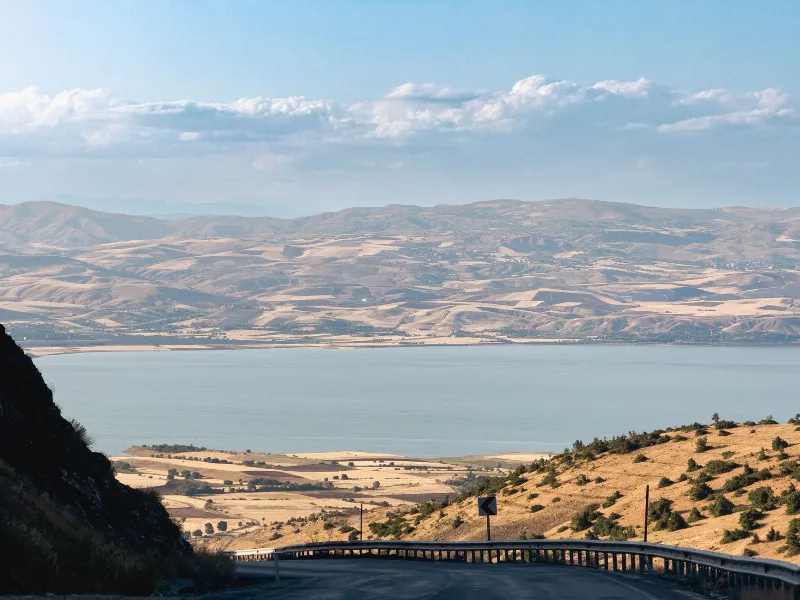
Lake Hazar is a deep tectonic lake in Elazığ Province, eastern Türkiye, held in a mountainous basin formed by movement along the East Anatolian Fault Zone and known for its clear, mineral-rich water.
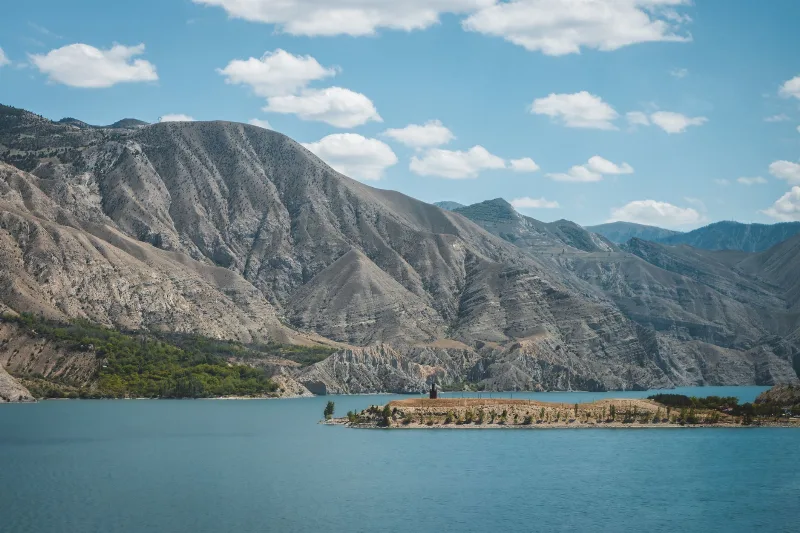
Lake Tortum is a landslide-dammed lake in Erzurum Province, northeastern Türkiye, created when a huge rock slide blocked the valley of the Tortum River. Its overflow spills over the Tortum Waterfall, one of the country's best-known cascades.
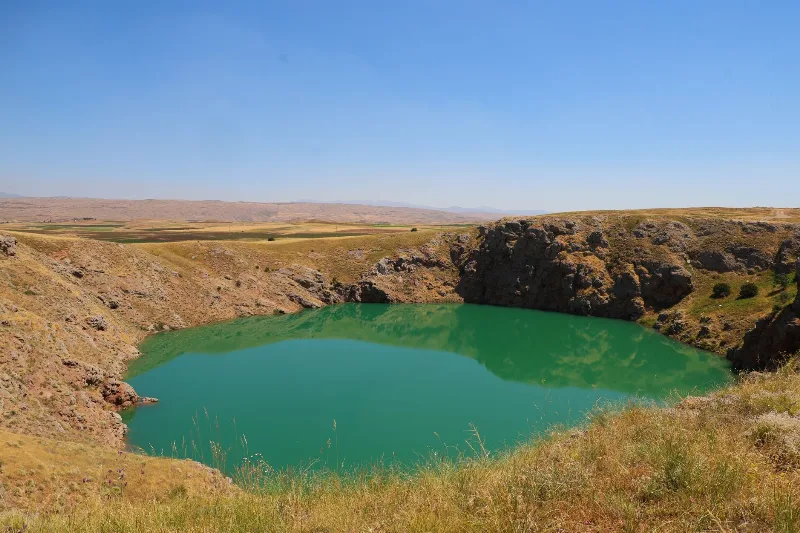
Lake Meke is a volcanic crater lake in Konya Province, Turkey, known for its unique double crater structure with a small island. It is a protected natural monument that offers a glimpse into the region's volcanic past.
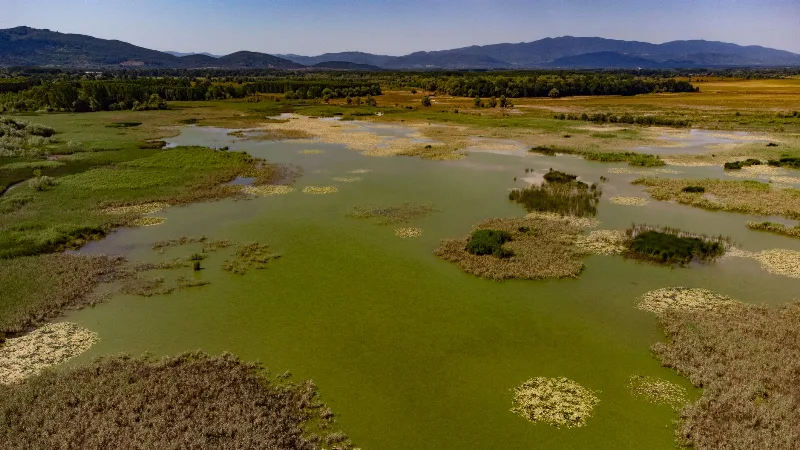
Lake Kuş, also called Lake Manyas, is a shallow freshwater lake in Balıkesir Province, northwestern Türkiye, protected as a national park and recognised as one of the country's key wetland bird areas.
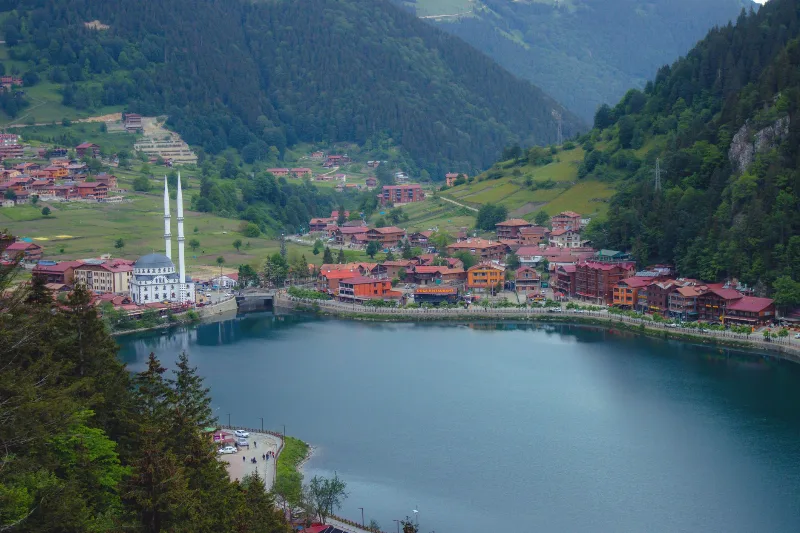
Lake Uzungöl is a landslide-dammed lake in Çaykara district, Trabzon Province, sitting on the floor of a steep, forested valley in Türkiye's Black Sea region.
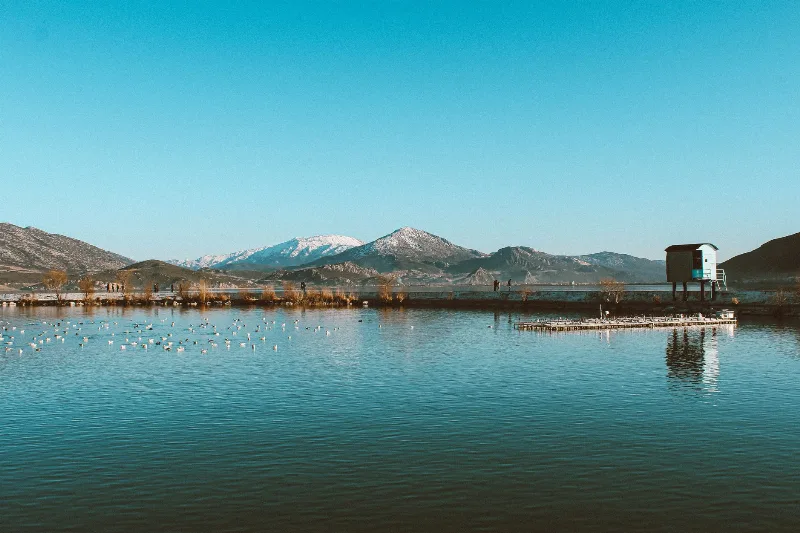
A large freshwater lake in the Lakes District of Isparta Province, south-western Türkiye, Eğirdir is divided into two connected basins by a narrow strait and ringed by mountains.
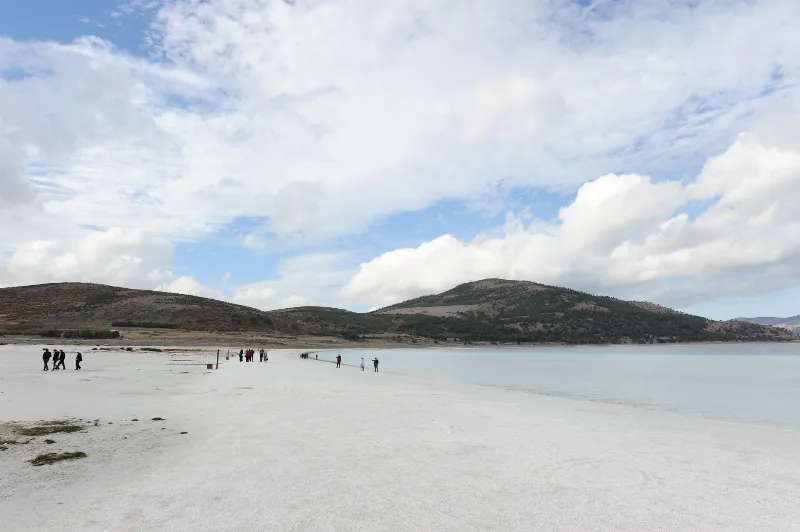
Lake Burdur is a large tectonic soda lake in Burdur Province, south-western Türkiye, with strongly alkaline water, a broad shifting shoreline and international importance for wintering waterbirds. Its closed basin, mineral chemistry and retreating waterline make it one of the most distinctive inland landscapes of the Turkish Lakes Region.
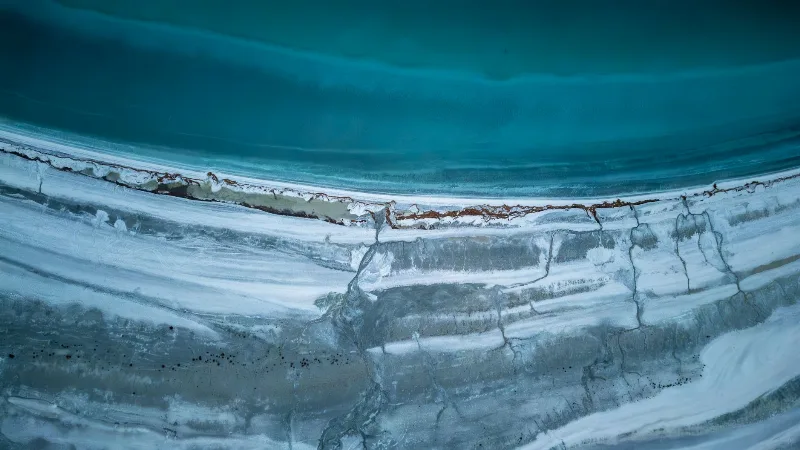
Lake Acıgöl is a closed-basin saline lake in southwestern Turkey, notable for its sodium sulfate deposits and status as a Ramsar wetland. The article covers its geography, seasonal changes, wildlife, and practical visiting information.
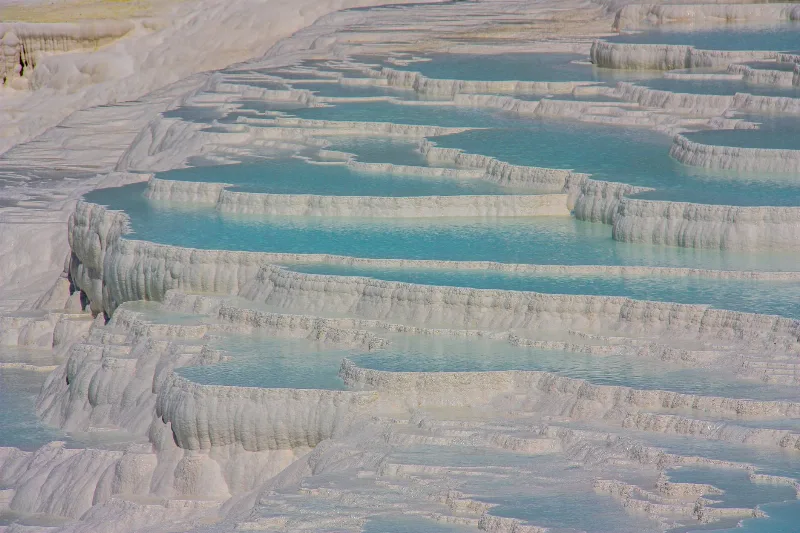
Pamukkale is a white travertine formation in Denizli Province, built up over millennia by calcium-rich thermal springs that flow down the edge of a plateau beside the ancient city of Hierapolis.
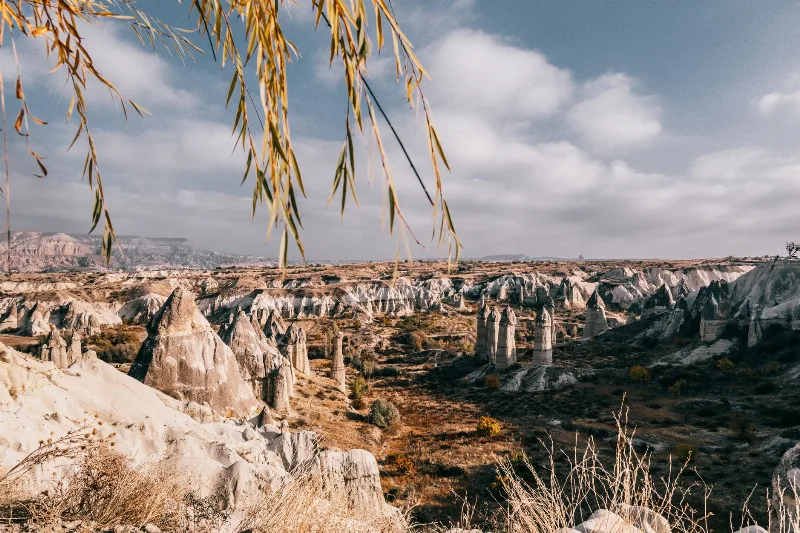
Göreme National Park is a protected volcanic landscape on the Cappadocia plateau in Nevşehir Province, Türkiye, defined by eroded tuff cones known as fairy chimneys and by settlements carved into the same soft rock.
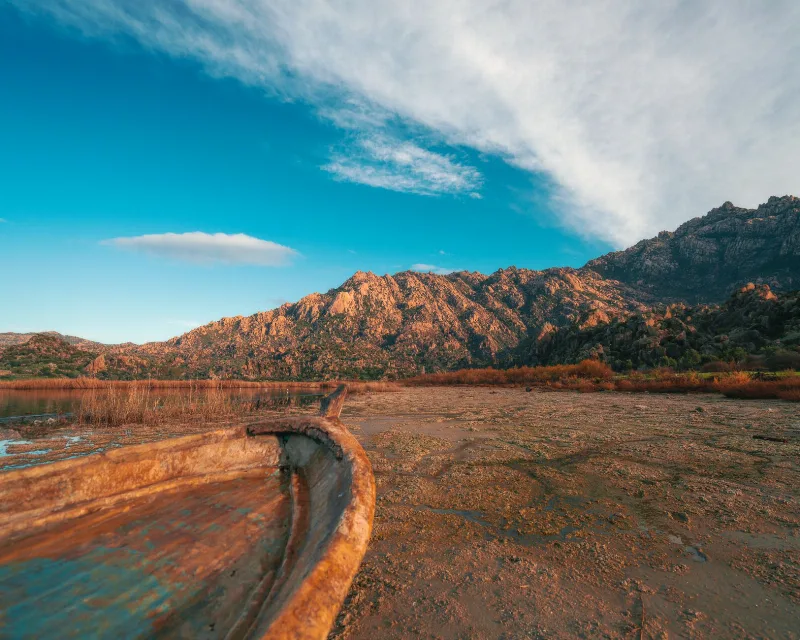
Lake Bafa is a brackish lake in southwestern Türkiye, shared between the provinces of Muğla and Aydın. It is the surviving remnant of an ancient Aegean inlet, now enclosed by farmland, the granite slopes of the Beşparmak Mountains and scattered ruins of harbour towns that once stood on open sea.
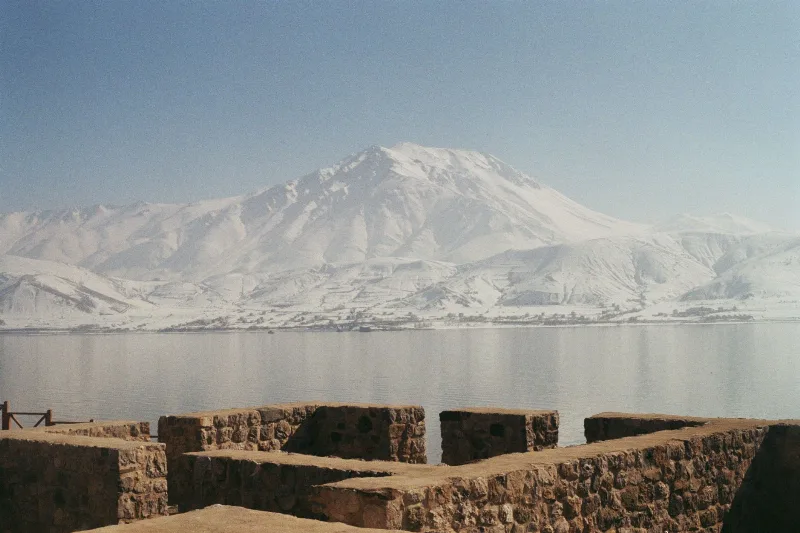
Lake Van is Turkey's largest lake, a vast alkaline soda lake with no outlet, set in the volcanic highlands of Eastern Anatolia at around 1,640 metres. Its unusual chemistry, depth and islands give it a character unlike any other lake in the country.
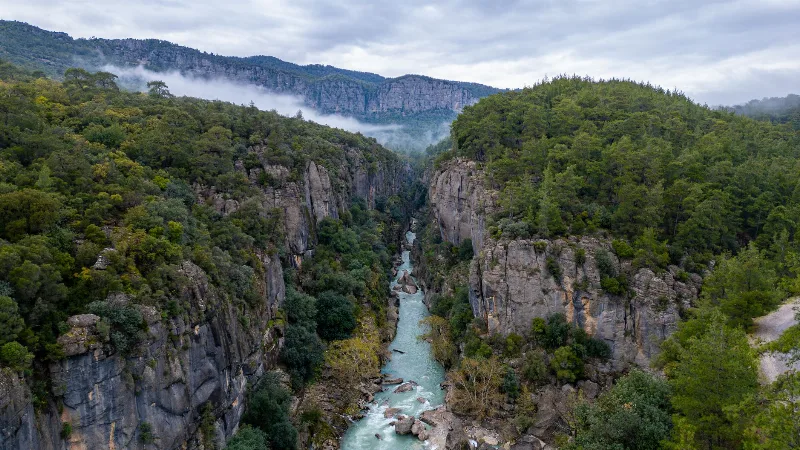
Köprülü Canyon is a deep river canyon in Antalya Province, carved by the Köprüçay River. It is part of a national park and is known for its steep walls, Mediterranean vegetation, and seasonal river conditions.
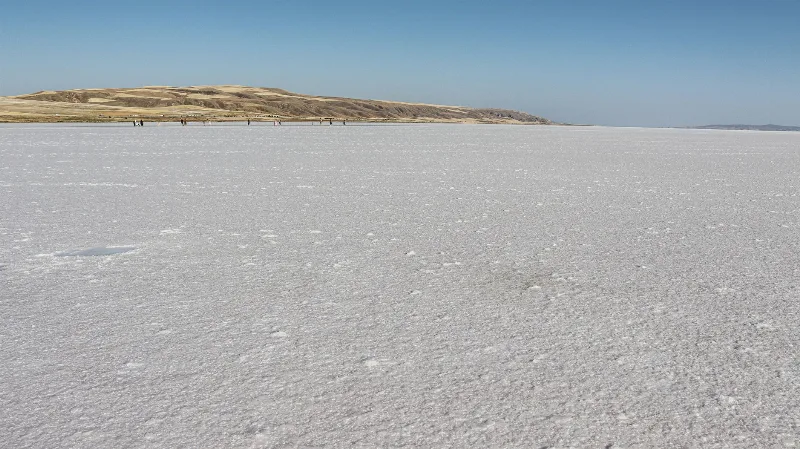
Lake Tuz (Tuz Gölü) is a hypersaline salt lake spread across Ankara, Konya and Aksaray in Central Anatolia, and one of the largest salt lakes in the world. Its shallow water, seasonal salt crust and flamingo colonies give it a character unlike any other lake in Türkiye.
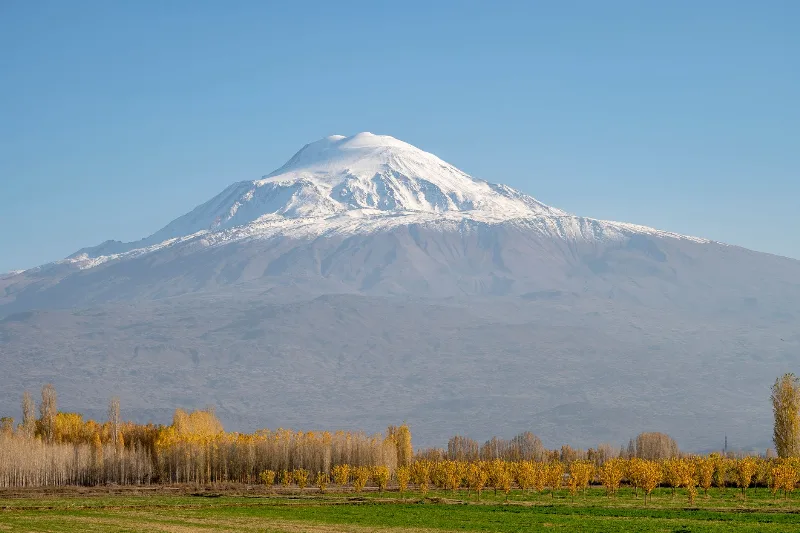
Mount Ararat (Ağrı Dağı) is a dormant, snow-capped stratovolcano in eastern Turkey and the country's highest mountain, rising in two distinct cones above the Iğdır Plain near the Iranian border.
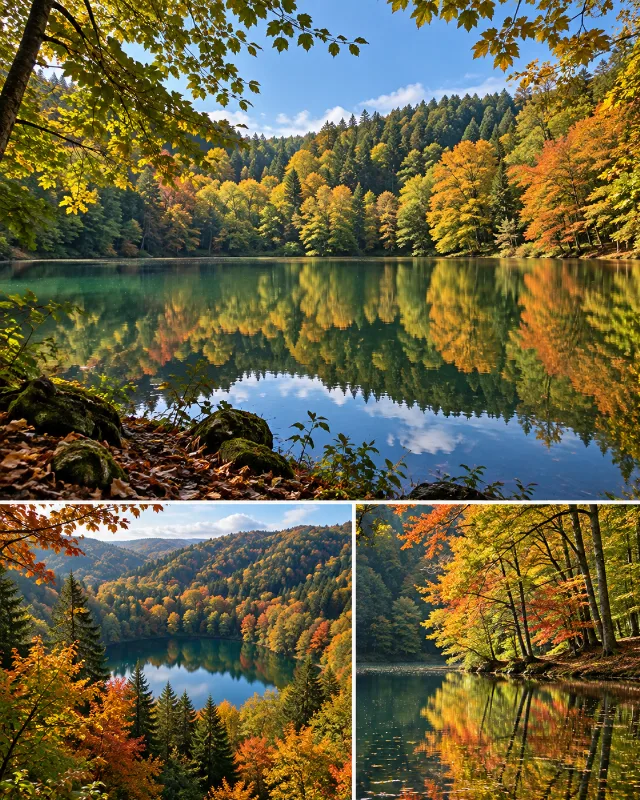
Yedigöller National Park in Bolu, Turkey, is a protected area centered on seven small lakes formed by landslides. The park is known for its dense forests, seasonal color changes, and tranquil walking paths.
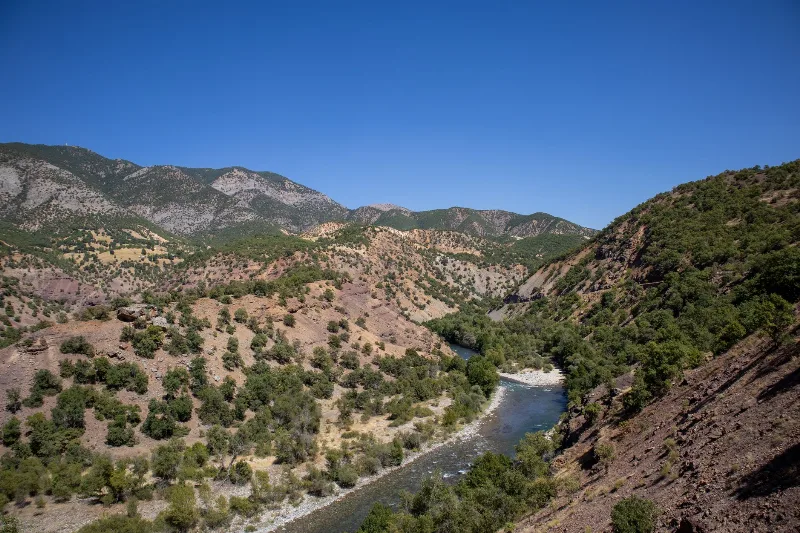
Munzur Valley National Park is a large protected area in Tunceli Province, eastern Turkey, built around the Munzur River valley and the high Munzur Mountains, and known for its rugged terrain and rich endemic plant life.
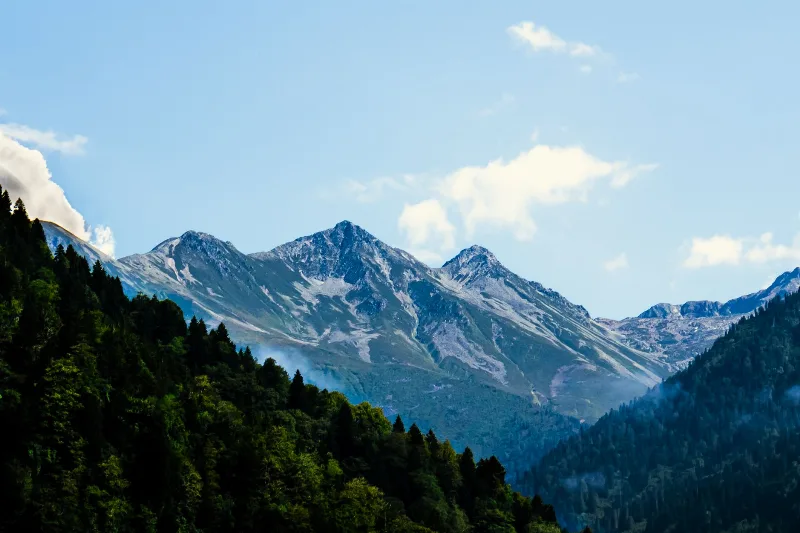
The Kaçkar Mountains form the highest section of Turkey's Black Sea ranges, a glacially sculpted landscape of sharp summits, cirque lakes and high summer pastures.
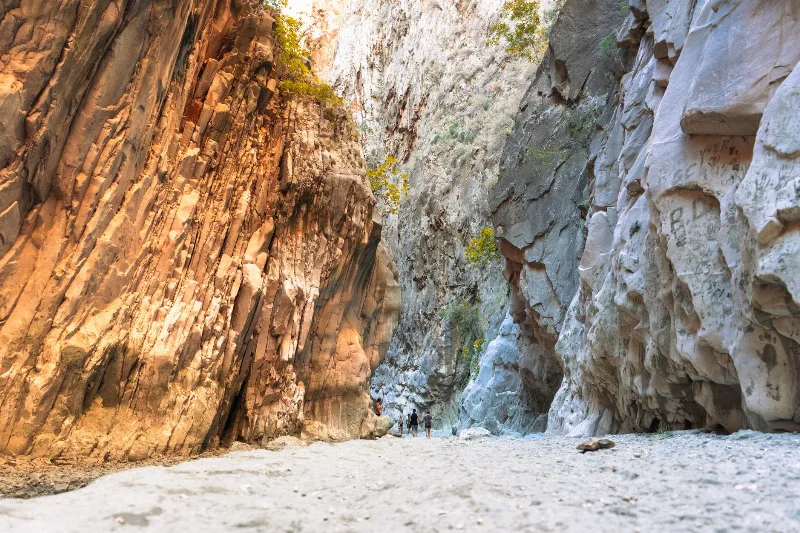
Saklıkent Canyon is a deep limestone gorge in Muğla Province, southwestern Türkiye, cut by the Karaçay stream and known for its towering walls and persistently icy water. It has been protected as a national park since 1996.
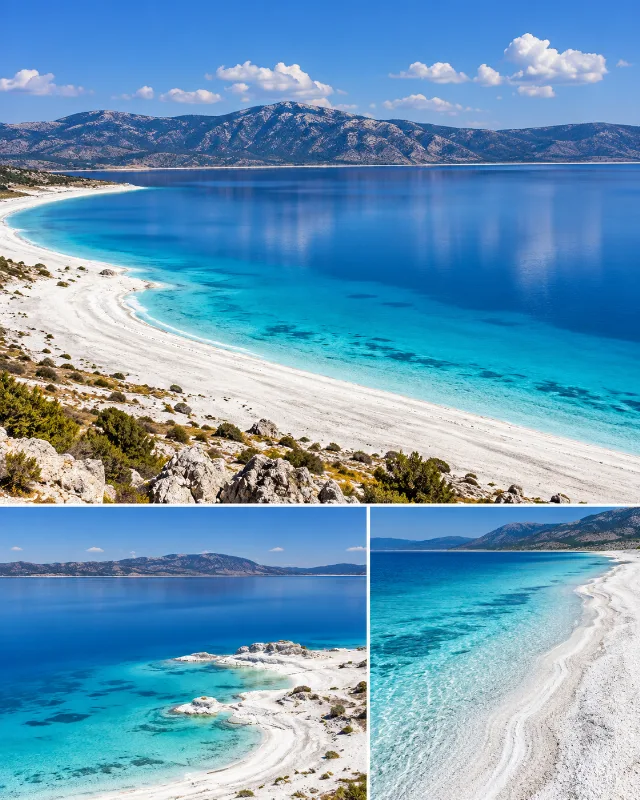
Lake Salda is a deep, closed-basin lake in Burdur Province, Türkiye, known for its white shores and turquoise water. Its pale sediment and unusual water chemistry set it apart from other Turkish lakes.