
Tarsus Waterfall
Tarsus Waterfall is a river cascade on the Berdan River in Mersin Province, formed where the water drops over a rocky ledge just north of the town of Tarsus. It is a low, wide fall fed by a river that carries Taurus Mountain water toward the Mediterranean coast.
Tarsus Waterfall is a cascade on the Berdan River in Mersin Province, southern Türkiye. It lies within the district of Tarsus, at the northern edge of the town, where the river passes over a rocky ledge on its way from the Taurus Mountains down to the Mediterranean plain. Unlike a tall free-falling waterfall, it is a broad, stepped drop in which the water spreads across the rock and falls in a series of short ledges. The town of Tarsus sits immediately to the south, and the river continues from here across the coastal plain toward the sea.
The Berdan River and Its Course
The Berdan River is the stream that gives the fall its shape. It originates in the higher ground of the Taurus Mountains to the north and flows southward, cutting through the landscape until it reaches the edge of the Cilician plain. At Tarsus the gradient changes sharply: the river leaves the more elevated terrain and spills over a rock step before continuing on a gentler course. This transition between upland river and lowland river is what produces the fall. The same river was known in antiquity as the Cydnus, and its water has long been part of the geography of Tarsus.
Because the drop is created by the underlying rock rather than by a single cliff, the fall is wider than it is high. The water moves across a horizontal shelf and then drops in broken, foamy steps. The exact appearance depends heavily on how much water the river is carrying at any given time.
What the Cascade Actually Looks Like
In normal conditions the Berdan River splits as it crosses the ledge, so visitors see several channels of water falling side by side rather than one solid curtain. Where the water lands, it churns into a pool and continues downstream. The surrounding ground is a mix of exposed rock, river gravel and planted greenery along the banks. The channel below the fall is calmer and wider, and the river bends as it moves away from the rock.
The setting is not remote wilderness. The fall sits within an accessible riverside area on the edge of a large town, which means the natural feature is seen against a semi-urban backdrop rather than in isolation. Even so, the geological structure of the drop is clearly visible, and the river itself remains the defining element of the scene.
Vegetation and River Habitats
The banks of the Berdan River support riverside vegetation typical of southern Anatolian waterways, with trees and shrubs growing along the channel where soil and moisture allow. This green strip follows the water and contrasts with the drier, more open land of the surrounding plain. The moisture of the river corridor creates a cooler, damper microclimate than the fields and built-up areas nearby.
The river is a freshwater course rather than a still body of water, and its flow, depth and clarity change with rainfall and with the release of water from upstream. Aquatic and waterside life is tied to this flowing system, and the channel acts as a linear habitat linking the mountain-fed upper reaches to the lower plain.
How the Fall Changes Through the Seasons
The most obvious seasonal change at Tarsus Waterfall is the volume of water. In spring, when snow melts in the Taurus Mountains and rainfall is higher, the Berdan River carries more water and the cascade is at its fullest, with the channels merging into a stronger flow. In late summer and autumn, the flow generally drops, and parts of the rock ledge may be exposed, with the water reduced to thinner streams over the stone.
Summer in the Tarsus area is hot and dry, and the riverside greenery stays green chiefly because of the water passing through it. Winter is milder than in the interior of Türkiye but wetter, and rainfall can raise the river noticeably. Because the fall sits low on the coastal plain, it does not experience the deep winter cold or heavy mountain snow found upstream in the Taurus range.
Getting There and the Terrain
The waterfall is located close to the town of Tarsus, which lies east of the city of Mersin along the coastal plain of the province. Reaching the general area is straightforward because Tarsus is well connected by road to Mersin and to the wider region, including routes toward Adana. From the town, the fall is a short distance to the north along the Berdan River.
The ground around the fall is mostly level riverside terrain, with open areas near the water. Walking conditions are generally easy, and there is no need for specialised equipment to view the cascade from the surrounding banks. Visitors should be aware that surfaces near the water can become slippery, and that the flow is a live river rather than a still pool.
Practical Natural Considerations
Because the appearance of Tarsus Waterfall depends on river flow, the experience is different at different times of year. Anyone hoping to see the fall at its strongest should consider the wetter, snowmelt-fed months rather than the driest part of summer. Heat is a real factor in the warm season, and the riverside shade and moving water make the immediate area more comfortable than the open plain.
The river is a natural watercourse with currents and variable depth, and its conditions are not constant. It is a feature to observe from the banks and surroundings rather than a controlled facility, and water levels can rise after rain upstream.
Nearby Natural Context
The Berdan River links the fall to the wider geography of the region. Upstream, the river drains mountain terrain in the Taurus range; downstream, it crosses the Cilician plain toward the Mediterranean coast. This means the waterfall can be understood as one point along a single continuous river system that connects mountains, plain and sea.
The river corridor near Tarsus is also part of a wider network of waterside and wetland environments on the coastal plain, where rivers, irrigation channels and low-lying land combine to create habitats distinct from the dry farmland around them. Seen in this context, Tarsus Waterfall is not an isolated attraction but a visible step in the journey of the Berdan River from the highlands to the coast.
Beaches & bays
See the coast →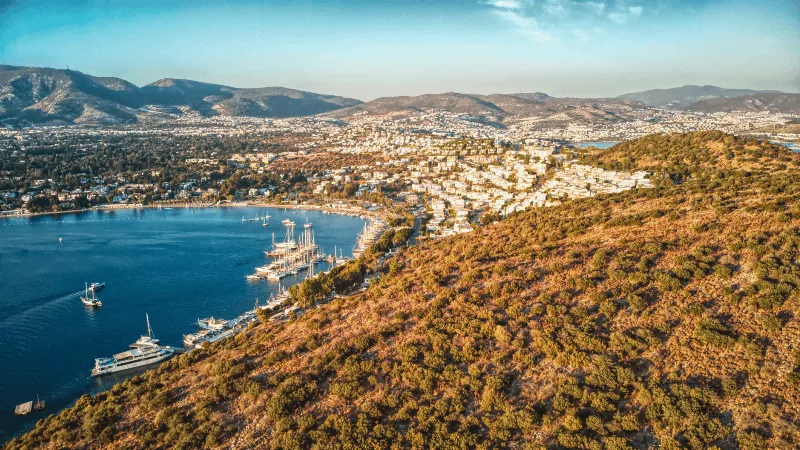

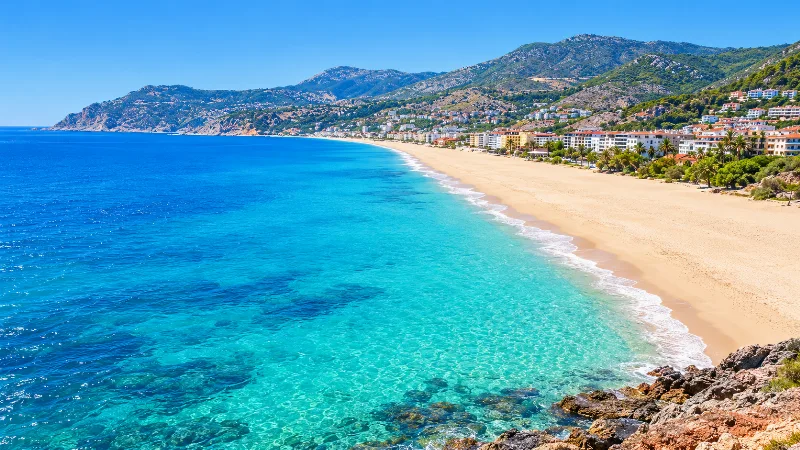
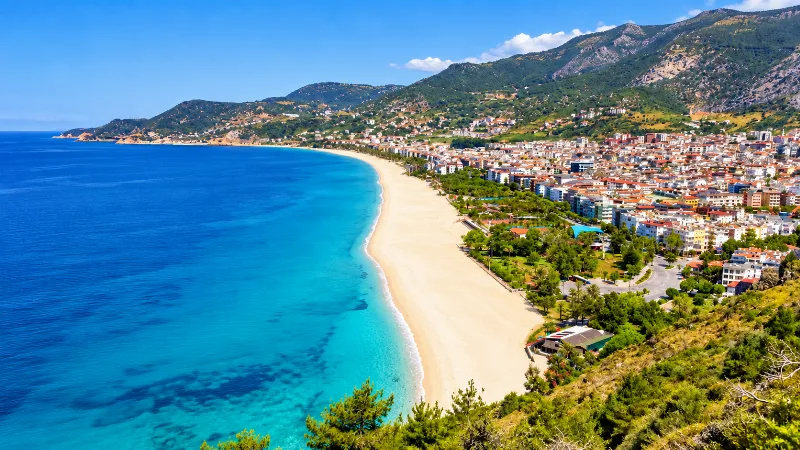
Related content
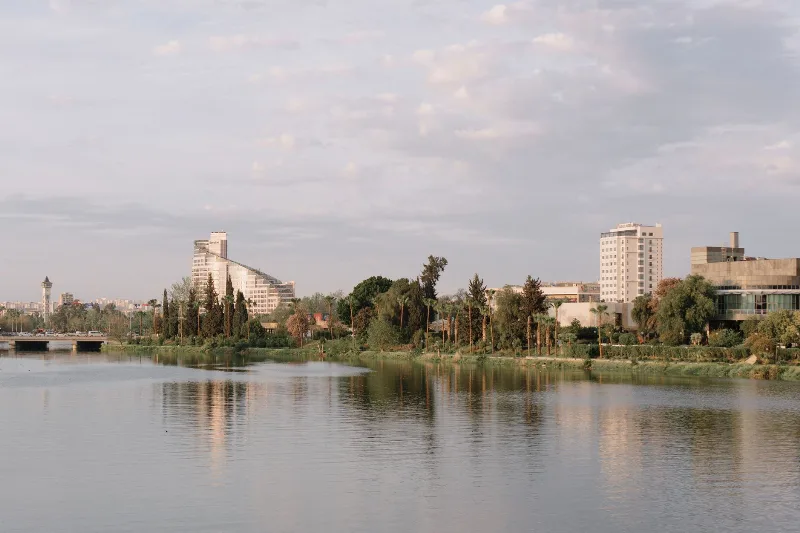
Adana
Adana is a major metropolitan city in southern Türkiye and the urban heart of the Çukurova plain, defined by the Seyhan River, a Roman-era stone bridge and a deeply rooted kebab and agricultural culture.
Kapuzbaşı Waterfall
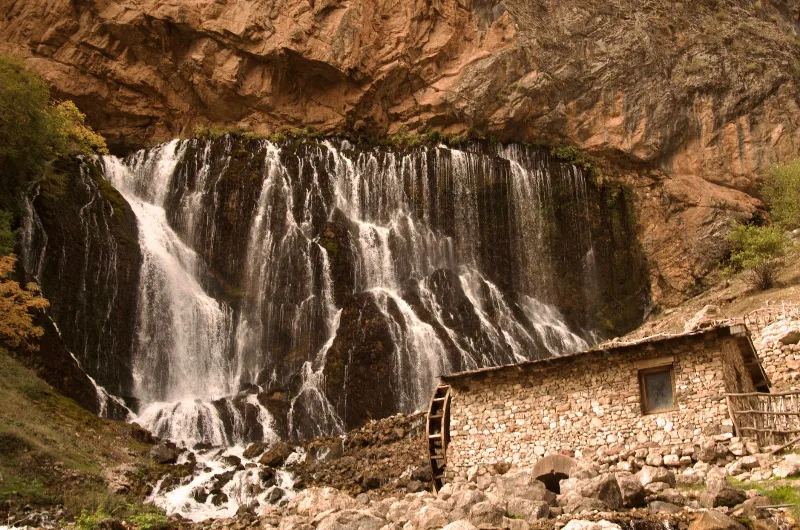
Kapuzbaşı Waterfall is a cluster of karst spring waterfalls in the Aladağlar Mountains of Kayseri, Turkey. Fed by limestone springs, it forms a distinctive multi-chute cascade that varies with snowmelt and season.
Tantuni
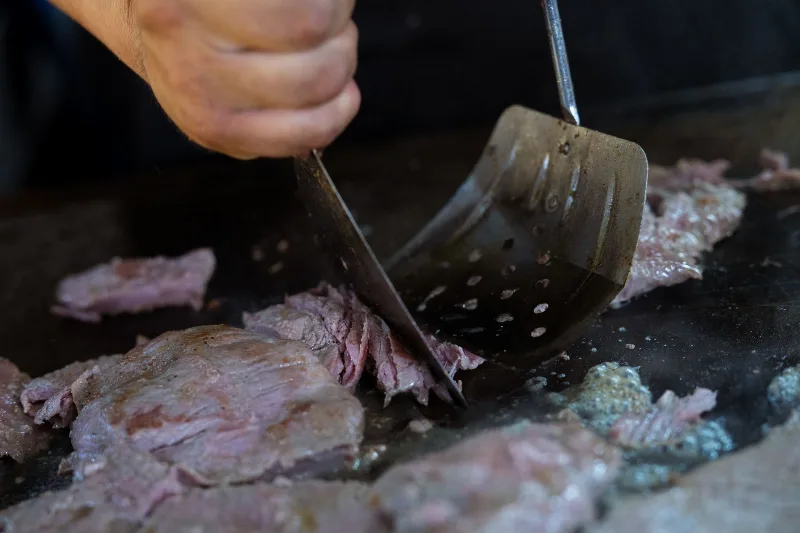
A Mersin street wrap built around finely chopped beef cooked with onion, tomato and pepper on a flat griddle, then rolled in thin lavash and finished with lemon and sumac onion.

Mediterranean Region
Türkiye's Mediterranean Region combines turquoise coastlines, dramatic mountains, ancient cities and fertile landscapes. From Antalya's beautiful beaches to the historic settlements of the eastern Mediterranean, the region offers a rich blend of natural scenery, cultural heritage and traditional local life.

Citrus Harvest in Mersin
Along Turkey's eastern Mediterranean coast, the citrus harvest in Mersin usually begins in November and continues into January, as oranges, lemons and mandarins ripen under a mild winter climate. The exact timing shifts each year with the weather, but the picking season is the period when the orchards are most visibly active.

Adana Kebap: Spicy Hand-Minced Lamb Kebab from Adana
Adana kebap is a charcoal-grilled minced lamb kebab from the Çukurova plain, defined by hand-chopped meat, tail fat and generous chilli heat. This article explains its ingredients, preparation, flavour and how it differs from Urfa kebap.