
Citrus Harvest in Mersin
Along Turkey's eastern Mediterranean coast, the citrus harvest in Mersin usually begins in November and continues into January, as oranges, lemons and mandarins ripen under a mild winter climate. The exact timing shifts each year with the weather, but the picking season is the period when the orchards are most visibly active.
The citrus harvest in Mersin normally starts in November and runs through January, with some varieties continuing a little later depending on the ripening pattern and the weather that year. It takes place across the coastal belt of Mersin Province in southern Türkiye, on the plain and the lower slopes that lie between the Mediterranean Sea and the Taurus Mountains, from around Tarsus and Erdemli to Silifke and Anamur. This period matters because the region's winters are mild enough that fruit can be left on the tree and picked fresh over a long stretch of weeks, rather than being rushed in before cold damage. Anyone searching for when citrus is harvested in Mersin, or what the orchards look like during the winter picking season, will find that the answer depends on variety and on how the autumn weather unfolded.
Where the Citrus Harvest Takes Place in Mersin
Mersin is one of the largest citrus-producing provinces in Türkiye, and the harvest is spread along a fairly narrow coastal strip rather than concentrated in a single town. Around Tarsus and the Çukurova-facing lowlands, the orchards sit on flat, irrigated ground. Further west, near Erdemli and Silifke, groves climb onto gently terraced slopes where the mountains come close to the sea, and the same pattern continues toward Anamur near the western edge of the province. Inland districts such as Mut have a different, slightly cooler rhythm, which is one reason the harvest across the province is not a single synchronized event.
Which Fruits Ripen First and Which Come Later
The season unfolds in waves rather than all at once. Mandarins, and especially satsuma-type mandarins, are generally among the earliest to be picked, often from November onward. Navel oranges usually follow toward late November and December, when their sugar and acidity balance is considered right for the fresh market. Valencia-type oranges, which are often used for juice, tend to stay on the trees longer and may be harvested later into the winter and early spring. Lemons behave differently again: because they can be picked at more than one stage of maturity, lemon harvesting is more staggered and can extend well beyond the orange window, with local varieties such as the Interdonato lemon, which originated in the Erdemli area, playing a notable role. Grapefruit and other citrus types fill in the gaps between these groups.
What Makes Mersin's Winter Climate Suitable for Citrus
Citrus trees are sensitive to cold, and that is why this harvest happens where it does. The Mediterranean Sea moderates winter temperatures along the coast, while the Taurus Mountains to the north block much of the cold air that reaches the interior of Anatolia. The result is a winter that is generally mild and humid rather than freezing, with rain arriving mainly between late autumn and early spring. Frost does occur in some years, especially in inland or elevated spots, and growers watch forecasts closely. In a normal season, however, the coastal groves can hold ripe fruit for weeks without damage, which is what allows the harvest to be spread over two to three months instead of a few days.
What the Orchards Look Like During Harvest
By the time picking begins, the trees are still dense with dark, glossy evergreen leaves, so the fruit stands out sharply against them. Rows of orange, yellow and pale green fruit hang beneath the canopy, and the ground between the rows is often damp from winter rain. During active picking, you may see ladders leaning into the trees, shallow crates or bins stacked at the end of rows, and small tractors or trucks moving fruit toward collection points. The air near a working grove carries the sharp, fresh smell released when a peel is cut or torn. Nearby packing houses, where fruit is washed, graded and boxed, become noticeably busier during these weeks.
How Weather Affects the Timing of the Harvest
Harvest dates are not fixed. A hot, dry summer can push ripening forward, while a cooler or cloudier season can slow it down. Heavy rain is the more immediate problem: saturated soil makes orchards muddy and difficult to work, and picking is often paused during downpours to avoid damaging the ground and the trees. Prolonged wet weather can also increase the risk of fruit spoilage, so growers may accelerate picking once a wet spell is forecast. Cold snaps matter too. In most coastal locations frost is rare, but when it is predicted, unharvested fruit may be picked quickly as a precaution. Because of this, the practical answer to "when is the citrus harvest in Mersin" is a window rather than a date: typically November to January, but sometimes starting slightly earlier or finishing slightly later.
What a Visitor Can Realistically Observe
This is a working agricultural season rather than a staged attraction. The most reliable things to see are the orchards themselves, which are visible from many roads across the coastal plain, and the fruit stands and markets where freshly picked citrus appears from late autumn onward. If you want a closer look at the picking process, it is sensible to ask permission before entering private groves, and to keep a reasonable distance from workers and equipment. Expect cool, sometimes wet weather, occasional strong rain, and mild daytime temperatures; the ground can be muddy after rain, so footwear matters more than any special preparation. There is no fixed itinerary, and the level of visible activity varies from week to week as different varieties are ready.
Places Connected by the Same Harvest Season
Several districts share in the same winter citrus season and can be understood together. Erdemli and the surrounding coastal villages are strongly associated with lemons and other citrus. Silifke has extensive groves on the coastal plain and lower slopes, while the Tarsus area contributes large volumes from flatter, irrigated land. Further west, Anamur marks the warm end of the coastal strip. Inland, around Mut, the altitude and slightly cooler conditions mean the season tends to feel less coastal and can differ in timing. Visiting more than one of these areas during the same trip shows how much the harvest depends on local terrain and microclimate rather than on a single provincial calendar.
Why the Season Is Worth Timing Carefully
The harvest window is the only period when the relationship between Mersin's climate and its citrus crop is fully visible at once: ripe fruit on the trees, active picking, packing, and roadside sales all happening together. Outside these months the orchards are green and quiet, and the fruit is either unripe or already gone. Because flowering occurs in spring and the fruit then develops through the hot summer, the winter harvest is the endpoint of a long cycle that the mild coastal climate makes possible. Timing a visit around late November to December usually offers the broadest overlap of mandarins, oranges and lemons, but weather in any given year can move that overlap forward or backward by a couple of weeks.
EXPLORE BY THEME
All themes →

Related content
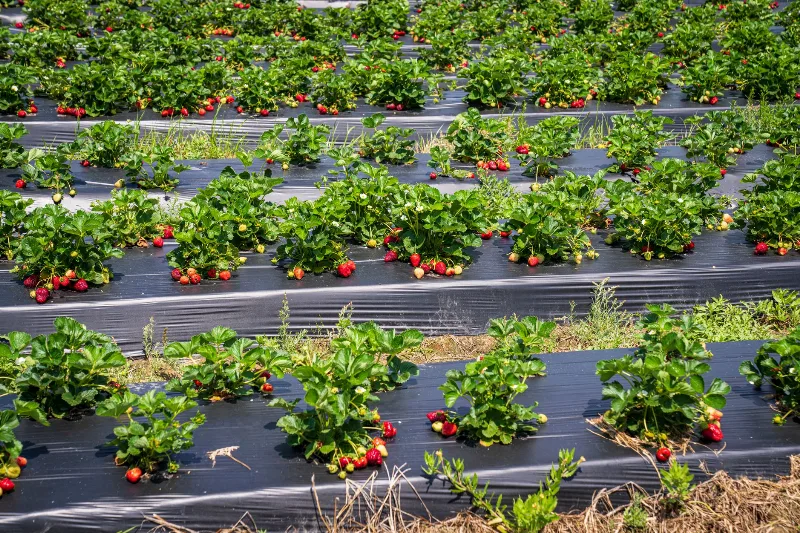
Strawberry Harvest in Silifke, Mersin
Silifke's strawberry harvest is one of Türkiye's earliest, normally running from around February to April on the coastal plain where the Göksu River meets the Mediterranean. The mild winter there pushes the fruit to ripeness weeks ahead of most other growing regions.
Kızkalesi Maiden's Castle and Coastal Legend in Mersin
Kızkalesi is a small island castle off the Mersin coast, known for its medieval stone walls and the tragic legend of a king's daughter. The surrounding area preserves traces of ancient Korykos and Mediterranean coastal life.
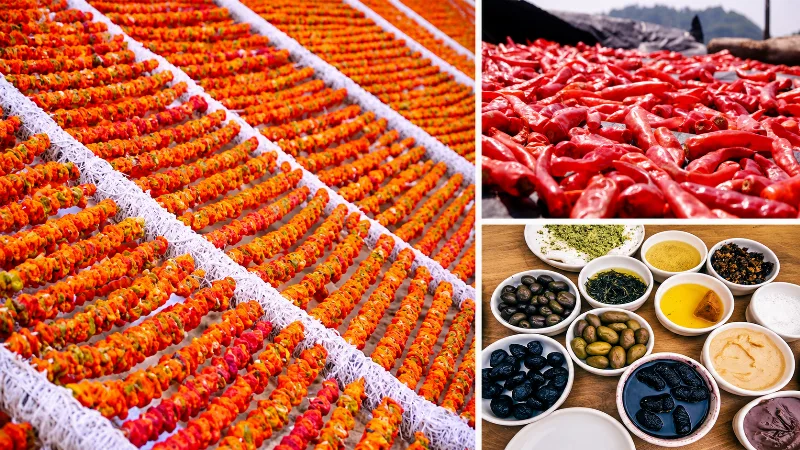
Why Turkish Food Changes from Region to Region
Climate, geography, agriculture and local history shape the ingredients, cooking methods and everyday dishes found across Türkiye. Türkiye’s cuisine is often described as a single national tradition, but food changes considerably from one region to another. Coastal climate, mountain geography, agricultural production, local history and available ingredients all influence what is cooked and how meals are prepared. A dish common on the Black Sea coast may be uncommon in southeastern Türkiye, while ingredients associated with the Aegean can play a much smaller role in the interior. These regional differences form one of the main characteristics of Turkish food culture.
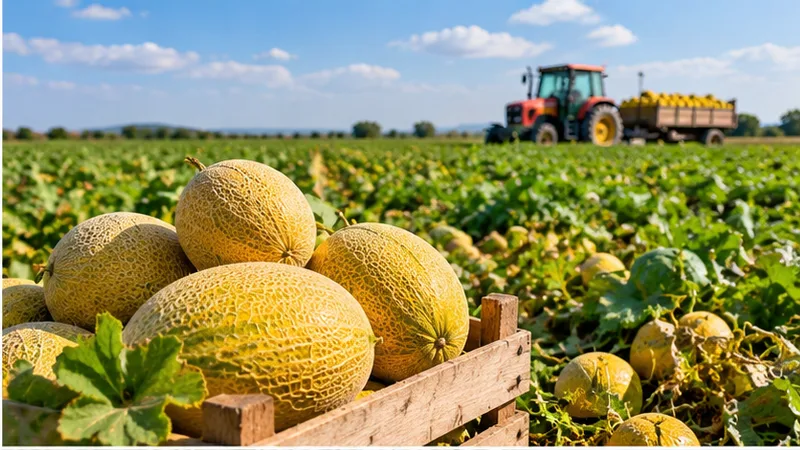
Watermelon Harvest in Adana
The watermelon harvest in Adana, Turkey, takes place in July and August. The region's hot climate and fertile soil produce exceptionally sweet, large watermelons, making this a distinctive seasonal event in the Çukurova Plain.

Mediterranean Region
Türkiye's Mediterranean Region combines turquoise coastlines, dramatic mountains, ancient cities and fertile landscapes. From Antalya's beautiful beaches to the historic settlements of the eastern Mediterranean, the region offers a rich blend of natural scenery, cultural heritage and traditional local life.

Tantuni
Tantuni is a traditional Turkish street food from Mersin, made with finely chopped beef sautéed with onions, tomatoes, and spices, then wrapped in lavash. It is known for its juicy, flavorful filling and is a staple of Mersin's culinary culture.