
Villages
Small settlements, traditional architecture and rural landscapes across Türkiye.
Villages across Türkiye reflect the geography, climate, building materials and agricultural traditions of the regions in which they developed. Their physical appearance can change dramatically between the Aegean coast, Black Sea mountains, Central Anatolian plateaus and eastern highlands.
In western Türkiye, many historic villages contain stone houses, whitewashed walls, tiled roofs, courtyards, narrow streets and terraced gardens. Olive groves, vineyards, orchards and agricultural fields often surround these settlements. Şirince, Adatepe and other villages in the Aegean region retain examples of traditional architecture adapted to hillsides and local building materials.
Cumalıkızık near Bursa presents a different architectural tradition, with timber-framed houses, narrow stone streets and a compact settlement form developed along the lower slopes of Uludağ. Its buildings reflect construction techniques and settlement patterns associated with the Ottoman period.
In the Black Sea region, villages are frequently distributed across steep slopes rather than gathered into a tightly concentrated centre. High rainfall and dense vegetation influence both architecture and land use. Timber, stone and mixed construction techniques are common, while houses may be surrounded by tea gardens, hazelnut orchards, vegetable plots and forest.
Highland settlements, known as yaylas, form another distinctive type of rural environment. These settlements are found in mountain regions where communities traditionally used high-altitude pasture during warmer months. Buildings are generally adapted to colder temperatures and exposed conditions, and surrounding landscapes include alpine meadows, mountain streams and forest edges.
Central Anatolian villages developed in a drier climate dominated by broad agricultural plains and plateaus. Traditional architecture often made use of stone, timber or earth-based materials depending on local availability. Grain production, animal husbandry and seasonal agricultural rhythms strongly influenced village organization.
Eastern and southeastern villages reflect another range of climatic and geological conditions. Stone construction is common in some districts, while settlements may occupy valley floors, mountain slopes or high plateaus. Traditional homes, agricultural terraces and livestock areas are often integrated into the surrounding landscape.
Village architecture can include fountains, mosques, communal ovens, bridges, mills, granaries and small public squares. In agricultural regions, the surrounding fields and orchards are often as important to the visual character of the village as the houses themselves.
Although modern construction, transportation and migration have altered many settlements, traditional buildings and older street patterns remain visible in numerous regions. Villages continue to provide a clear record of how communities adapted their architecture, agriculture and daily life to local geography.
Seasonal experiences
All Seasons →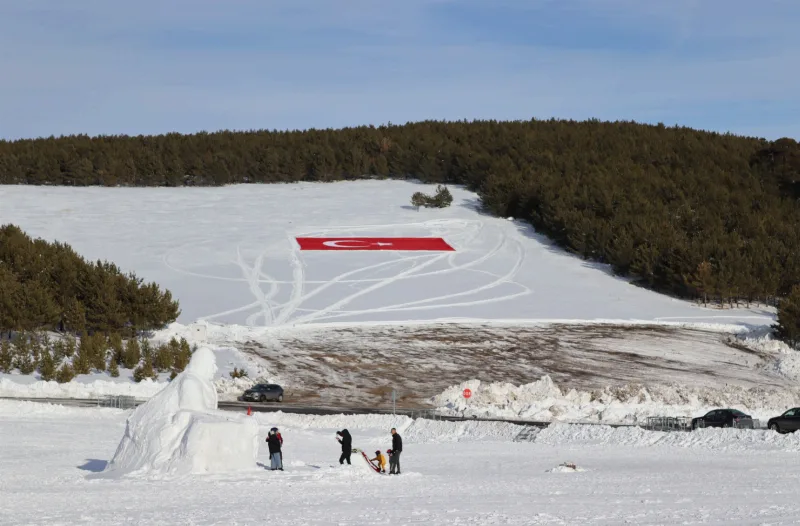
Winter in Sarıkamış, Kars
Sarıkamış in Kars is known for its crystal snow and a winter season that typically runs from December to March. The ski terrain sits among pine forests, and the district also carries a heavy historical legacy.
Explore →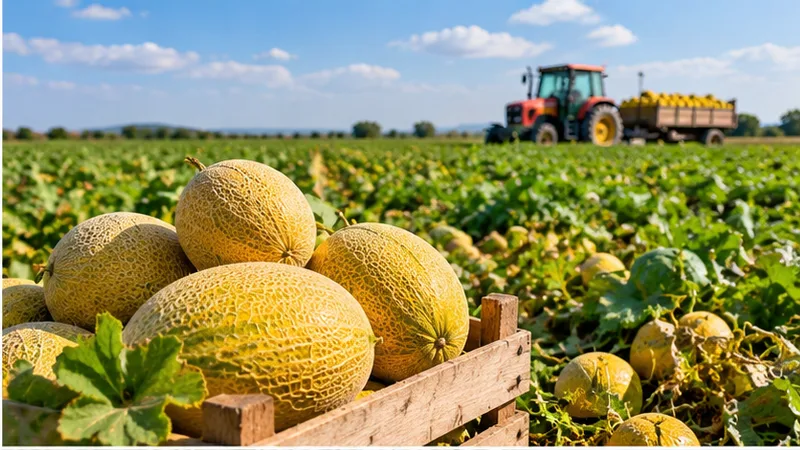
Melon Harvest in Konya
Konya's melon harvest normally takes place in August, when hot, dry summer conditions bring the fruit to peak sweetness. The timing can shift with weather, but the main harvest is a working agricultural season across the Konya Plain.
Explore →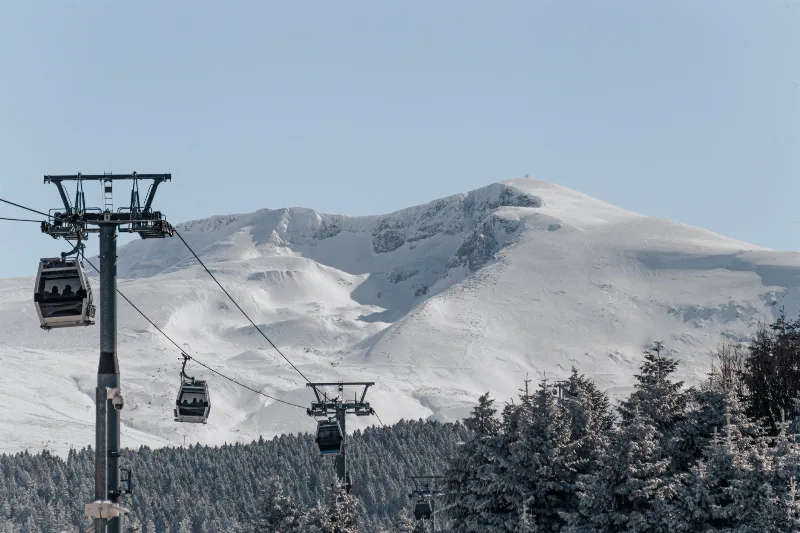
Autumn in Uludağ, Bursa
Uludağ's forests turn gold and copper between roughly late September and early November, with the colour moving down the slopes as temperatures drop. The timing depends heavily on how quickly autumn cold arrives that year.
Explore →Related content
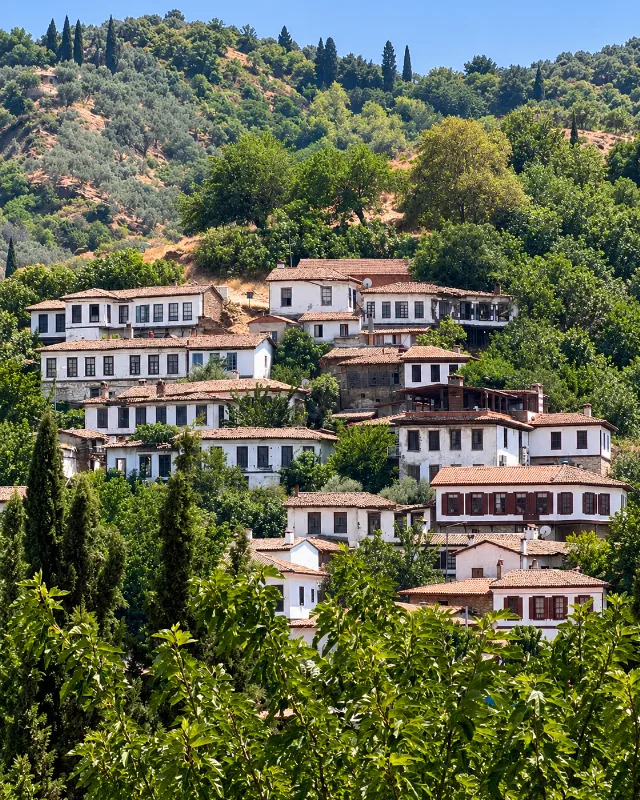
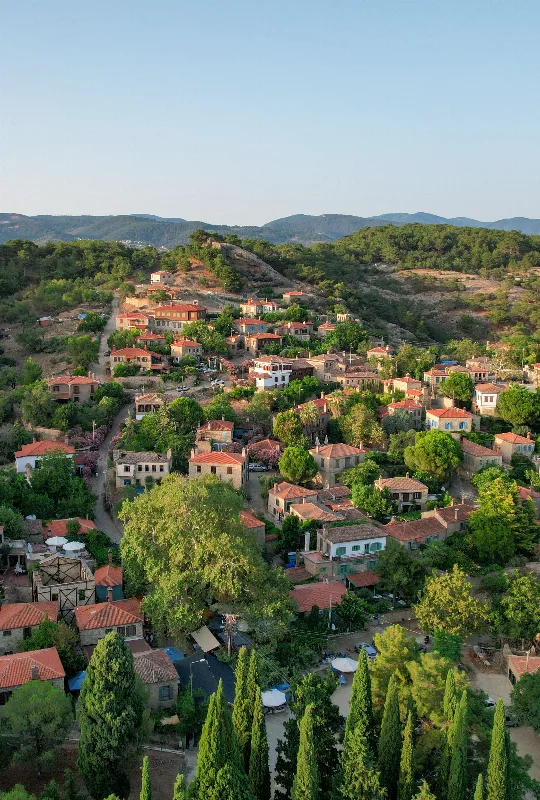
Şirince
Şirince is a hillside village in İzmir's Selçuk district, known for fruit wine, surviving Greek Orthodox buildings and whitewashed houses with terracotta roofs that climb a slope above the plain.
Adatepe
Adatepe is a stone-built mountain village in the Ayvacık district of Çanakkale, set on the Aegean slopes of Kazdağı above Küçükkuyu, known for its preserved stone houses, olive groves and the Zeus Altar viewpoint overlooking the Gulf of Edremit.
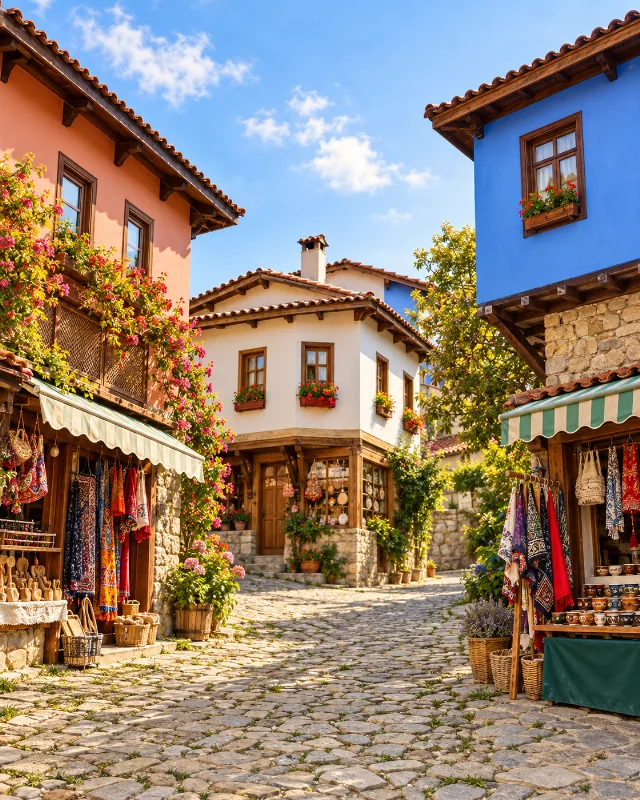
Cumalıkızık
Cumalıkızık is a historic Ottoman village in Bursa, Turkey, known for its well-preserved houses and cobblestone streets. It is part of the UNESCO World Heritage Site 'Bursa and Cumalıkızık: the Birth of the Ottoman Empire'.
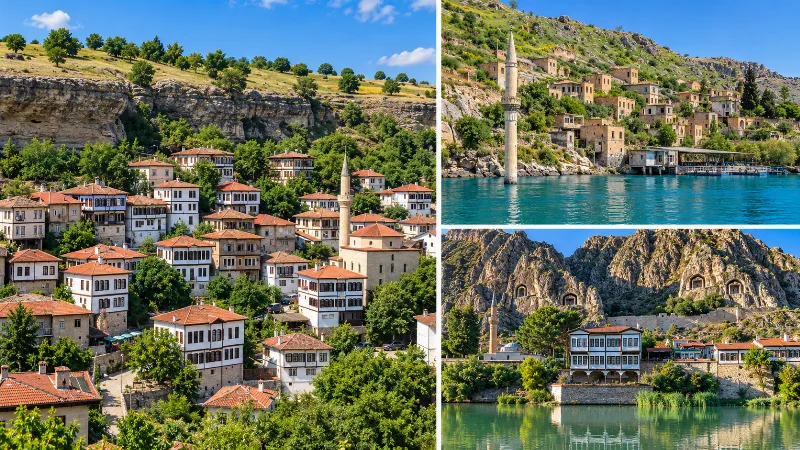
Exploring Turkey Beyond the Best-Known Destinations
A look beyond Turkey’s most famous destinations to smaller towns, villages, coastlines, highlands and historic landscapes across the country.
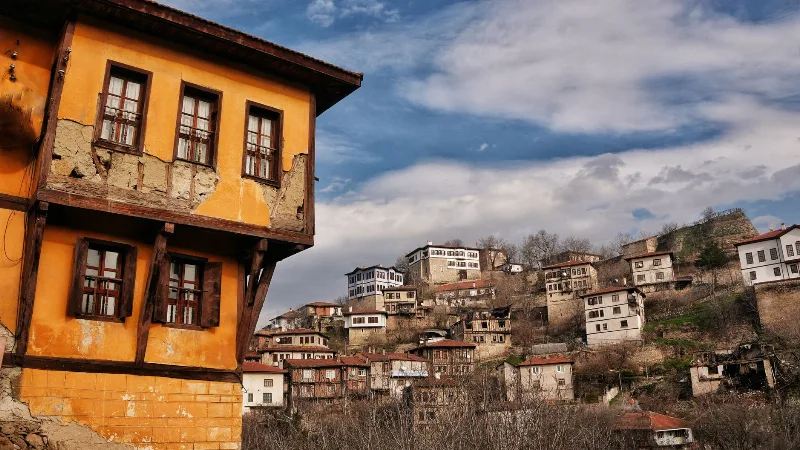
Traditional Villages of Türkiye
Türkiye's traditional villages blend stone houses, timber balconies and seasonal customs into landscapes that reveal the country's rural heritage.
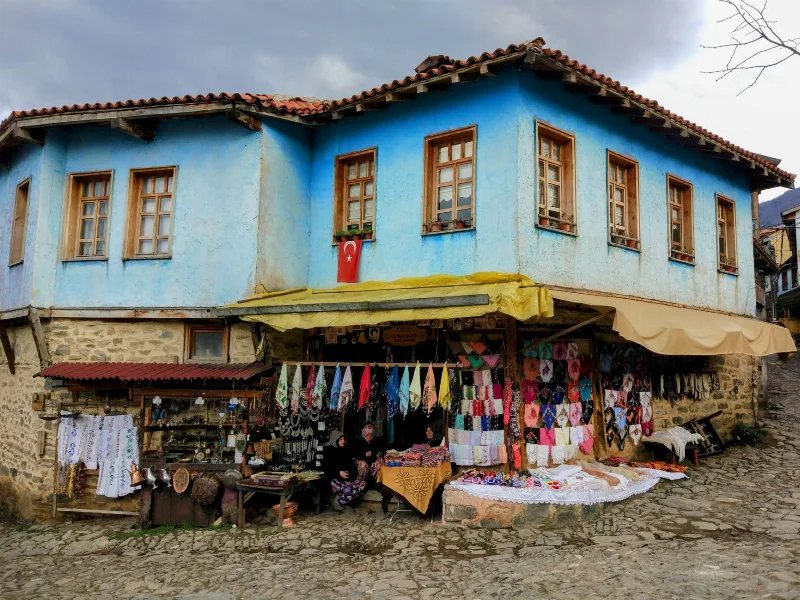
The Ottoman Village of Cumalıkızık Near Bursa
Cumalıkızık, a preserved Ottoman village on the slopes of Uludağ near Bursa, is known for its cobblestone lanes, painted historic houses and long-standing rural traditions that continue today.