
Cumalıkızık
Cumalıkızık is a historic Ottoman village in Bursa, Turkey, known for its well-preserved houses and cobblestone streets. It is part of the UNESCO World Heritage Site 'Bursa and Cumalıkızık: the Birth of the Ottoman Empire'.
Cumalıkızık is a historic village in the Yıldırım district of Bursa Province, Turkey. It lies on the northern slopes of Uludağ, east of central Bursa. The village is one of the best-preserved examples of Ottoman rural architecture in the country and has been part of the UNESCO World Heritage Site "Bursa and Cumalıkızık: the Birth of the Ottoman Empire" since 2014. Its narrow cobblestone streets, colorful historic houses, and surrounding orchards give it a distinct character that sets it apart from other villages in the region.
Where is Cumalıkızık Located?
Cumalıkızık is situated in northwestern Anatolia, within the boundaries of Bursa, Turkey's fourth-largest city. Administratively, it belongs to the Yıldırım district, which covers the eastern and northern parts of Bursa. The village sits in a small valley at the foot of Uludağ, a prominent mountain that rises to over 2,500 meters and is a popular destination for winter sports and hiking. The elevation of Cumalıkızık is roughly 300 meters, giving it a mild climate compared to higher parts of the mountain.
The village is surrounded by forested hills, agricultural fields, and orchards, particularly known for chestnut, walnut, and fruit trees. A small stream runs through the settlement, historically used for irrigation and household needs. This combination of mountain, forest, and water has shaped the village's layout and its traditional economy.
Ottoman Architecture and Village Layout
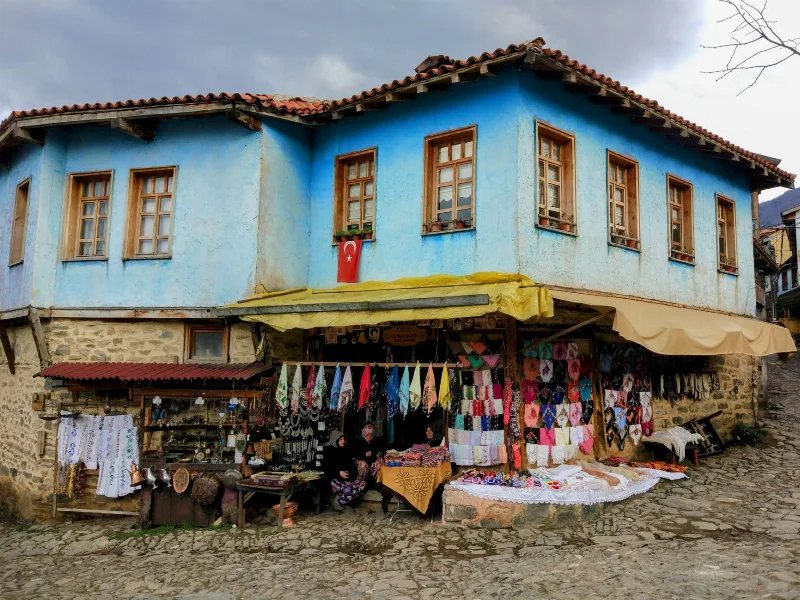
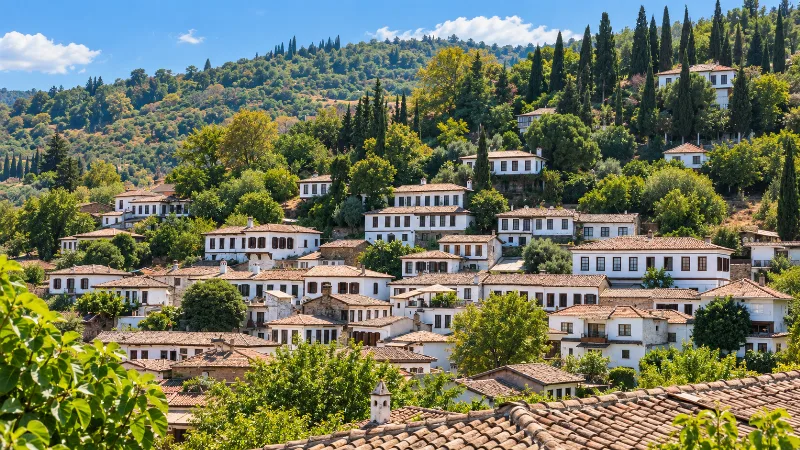
Cumalıkızık is renowned for its traditional Ottoman houses, many of which date back to the 18th and 19th centuries, though the village's origins are older. The houses typically have two or three stories, with a stone foundation, a timber frame, and white plastered walls. A distinctive feature is the colorful painted trim around windows and doors, usually in shades of purple, yellow, blue, and red. This detail is unique to the region and adds to the village's visual identity.
The streets are narrow, winding, and paved with cobblestones. They are often too steep or uneven for vehicles, and some are only accessible on foot. Houses are arranged in a way that respects the natural topography, with many overlooking the valley or facing the stream. Each house usually has a small courtyard, often planted with fruit trees or vegetables. The village center contains a mosque, a fountain, and a public square, which serve as social hubs.
Several houses have been restored and opened to visitors, allowing a look at traditional interiors and daily life from the Ottoman period. However, most buildings remain private residences, and the village is still inhabited year-round.
Historical Background
Cumalıkızık is believed to have been founded in the 14th century during the reign of Orhan Gazi, the second Ottoman ruler. It was established as a vakıf village, meaning its revenues were dedicated to supporting the Orhan Gazi Mosque in Bursa. The name "Cumalıkızık" likely derives from the Kızık tribe of Oghuz Turks, who settled in the area, combined with "Cuma," referring to Friday prayers, as the village may have been a gathering place for Friday worship.
Throughout the Ottoman period, Cumalıkızık functioned as a rural agricultural community, supplying food and goods to Bursa. Its location on the slopes of Uludağ provided access to water, fertile soil, and forest resources. The village remained relatively isolated until the 20th century, which helped preserve its original architecture and layout. In 2014, it was inscribed as a UNESCO World Heritage Site along with several other historic areas in Bursa, recognizing its importance as an early Ottoman settlement.
What to See While Walking Around
A walk through Cumalıkızık reveals the details of Ottoman rural life. Start at the village square, where you can see the historic mosque, which has a simple stone minaret and a wooden interior. Nearby, a traditional fountain still provides water, and you might see locals collecting it. From there, wander along the cobblestone paths, noting the variety of house designs, some with bay windows and others with open balconies.
The village is also known for its natural surroundings. Orchards and gardens are interspersed with houses, and the stream creates a peaceful atmosphere. Several viewpoints offer panoramic views of the valley and the slopes of Uludağ. In spring, the area is green and blooming, while autumn brings colorful foliage. The uneven terrain means you should watch your step, but it also gives the village an authentic, unspoiled feel.
Some restored houses are open to visitors and display traditional clothing, household items, and tools. They provide insight into the daily life of the village's past. Even without entering them, the exterior architecture and street layout are the main attractions.
How to Reach Cumalıkızık
Cumalıkızık is easily accessible from Bursa, which itself is well-connected by road, rail, and air. From the city center, the village is reached by a road that climbs towards the lower slopes of Uludağ. Public minibuses (dolmuş) connect central Bursa with Cumalıkızık, and taxis are another option. Once you arrive, you will enter the village on foot, as the narrow streets are not designed for vehicle traffic.
Best Time to Visit
The ideal seasons to visit Cumalıkızık are spring (April to May) and autumn (September to October). During these months, the weather is mild, and the surrounding landscape is at its most attractive, with blooming trees in spring and colorful leaves in autumn. Summers (June to August) can be hot and humid, and the cobblestones may radiate heat. Winters (December to February) are cold and sometimes snowy, which can make walking slippery, though the village looks particularly atmospheric under a light dusting of snow.
Weekdays are generally quieter than weekends, when local and international tourists visit. Early mornings are a good time to experience the village at a slower pace before the day-trippers arrive.
Practical Information for Visitors
Wear comfortable walking shoes with good grip, as the cobblestone streets are uneven and can be slippery when wet. Bring water, especially in summer. The village is a living community, so respect the privacy of residents and avoid entering private property without permission. Photography is allowed, but be mindful of people's homes.
Most visitors come as a day trip from Bursa, and the village is best explored on foot over the course of a few hours.
Nearby Places of Interest
Cumalıkızık is close to several other attractions in Bursa. The city center itself is home to numerous Ottoman monuments, including the Grand Mosque (Ulu Cami), the Green Mosque (Yeşil Camii), and the Emir Sultan Mosque. These can be visited on the same day. Uludağ National Park, a short drive from the village, offers hiking trails, picnic areas, and in winter, ski resorts. The other Kızık villages, such as Derekızık and Hamamlıkızık, are nearby and share a similar history, though they are less developed for tourism. These villages can be explored if you want to understand the broader context of early Ottoman settlement in the region.
From the land
Find All →
Elazığ Apricots
Elazığ apricots are a regional apricot product from eastern Türkiye, valued for their juicy, flavorful fruit. The province’s climate and fertile soils support both fresh use and traditional drying.
Explore →
Niğde Potatoes
Grown on the high, dry plains of Niğde province in central Türkiye, Niğde potatoes are known for their firm texture and high starch content. Cool nights, sunny summer days and light sandy soils shape the character of this regional crop.
Explore →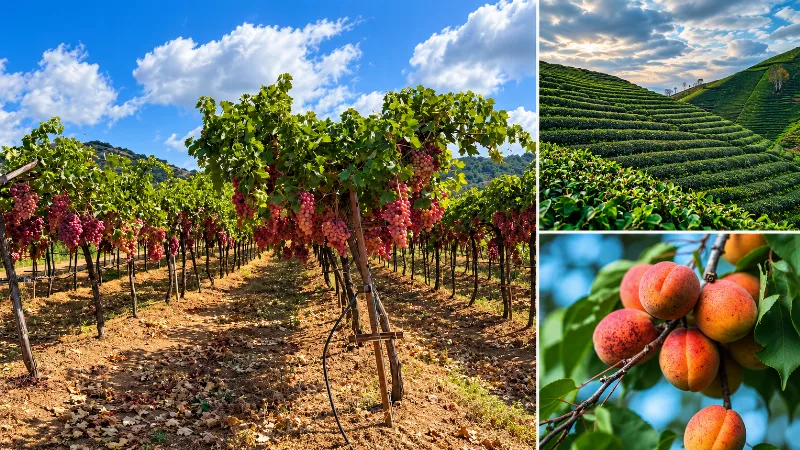
Malatya Apricots
Malatya apricots are the apricots grown in the upper Euphrates basin of eastern Türkiye, where cold winters and hot, dry summers shape the fruit that is mostly dried and traded far beyond the province.
Explore →Related content
Bursa
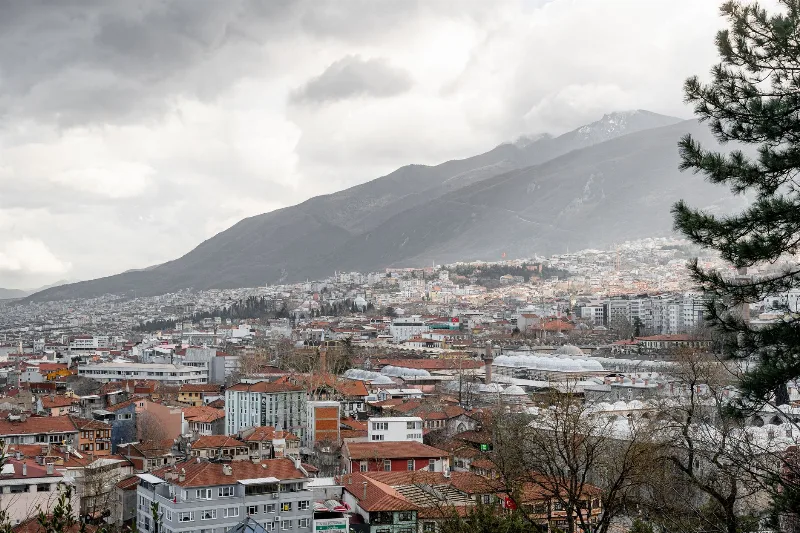
Bursa is a major metropolitan city in northwestern Türkiye and the first great capital of the Ottoman Empire, known for its silk heritage, thermal springs and the mountain of Uludağ rising directly behind it.
The Ottoman Village of Cumalıkızık Near Bursa
Cumalıkızık, a preserved Ottoman village on the slopes of Uludağ near Bursa, is known for its cobblestone lanes, painted historic houses and long-standing rural traditions that continue today.
3-Day Istanbul to Bursa Route
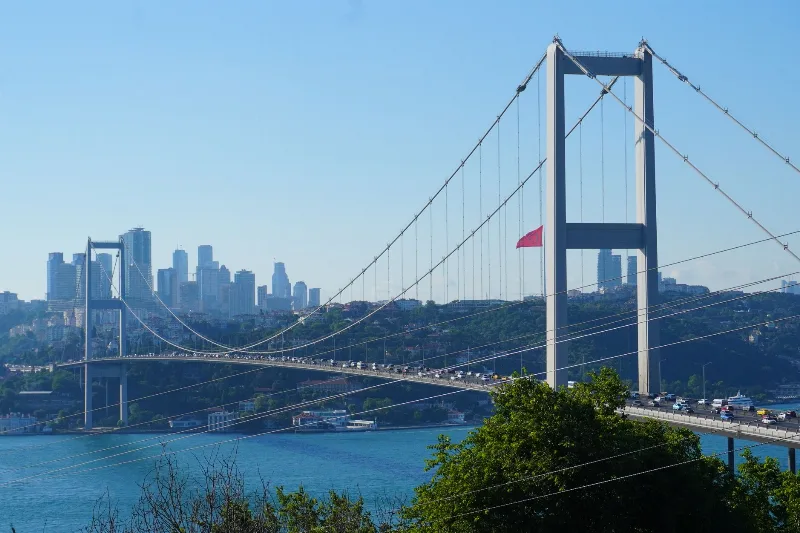
Explore the first Ottoman capital on a three-day route from Istanbul to Bursa, combining historic city sites, the mountain landscapes of Uludağ, and the preserved village of Cumalıkızık.
2-Day Bursa and Uludağ Route
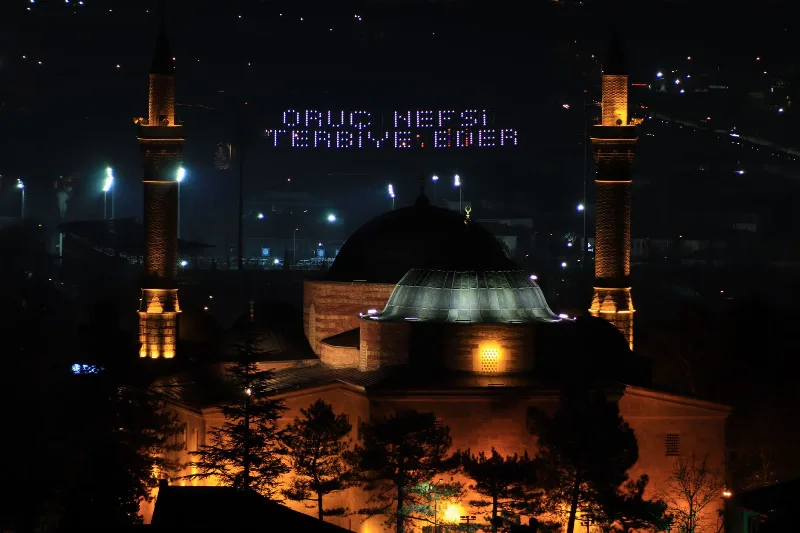
A two-day route through Bursa's Ottoman monuments and up to the Uludağ National Park by cable car, combining city walking with mountain hiking or skiing.
Mount Uludağ
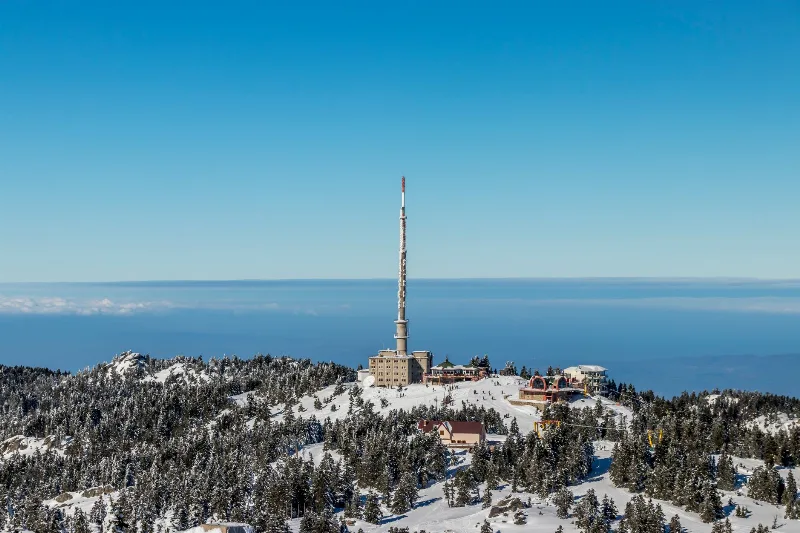
Mount Uludağ is a granite massif rising above Bursa in north-western Türkiye, topped by a 2,543-metre summit and protected as one of the country's oldest national parks. Its forest belts, high meadows, glacial landforms and long snow season shape both its landscape and the way it is visited.
Villages
Small settlements, traditional architecture and rural landscapes across Türkiye.