
2-Day Bursa and Uludağ Route
A two-day route through Bursa's Ottoman monuments and up to the Uludağ National Park by cable car, combining city walking with mountain hiking or skiing.
This two-day route begins in the historic centre of Bursa, in north-western Türkiye, and finishes on the slopes of Uludağ, the mountain that rises directly to the south of the city. Day one stays inside Bursa's Ottoman core; day two moves upward into the Uludağ National Park, using the cable car to climb from the lower edge of the city toward the mountain's upper stations. The route is linear rather than circular, it involves a moderate amount of city walking and a short mountain transfer, and it suits travellers who want an urban historic day followed by a full day outdoors.
The whole journey fits comfortably into a long weekend. It works for drivers, for those relying on local transport in the city, and for anyone happy to combine the cable car with walking. The two halves contrast sharply: dense, stone-built streets and covered markets on the first day, open alpine meadows, rock and pine on the second.
Day 1: Bursa's Ottoman Core
The day begins in central Bursa, around the bazaar district, where most of the historic monuments sit within walking distance of one another. Start at the Grand Mosque, the large multi-domed congregational mosque at the heart of the old city, then step into the surrounding covered bazaar and the neighbouring hans. The Koza Han, historically linked to the silk trade that shaped Bursa's economy, is part of the same compact area and fits naturally into the morning's walk.
From there, continue east and slightly uphill toward the Green Tomb and the complex that surrounds it, one of the clearest expressions of early Ottoman architecture in the city. The same direction brings you to Emir Sultan and the ridges above the centre, passing through neighbourhoods that climb toward the slopes of Uludağ. This eastward and upward movement is deliberate: it follows the way the city itself is laid out, with the oldest quarters arranged along the lower flanks of the mountain.
The afternoon is best spent in the western part of the historic centre, around the Muradiye Complex, whose gardens and tombs form a quieter contrast to the bazaar. If time and energy allow, the village of Cumalıkızık, east of the city on the lower slopes of Uludağ, makes a logical extension of the day, since it sits in the same direction as the mountain you will climb the following morning. Its preserved Ottoman houses belong to the Villages & Small Towns and Historic Places categories and are a natural stopping point before the route turns to the mountain.
End the day back in central Bursa. The progression is simple: bazaar and mosques in the morning, tombs and complexes in the afternoon, with the foothills of Uludağ always visible to the south as a hint of the next stage.
Day 2: Uludağ National Park
The second day moves from the city edge up to Uludağ, using the cable car that connects the lower station area with the upper mountain stations. The ascent replaces the streets of Bursa with forest, then with open, higher ground inside the Uludağ National Park. As the cable car rises, the city unfolds below and the landscape changes from dense woodland to the more exposed terrain of the upper slopes.
Once at the upper stations, the day can be shaped around the season. In the warmer months, marked walking paths lead across meadows and rocky ground, giving access to the national park's open scenery and cooler air. In winter, the same area becomes a skiing zone, with snow covering the upper slopes and lifts serving the runs. The cable car therefore serves both versions of the day, and the choice between hiking and skiing depends almost entirely on the time of year.
The day's stops fit together because they belong to a single mountain system. Rather than scattering visits across the region, the route stays within the national park, moving between the cable car stations, the walking terrain or ski area, and the viewpoints over Bursa. Allow time to descend the same way, since the cable car is the practical link back to the city, and the route effectively ends where it began, at the base of the mountain.
When to Go and How the Route Works
Spring and autumn are the most comfortable seasons for the city day, when walking through the bazaar and the historic quarters is pleasant and the mountain is still accessible without deep snow. Summer brings heat to Bursa and welcome coolness to the higher parts of Uludağ. Winter changes the character of the second day completely, turning it into a snow and ski experience, and upper mountain conditions can restrict walking routes.
Expect a real geographical transition between the two days. Day one is flat to gently sloping urban ground, easily covered on foot with occasional short local transport. Day two involves altitude, cooler temperatures and a cable car ascent, followed by walking on uneven mountain terrain. A car is useful for reaching the cable car base and for anyone extending the trip toward Cumalıkızık, but it is not required for the city day, and the mountain day depends on the cable car rather than on driving. Travellers should treat the route as two connected but distinct experiences: an Ottoman city, then an alpine national park right above it.
Remarkable Places
See all places →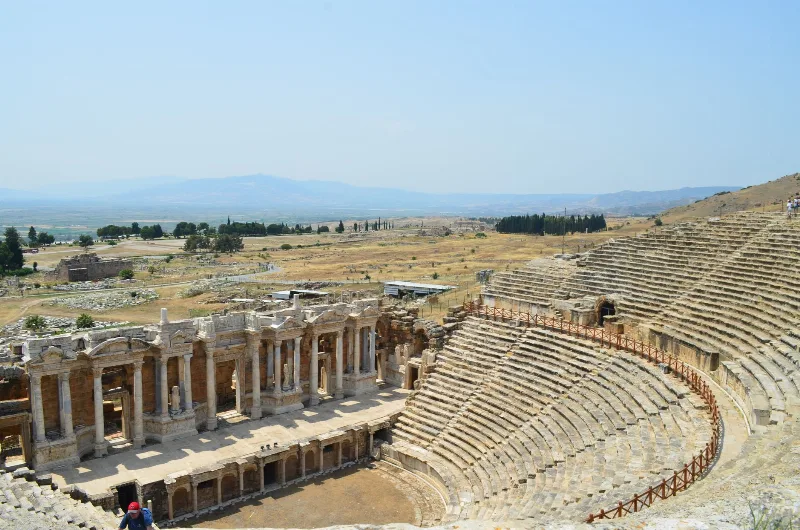
Letoon
Letoon is a Lycian sanctuary near Xanthos in Muğla Province, dedicated to Leto, Artemis and Apollo. Its three temples, theatre and trilingual inscription make it one of southwestern Turkey’s most significant archaeological sites.
Explore →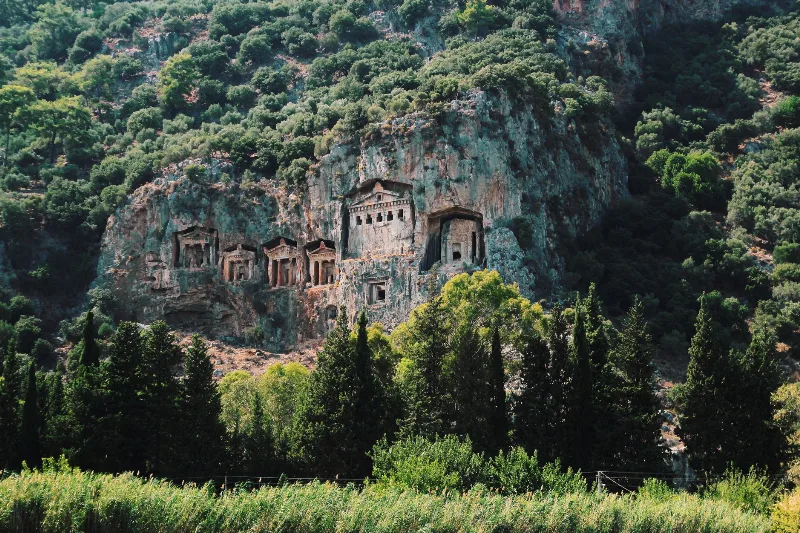
Kaunos
Kaunos is an ancient Carian city on the Dalyan River in Muğla Province, known for its temple-style rock-cut tombs and the extensive ruins of a harbour that silted up centuries ago.
Explore →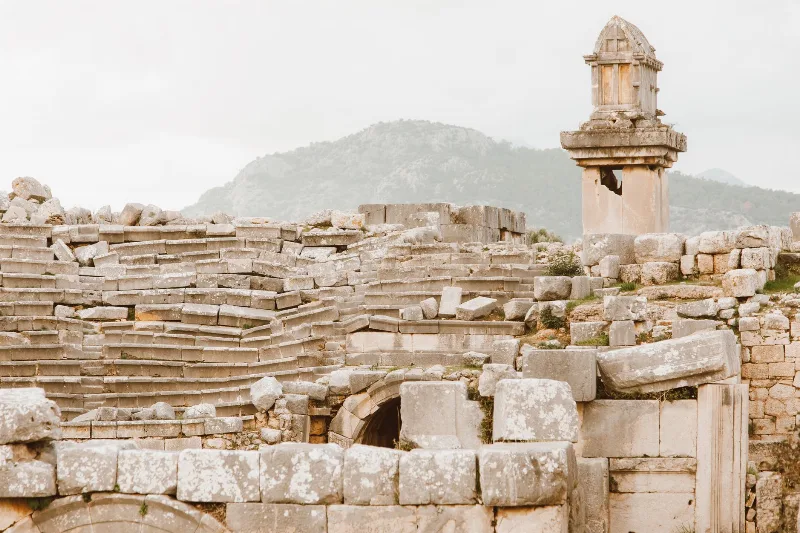
Xanthos
Xanthos is an ancient Lycian city in Antalya Province and a UNESCO World Heritage Site, known for its Lycian tombs, Roman theatre and role as a leading city of Lycia.
Explore →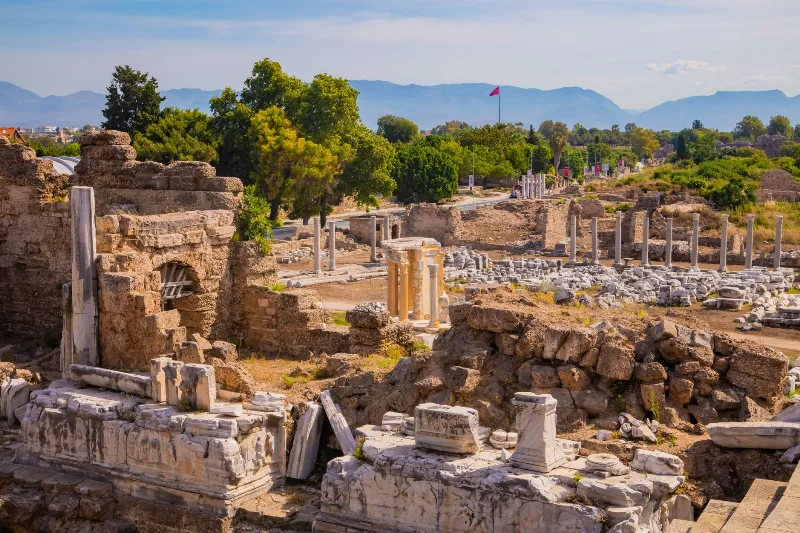
Phaselis
Phaselis is a Rhodian-founded port city on the eastern Lycian coast, where paved streets, agoras, baths and a small theatre stand among pines between three sheltered bays.
Explore →Related content
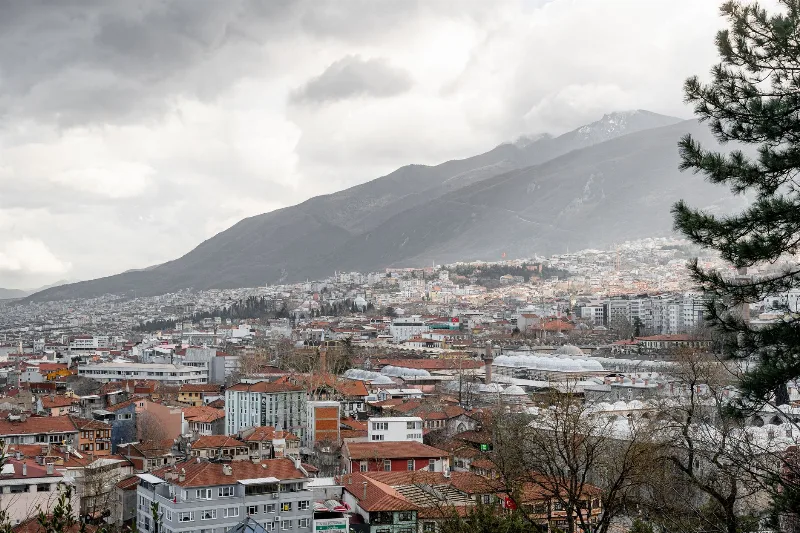
Bursa
Bursa is a major metropolitan city in northwestern Türkiye and the first great capital of the Ottoman Empire, known for its silk heritage, thermal springs and the mountain of Uludağ rising directly behind it.
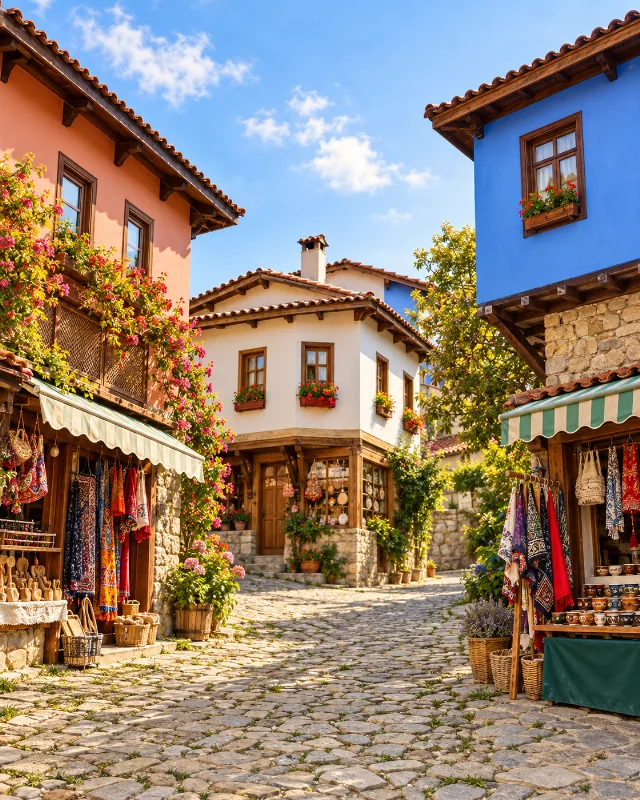
Cumalıkızık
Cumalıkızık is a historic Ottoman village in Bursa, Turkey, known for its well-preserved houses and cobblestone streets. It is part of the UNESCO World Heritage Site 'Bursa and Cumalıkızık: the Birth of the Ottoman Empire'.
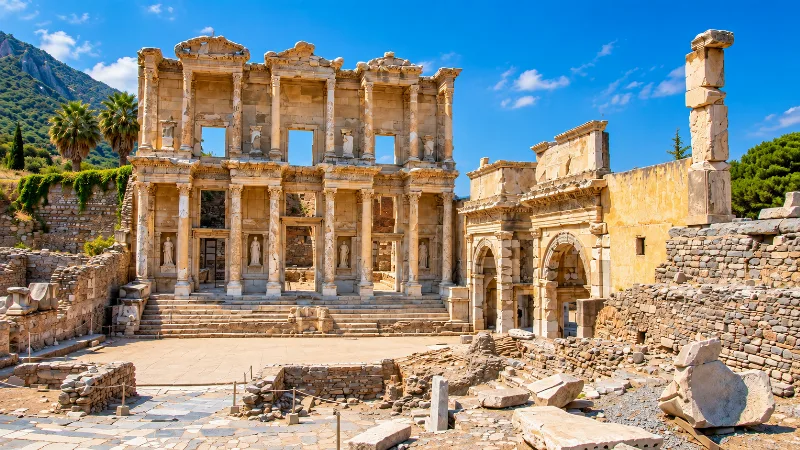
Historic Places
Ancient cities, monuments, castles and archaeological sites across Türkiye.
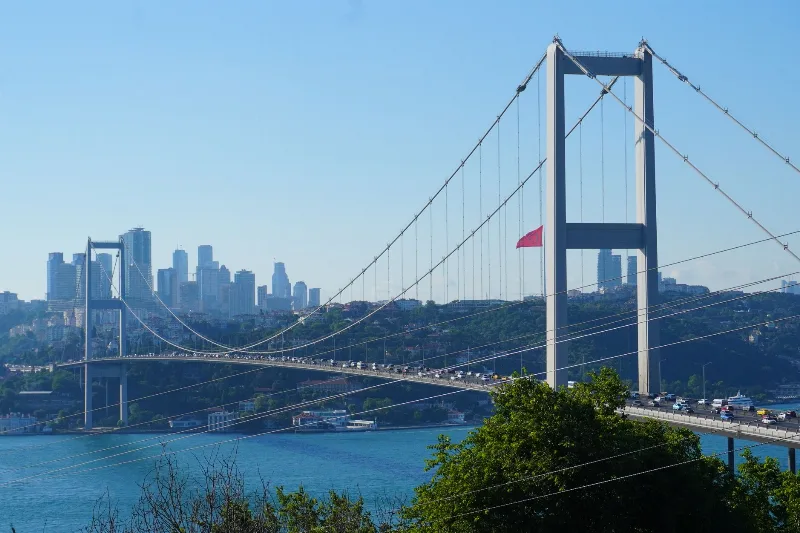
3-Day Istanbul to Bursa Route
Explore the first Ottoman capital on a three-day route from Istanbul to Bursa, combining historic city sites, the mountain landscapes of Uludağ, and the preserved village of Cumalıkızık.
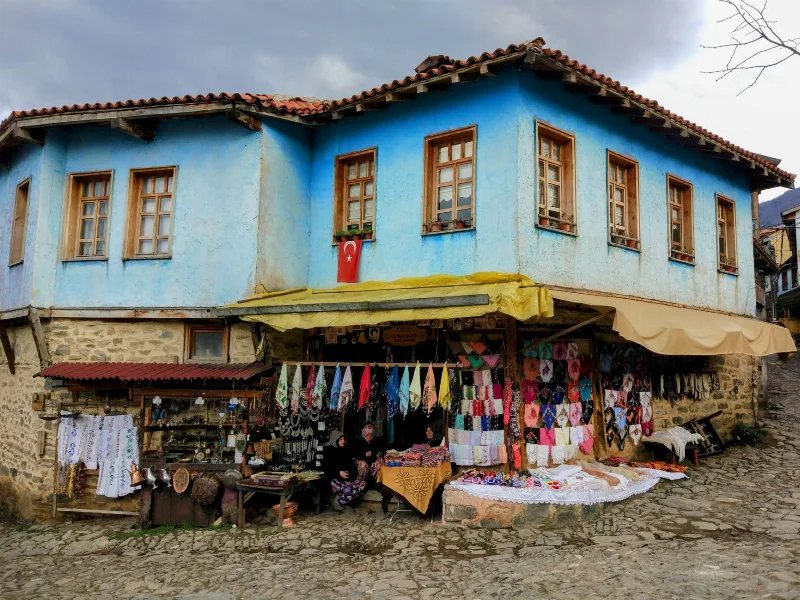
The Ottoman Village of Cumalıkızık Near Bursa
Cumalıkızık, a preserved Ottoman village on the slopes of Uludağ near Bursa, is known for its cobblestone lanes, painted historic houses and long-standing rural traditions that continue today.
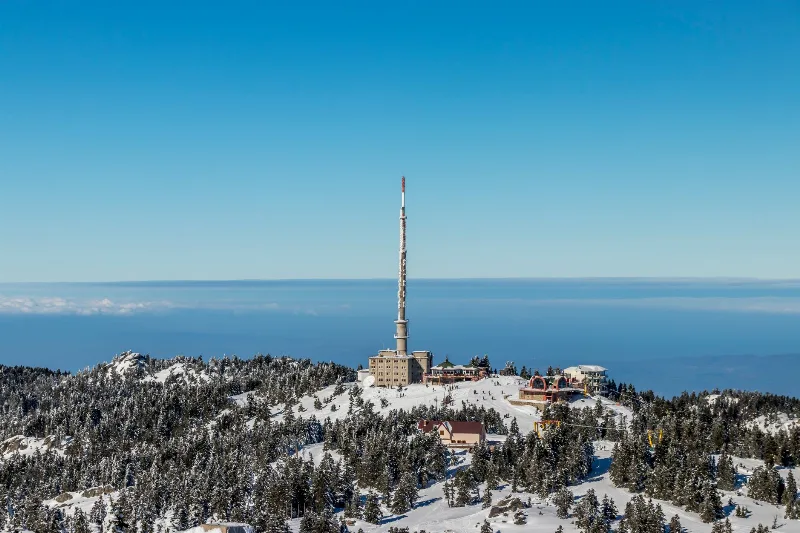
Mount Uludağ
Mount Uludağ is a granite massif rising above Bursa in north-western Türkiye, topped by a 2,543-metre summit and protected as one of the country's oldest national parks. Its forest belts, high meadows, glacial landforms and long snow season shape both its landscape and the way it is visited.