
Historic Places
Ancient cities, monuments, castles and archaeological sites across Türkiye.
Türkiye contains an exceptionally dense record of human settlement extending from prehistoric communities to the cities, monuments and architectural traditions of later historical periods. Across Anatolia and Thrace, archaeological sites, ancient cities, fortifications, religious buildings, palaces, caravanserais, bridges, tombs, theatres, baths and traditional urban districts preserve evidence of societies that developed in the region over thousands of years.
Prehistoric sites form one of the earliest layers of this history. Göbeklitepe near Şanlıurfa contains monumental stone structures dating to the early Neolithic period, while Çatalhöyük in Central Anatolia preserves the remains of a large prehistoric settlement. These sites provide evidence of early sedentary communities, ritual activity, architecture and changing patterns of social organization.
Later Anatolian civilizations established major political and cultural centres across the region. Hattuşa served as the capital of the Hittite Empire and contains city walls, monumental gates, temple complexes and archaeological remains spread across a large landscape. In western Anatolia, settlements associated with Lydian, Greek and Roman periods developed into major urban centres connected by trade routes and regional networks.
Ephesus preserves one of the most extensive ancient urban landscapes in western Türkiye. Its remains include monumental streets, public buildings, temples, baths, theatres and the façade of the Library of Celsus. Pergamon, Aphrodisias, Perge, Side, Aspendos, Hierapolis and other ancient cities contain theatres, stadiums, temples, agora areas, fountains and civic structures that illustrate different forms of classical and Roman urban life.
Troy in northwestern Anatolia consists of multiple settlement layers built successively over a long period. Mount Nemrut in southeastern Türkiye preserves monumental stone heads, statues and a royal sanctuary associated with the Kingdom of Commagene. In eastern Anatolia, Urartian fortresses, rock-cut structures and archaeological remains reflect another major historical tradition.
The Byzantine period left churches, monasteries, cisterns, city walls and religious complexes in many regions. Cappadocia contains rock-cut churches, monasteries, underground spaces and settlements carved into volcanic formations. Istanbul preserves major Byzantine monuments alongside later Ottoman architecture.
Seljuk and Ottoman periods added caravanserais, mosques, madrasas, bridges, bazaars, fountains, palaces and civic buildings to the architectural landscape. Cities such as Konya, Bursa, Edirne, Safranbolu, Mardin and Istanbul retain visible elements from different periods of urban development.
Historic places in Türkiye are not confined to isolated archaeological zones. They often appear within modern cities, villages, agricultural landscapes, valleys, mountains and coastlines. In many locations, several historical periods exist within the same geographic area, creating a layered record of settlement, architecture, trade, religion and political history.
Seasonal experiences
All Seasons →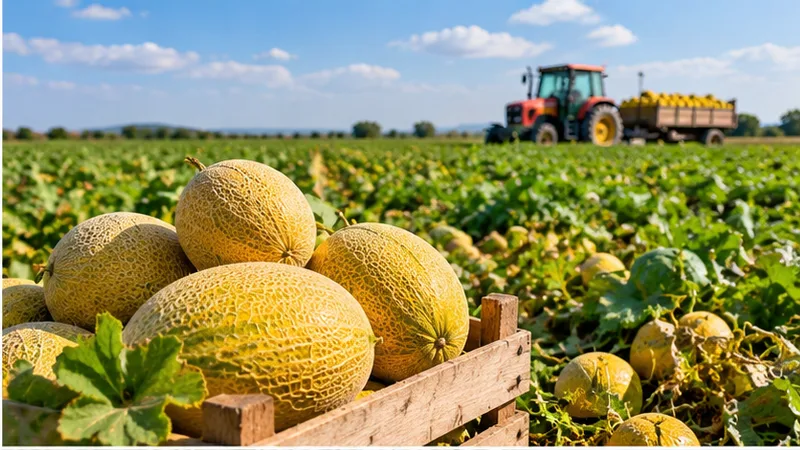
Melon Harvest in Konya
Konya's melon harvest normally takes place in August, when hot, dry summer conditions bring the fruit to peak sweetness. The timing can shift with weather, but the main harvest is a working agricultural season across the Konya Plain.
Explore →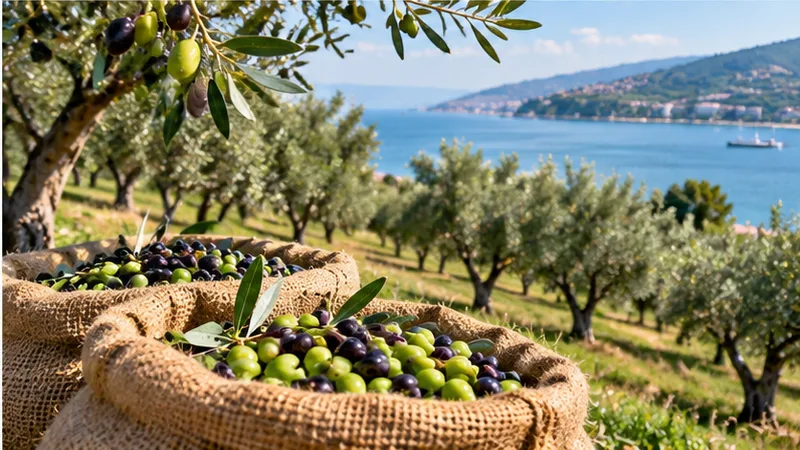
Olive Harvest in Gemlik, Bursa
Each winter, the groves around Gemlik on the Sea of Marmara are stripped of their small dark olives, and the fruit is turned into table olives and oil within days of picking. The harvest normally runs from November into January, and its exact timing depends heavily on how the autumn weather unfolds.
Explore →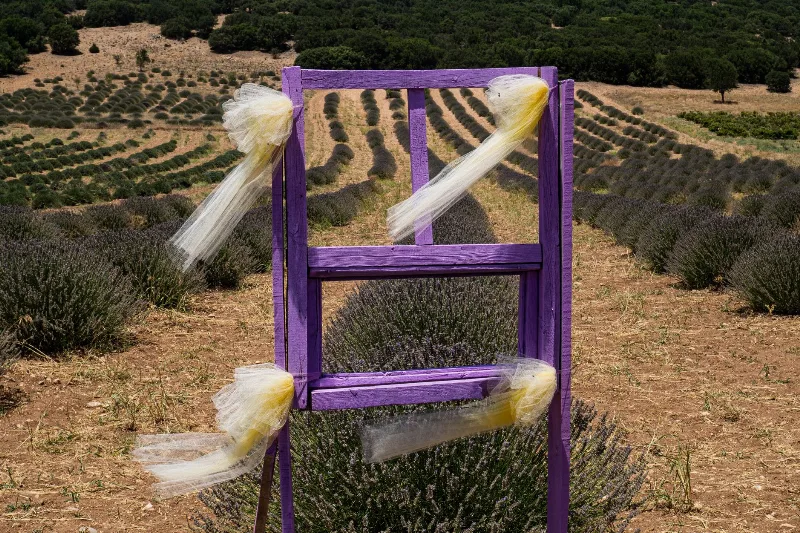
Lavender Bloom in Kuyucak, Isparta
Each summer the village of Kuyucak in Isparta province turns purple as its lavender fields come into full flower, usually from July into August. The bloom is short, weather-dependent, and tied directly to the harvest that follows it.
Explore →Related content
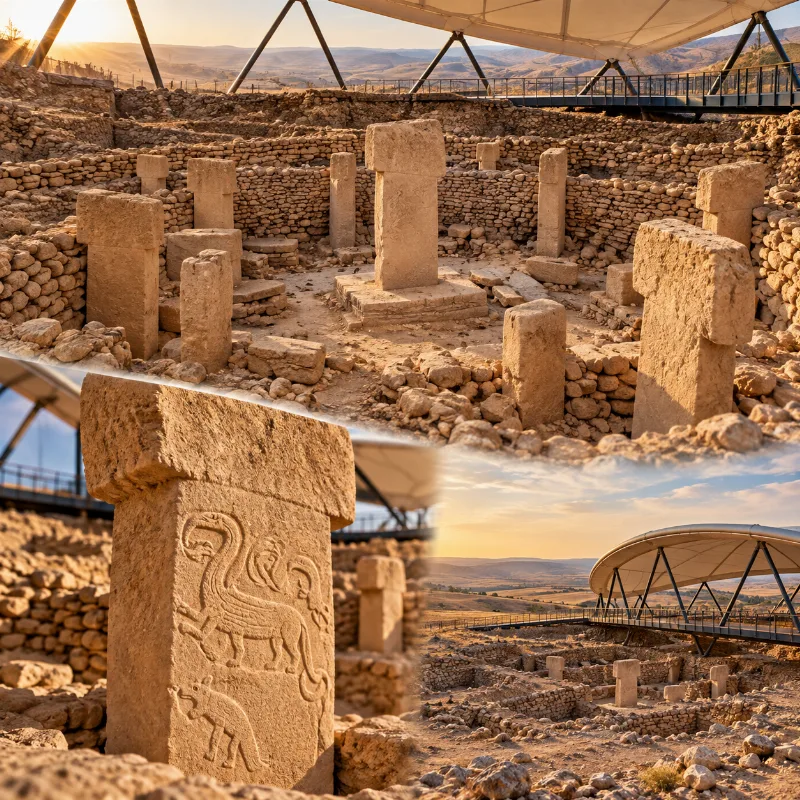
Göbeklitepe
A major Neolithic archaeological site near Şanlıurfa, known for its monumental stone enclosures and carved T-shaped pillars.
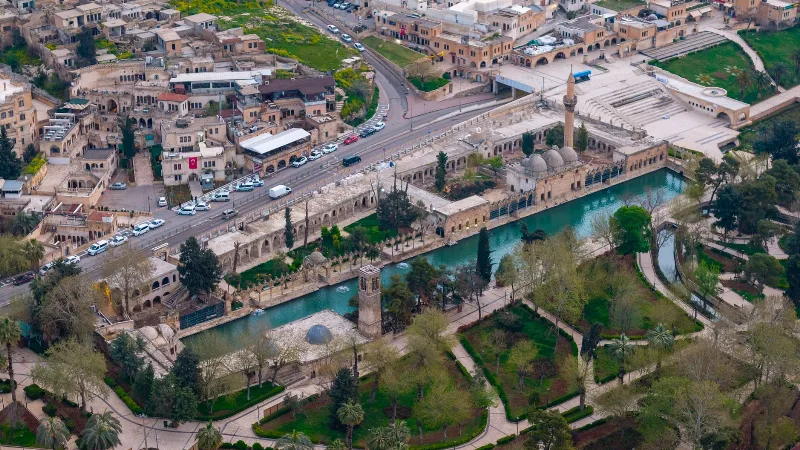
Şanlıurfa
Şanlıurfa, commonly called Urfa, is a large city in southeastern Türkiye and the capital of its province. It is known both as a place tied to the tradition of the Prophet Abraham and as the gateway to Göbekli Tepe, one of the oldest monumental sites ever found.
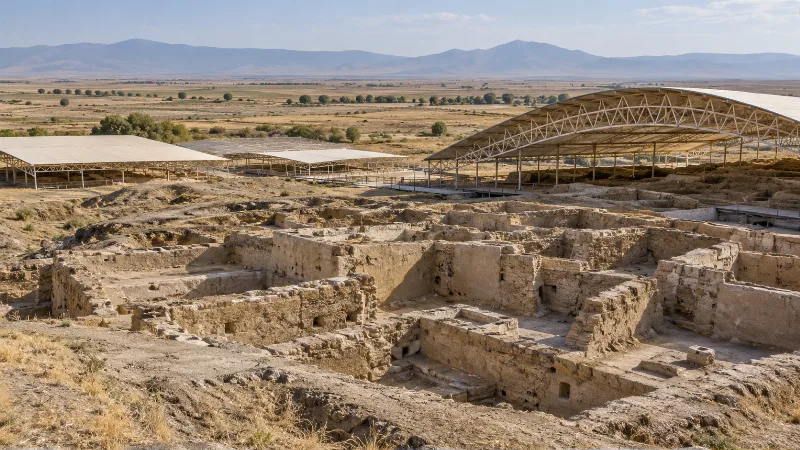
Çatalhöyük
Çatalhöyük is a Neolithic and Chalcolithic settlement mound in the Konya Plain whose tightly packed mudbrick houses, painted walls and floor burials changed how archaeologists understand early farming communities. This article explains what survives at the site, how it was excavated and what a visitor can realistically expect to see.
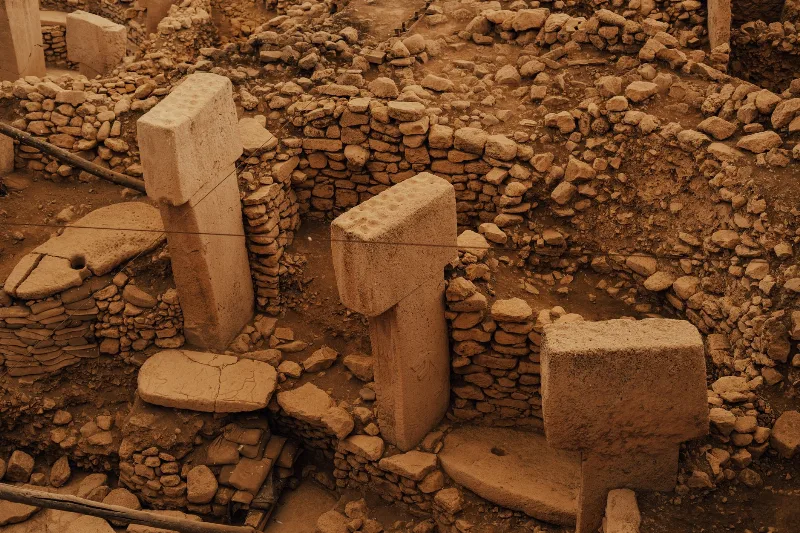
2-Day Şanlıurfa and Göbeklitepe Route
A two-day route through Şanlıurfa's sacred historic quarter, the world's oldest known temple at Göbeklitepe and the beehive houses of the Harran plain, starting and finishing in Şanlıurfa city.
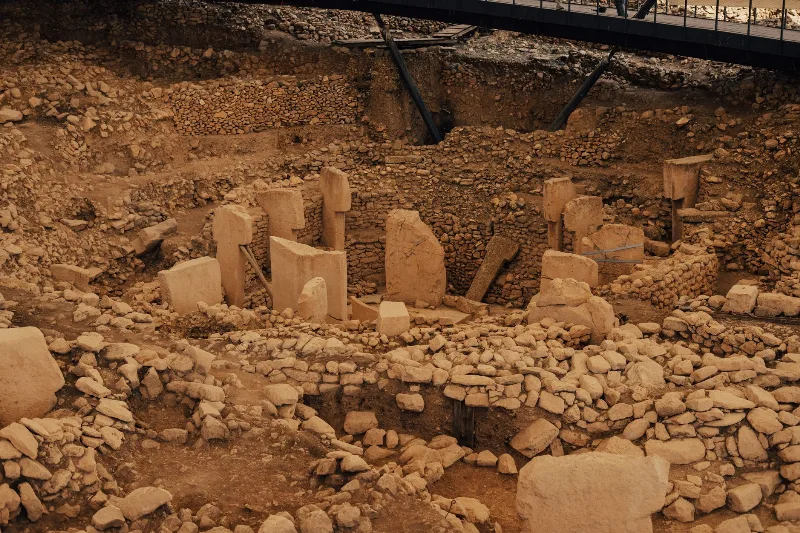
4-Day Southeastern Anatolia Route: Gaziantep to Mardin via Şanlıurfa
A four-day linear route across Southeastern Anatolia, linking the historic cities of Gaziantep, Şanlıurfa and Mardin by road, with the Neolithic site of Göbeklitepe and the ancient settlement of Harran fitted into the middle of the journey.
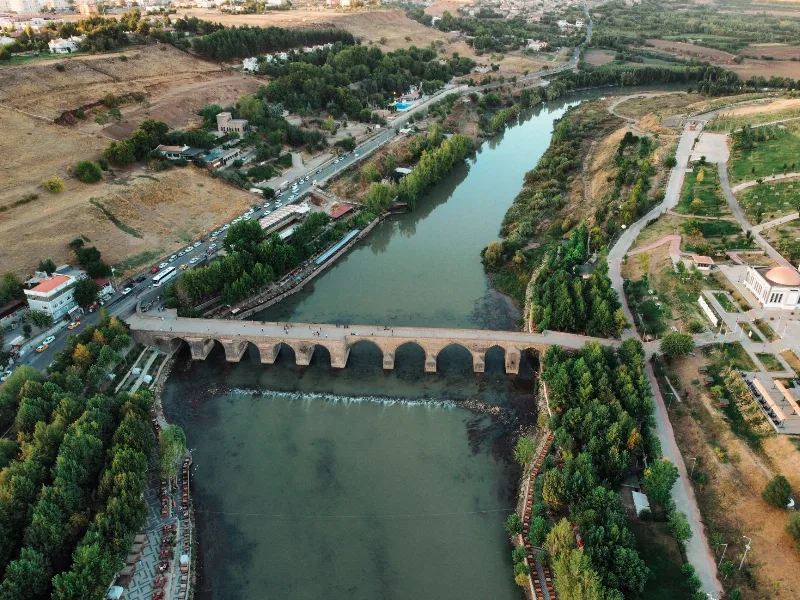
5-Day Tigris and Euphrates Route
A five-day, east-to-west journey across Southeastern Anatolia from Diyarbakır to Gaziantep, following the Tigris and Euphrates through Mardin, Şanlıurfa, Göbeklitepe and Harran.