
Göbeklitepe
A major Neolithic archaeological site near Şanlıurfa, known for its monumental stone enclosures and carved T-shaped pillars.
Göbeklitepe
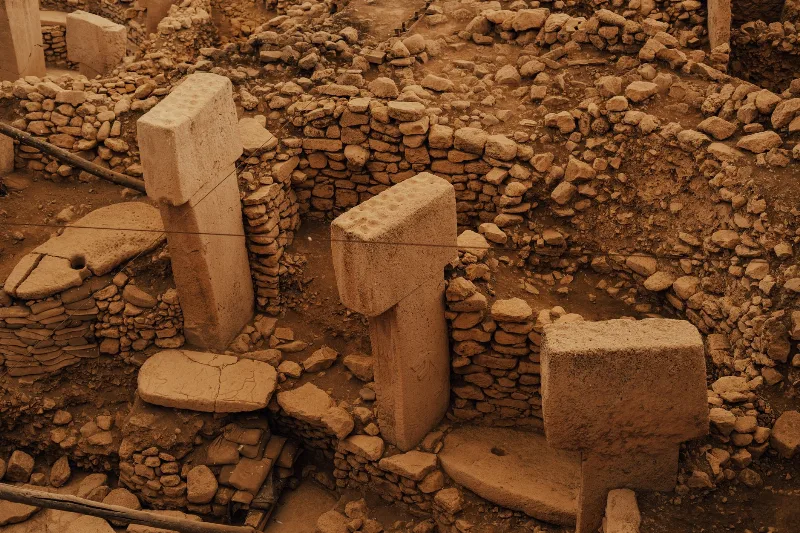
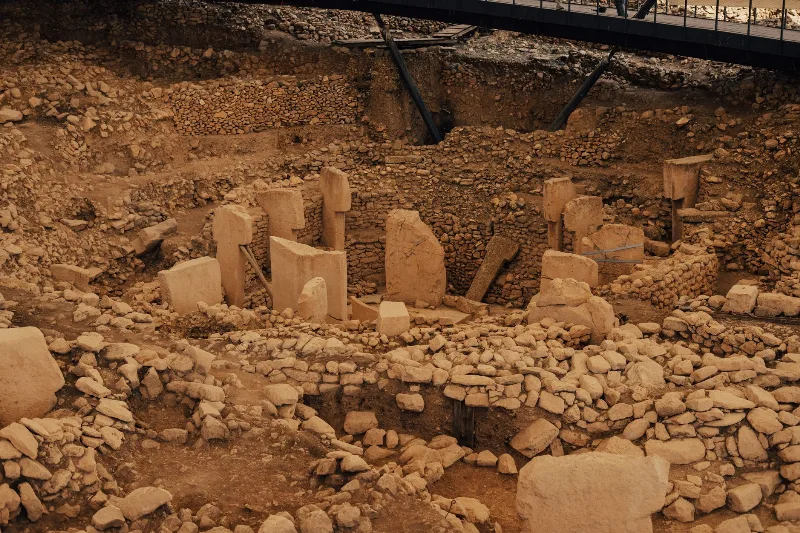
Göbeklitepe is located near the village of Örencik in Şanlıurfa Province, southeastern Turkey. The archaeological site dates to the Neolithic period and has become one of the most important locations for understanding early monumental construction and prehistoric communities.
The site is distinguished by large circular and oval enclosures containing T-shaped limestone pillars. Some of these pillars are decorated with carved animals, symbols and abstract forms.
Foxes, wild boars, snakes, birds and other animals appear in relief on several stones. Human features are also represented on some pillars, including arms and hands carved along their sides.
The scale of the structures is especially notable because they were created by communities living thousands of years before the development of large urban centres in the region.
Excavations have revealed several monumental enclosures positioned within the mound. The arrangement of the pillars and the repeated use of similar forms suggest a carefully organised building tradition.
Göbeklitepe stands on elevated ground overlooking the surrounding landscape. The open plains and distant hills form an important part of the setting and help visitors understand the site’s relationship with the wider geography of Şanlıurfa.
The archaeological discoveries at Göbeklitepe have contributed to wider discussions about how early communities organised themselves, built shared spaces and developed symbolic traditions.
While many aspects of the site remain the subject of continuing research, its monumental stone structures are firmly established as one of the most significant archaeological discoveries from the Neolithic period.
The site forms part of the broader prehistoric landscape of southeastern Turkey, where other archaeological locations have also revealed evidence of early settlement and monumental construction.
Göbeklitepe is therefore important not only because of its age, but because of the detailed stonework, scale of construction and evidence it provides for complex communal activity during the Neolithic period.
Routes
All routes →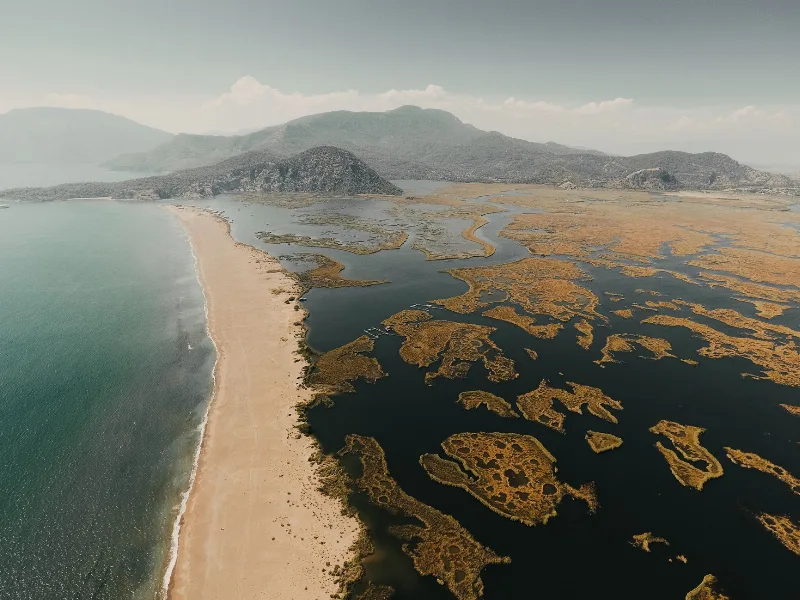
4-Day Marmaris and Dalyan Route
A four-day linear route that starts in Marmaris, crosses the Gulf of Gökova and Lake Köyceğiz, and ends around the river, rock tombs and turtle beach of Dalyan.
Explore →
5-Day Eastern Black Sea Route
A five-day journey from Trabzon through Uzungöl, Rize, Çamlıhemşin, Ayder, Borçka and Şavşat, combining Black Sea culture with forests, lakes and highlands.
Explore →
6-Day Mediterranean Coast Route: Antalya to Marmaris
A six-day linear route along Türkiye's Mediterranean coast, linking Antalya, Olympos, Demre, Kekova, Kaş, Kalkan, Patara, Fethiye and Dalyan before finishing in Marmaris. It mixes ancient cities, long beaches and small harbour towns on a continuous westward drive.
Explore →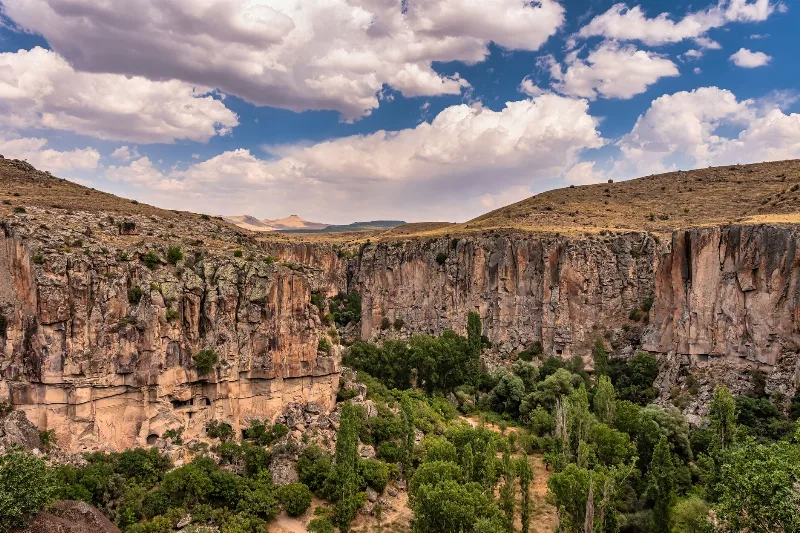
2-Day Cappadocia Underground Cities Route
A two-day route from Nevşehir through the underground cities of Kaymaklı and Derinkuyu, finishing with a walk through the Ihlara Valley and the rock-cut complex at Selime.
Explore →Related content
Şanlıurfa
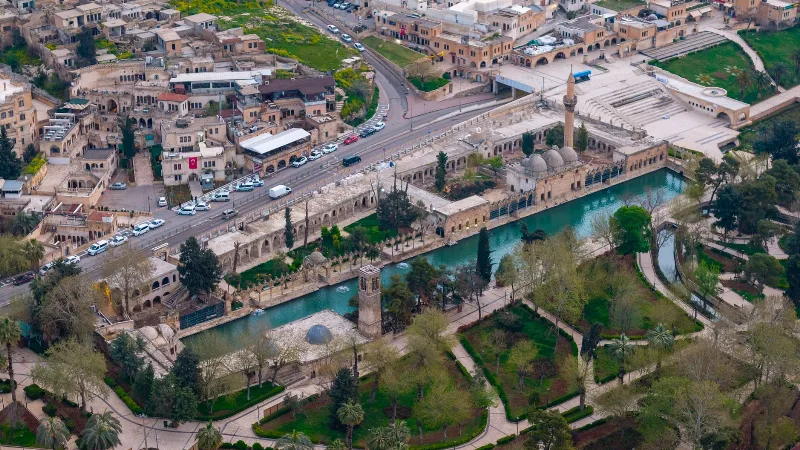
Şanlıurfa, commonly called Urfa, is a large city in southeastern Türkiye and the capital of its province. It is known both as a place tied to the tradition of the Prophet Abraham and as the gateway to Göbekli Tepe, one of the oldest monumental sites ever found.
2-Day Şanlıurfa and Göbeklitepe Route
A two-day route through Şanlıurfa's sacred historic quarter, the world's oldest known temple at Göbeklitepe and the beehive houses of the Harran plain, starting and finishing in Şanlıurfa city.
4-Day Southeastern Anatolia Route: Gaziantep to Mardin via Şanlıurfa
A four-day linear route across Southeastern Anatolia, linking the historic cities of Gaziantep, Şanlıurfa and Mardin by road, with the Neolithic site of Göbeklitepe and the ancient settlement of Harran fitted into the middle of the journey.
5-Day Tigris and Euphrates Route
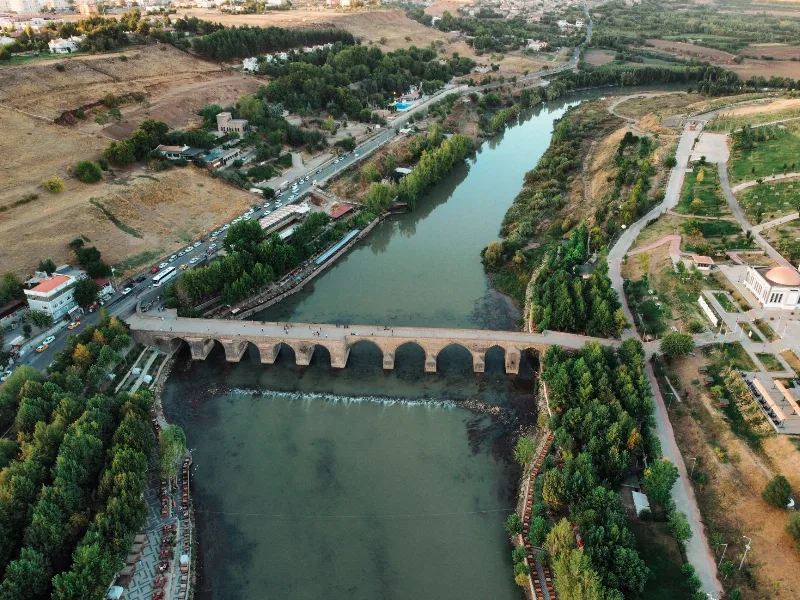
A five-day, east-to-west journey across Southeastern Anatolia from Diyarbakır to Gaziantep, following the Tigris and Euphrates through Mardin, Şanlıurfa, Göbeklitepe and Harran.

Southeastern Anatolia Region
Southeastern Anatolia is known for its ancient cities, extraordinary archaeological heritage, traditional stone architecture and rich culinary culture. From the historic streets of Mardin to the monumental landscapes of Şanlıurfa and the Euphrates River, the region reflects thousands of years of civilization.
Historic Places
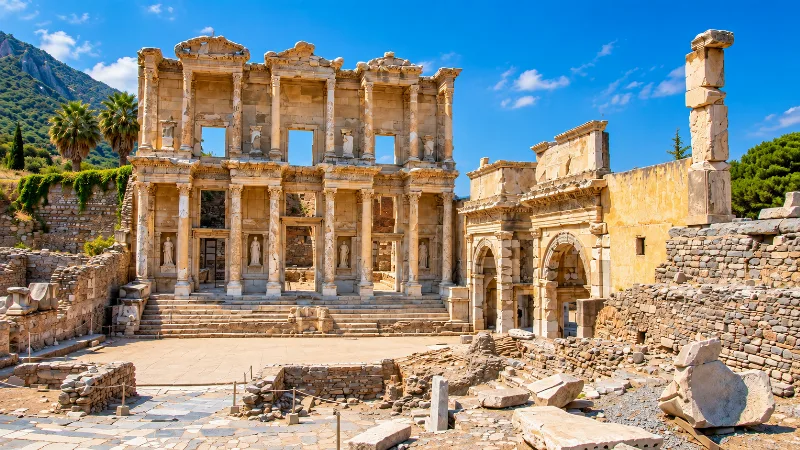
Ancient cities, monuments, castles and archaeological sites across Türkiye.