
Lavender Bloom in Kuyucak, Isparta
Each summer the village of Kuyucak in Isparta province turns purple as its lavender fields come into full flower, usually from July into August. The bloom is short, weather-dependent, and tied directly to the harvest that follows it.
Every summer, the fields around Kuyucak, a village in the Keçiborlu district of Isparta province in southwestern Türkiye, change colour as lavender comes into full flower. The bloom generally runs from July into August, with the strongest colour lasting only a few weeks, and the harvest typically taking place in late July. This short window matters because lavender is cut at a precise stage of flowering: picked too early, the flowers carry less aromatic oil; left too long, the colour fades and the stems begin to dry. The period when the landscape looks most striking is therefore the same period when the village's agricultural work peaks, which is what makes the timing genuinely seasonal rather than simply a matter of pleasant weather.
Where the Lavender Grows
Kuyucak sits on sloping ground in the interior highlands of Isparta province, west of Isparta city, in the Keçiborlu district. The lavender is planted in open fields on the surrounding slopes rather than in a single walled garden, so the purple colour appears in bands and patches across the working landscape. The crop has spread through parts of this district over recent decades, and Kuyucak is the village most closely associated with it.
The setting is highland rather than coastal. That matters, because lavender needs the combination of strong summer sun, free-draining soil and a cold winter rest that this part of Türkiye provides. Because the fields are farmland and not a park, their layout follows plot boundaries, tractor tracks and the slope of the ground.
What Causes the Bloom
Lavender is an aromatic shrub adapted to Mediterranean-type climates. It prefers poor, stony, lime-rich soils and tolerates drought far better than most crops, which is one reason it suits this dry inland plateau. Flower spikes develop on new growth produced in spring and early summer, and the plants begin flowering once days have lengthened and enough warmth has accumulated in the soil. Cold winters are not a problem for the plant; in fact, a period of winter chill supports healthy growth the following season.
Isparta's interior climate gives the village hot, dry summers with intense sunshine and cool nights, along with cold winters. That combination concentrates the flowering period into a relatively narrow stretch of midsummer rather than spreading it across many months.
How Weather Shifts the Timing
The start of flowering is not fixed. A cool, wet spring, or late cold spells in the highlands, can delay the first open flowers, sometimes by a week or two. A warm, dry spring tends to bring the bloom forward. Because of this, the exact date when the fields turn fully purple varies from year to year, and anyone planning around it should treat July and early August as the normal window rather than a guaranteed schedule.
Once flowering begins, the visible peak is generally short. The strongest colour and scent usually hold for roughly two to four weeks before the flowers mature, dull and begin to fade toward grey-brown. Heat and drought can shorten that window; cooler, more moderate conditions can stretch it slightly.
The Harvest and Distillation Period
Harvest normally falls in late July, when the flowers are at their most fragrant and the oil content in the blooms is highest. Cutting is commonly done in the cooler hours of the morning, when the aromatic oil is less affected by heat. The flowering stems are cut and gathered into bundles, and the fresh material is then taken for distillation.
Distillation is what turns the crop into lavender oil. Steam is passed through the plant material and the aromatic compounds are carried off and condensed, leaving the essential oil. Because fresh flowers carry a far stronger scent than dried ones, the days around the harvest are when the smell of lavender is most noticeable in the air around the village, and when the fields move quickly from full bloom to cut stubble.
What the Landscape Looks Like
At the height of the season the slopes are covered in dense rows of purple-blue flower spikes, standing against pale, sun-bleached pasture, dusty tracks and the grey-green of other dryland vegetation. The colour is not uniform: fields flower at slightly different times depending on altitude, orientation and when each plot was planted, so some strips are vivid while neighbouring ones are still green or already fading.
Insects, especially bees, are highly visible during the bloom, drawn by the flowers. The surrounding highland terrain, with its open horizons and distant ridges, gives the fields a wide backdrop, and summer light here is strong and hard for much of the day.
What a Visitor Can Realistically Observe
The realistic experience is walking along field edges and tracks beside working farmland and seeing the crop in flower, watching harvesting if you happen to come during that short period, and noticing the scent that hangs over the area around distillation. Because these are private agricultural plots, access depends on respecting boundaries and not walking through standing crops.
It is equally realistic to arrive and find the colour already gone. If you come in June, the plants may still be in bud; if you come in mid-August, many fields may already be cut and look like short grey stubble. That contrast is precisely why the timing is the point of the visit.
Best Time and Practical Conditions
The most reliable period to see fields in strong flower is generally mid-July through early August, with the harvest usually following in late July. Checking locally before travelling is sensible, since a shift of one to two weeks either way is entirely normal depending on that year's weather.
Conditions during the bloom are typically hot, bright and dry, with little natural shade in the fields and uneven, dusty ground underfoot. Mornings and late afternoons are cooler and easier for walking; evenings at this altitude can be noticeably fresh. Rain is uncommon in midsummer, but the highland location means weather can change quickly.
Related Places in the Same Season
Isparta province is also known for its rose harvest, but that belongs to an earlier part of the year, generally late spring into early June, before the lavender flowers. Travelling through the wider province in midsummer, Lake Eğirdir to the east and the surrounding highland scenery offer a useful sense of the dry interior landscape that makes lavender cultivation viable here. Within the Keçiborlu district, lavender fields appear across the rural surroundings of Kuyucak, so the experience is tied to this small area rather than to the province as a whole.
EXPLORE BY THEME
All themes →
Food
Regional dishes, desserts, local ingredients and culinary traditions across Türkiye.
Explore →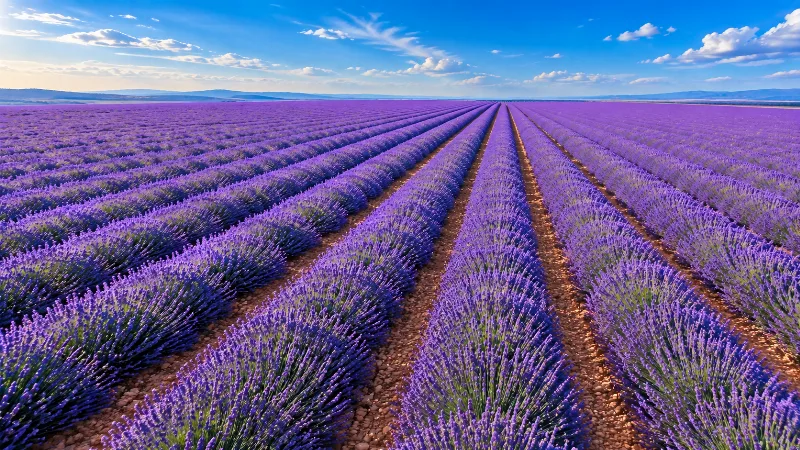
Seasonal Experiences
Harvests, festivals, natural seasons and local events throughout the year.
Explore →
Hidden Places
Less-known villages, coves, valleys, historic sites and natural areas across Türkiye.
Explore →Related content
Isparta
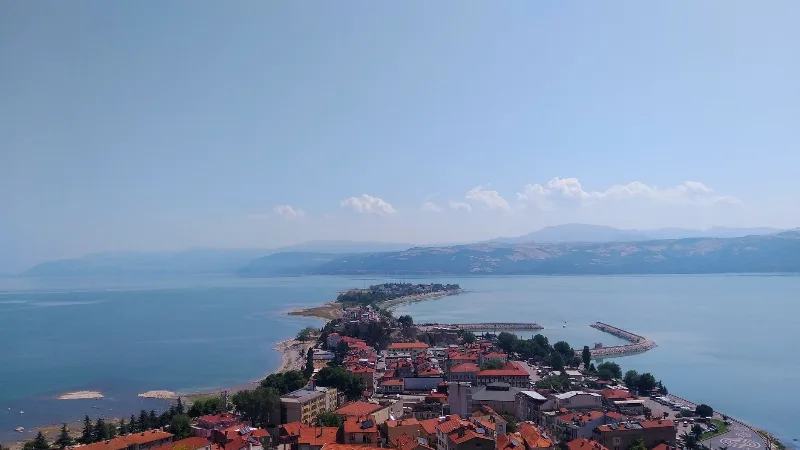
Isparta is a city in southwestern Türkiye, renowned for its rose oil production and apple orchards. It serves as a hub for the Lakes Region, with Lake Eğirdir and several natural parks nearby.
Lake Eğirdir
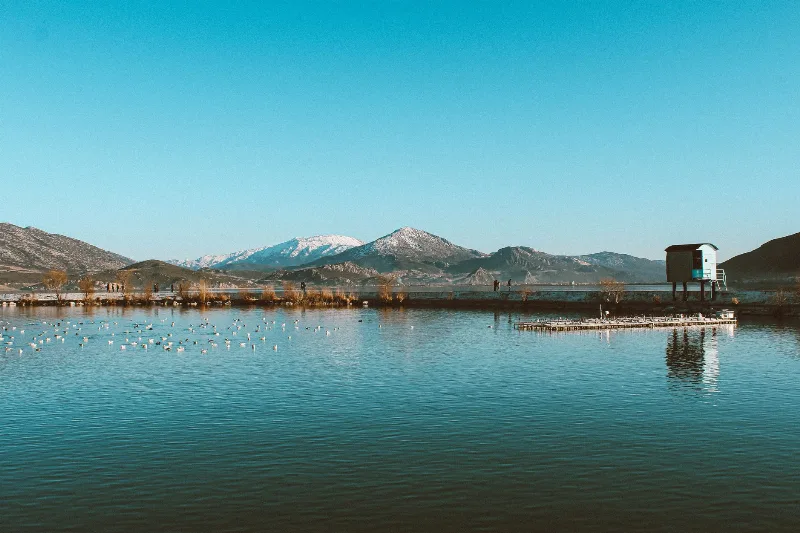
A large freshwater lake in the Lakes District of Isparta Province, south-western Türkiye, Eğirdir is divided into two connected basins by a narrow strait and ringed by mountains.
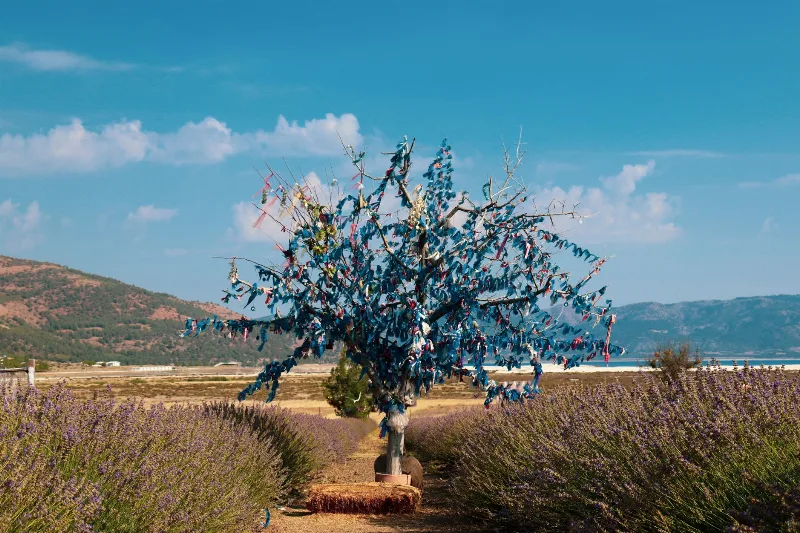
Kuyucak Lavender
Kuyucak lavender is grown around a village in the Keçiborlu district of Isparta province, southwestern Türkiye, where dry slopes and stony soil shape a crop grown mainly for essential oil.
Isparta Lavender
Isparta lavender is the aromatic crop grown on the high, dry plateaus of Isparta province in southwestern Türkiye, where calcareous soils and sun-drenched summers produce essential oil, dried flowers and a purple summer landscape.
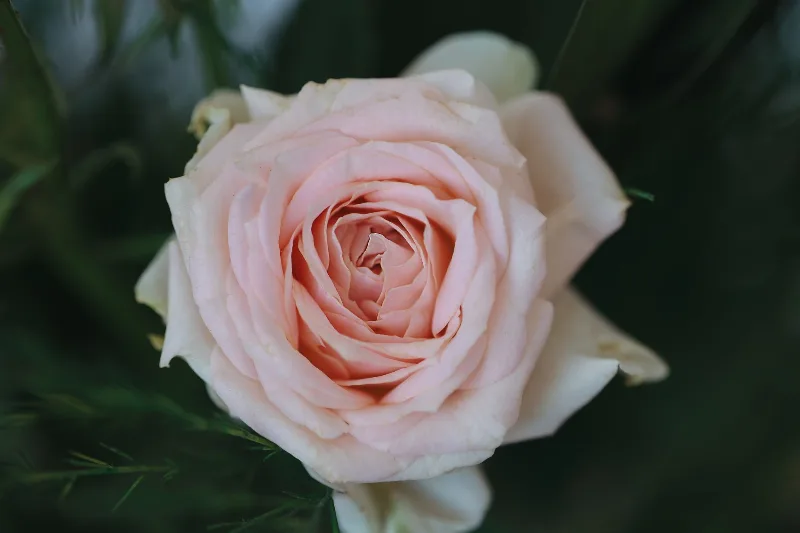
The Rose Harvest in Isparta
Every spring the gardens around Isparta in Türkiye blush with Damask roses, and the picking begins long before dawn. It is a season of pink fields, copper stills and a fragrance that follows you through the streets.
Isparta Rose Gardens and Rose Oil Distillation
The rose gardens around Isparta supply the Damask petals from which one of the world's most precious essential oils is drawn, using copper stills and methods passed down through generations of local families.