
Isparta Rose Gardens and Rose Oil Distillation
The rose gardens around Isparta supply the Damask petals from which one of the world's most precious essential oils is drawn, using copper stills and methods passed down through generations of local families.
Isparta lies in the Lakes Region of south-western Türkiye, where the western Taurus mountains fold into broad valleys and several large freshwater lakes spread across the plateau. The province is best known for something quieter than its scenery: the fields of Damask roses that flower each spring across the surrounding villages. From these petals comes rose oil, a fragrant essential oil produced by distillation and used in perfumery, cosmetics and confectionery. The combination of high altitude, warm days, cool nights and mineral-rich soil gives the local roses a particularly intense scent.
Where the Rose Gardens Are Found
The rose fields are not concentrated in the city itself but scattered through the districts and villages that surround it, such as those near Gönen, Keçiborlu, Senirkent and Atabey. Plots are small and often worked alongside orchards of apples, cherries and lavender, so the landscape in late spring becomes a patchwork of pink, white and green. The nearby shores of Lake Eğirdir and the slopes towards the Sultan Mountains give the area a cool, clear light in the early morning, which is when the flowers are gathered. Roses were introduced to this part of Anatolia towards the end of the nineteenth century and gradually replaced other crops as farmers recognised how well the plant suited the local conditions.
The Damask Rose and Its Harvest
The variety grown here is Rosa damascena, a bush with loosely formed, many-petalled blooms in shades of pale to deep pink. It flowers once a year, generally from May into early June, and the whole harvest is compressed into a few weeks. Growers pick in the half-light before sunrise, when the oil content in the petals is at its highest and the dew has not yet evaporated. Flowers are collected by hand into cloth bags and taken quickly to the distillery, since the petals begin to lose their fragrance within hours of picking. One hectare of bushes may yield several tonnes of petals over the season, yet the resulting oil is measured in a handful of kilograms.
How Rose Oil Is Distilled
Traditional production relies on steam distillation in copper vessels known locally as imbik. Petals and water are loaded into the still and heated; the steam carries the aromatic compounds upwards, where they condense back into liquid in a cooling coil. The first distillate, a fragrant water, is returned to the still and distilled again to concentrate the oil, which floats on the surface and is separated by hand. The process demands patience and judgement rather than machinery, and experienced operators judge the strength of a batch by scent, colour and the feel of the liquid. The same method also produces rose water, a gentler by-product used in cooking and skincare.
What the Roses Become
Beyond oil and water, the harvest feeds a small local industry of rose-flavoured goods. Rose jam, made by slowly cooking petals with sugar and lemon, is a familiar breakfast preserve. Rose delight, rose Turkish delight coated in icing sugar, and rose sherbet appear in sweet shops, while rose cologne is a common gesture of hospitality in Turkish homes. Dried petals are sold for tea and for decorating desserts. In Isparta itself, the rose motif appears on textiles, ceramics and carved wooden items, and a spring festival celebrates the opening of the harvest with music, markets and demonstrations of distillation.
Visiting the Rose Country
Travellers passing through the region in late May can see the fields in bloom and watch distillation in small workshops, often attached to family farms. The surrounding area rewards a longer stay: Lake Eğirdir offers quiet shoreline paths and hill views, the ancient site of Sagalassos lies to the south-west near Ağlasun, and the old quarters of Isparta and its neighbouring towns hold stone houses, mosques and covered markets. The rose season is brief, but the landscape, the lakes and the craft of distillation give the province interest throughout the year.
Related content
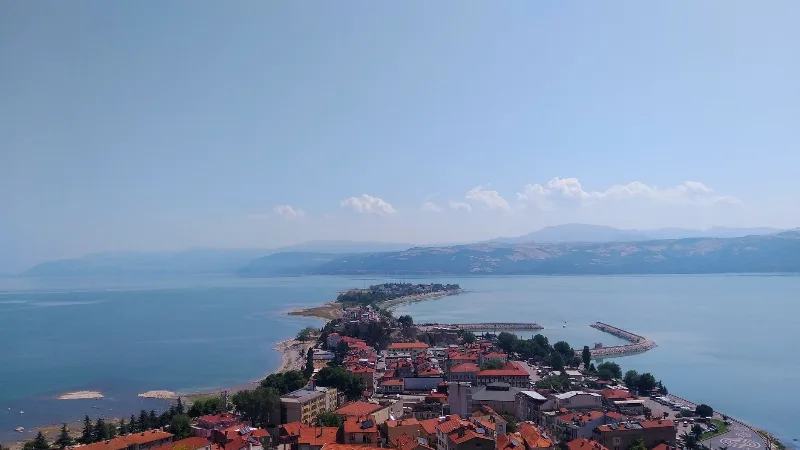
Isparta
Isparta is a city in southwestern Türkiye, renowned for its rose oil production and apple orchards. It serves as a hub for the Lakes Region, with Lake Eğirdir and several natural parks nearby.
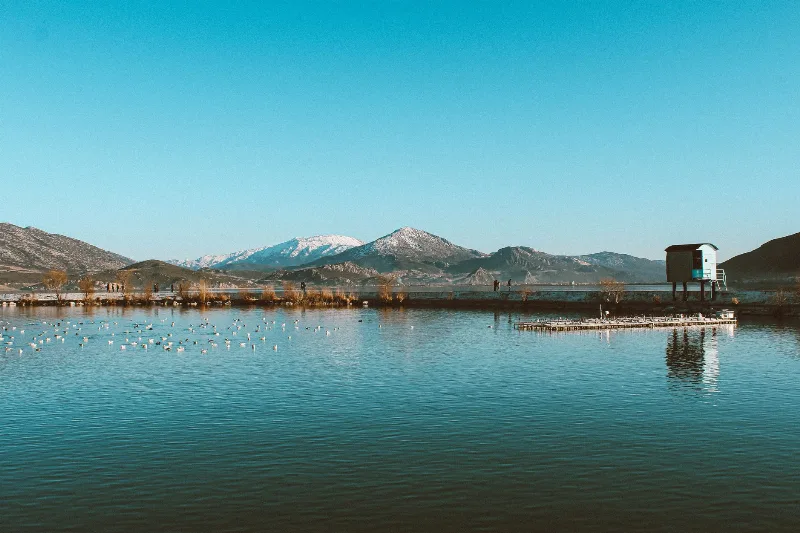
Lake Eğirdir
A large freshwater lake in the Lakes District of Isparta Province, south-western Türkiye, Eğirdir is divided into two connected basins by a narrow strait and ringed by mountains.
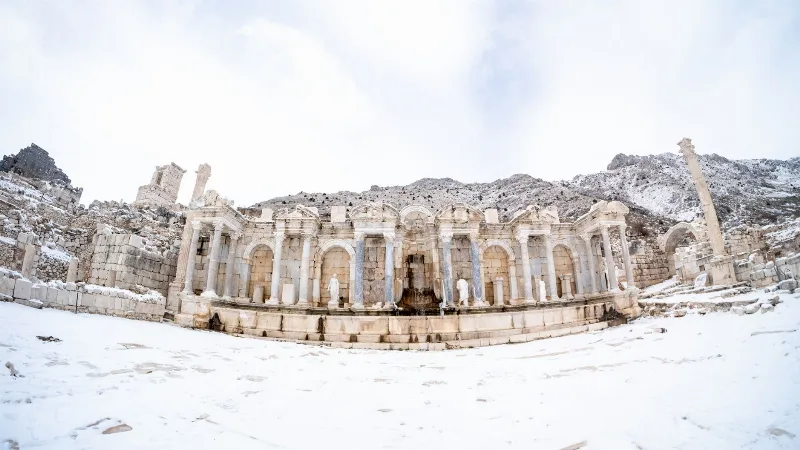
Sagalassos
Sagalassos was a major Pisidian city in the Taurus Mountains of Burdur Province, Türkiye. Its Roman theatre, bath complex and monumental fountain house make it one of the more fully understood ancient cities in the region.
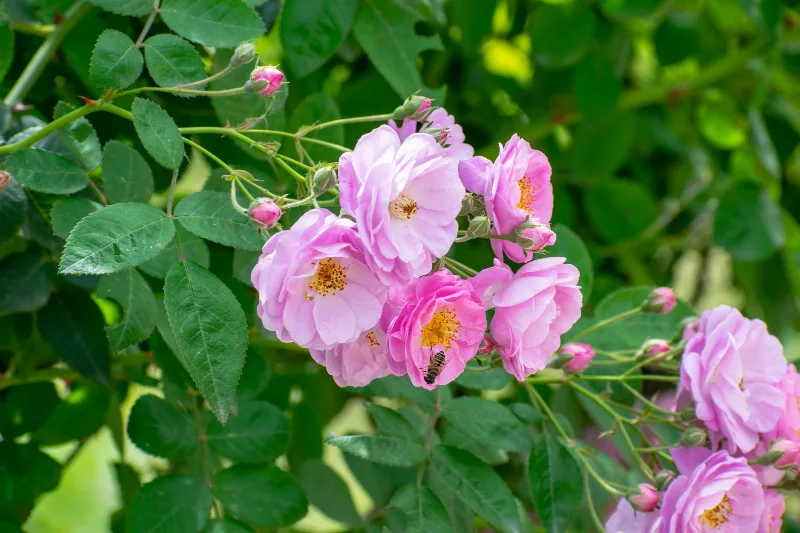
İsparta Roses
İsparta roses are the Damask rose grown around Isparta in southwestern Türkiye, where a dry, high-altitude climate and snow-fed soils give the flowers enough essential oil to support a long-standing rose oil and rose water industry.
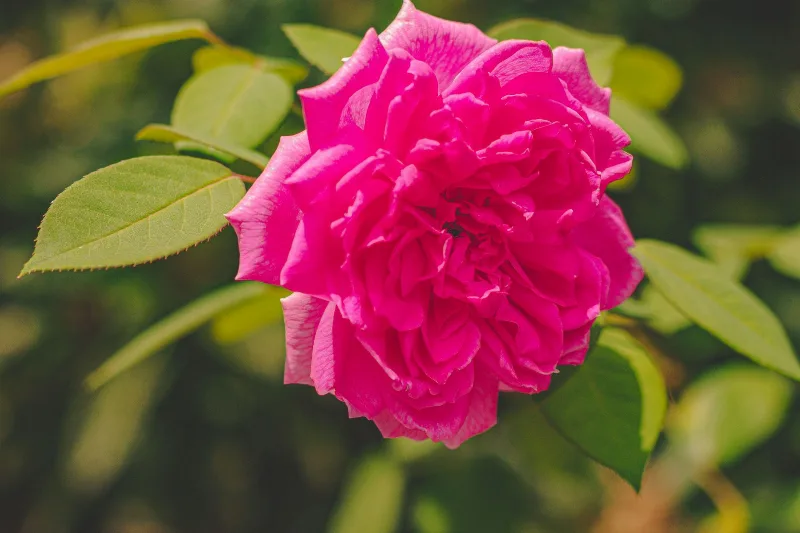
Rose Harvest in Isparta
The rose harvest in Isparta, Turkey, typically occurs in late May and June, when Damask rose fields are in full bloom. This short season is essential for rose oil and rose water production, and visitors can observe the traditional harvesting and distillation process.
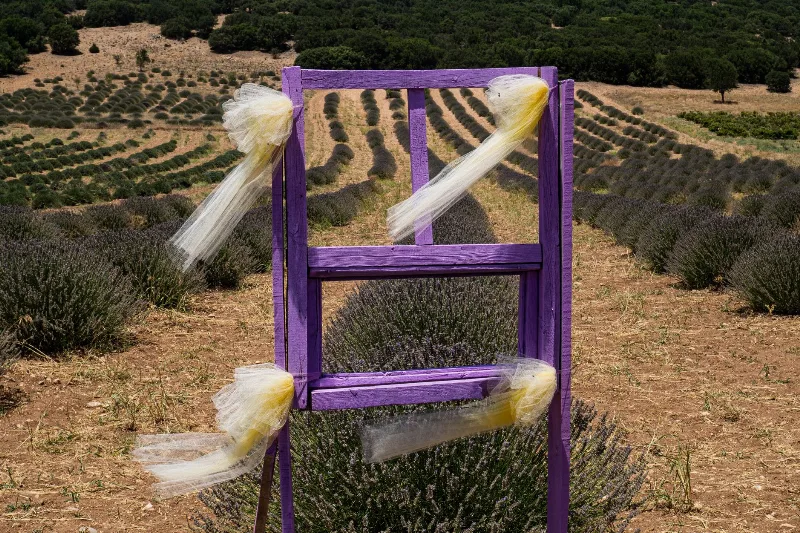
Lavender Bloom in Kuyucak, Isparta
Each summer the village of Kuyucak in Isparta province turns purple as its lavender fields come into full flower, usually from July into August. The bloom is short, weather-dependent, and tied directly to the harvest that follows it.
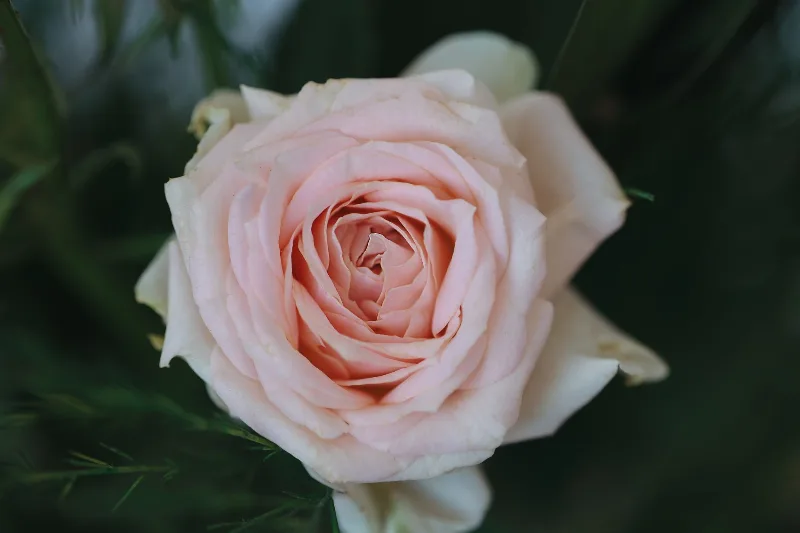
The Rose Harvest in Isparta
Every spring the gardens around Isparta in Türkiye blush with Damask roses, and the picking begins long before dawn. It is a season of pink fields, copper stills and a fragrance that follows you through the streets.
Isparta Lavender
Isparta lavender is the aromatic crop grown on the high, dry plateaus of Isparta province in southwestern Türkiye, where calcareous soils and sun-drenched summers produce essential oil, dried flowers and a purple summer landscape.