
Hidden Places
Less-known villages, coves, valleys, historic sites and natural areas across Türkiye.
Beyond major destinations, Türkiye contains a broad network of small villages, remote coves, mountain valleys, little-known archaeological sites, waterfalls, caves, lakes and rural landscapes distributed across the country. These places are not defined by a single geographic type; they range from isolated Mediterranean bays to highland settlements and archaeological remains located far from major urban centres.
Along the Mediterranean and Aegean coasts, numerous small coves lie between larger towns and established beaches. Some can be reached by minor roads or walking paths, while others are accessible primarily from the sea. They may contain pebble beaches, rocky platforms, pine-covered slopes and clear water enclosed by limestone cliffs.
In rural western Türkiye, smaller settlements are often surrounded by olive groves, vineyards and orchards. Traditional stone houses, narrow streets and agricultural terraces remain visible in some villages that receive considerably fewer visitors than nearby coastal resorts or larger historic towns.
The Black Sea interior contains numerous valleys and highland settlements hidden behind the main coastal mountain range. Roads follow rivers deep into forested terrain and climb toward yaylas, waterfalls and mountain plateaus. Dense vegetation and steep topography can make these places feel geographically separate from the nearby coast.
Central and Eastern Anatolia contain less-known geological formations, high-altitude lakes, rural settlements and historic remains scattered across broad landscapes. Some sites are located away from major highways and require travel through smaller provincial and village roads.
Archaeological remains are especially widespread. Not every ancient city or settlement has the scale, excavation history or visitor facilities of Ephesus, Troy or Göbeklitepe. Smaller sites may preserve fragments of walls, temples, tombs, theatres, roads, churches, fortifications and rock-cut structures within agricultural or mountainous environments.
Natural features can also remain relatively little known outside their immediate region. Canyons, waterfalls, caves, crater lakes, wetlands and river valleys may lie only a short distance from established routes while receiving comparatively limited attention.
Accessibility differs significantly. Some locations can be reached easily by paved road, while others require mountain roads, walking paths or seasonal access. Weather conditions can be important in high-altitude regions, where snow and heavy rainfall may affect travel.
These locations reveal additional layers of Türkiye’s geography and settlement history. They show how villages, agricultural systems, ancient routes, archaeological remains and natural environments continue beyond the country’s major cities and internationally recognized destinations.
Seasonal experiences
All Seasons →
Chestnut Harvest in Bozdağ, İzmir
Bozdağ’s chestnut harvest is a brief autumn period when orchards in the mountains of İzmir are gathered and the surrounding forests shift into seasonal colour. The exact timing depends on weather and elevation, but the main window usually falls in late September and October.
Explore →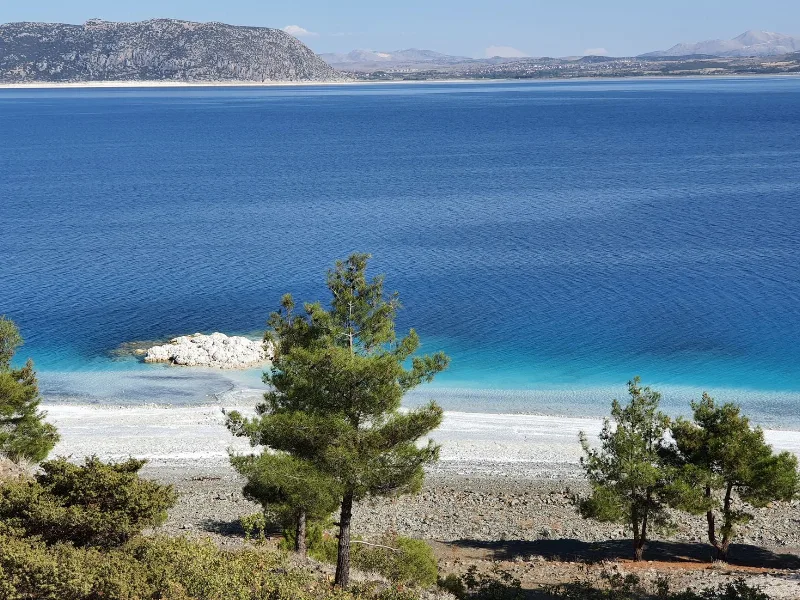
Bird Migration at Lake Burdur, Burdur
Lake Burdur’s alkaline waters draw migratory waterbirds in spring and autumn, when flamingos and white-headed ducks are among the species associated with the lake. Timing shifts with weather, so the season is best understood as a moving window rather than a fixed date.
Explore →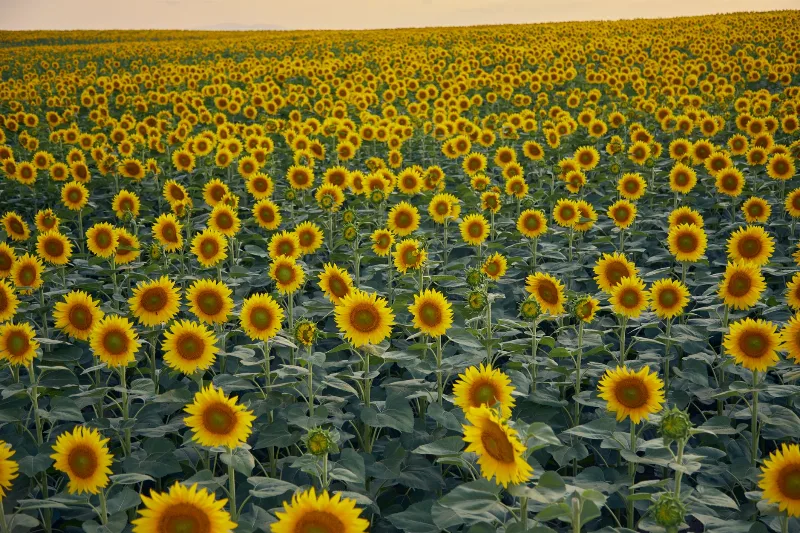
Sunflower Bloom in Kırklareli
Every July, the sunflower fields of Kırklareli in Thrace, Turkey, turn into a sea of yellow. This article explains when the bloom occurs, why the region is ideal for sunflowers, and what visitors can expect during this seasonal spectacle.
Explore →Related content
Ephesus
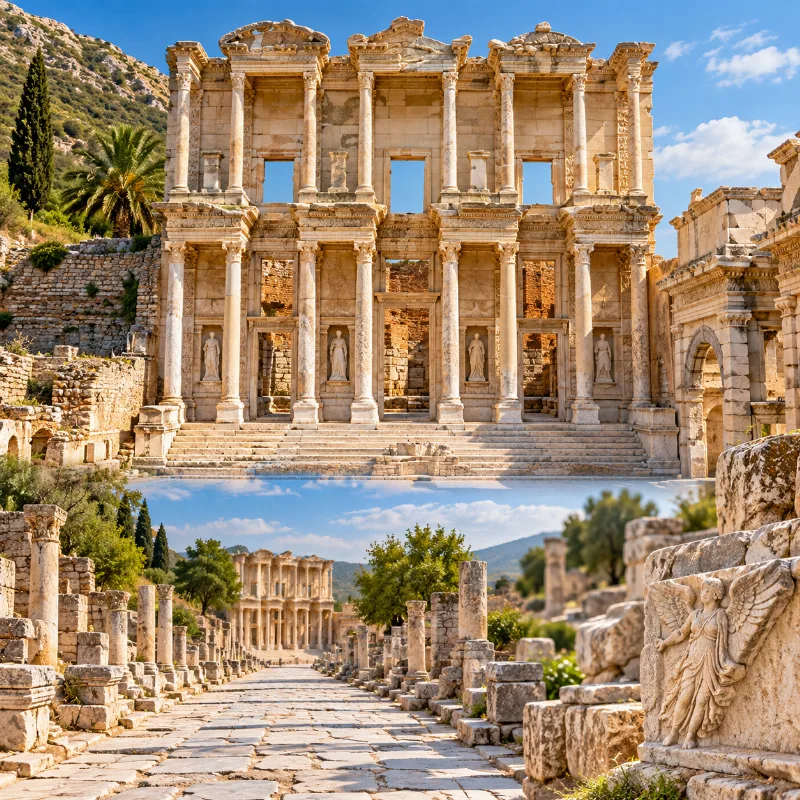
One of the best-preserved ancient cities in the Aegean, known for its monumental streets, library, theatre and Roman-era remains.
Ephesus
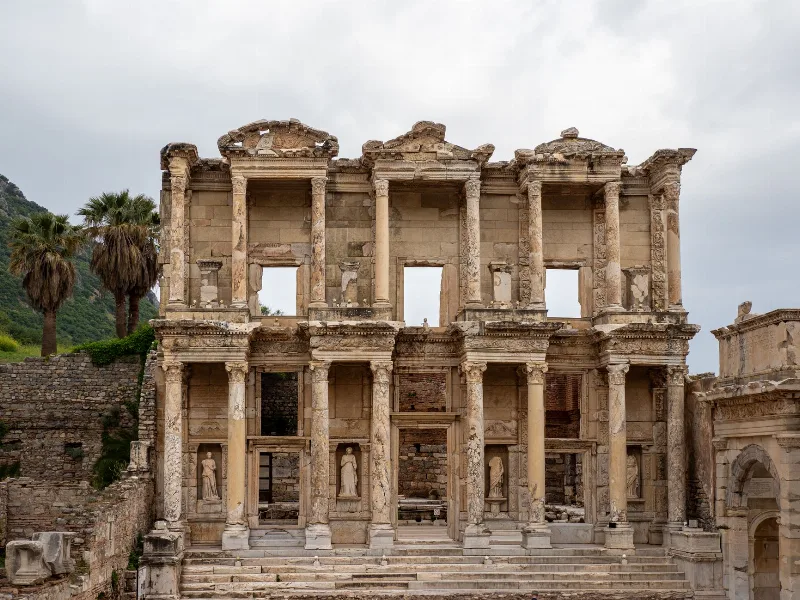
Ephesus is an ancient Greek and Roman city near Selçuk in İzmir Province, Türkiye, whose ruins include the Library of Celsus, the Great Theatre and the remains of the Temple of Artemis.
Troy
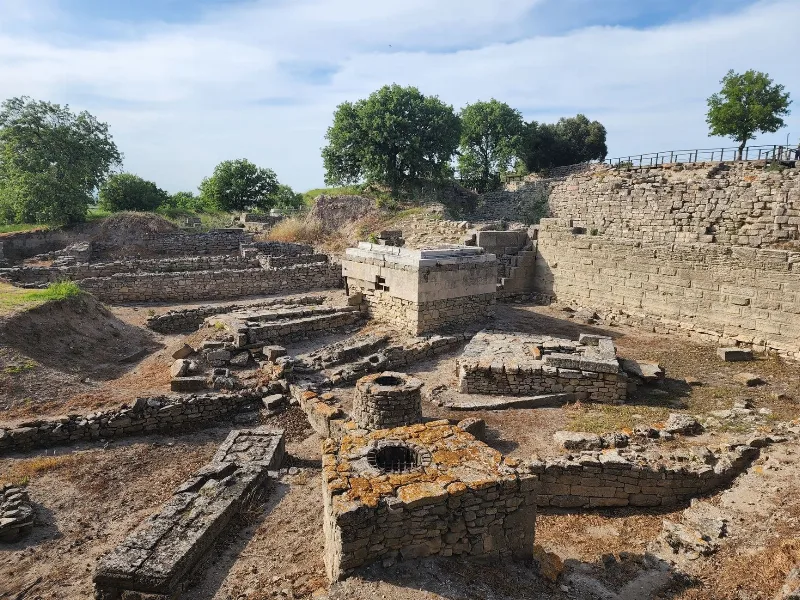
Troy is the excavated mound of Hisarlık in Çanakkale Province, Türkiye, inhabited from the Early Bronze Age to the Roman era and linked with the Ilion of Homer's Iliad. Its nine settlement layers and surviving Bronze Age fortifications make it one of the most important stratified sites in the eastern Mediterranean.
7-Day North Aegean to Ephesus Route
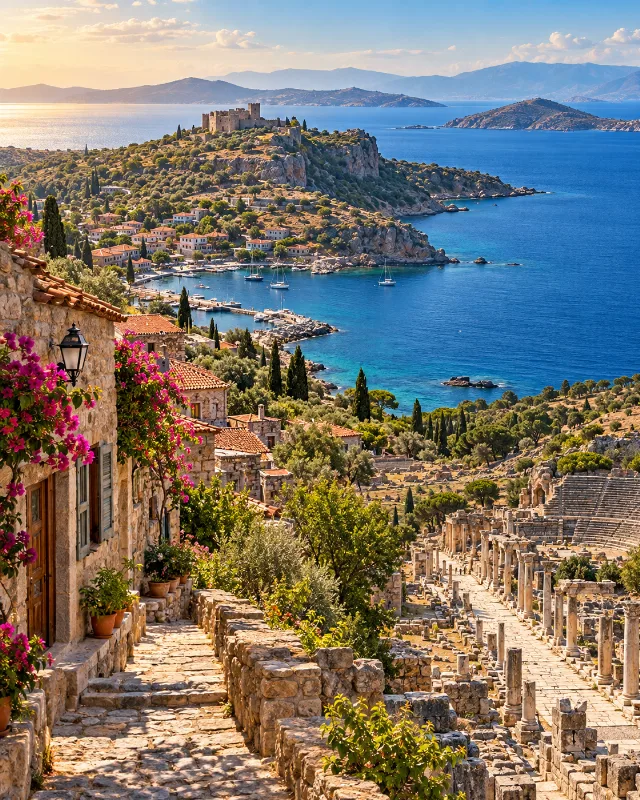
A seven-day southbound route through Troy, Assos, Bozcaada, Ayvalık, Bergama, İzmir and Ephesus, combining archaeology, coastal towns and Aegean culture.
Historic Places in Türkiye
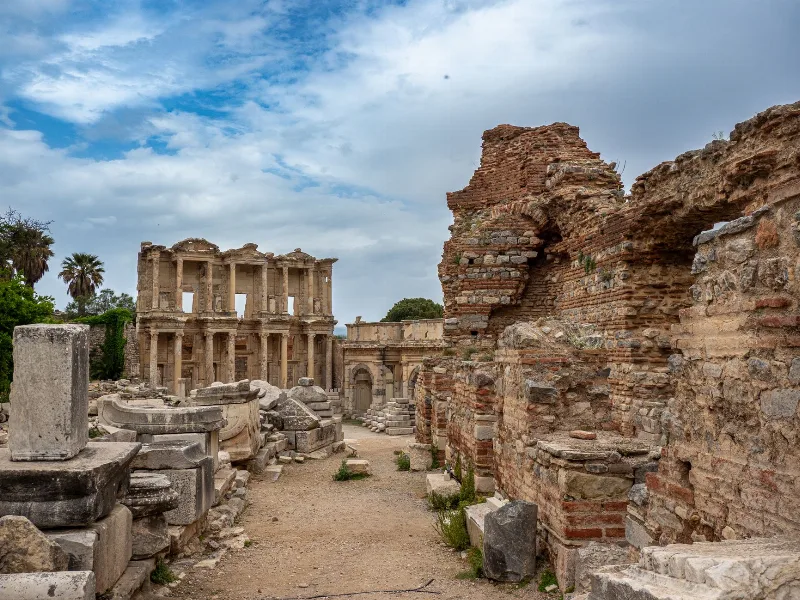
Discover Türkiye's rich history through its ancient cities and iconic landmarks.
Kuşadası
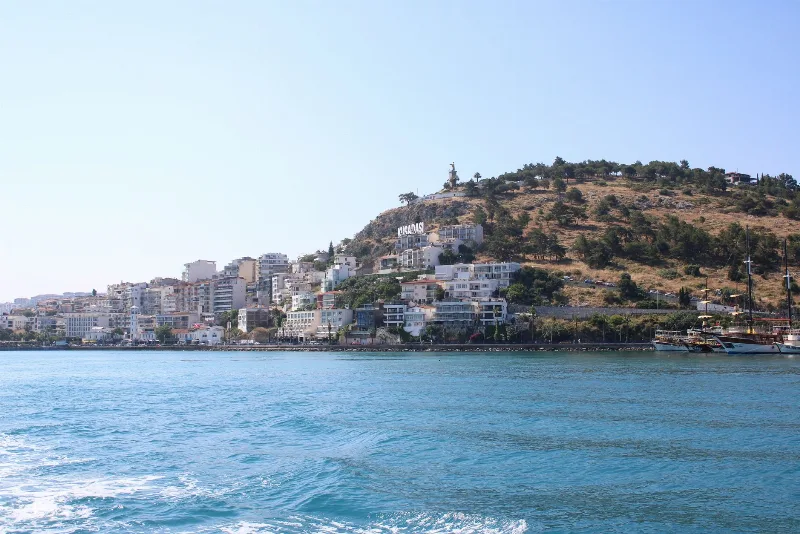
Kuşadası is a lively Aegean resort town and cruise port in Aydın Province, best known for its proximity to the ruins of Ephesus and for a coastline of sandy bays backed by pine-covered hills.