
Sunflower Bloom in Kırklareli
Every July, the sunflower fields of Kırklareli in Thrace, Turkey, turn into a sea of yellow. This article explains when the bloom occurs, why the region is ideal for sunflowers, and what visitors can expect during this seasonal spectacle.
Every year, typically in July, the sunflower fields of Kırklareli in the Thrace region of Turkey turn into a vast sea of yellow. The sunflowers reach full bloom, creating a striking seasonal transformation that draws visitors to this northwestern part of the country. This period is distinctive because it marks the peak of the sunflower growing season, when the region's agricultural landscape is at its most vibrant.
The Timing of the Sunflower Bloom
The sunflower bloom in Kırklareli generally occurs in July, though the exact timing can shift from year to year. The bloom typically begins in late June or early July and lasts for about two to three weeks. Weather conditions play a crucial role: a warm spring may lead to an earlier bloom, while cooler temperatures can delay it. The peak bloom is usually in mid-July, when the majority of the flowers are open. Because the timing is weather-dependent, visitors should check local conditions before planning a trip.
Why Kırklareli and Thrace Are Ideal for Sunflowers
The Thrace region, where Kırklareli is located, is one of Turkey's most important sunflower-producing areas. The region's climate, with hot summers and adequate rainfall, provides ideal conditions for sunflower cultivation. The fertile soils of the area support extensive fields, and many local farmers have grown sunflowers for generations. The proximity to the Marmara Sea and the Black Sea influences the climate, creating a suitable environment for this crop. As a result, the sunflower bloom here is not just a natural spectacle but also a reflection of the region's agricultural heritage.
What the Landscape Looks Like During Bloom
During the bloom, the landscape of Kırklareli transforms dramatically. Fields that were once green become a brilliant yellow, stretching to the horizon. The sunflower heads follow the sun when they are young (a phenomenon called heliotropism), but once mature, they typically face east. The contrast between the yellow flowers and the blue sky is striking, and the fields often attract photographers and nature enthusiasts. The bloom coincides with the height of summer, so the days are long and sunny, providing ample light for viewing the spectacle.
The Role of Weather in Bloom Timing
Weather is a key factor in determining when the sunflowers bloom. Sunflowers require a long, warm growing season. If spring temperatures are cooler than usual, the bloom may be delayed by a week or more. Conversely, an unusually hot spring can accelerate the process. Rainfall also matters: too much rain can affect the health of the plants, while drought can stress them. The exact start and duration of the bloom vary annually, so there is no fixed date. Local knowledge and agricultural advisories can help predict the best time to visit.
Agricultural Practices and the Sunflower Lifecycle
In Kırklareli, sunflowers are typically planted in April or May. The plants grow rapidly through spring and early summer, and by July they are in full bloom. After blooming, the flowers begin to wilt and the seeds develop. The harvest usually takes place in late summer or early autumn, when the seeds are mature and the back of the flower head turns brown. The bloom period is a critical stage in the agricultural cycle, as it determines the yield of seeds. Visitors interested in agriculture can observe the fields during this active phase, though they should respect private property and not enter fields without permission.
What Visitors Can Expect to See
Visitors to Kırklareli during the sunflower bloom can expect to see expansive fields of yellow flowers, often with bees and other pollinators active. The area is rural, with small villages and rolling hills, and the sunflower fields are a prominent feature. Some local communities organize small festivals or events to celebrate the bloom, but these are not guaranteed and vary by year. The main attraction is simply the natural beauty of the flowering fields. Photography is popular, especially during the golden hours of early morning and late afternoon when the light is soft. The heat of midday can be intense, so planning activities for cooler parts of the day is advisable.
Practical Advice for Viewing the Bloom
To make the most of a visit, travelers should aim for mid-July, but be flexible. The fields are best viewed from public roads or designated viewpoints. The terrain is generally flat, but some fields may be on gentle slopes. July in Kırklareli is typically hot, with temperatures often exceeding 30°C (86°F), so sun protection, water, and a hat are essential. The area is accessible by car, and while some fields are near main roads, others are on rural tracks. It's important to respect the crops and not trample plants. There are no entry fees for viewing the fields from public areas.
Year-to-Year Variations
The sunflower bloom is a natural event, and its timing can vary significantly from one year to the next. Factors such as spring temperatures, rainfall, and even the specific sunflower varieties planted can affect when the bloom occurs. In some years, the peak may be in early July; in others, it may be later in the month. This variability means that visitors should not rely on a fixed date. Checking with local sources or agricultural offices before traveling can provide a more accurate estimate. The bloom is a transient phenomenon, and catching it at its peak requires a bit of luck and planning.
Nearby Seasonal and Agricultural Context
The sunflower bloom in Kırklareli is part of a broader agricultural landscape in Thrace. The region is also known for other crops, such as wheat and grapes, and the summer months see various agricultural activities. While the sunflower bloom is the main draw in July, visitors interested in rural life may also appreciate the general scenery and the slower pace of the countryside. The nearby city of Kırklareli offers basic amenities, and the surrounding villages provide a glimpse into traditional Thracian life. However, the focus of a visit during this time should be the sunflower fields themselves.
The sunflower bloom in Kırklareli is a genuine seasonal experience that highlights the connection between agriculture and nature. By understanding the timing, weather influences, and what to expect, visitors can better plan their trip to witness this yellow transformation in the heart of Thrace.
EXPLORE BY THEME
All themes →
Food
Regional dishes, desserts, local ingredients and culinary traditions across Türkiye.
Explore →
Hidden Places
Less-known villages, coves, valleys, historic sites and natural areas across Türkiye.
Explore →
Nature
Lakes, forests, rivers, canyons, mountains, wetlands and national parks across Türkiye.
Explore →Related content
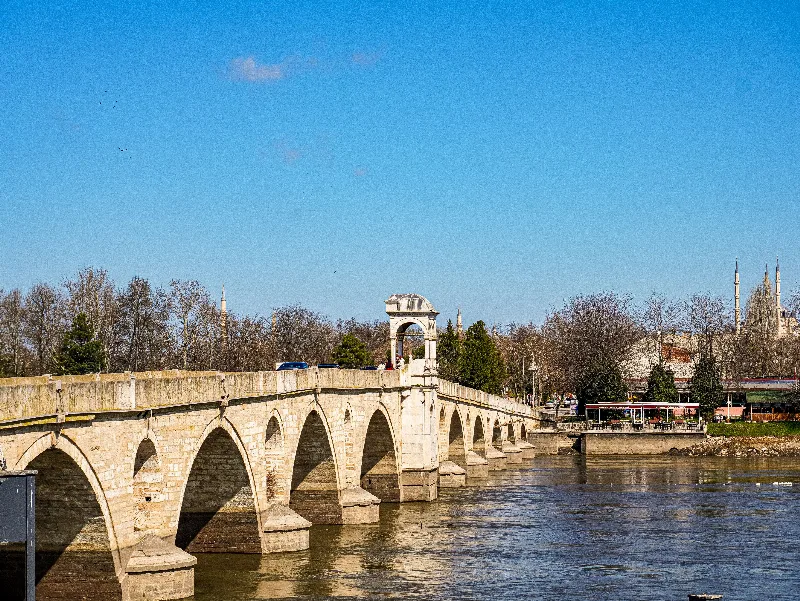
2-Day Edirne and Kırklareli Route
A two-day Thrace journey that starts among the Ottoman monuments of Edirne and continues north into Kırklareli, where cave systems and floodplain forests sit beneath the Yıldız Mountains.
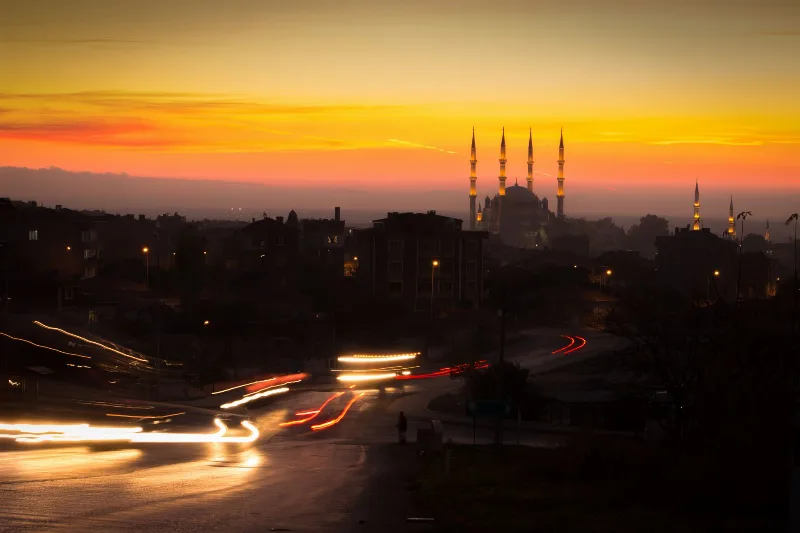
3-Day Thrace Route: Edirne, Kırklareli and Tekirdağ
A practical three-day west-to-east, then south, driving route across Turkish Thrace, linking Edirne's Ottoman monuments with Kırklareli's inland towns and Tekirdağ's Marmara vineyards and coast.
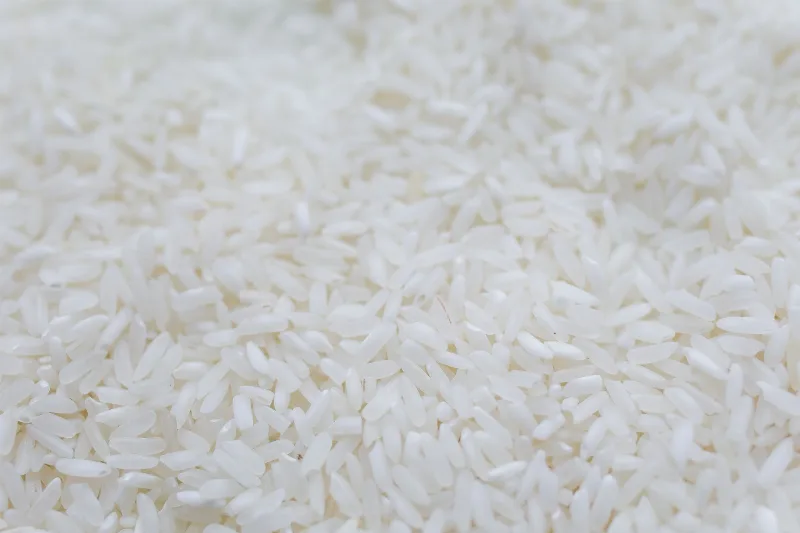
Trakya Baldo Rice
Baldo rice is a large-grain variety grown on the flood plains of Thrace in northwestern Türkiye, where river-fed paddies around Edirne produce grain prized for pilaf. Its long, glassy kernels and the region's water-rich alluvial soils are closely linked.
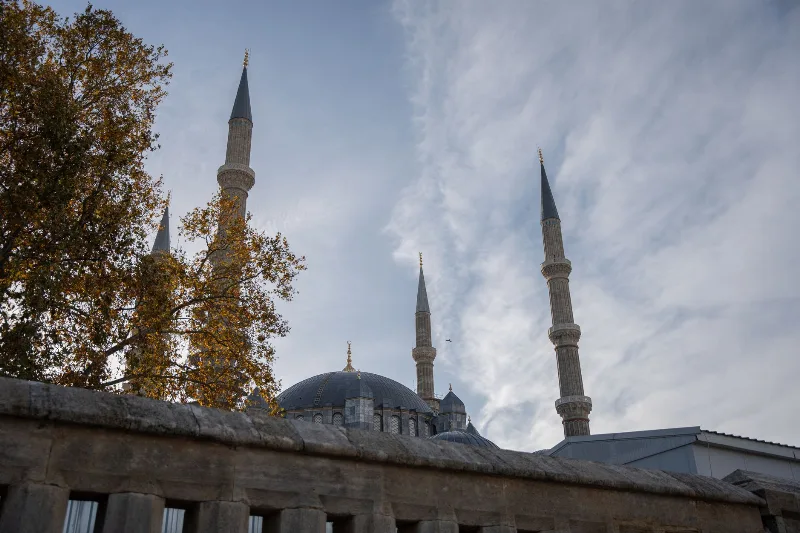
Edirne
Edirne is a northwestern Turkish city near the Greek and Bulgarian borders, renowned for its Ottoman heritage, particularly the Selimiye Mosque, and for hosting the annual Kırkpınar oil wrestling festival.
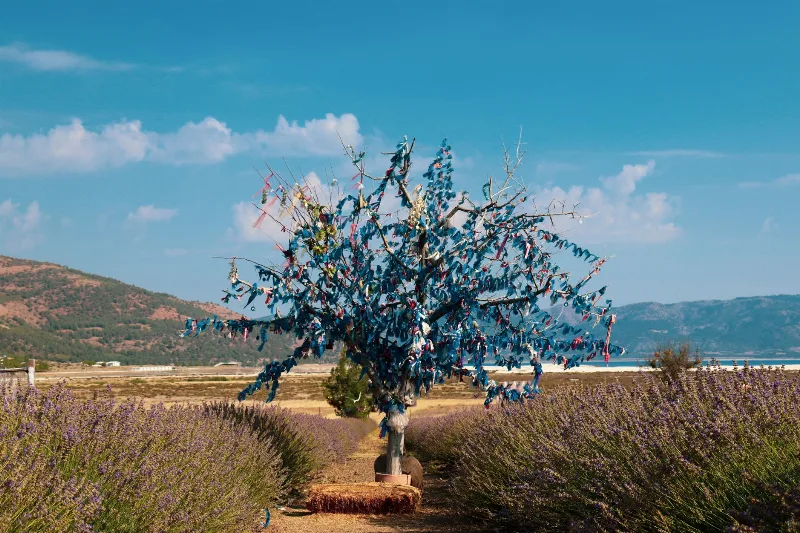
Kuyucak Lavender
Kuyucak lavender is grown around a village in the Keçiborlu district of Isparta province, southwestern Türkiye, where dry slopes and stony soil shape a crop grown mainly for essential oil.
Poppy Bloom in Afyonkarahisar
Each late spring, the licensed poppy fields around Afyonkarahisar flower, turning parts of the plateau red, pink, and purple for a short window in May and June. The bloom marks one stage in a tightly controlled pharmaceutical crop cycle that shapes the province's farming landscape.