
Poppy Bloom in Afyonkarahisar
Each late spring, the licensed poppy fields around Afyonkarahisar flower, turning parts of the plateau red, pink, and purple for a short window in May and June. The bloom marks one stage in a tightly controlled pharmaceutical crop cycle that shapes the province's farming landscape.
Across the open plains and gently rolling uplands around Afyonkarahisar, in the inland part of Türkiye's Aegean region, the poppy fields flower each year in late spring. The bloom normally falls within May and June, when broad stretches of farmland are briefly covered with red, pink, and purple flowers. This period is distinctive because the poppies grown here are not wildflowers or garden ornamentals: they are cultivated under state licence for pharmaceutical purposes, and the flowering stage is a short, highly visible moment in a crop cycle that is otherwise managed for its seed and alkaloid content.
Where the Poppy Fields Bloom
Afyonkarahisar is a large province in western-central Türkiye, sitting on an elevated plateau roughly between the Aegean lowlands and the Anatolian interior. Poppy cultivation is concentrated on arable land in districts such as the plains around Bolvadin, the farmland near Çay, and the area around Sultandağı, as well as on flatter fields closer to the provincial centre. The city's name itself has long been associated with the poppy, and the plant has been part of the local agricultural identity for a very long time.
Because the crop is legally controlled, the fields are not scattered at random. They appear within authorised growing areas, and the poppies are planted as a field crop rather than growing along roadsides or waste ground. Anyone hoping to see the bloom should therefore look to the agricultural land of the province rather than expect a single designated site.
What Causes the Bloom and Why Timing Shifts Each Year
The poppy is an annual crop with a short flowering stage. It is sown in the cooler part of the year, grows through spring, and then flowers when temperatures rise and daylight lengthens. The shift from leafy growth to flowering is driven mainly by warming weather and increasing day length, which is why the bloom does not arrive on a fixed calendar date.
In most years the flowering window sits between May and June, but the exact start depends on the weather of that particular spring. A warm, early spring can bring the flowers forward, while a cool or wet one can hold them back. Rainfall, temperature, and soil moisture all shape how quickly the plants develop, so the sensible way to plan around the season is to think in terms of a normal window rather than a single day.
What the Landscape Looks Like in Flower
When the poppies open, the fields change character quickly. Large patches of the plateau take on a red tone, mixed with pink and purple depending on the variety and the stage of flowering. The effect is strongest when several substantial fields flower at the same time, so the colour becomes part of the wider landscape rather than a small, contained display.
The bloom does not last long. Individual flowers are short-lived, and even across a whole field the most colourful phase generally holds for only a few weeks. After the petals fall, the plants move on to forming the seed capsules that give the crop much of its value, and the fields settle back into a greener, more uniform appearance.
Poppy Cultivation for Pharmaceutical Use
The reason poppies are grown in Afyonkarahisar is pharmaceutical. The plant produces alkaloids that form the basis of certain medicines, and cultivation is managed under strict state control, with growers working inside a licensed system. This is what sets the local poppy season apart from places where poppies are simply wildflowers by the roadside.
Flowering draws attention, but from an agricultural point of view it is only one step. After the flowers fade, the capsules develop, and it is this later stage that is harvested. The seeds are used as well, including for food and for oil. The season therefore has its own rhythm: a brief flowering first, then the slower ripening and collection of the crop.
Weather During the Poppy Season
Late spring on the Afyonkarahisar plateau is generally mild to warm by day with cool nights, and the region can still see unsettled or rainy weather into May. Daytime temperatures typically climb as the season moves towards June, and the plateau's altitude keeps conditions somewhat cooler than the nearby Aegean coast.
This pattern matters for timing. Enough moisture and steady warmth help the crop develop evenly, while a sudden hot spell can push the flowering ahead and shorten the most colourful phase. As a result, the same fields can look noticeably different from one year to the next.
Best Period to See the Poppies and What to Expect
For anyone hoping to catch the bloom, the broad best period is late spring, generally May into June. It is worth treating this as a window rather than a guarantee, since annual weather decides the exact timing. A visitor should realistically expect wide working fields, a short-lived burst of colour, and a farming landscape rather than a managed visitor attraction.
- Flowering is short and concentrated, often only a few weeks at its peak.
- The colour is strongest when several large fields flower at the same time.
- The fields are private farmland, so the bloom is best observed from public roads and viewpoints.
- Timing shifts with spring weather, so local conditions are the most reliable guide.
Places Connected to the Poppy Season
The poppy season is tied to the farming districts of the province rather than to one single spot. The plains near Bolvadin, the cultivated land around Çay, and the area near Sultandağı are among the parts of Afyonkarahisar where the crop is grown, and the provincial centre makes a natural base for understanding the region's long association with the plant. Because the bloom follows the weather of each spring, it is always worth checking local conditions before travelling, and remembering that the poppy fields are a working part of the landscape rather than a fixed seasonal spectacle.
EXPLORE BY THEME
All themes →
Related content
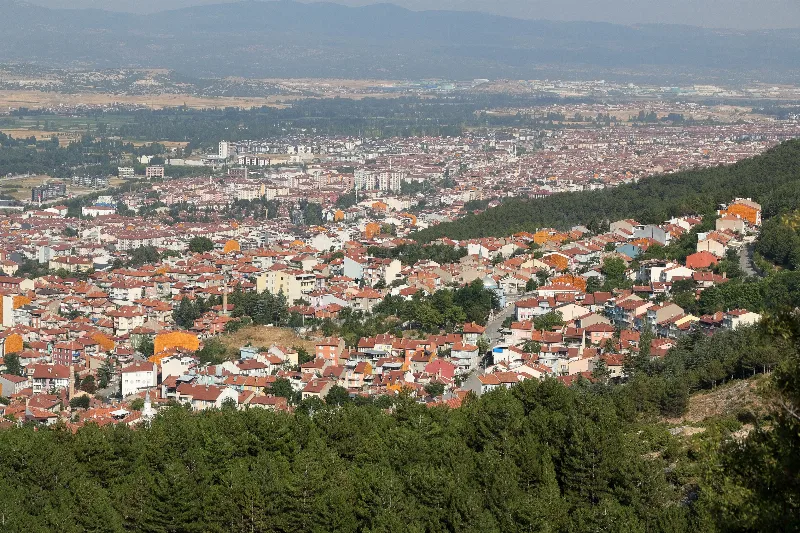
Afyonkarahisar
Explore Afyonkarahisar, western Central Anatolia: history, standout sights, landscapes, local food and practical travel advice for an unforgettable journey in Türkiye.
Afyonkarahisar Marble Quarries and Stonework Tradition
Afyonkarahisar's marble quarries have shaped the province's buildings, crafts and working life for centuries. The region's pale stone travels from hillside pits to workshops where carvers keep a long stoneworking tradition alive.
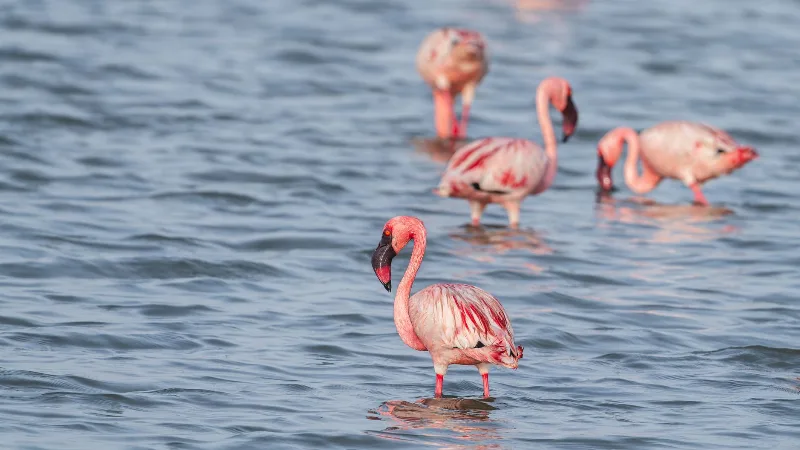
Bird Migration at Lake Eber, Afyonkarahisar
Lake Eber in Afyonkarahisar becomes a feeding and resting ground for migrating waterbirds during the spring and autumn passages, when pelicans, flamingos and large numbers of waterfowl pause on its shallow, reed-fringed water.
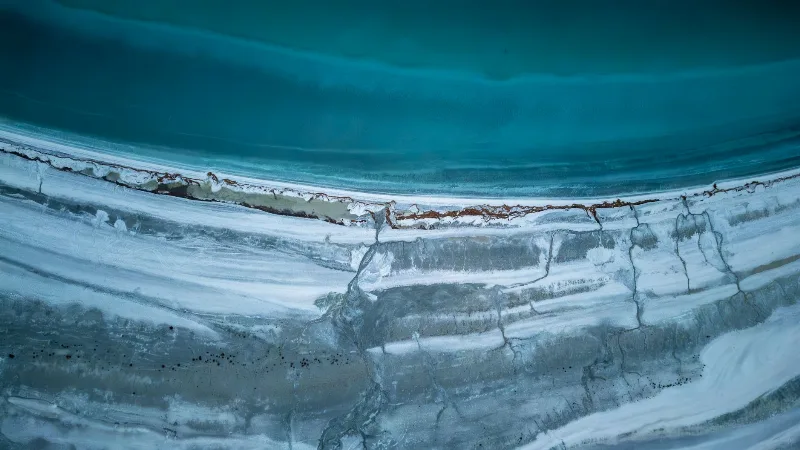
Lake Acıgöl
Lake Acıgöl is a closed-basin saline lake in southwestern Turkey, notable for its sodium sulfate deposits and status as a Ramsar wetland. The article covers its geography, seasonal changes, wildlife, and practical visiting information.
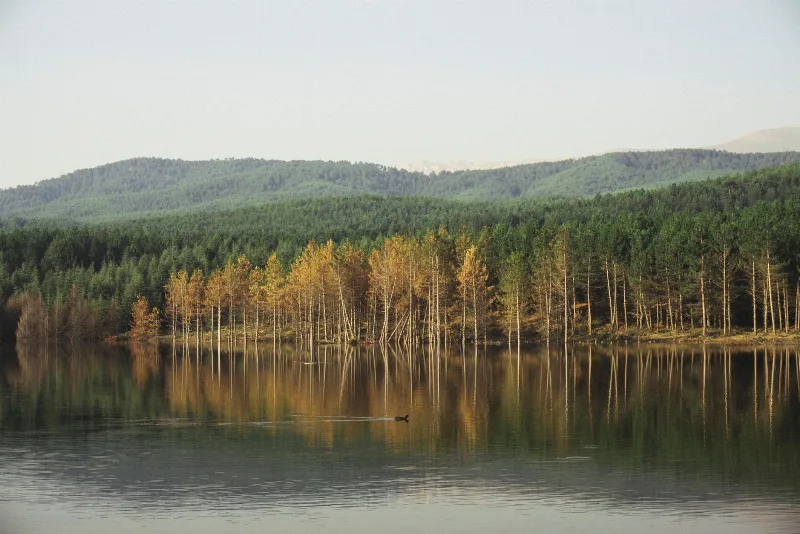
Lake Eber
Lake Eber is a shallow freshwater lake in Afyonkarahisar province, western Turkey, known for its extensive reed beds and as a habitat for numerous bird species.
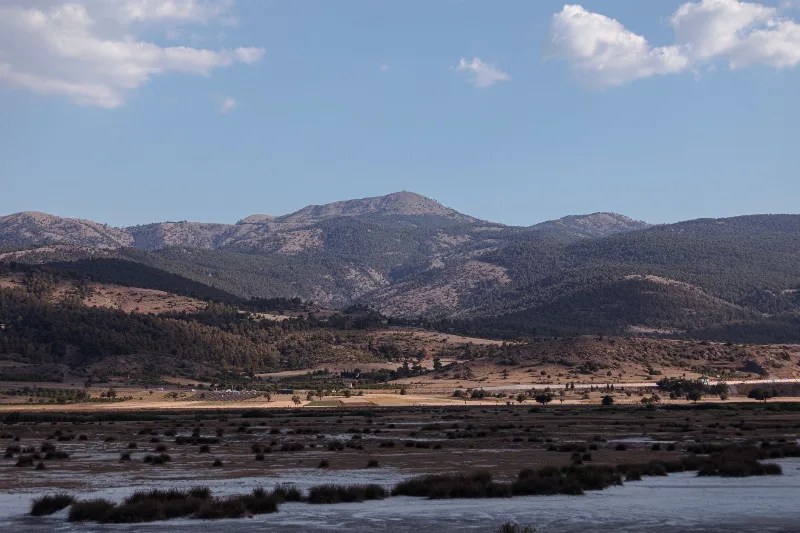
Burdur
Burdur is a provincial capital in southwestern Türkiye, set in the inland Lakes District beside a large saline lake and known for the Roman ruins of Sagalassos and one of Anatolia's oldest Neolithic settlements.