
Bird Migration at Lake Eber, Afyonkarahisar
Lake Eber in Afyonkarahisar becomes a feeding and resting ground for migrating waterbirds during the spring and autumn passages, when pelicans, flamingos and large numbers of waterfowl pause on its shallow, reed-fringed water.
Lake Eber, in the inland province of Afyonkarahisar, functions as a stopover on the bird route that links breeding grounds in Europe with wintering areas further south. Twice a year the lake fills with travelling waterbirds: pelicans and flamingos among them, together with large numbers of ducks, grebes, coots, herons and waders that rest and feed on the shallow water and exposed margins. The spring passage generally falls between March and April, and the autumn passage from September into November, though the exact window moves each year depending on rainfall, water levels and temperature. This is the reason the lake is worth visiting at a particular time rather than any other: outside the migration windows, the same shoreline can look almost empty.
Where Lake Eber sits and what makes it a wetland
Eber lies on the Anatolian plateau at roughly 960 metres, in the triangle formed by the towns of Çay, Bolvadin and Sultandağı, with the Sultan Mountains rising to the south. It is a shallow lake, rarely more than a few metres deep, fed by streams and springs draining those mountains and by the wider Akarçay basin. Because it is shallow and has no deep refuge, its size changes noticeably from year to year: after a wet winter it spreads widely across the plain, while in dry years the open water retreats and broad wet mudflats appear. Those mudflats matter. They are one of the reasons migrating birds find the lake useful, and they are also why the lake's birdlife in any given season is never quite the same as the year before.
Why migrating birds stop here
A shallow, nutrient-rich lake produces exactly what long-distance migrants need — invertebrates, small fish, amphibians and plant material in the shallows and along the reed beds. The dense reed belts of Phragmites around much of the shoreline give birds cover and nesting material, while the open water gives pelicans and diving birds room to feed. The lake's position within the cluster of Central Anatolian wetlands also helps: birds moving across the plateau can hop between Eber, Lake Akşehir to the south-east and the Karamık marshes to the south-west, using each as a refuelling point rather than crossing the dry interior in a single flight.
Spring: the northbound passage
Spring is usually the more concentrated of the two seasons. As snow melts on the Sultan Mountains, water arrives in the basin and levels rise, while the reeds begin pushing up new growth. Migrants heading north often appear on the lake from roughly March onward, with the passage typically strongest through late March and April. This is the period when pelicans are most often reported resting on the open water in groups, and when flamingos appear on the shallow, warmer margins where they can wade and filter-feed. Herons, egrets and waders work the muddy edges, and duck numbers can build quickly after a spell of warm southerly weather. A cold snap can stall the whole movement for several days; a warm front can push birds through in a single night, leaving the lake quieter again the next morning.
Autumn: passage into the winter gathering
Autumn works differently. From about September the lake begins receiving birds drifting south, and numbers generally build through October and into November rather than arriving in one surge. This is when the lake starts to look like a winter waterfowl site rather than a transit point: rafts of ducks and coots form on the open water, grebes feed offshore, and the reed margins fill with the small, busy species that are easy to hear and hard to see. Some of these birds remain if the winter stays mild and open water persists; in colder winters parts of the lake can freeze, and birds shift or move on. The autumn window is therefore longer and less predictable than spring, and the best days often come after the first genuinely cold weather pushes birds down from the north.
Why the timing shifts from year to year
Nothing about this migration runs to a fixed calendar. The decisive factors are the water level in the basin, the amount of winter rain and snowmelt, and the temperature pattern across the plateau in early spring. In a dry year, when the lake has shrunk and the margins have dried hard, fewer birds stop and the ones that do are concentrated on whatever water remains. In a wet year the lake spreads out and birds disperse, so the same site can feel busy in one season and empty in another without any change to the date. Local reed cutting and disturbance along the shore also affect how close birds are willing to settle. Treat any date range as a normal window rather than a promise, and expect the peak to slide by a couple of weeks either way.
What a visitor can realistically see
This is a working agricultural plain, not a managed nature reserve, and viewing is largely from the shore, from village edges and from the roads that run near the water. There are no guarantees of close views: flamingos and pelicans in particular usually keep their distance on open water, and a spotting scope or a good pair of binoculars makes an enormous difference. Early morning is generally the most productive time, before heat haze and wind disturb the surface. Realistic expectations are groups of large waterbirds at mid-distance, waders and herons along the mud, and a constant background of ducks and coots — plus, in spring, the chance of something unusual dropping in overnight.
Conditions on the ground
The plain around Eber is flat and exposed. Spring afternoons can be windy, and the shoreline where birds feed is often soft mud, so waterproof footwear is more useful than anything else. Summer heat arrives quickly after the spring passage ends and the lake becomes far less interesting for birds; winter days can be sharply cold, with fog sitting over the water into late morning. There is little shade, and the light on the shallow water is harsh by midday. Disturbance matters too: birds on a shallow lake flush easily, so keeping to tracks and watching from a distance gives better views than walking to the water's edge.
Nearby wetlands in the same basin
Because the migration is regional rather than confined to one lake, a visit can reasonably be combined with other wetlands in the same part of Afyonkarahisar and neighbouring Konya province. Lake Akşehir lies to the south-east and shares the same shallow, fluctuating character, while the Karamık marshes to the south-west offer a reed-dominated habitat that attracts a different mix of species. The Sultan Mountains behind Eber form the catchment that feeds all of it, and the timing of snowmelt there is a large part of why the spring passage on these lakes coincides with rising water.
EXPLORE BY THEME
All themes →
Related content
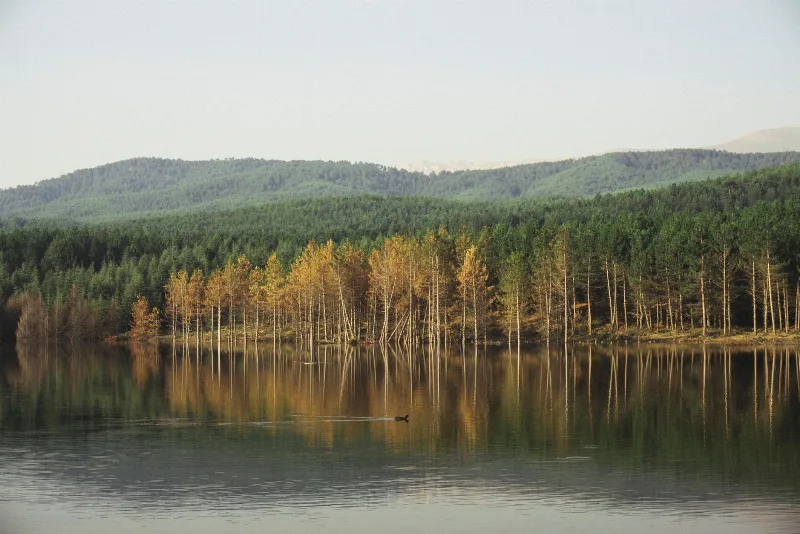
Lake Eber
Lake Eber is a shallow freshwater lake in Afyonkarahisar province, western Turkey, known for its extensive reed beds and as a habitat for numerous bird species.
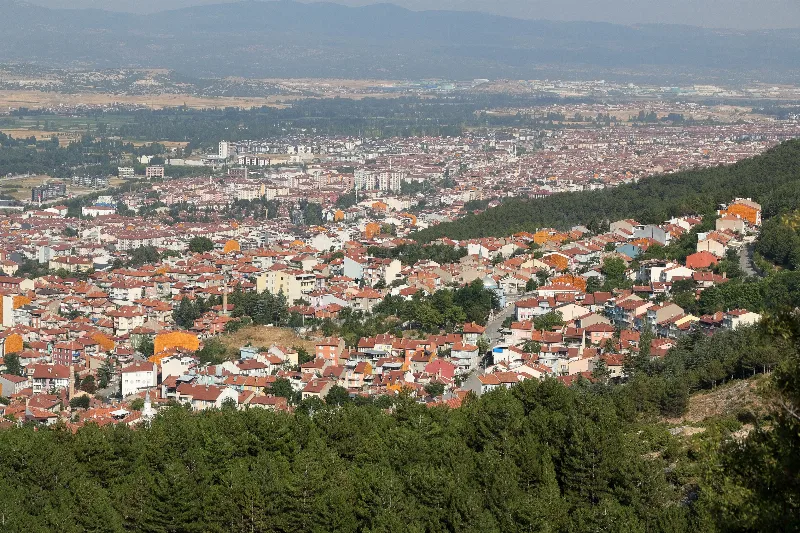
Afyonkarahisar
Explore Afyonkarahisar, western Central Anatolia: history, standout sights, landscapes, local food and practical travel advice for an unforgettable journey in Türkiye.
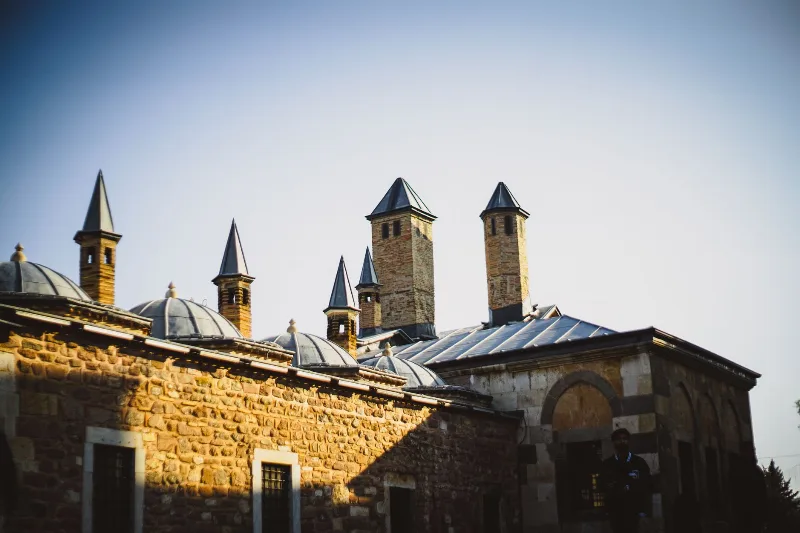
Konya
Konya is a city known for its spiritual essence and cultural heritage, home to the Mevlana Museum and the whirling dervishes.
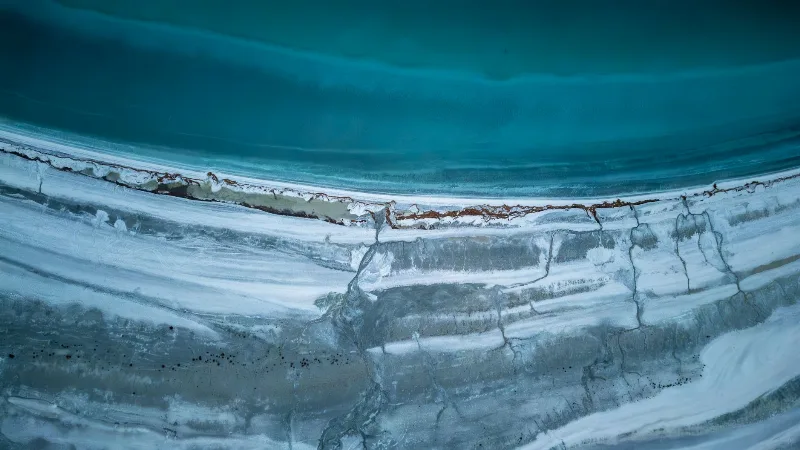
Lake Acıgöl
Lake Acıgöl is a closed-basin saline lake in southwestern Turkey, notable for its sodium sulfate deposits and status as a Ramsar wetland. The article covers its geography, seasonal changes, wildlife, and practical visiting information.
Afyonkarahisar Marble Quarries and Stonework Tradition
Afyonkarahisar's marble quarries have shaped the province's buildings, crafts and working life for centuries. The region's pale stone travels from hillside pits to workshops where carvers keep a long stoneworking tradition alive.
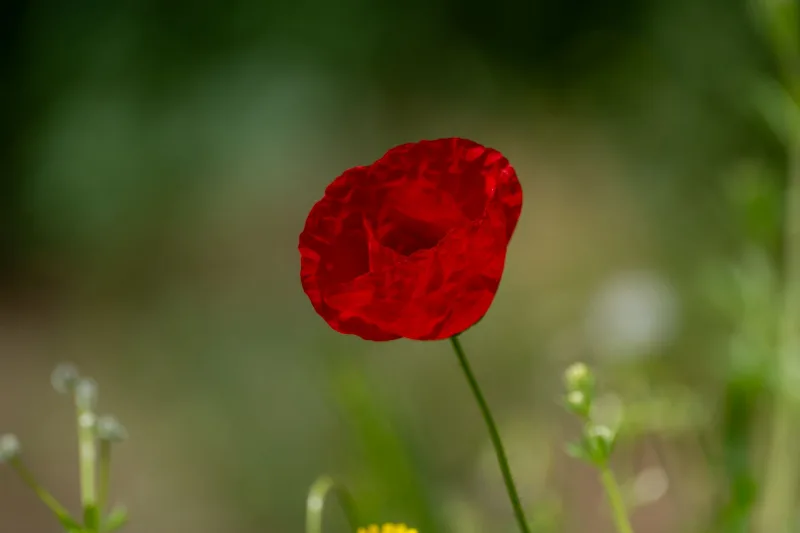
Poppy Bloom in Afyonkarahisar
Each late spring, the licensed poppy fields around Afyonkarahisar flower, turning parts of the plateau red, pink, and purple for a short window in May and June. The bloom marks one stage in a tightly controlled pharmaceutical crop cycle that shapes the province's farming landscape.