
Afyonkarahisar
Explore Afyonkarahisar, western Central Anatolia: history, standout sights, landscapes, local food and practical travel advice for an unforgettable journey in Türkiye.
Afyonkarahisar is a destination in western Central Anatolia, a historic crossroads known for its hilltop fortress, thermal springs and distinctive regional cuisine. Its wider province offers places to explore beyond the provincial centre, and a visit works best when planned around the geography rather than just the best-known photograph. A little geographical context makes a major difference here: places that look close on a map may be separated by winding mountain roads, and seasonal conditions can alter the most sensible route.
Understanding Afyonkarahisar
Afyonkarahisar combines a busy inland city with one of Türkiye’s most recognisable volcanic-rock skylines. The ancient fortress rises abruptly above neighbourhoods, while long-distance roads link the city to western and central Anatolia. For visitors, it is both a destination and a useful stopping point. Its character becomes clearer through older streets, traditional food shops and the contrast between modern thermal hotels and historic town architecture.
History and cultural heritage
The region’s position on routes crossing Anatolia gave it importance over many centuries. Phrygian remains in the wider province connect it with one of the peninsula’s most fascinating early cultures. Seljuk and Ottoman monuments shaped the later town, and Afyonkarahisar also has a significant place in the final phase of the Turkish War of Independence in 1922. These different periods are visible in museums, architecture and memorial landscapes rather than in a single enclosed historic quarter.
Places to see
Afyon Castle crowns an imposing rock above the city; reaching it involves a demanding climb and should be planned according to local access conditions. The Ulu Mosque is valued for its historic timber-supported interior. Traditional streets near the castle reveal old houses and small workshops. Outside the city, the Phrygian Valley features carved rock monuments, ancient routes and unusual formations, including sites around Ayazini. Museums and war memorials add context for visitors interested in twentieth-century history.
Landscape and outdoor experiences
The area has a continental climate, open plateaus and striking rocky terrain. Thermal waters are a major attraction, particularly around established spa districts where bathing and wellness facilities form part of local tourism. The Phrygian landscape offers a slower kind of exploration through villages, stone formations and archaeological remains. Seasonal contrasts are marked: snow and cold are possible in winter, while summer days may be hot and dry despite cool evenings.
Local food and everyday culture
Afyonkarahisar has a strong culinary reputation. Sucuk, kaymak and lokum are widely associated with the city, while hearty meat and wheat-based dishes reflect inland cooking traditions. Visitors can sample these foods at restaurants, breakfast tables and speciality shops. Local pastry and dessert traditions are worth exploring as well. Food is not merely a souvenir here; it offers a practical way to understand the city’s trade history and its links with surrounding farming communities.
Districts and nearby destinations
Sandıklı is well known for its thermal tourism, while İhsaniye provides access to notable sections of the Phrygian Valley. Bolvadin is another long-established town with a distinct local history. Dinar lies farther south on routes toward the Lakes Region. These districts are separated by meaningful driving distances, so it is better to choose a thermal-spa itinerary or an archaeological itinerary than to assume the whole province can be covered quickly.
Planning your visit
Afyonkarahisar is reachable by major intercity highways and has rail links, although routes and frequencies should be verified. It works well as a stop on journeys between Ankara, İzmir and other western Anatolian destinations. Spring and autumn are comfortable for town walks and excursions; thermal visits are possible year-round. Shoes with reliable grip help on historic stone streets and rocky paths. Check individual heritage-site hours and spa policies in advance.
Suggested route and deeper experiences
It is helpful to separate the city-centre heritage from the wider province. A castle-area walk introduces old streets and the town’s silhouette, while a second outing can focus on Ayazini and other carved landscapes of the Phrygian Valley. If you prefer relaxation, make a thermal resort the centrepiece of the trip and add shorter cultural visits around it. The city is also an excellent place to explore regional ingredients: compare traditional sucuk shops, try kaymak with breakfast and seek a locally prepared main course. Buying sweets or packaged foods is optional; the markets and small kitchens themselves provide an interesting window into the area’s daily economy.
How to make the most of your time
Begin with the parts of Afyonkarahisar that interest you most, then build a realistic route around them. Check up-to-date opening hours, transport options and weather before leaving, especially for remote cultural sites and mountain roads. If you have only one day, prioritise one substantial excursion and leave enough time for meals and unplanned stops. With more time, explore another district for a fuller understanding of the province. Respect protected landscapes, religious sites and the everyday life of local communities.
Travel style and useful considerations
A visit to Afyonkarahisar can be organised as a short cultural stop, a longer regional journey or part of a route through neighbouring provinces. The most appropriate choice depends on the season, access to a vehicle and how much walking you enjoy. In smaller settlements, services may be less frequent than in major tourism centres. Keep a flexible schedule, confirm return transport where relevant and ask permission before photographing people or private property. These small preparations help keep the experience rewarding for visitors and considerate toward local residents.
Discover Food in Türkiye
All food →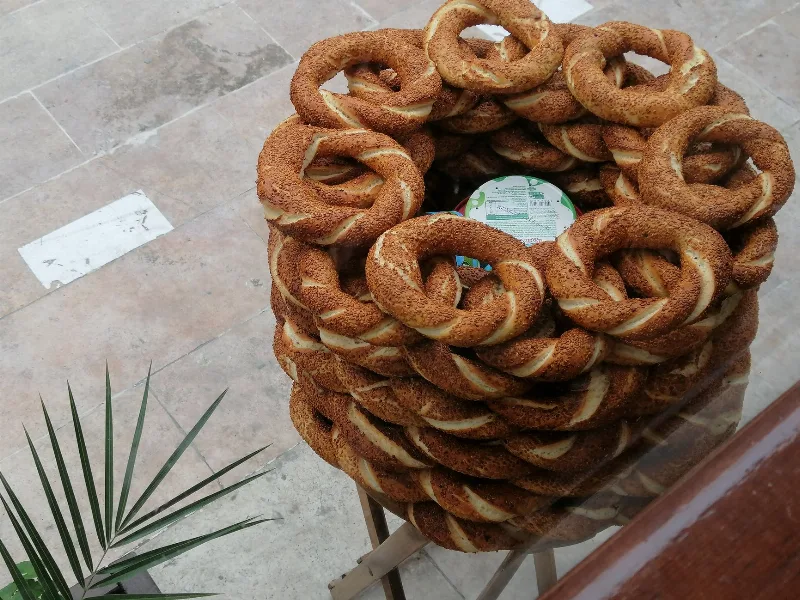
Simit
Simit is a ring-shaped Turkish bread covered in sesame seeds, strongly associated with Istanbul and sold as everyday street food. It is eaten fresh, most often with tea, and has a crisp crust around a chewy crumb.
Explore →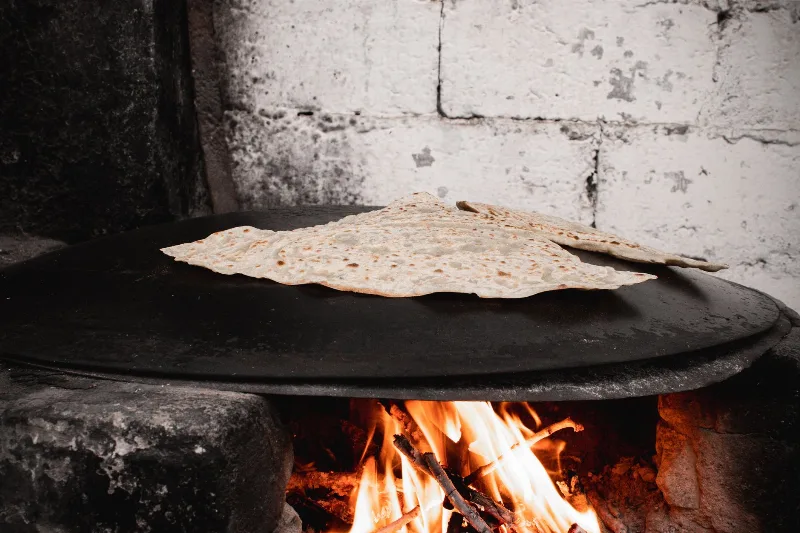
Bazlama
Bazlama is a soft, thick Turkish flatbread made from a leavened dough and cooked on a hot griddle. It is a staple of village baking across Anatolia, eaten warm with butter or used to wrap other foods.
Explore →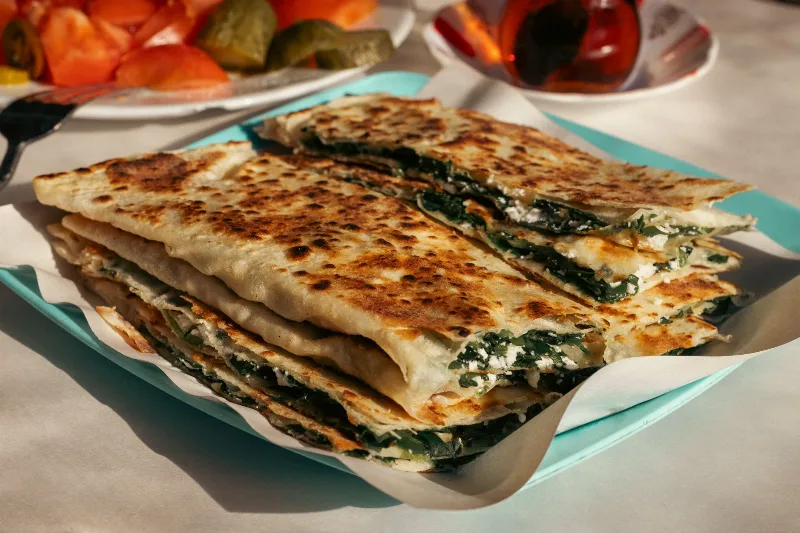
Gözleme
Gözleme is a thin, hand-rolled Anatolian flatbread folded around savory fillings such as cheese, spinach, or minced meat and cooked on a sac griddle. The article covers its regional variations, cooking method, texture, and traditional serving style.
Explore →Related content
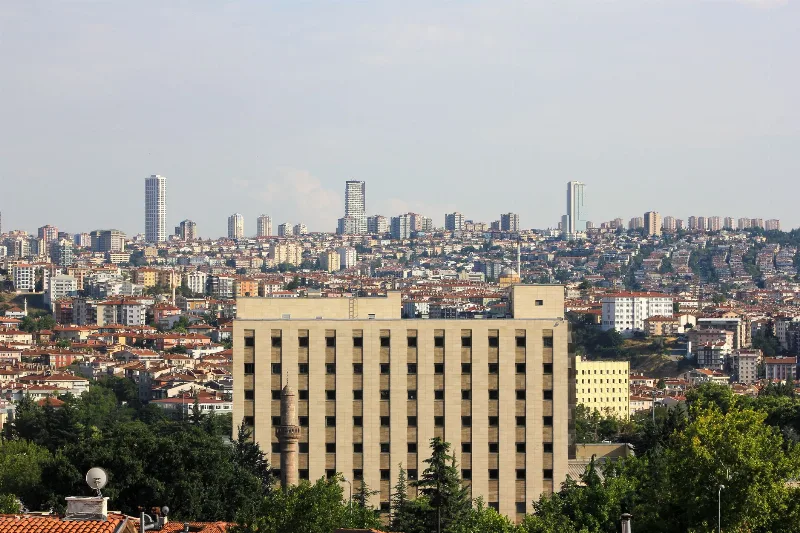
Ankara
Ankara is the capital of Türkiye and the country's second-largest city, set on the high plateau of Central Anatolia and defined by its republican institutions, its long pre-Ottoman history and the mausoleum of Mustafa Kemal Atatürk.
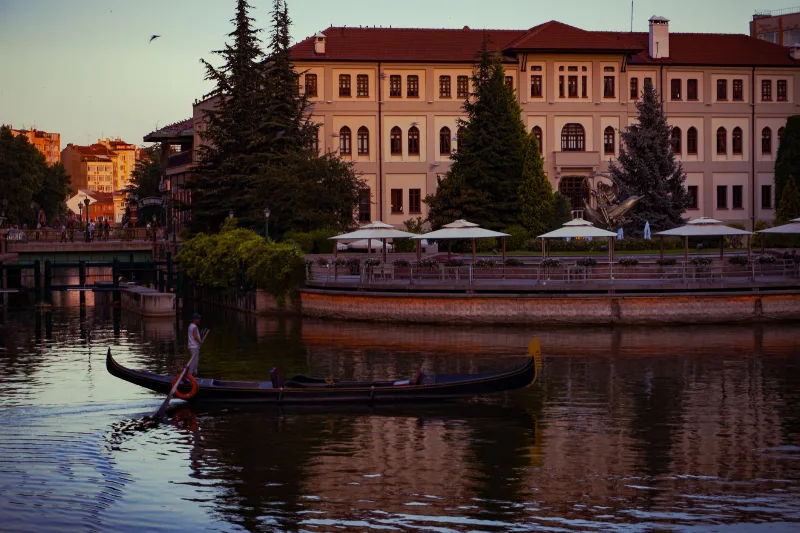
Eskişehir
Eskişehir is a university city on the Porsuk River in northwestern Central Anatolia, where a restored Ottoman-era quarter and a modern, pedestrian-friendly centre sit side by side.
Afyonkarahisar Marble Quarries and Stonework Tradition
Afyonkarahisar's marble quarries have shaped the province's buildings, crafts and working life for centuries. The region's pale stone travels from hillside pits to workshops where carvers keep a long stoneworking tradition alive.

Poppy Bloom in Afyonkarahisar
Each late spring, the licensed poppy fields around Afyonkarahisar flower, turning parts of the plateau red, pink, and purple for a short window in May and June. The bloom marks one stage in a tightly controlled pharmaceutical crop cycle that shapes the province's farming landscape.
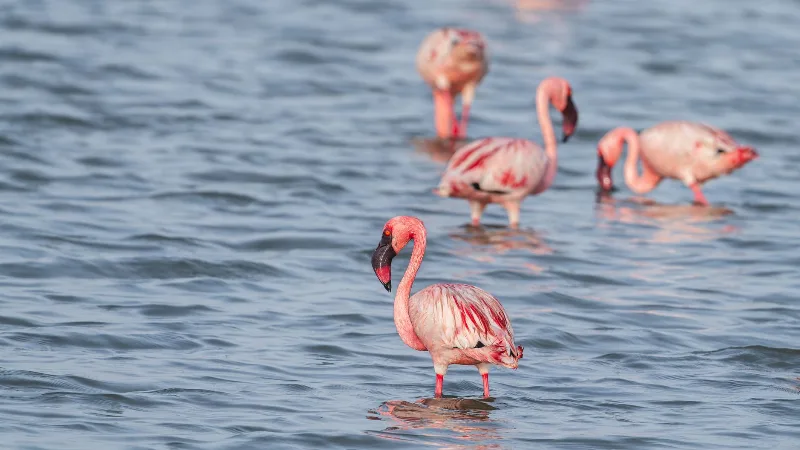
Bird Migration at Lake Eber, Afyonkarahisar
Lake Eber in Afyonkarahisar becomes a feeding and resting ground for migrating waterbirds during the spring and autumn passages, when pelicans, flamingos and large numbers of waterfowl pause on its shallow, reed-fringed water.
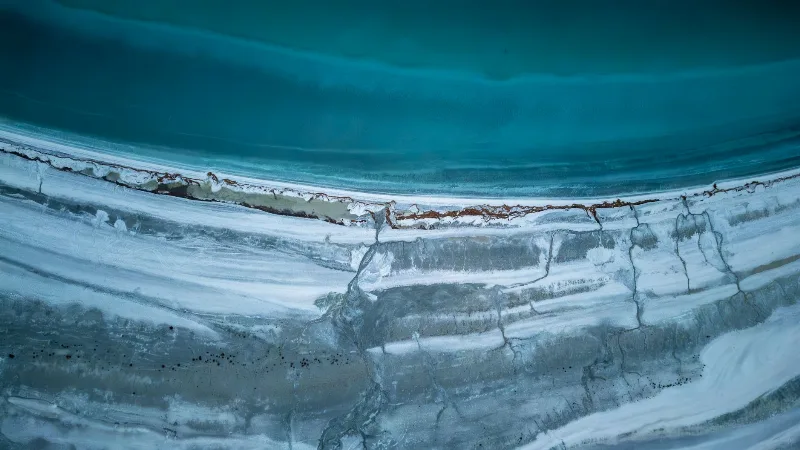
Lake Acıgöl
Lake Acıgöl is a closed-basin saline lake in southwestern Turkey, notable for its sodium sulfate deposits and status as a Ramsar wetland. The article covers its geography, seasonal changes, wildlife, and practical visiting information.