
Lake Acıgöl
Lake Acıgöl is a closed-basin saline lake in southwestern Turkey, notable for its sodium sulfate deposits and status as a Ramsar wetland. The article covers its geography, seasonal changes, wildlife, and practical visiting information.
Lake Acıgöl is a closed-basin saline lake located in southwestern Turkey, spanning the border between Denizli and Afyonkarahisar provinces. It is one of the largest saline lakes in the country, with no outlet to the sea, which causes water to evaporate and leave behind concentrated minerals. The lake is particularly known for its extensive sodium sulfate deposits, which form white crusts along the shores during dry periods. The surrounding landscape is a flat, arid basin with agricultural fields and scattered wetlands, creating a distinct environment that contrasts with the greener parts of the Aegean region.
Geographical Setting and Formation
The lake occupies a tectonic depression that was formed by faulting in the region. It lies at an elevation of approximately 840 meters, although the exact water level fluctuates significantly. The basin is closed, meaning that water enters from streams and rainfall but cannot flow out, so it only leaves through evaporation. This process concentrates dissolved minerals, especially sodium sulfate, in the water. The lake is relatively shallow, and its surface area expands and contracts depending on the season. The surrounding terrain is mostly flat, with some low hills in the distance. The lake is fed by several small streams, but it has no major river inflow.
The Sodium Sulfate Deposits and Water Chemistry
Lake Acıgöl is renowned for its high concentration of sodium sulfate, a mineral used in various industries. As water evaporates during the hot summer months, sodium sulfate precipitates out of the solution and forms a bright white crust, primarily composed of thenardite. This crust can cover large areas of the lakebed when the water recedes. The lake's water is highly alkaline and saline, making it unsuitable for drinking or irrigation. The mineral deposits have been extracted commercially for decades, but the lake remains an important natural site. The presence of these deposits gives the lake a striking appearance, especially when the white crust contrasts with the blue water or the brown surrounding plains.
Seasonal Changes and Landscape Dynamics
The lake's appearance changes dramatically throughout the year. In winter and early spring, increased rainfall and reduced evaporation cause the water level to rise, covering much of the lakebed and diluting the salinity. During this period, the lake can resemble a large, shallow water body, attracting waterbirds. As temperatures rise in late spring and summer, evaporation intensifies, and the water level drops, sometimes exposing vast expanses of the sulfate crust. By late summer and autumn, the lake may shrink significantly, and the white deposits become the dominant feature. These seasonal fluctuations are crucial for the lake's ecology and for the mineral formation process.
Wildlife and Ecological Importance
Lake Acıgöl is recognized as a Ramsar site, a designation given to wetlands of international importance. It serves as a vital stopover and breeding ground for numerous bird species, particularly during migration seasons. Flamingos, pelicans, ducks, and shorebirds are commonly observed, especially in spring and autumn when the water levels are moderate. The lake's high salinity limits the diversity of aquatic plants and fish, but it supports specialized invertebrates that feed the birds. The surrounding wetlands and salt flats also provide habitat for various plant species adapted to saline conditions. Conservation efforts focus on maintaining the water balance and protecting the bird populations from disturbance.
Access and Practical Considerations
The lake is accessible by road from nearby towns in both Denizli and Afyonkarahisar provinces, such as the town of Başmakçı in Afyonkarahisar. There are no designated visitor facilities, and the area is primarily used for agriculture and mineral extraction. Visitors should be aware that the terrain around the lake can be muddy or covered with a sharp salt crust, making walking difficult. The lake itself is not suitable for swimming due to its high salinity and alkaline nature. The best times to observe wildlife are during spring and autumn migrations. Summer visits offer the chance to see the sulfate deposits, but temperatures can be very high, and there is little shade. Winter can be cold and wet. Visitors should bring water, sun protection, and sturdy footwear. There are no marked trails, and access to certain areas may be restricted due to mining or conservation regulations.
Conservation Status and Nearby Natural Areas
Lake Acıgöl is protected under the Ramsar Convention and is also recognized as an Important Bird Area. The lake is part of a larger network of wetlands in the region, including nearby Lake Işıklı and the Büyük Menderes River delta. These areas together support a rich biodiversity. The main threats to the lake include water extraction for irrigation, pollution from agricultural runoff, and climate change, which can alter the delicate balance of water levels. Conservation efforts aim to manage these pressures while allowing sustainable use of the lake's mineral resources. For those interested in natural landscapes, the lake offers a unique environment that is both geologically and ecologically significant.
Beaches & bays
See the coast →
Related content
Denizli
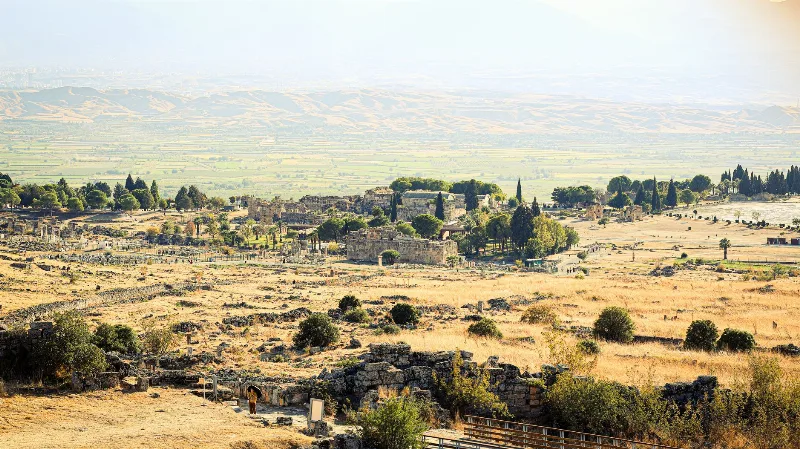
Denizli is the inland capital of Denizli Province in Türkiye's Aegean region, known internationally for the Pamukkale travertine terraces and ancient Hierapolis, and at home as a major textile city with its own long-crowing rooster breed.
Afyonkarahisar
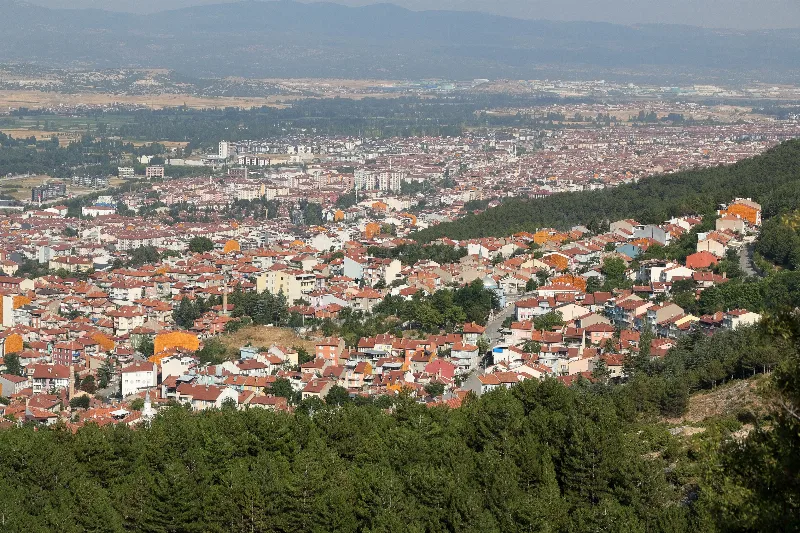
Explore Afyonkarahisar, western Central Anatolia: history, standout sights, landscapes, local food and practical travel advice for an unforgettable journey in Türkiye.
Lake Burdur
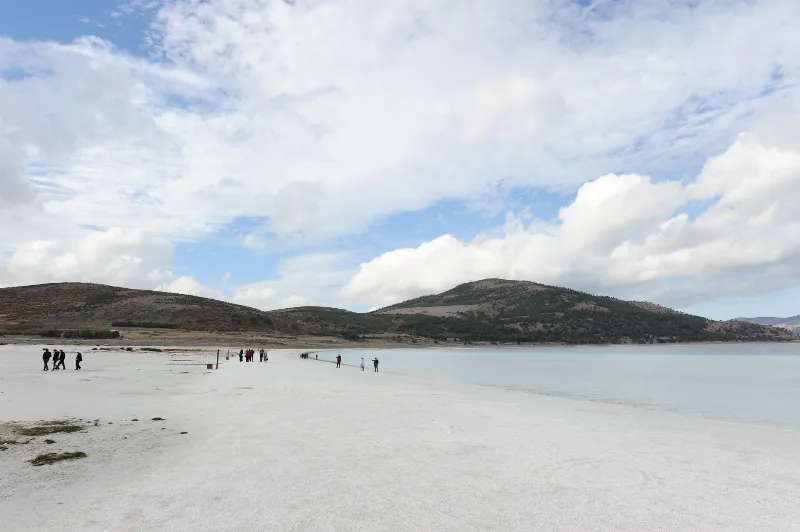
Lake Burdur is a large tectonic soda lake in Burdur Province, south-western Türkiye, with strongly alkaline water, a broad shifting shoreline and international importance for wintering waterbirds. Its closed basin, mineral chemistry and retreating waterline make it one of the most distinctive inland landscapes of the Turkish Lakes Region.
Burdur
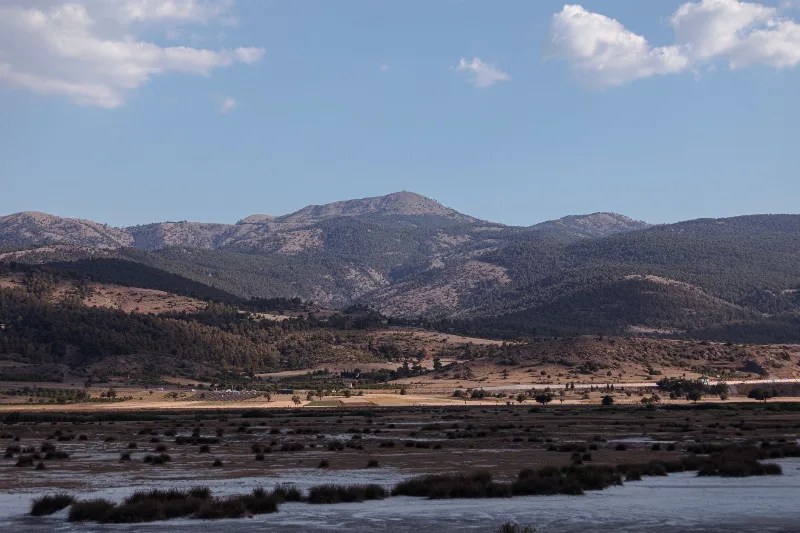
Burdur is a provincial capital in southwestern Türkiye, set in the inland Lakes District beside a large saline lake and known for the Roman ruins of Sagalassos and one of Anatolia's oldest Neolithic settlements.
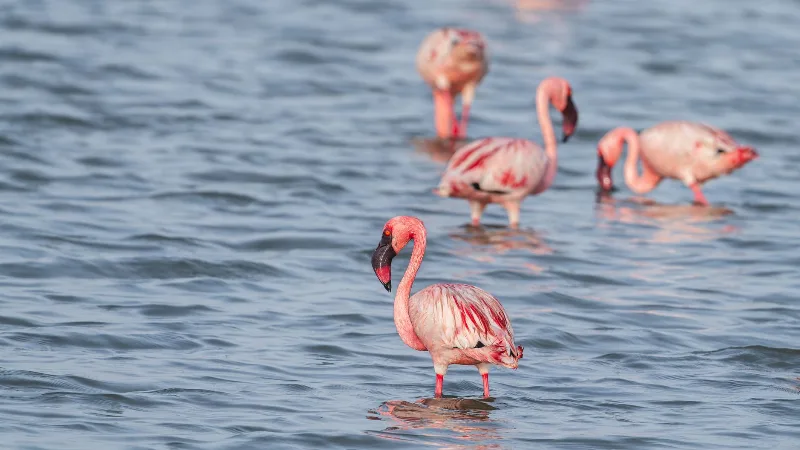
Bird Migration at Lake Eber, Afyonkarahisar
Lake Eber in Afyonkarahisar becomes a feeding and resting ground for migrating waterbirds during the spring and autumn passages, when pelicans, flamingos and large numbers of waterfowl pause on its shallow, reed-fringed water.
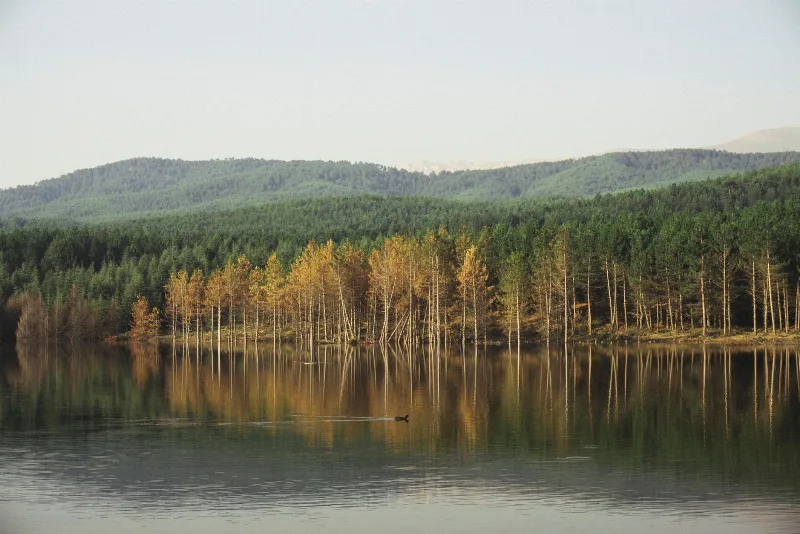
Lake Eber
Lake Eber is a shallow freshwater lake in Afyonkarahisar province, western Turkey, known for its extensive reed beds and as a habitat for numerous bird species.