
Afyonkarahisar Marble Quarries and Stonework Tradition
Afyonkarahisar's marble quarries have shaped the province's buildings, crafts and working life for centuries. The region's pale stone travels from hillside pits to workshops where carvers keep a long stoneworking tradition alive.
Afyonkarahisar, in the inner Aegean region of Türkiye, is a province whose identity is bound up with stone. Its marble quarries supply a material that has been cut, carved and polished here for centuries, and the results are visible throughout the region — in the steps of old mosques, the façades of civic buildings, gravestones, fountains and the small carved objects sold in local workshops. The stone is not simply an export commodity; it is part of the everyday texture of the place.
A landscape shaped by marble
The marble-bearing hills lie mainly to the north-east of the provincial capital, around the town of İscehisar and the villages nearby. Here the ground itself seems to change character: pale outcrops break through the slopes, and the roadsides are lined with cut blocks waiting to be loaded. The stone varies from near-white to cream, with grey and sometimes violet veining running through it. This variety is one of the reasons the area has remained important for so long, since different beds suit different purposes — from large structural slabs to finely detailed ornamental work.
The quarries are worked in the open, in terraces cut back into the hillside. Blocks are separated from the bedrock, squared off and then transported to cutting yards, where they are sliced into slabs or shaped on lathes and saws. Much of the finishing still happens close to the source, which is why the towns around the quarries have a distinctive working character, with workshops, storage yards and skilled crews forming the backbone of local employment.
The ancient reputation of Docimium stone
The marble of this district has travelled far for a very long time. In antiquity the quarries near present-day İscehisar were known as Docimium, and stone from them was shipped across the Roman world. It appears in columns, veneers and sculpture in buildings far from Anatolia, prized for its colour and for the way it took a polish. Some of the beds produced a striking stone with purple or violet markings, which was quarried in blocks and used for architectural decoration and statuary. This long history gives the modern industry an unusual depth: the same hills that supply contemporary builders once supplied imperial workshops.
From quarry block to carved detail
Stoneworking here is a chain of distinct skills. At one end are the quarrymen and the heavy machinery operators who read the seams and judge how a block will behave once cut. In the yards, sawyers and polishers bring out the surface of the stone, choosing finishes that range from a soft honed texture to a mirror-smooth sheen. At the other end are the carvers and letter-cutters, who work with chisels, rasps and hand-held tools on smaller pieces.
- Architectural work: floor tiles, stair treads, cladding, window surrounds and columns.
- Funerary and commemorative stone: headstones, plaques and inscriptions cut by hand.
- Decorative objects: mortars, bowls, trays, vases and small sculptural pieces.
- Restoration work: replacement stone for historic buildings, matched to the original material.
Much of this work is learned on the job. Apprentices begin with simple shaping and sanding before moving on to measured cutting and, eventually, to free carving. The skills pass between family workshops and larger ateliers, and the tools on the bench often include implements whose basic form has not changed in generations.
Stone in the townscape
The presence of the quarries is easy to read in Afyonkarahisar's built environment. Marble appears in the steps and courtyards of historic mosques, in public squares, in municipal buildings and in the thresholds of ordinary houses. The province's cuisine, too, has a small stone connection: the heavy marble mortars used for pounding wheat, meat and spices are a familiar kitchen item, and the smooth, cold surface of marble is traditionally used for rolling out dough and for setting sweets.
Visitors travelling through the district notice the way the material links the landscape to the town: hillside quarry, cutting yard, workshop, building, kitchen. It is a short chain, and it gives Afyonkarahisar a coherent craft identity that reaches from Roman cargo ships to the workbench of a carver shaping a small bowl on a spring afternoon.
Related content
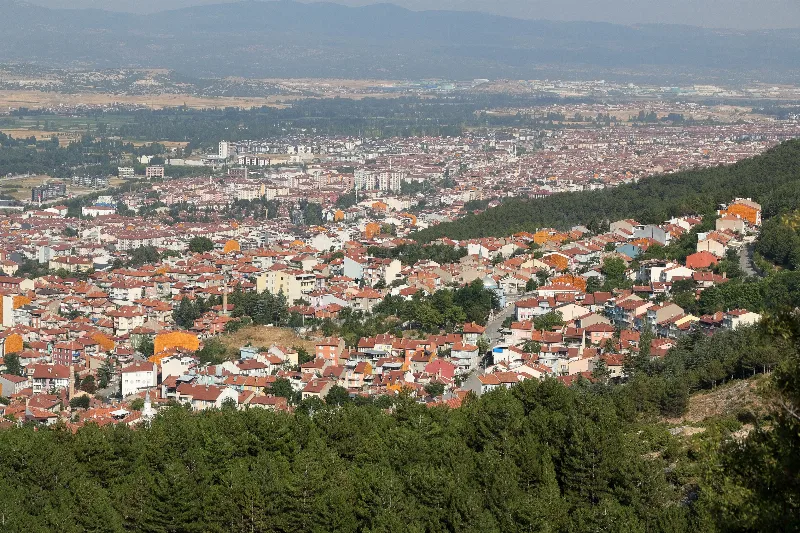
Afyonkarahisar
Explore Afyonkarahisar, western Central Anatolia: history, standout sights, landscapes, local food and practical travel advice for an unforgettable journey in Türkiye.
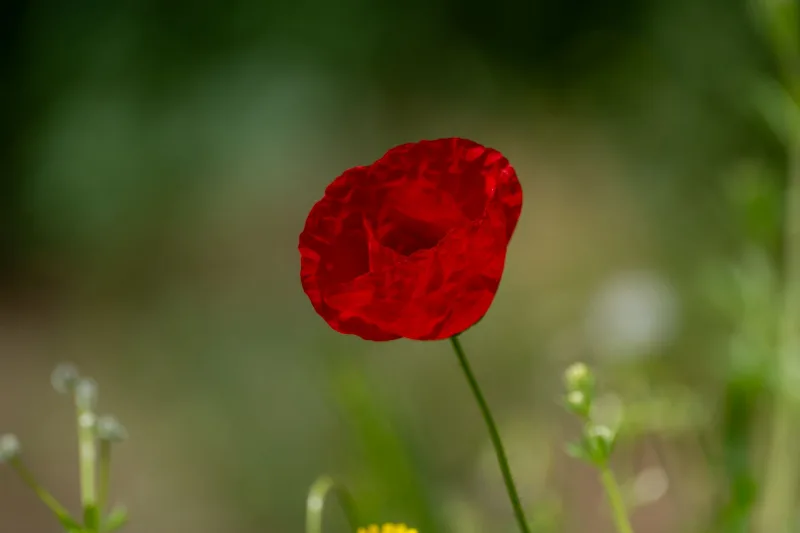
Poppy Bloom in Afyonkarahisar
Each late spring, the licensed poppy fields around Afyonkarahisar flower, turning parts of the plateau red, pink, and purple for a short window in May and June. The bloom marks one stage in a tightly controlled pharmaceutical crop cycle that shapes the province's farming landscape.
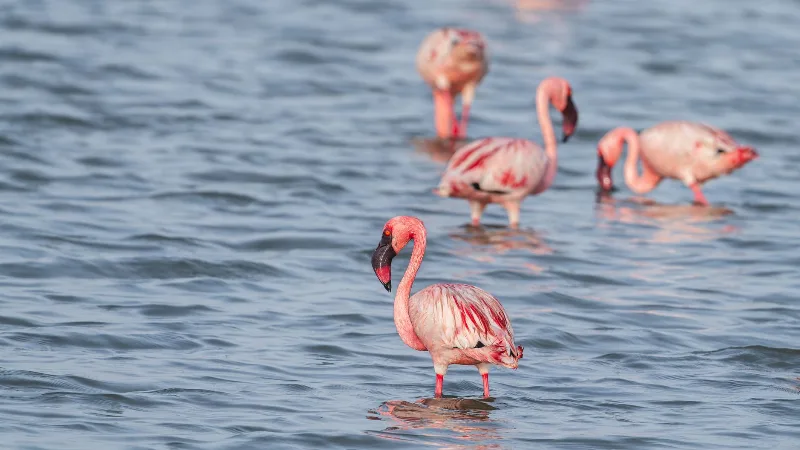
Bird Migration at Lake Eber, Afyonkarahisar
Lake Eber in Afyonkarahisar becomes a feeding and resting ground for migrating waterbirds during the spring and autumn passages, when pelicans, flamingos and large numbers of waterfowl pause on its shallow, reed-fringed water.
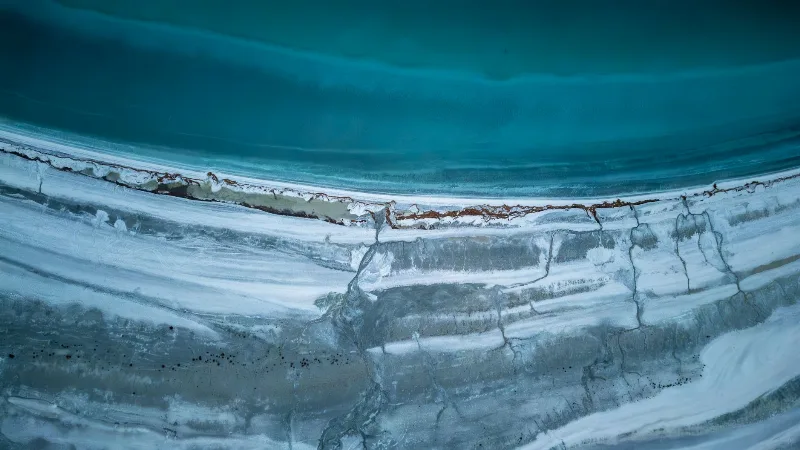
Lake Acıgöl
Lake Acıgöl is a closed-basin saline lake in southwestern Turkey, notable for its sodium sulfate deposits and status as a Ramsar wetland. The article covers its geography, seasonal changes, wildlife, and practical visiting information.
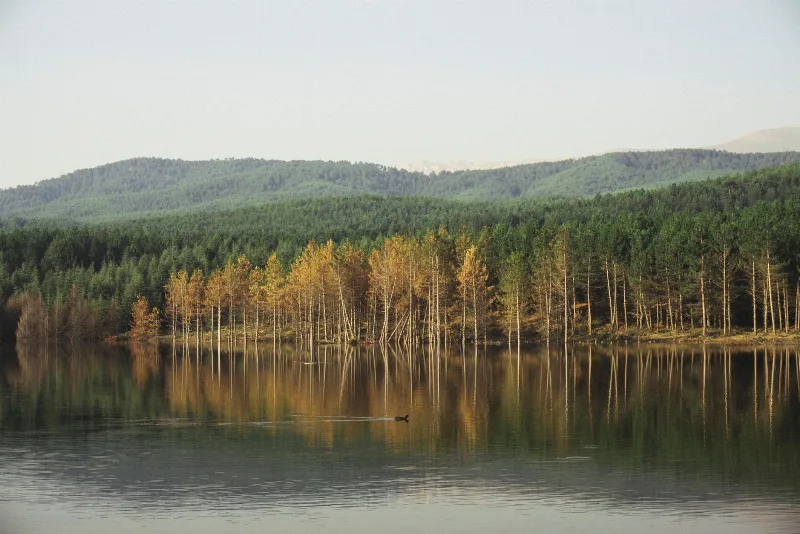
Lake Eber
Lake Eber is a shallow freshwater lake in Afyonkarahisar province, western Turkey, known for its extensive reed beds and as a habitat for numerous bird species.
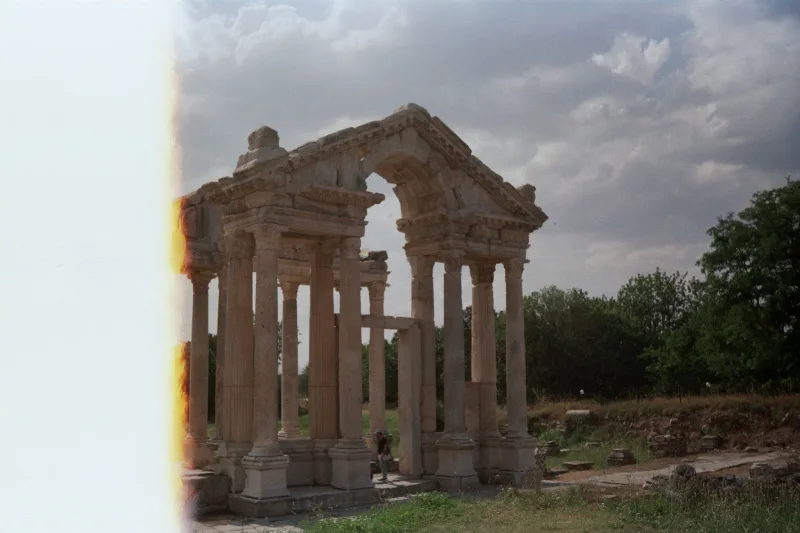
The Ancient City of Aphrodisias in Aydın
Aphrodisias in Aydın province is an ancient city dedicated to the goddess Aphrodite, celebrated for its stadium, temple and marble sculpture workshops.
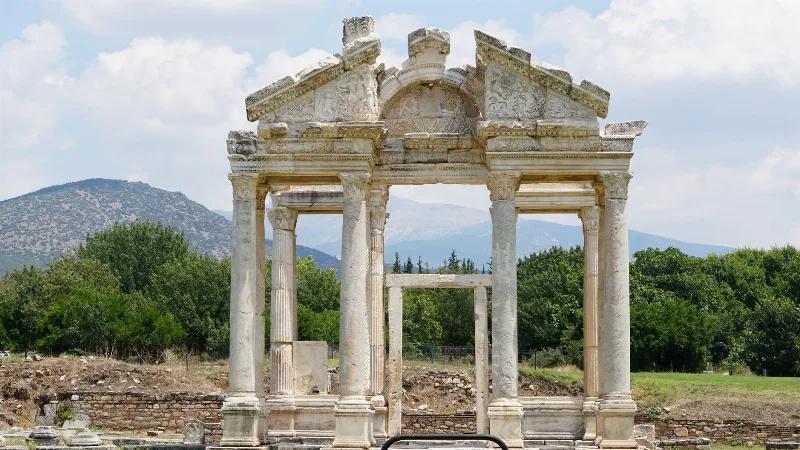
Aphrodisias
Aphrodisias is an ancient city in Aydın Province, Türkiye, built around a sanctuary of Aphrodite and celebrated for its marble sculpture and remarkably intact public buildings. It has been a UNESCO World Heritage Site since 2017.
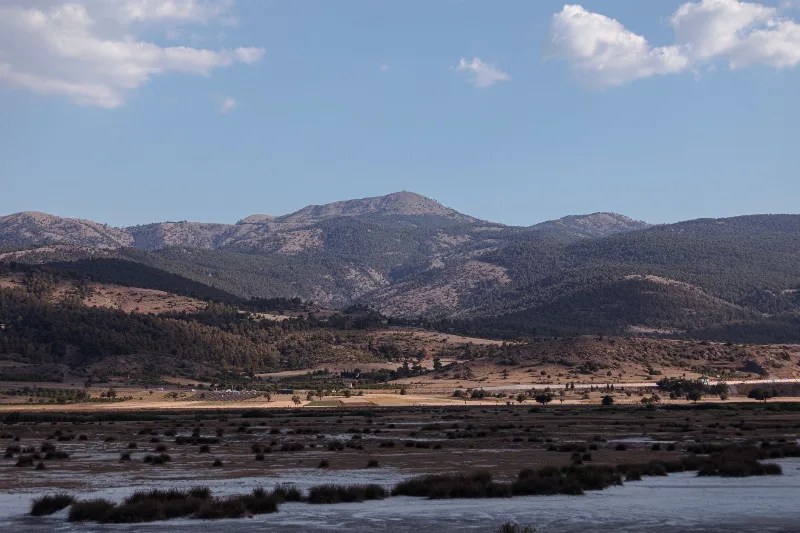
Burdur
Burdur is a provincial capital in southwestern Türkiye, set in the inland Lakes District beside a large saline lake and known for the Roman ruins of Sagalassos and one of Anatolia's oldest Neolithic settlements.