
Kuyucak Lavender
Kuyucak lavender is grown around a village in the Keçiborlu district of Isparta province, southwestern Türkiye, where dry slopes and stony soil shape a crop grown mainly for essential oil.
Kuyucak lavender is the lavender grown on the slopes around Kuyucak, a village in the Keçiborlu district of Isparta province in southwestern Türkiye. The village sits in the Lakes District, an inland plateau where hot, bright summers and cold winters are separated by short springs. Lavender is cultivated here mainly for the essential oil distilled from its flowers, and secondarily for dried bouquets, household uses and cosmetic ingredients.
What ties the plant so firmly to this particular place is the fit between a drought-tolerant aromatic shrub and a landscape that is stony, sloping and short of irrigation. Over roughly half a century, lavender has moved from a few experimental plots to become the crop most associated with the village's identity.
Where Kuyucak Lavender Is Grown
Kuyucak belongs to Keçiborlu, a district of Isparta province, and lies close to the boundary with Burdur province. The village is small, and its fields are not concentrated on a single flat plain but spread over the slopes and terraces that surround the settlement. This pattern matters: lavender is planted in blocks where drainage is good and where the ground is not needed for heavier, irrigation-dependent crops.
Isparta is already known for the oil rose (Rosa damascena), which has been grown and distilled in the province for aromatic oil for well over a century. Lavender grew into a second aromatic crop alongside that tradition, using much of the same village-level knowledge of planting, cutting and distillation, but demanding far less water than roses.
Why the Isparta Landscape Suits Lavender
Lavender is a plant of dry, sunny, well-drained ground in its native Mediterranean range, and the inland stretches of Isparta province reproduce those conditions with unusual consistency.
- Soil: The surrounding land is often thin, rocky and calcareous, with stone close to the surface. Such ground drains quickly, which suits a plant that suffers badly in waterlogged soil.
- Slope and airflow: The village is ringed by gentle to moderate gradients. Water runs off rather than collecting around the roots, and air moves freely through the fields.
- Summer heat and light: Long, bright, dry summers encourage heavy flowering and help concentrate aromatic compounds in the flower spikes.
- Winter cold: Cold winters, sometimes with snow, give the plants the dormancy period they need and help limit some pests and fungal problems that trouble lavender in humid climates.
- Limited rainfall: Because the area is inland and relatively dry, lavender is a practical choice where irrigation is scarce or expensive.
The combination places Kuyucak in a band of Türkiye where lavender can be grown without irrigation for much of the season, which is one reason the crop spread so widely across the village's marginal slopes.
The Plant and the Lavender Grown in Kuyucak
Lavender is a woody, evergreen sub-shrub in the mint family, with narrow, grey-green leaves and dense spikes of small purple flowers held above the foliage. The plants become woody at the base with age and lose productivity, so fields are eventually cleared and replanted.
The plantings in and around Kuyucak are dominated by lavandin, the naturally occurring hybrid between true lavender (Lavandula angustifolia) and spike lavender (Lavandula latifolia). Lavandin produces larger plants, longer spikes and considerably more flower mass per hectare, which suits fields grown for oil rather than for fine perfumery. True lavender is also grown on a smaller scale. The scent of the local lavender is sweet and fresh with a slightly camphoraceous edge, characteristic of lavandin rather than the softer, rounder profile of true lavender from higher mountain sites.
Growing Cycle, Flowering and Harvest
The annual rhythm in Kuyucak follows the inland climate closely. Plants rest through the coldest part of winter, put on new growth in spring, and begin to form flower spikes as the weather warms. Flowering usually starts around late June and continues into July, with harvest running from roughly late June through August depending on altitude, season and the age of the plants.
Cutting is timed for the moment when the flowers on a spike are fully open but still fresh, since oil quality and yield fall as blooms fade in the heat. On smaller plots, bunches are still cut by hand with sickles or shears, often in the cooler hours of the morning. On larger fields, mechanical cutters are increasingly used, and the cut material is gathered the same day so that it reaches the still fresh.
Lavender is a long-lived but not permanent crop. A field may be productive for a number of years before plants turn woody and yields decline, after which the ground is prepared and replanted.
Distillation and Handling After Harvest
Most of the crop is distilled rather than sold as dried flower. Steam distillation, carried out at village scale in small stills, separates the aromatic oil from the green stems and flowers. The resulting oil is a dark, strongly scented liquid that is stored in sealed containers away from light and heat to protect its aroma.
A share of the harvest is handled differently. Bunches are tied and hung to dry in shaded, airy space, keeping their colour and scent for sachets, dried arrangements and household use. This dual pattern — oil for industry, dried flowers for direct use — shapes how the harvest is managed from field to storage.
What Distinguishes Kuyucak Lavender
The local reputation of Kuyucak lavender rests less on a single measurable trait than on the conditions under which it is grown. Dry, sunlit slopes and stony, fast-draining soils produce compact plants with dense flowering and a pronounced aroma. Because the fields sit at inland elevations with cold winters and warm, clear summers, the plants avoid the damp, mild conditions that make lavender leafy but weakly scented in more humid regions.
The result is a lavender that is valued for its strong, clean fragrance, and that is used in the same way as other oil lavenders: as a raw aromatic material rather than as a table ingredient.
Lavender in Village Life and the Local Economy
Lavender has changed the look and the working calendar of the village. Purple flowering blocks now overlap with the stony, pale ground of the surrounding hills, and the harvest period brings extra labour and activity. An annual lavender festival held in the village during the flowering season has grown into a regional event, drawing visitors to the fields at the moment when the crop is at its most visible. For many households, lavender provides an income stream that complements other farming and helps keep small-scale agriculture viable on land that is difficult for more demanding crops.
Lavender Elsewhere in Isparta and Türkiye
Kuyucak is the village most closely identified with lavender in Türkiye, but it is not the only place where the crop is grown. Lavender has spread to other villages in Isparta province and into neighbouring Burdur, following similar dry, elevated terrain. Further afield, lavender is also cultivated in parts of Thrace, including around Kırklareli, and in scattered locations in the Aegean region. These areas share the basic requirements of the plant — sun, drainage and winter cold — but each has its own local growing tradition.
How Kuyucak Lavender Is Used
The dominant use of the crop is aromatic. Essential oil distilled from the flowers goes into soap, cosmetics, perfumes and household products, and lavender water is used as a light fragrance. Dried flowers are kept in sachets and used to scent linen and cupboards.
In the kitchen, lavender plays a modest but real role. The dried flowers are brewed as a herbal infusion and are occasionally used in small quantities to flavour desserts, syrups and baked goods, where its resinous, floral note is used sparingly. It is not a staple of the local cuisine in the way that the region's other agricultural products are; its importance lies in oil, fragrance and the agricultural landscape it has created.
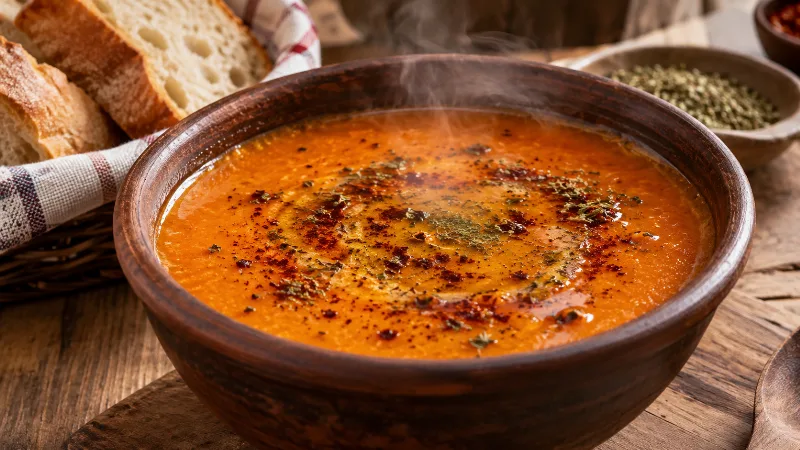
Tarhana Çorbası
Tarhana Çorbası is a traditional Anatolian soup made from a sun-dried, fermented mixture of wheat, yogurt and vegetables, cooked into a warm, tangy broth.
Explore →
Kayseri Mantısı
Small Turkish dumplings traditionally associated with Kayseri, served with garlic yogurt and seasoned butter.
Explore →
Lahmacun
Lahmacun is a paper-thin flatbread spread with a finely chopped, spiced meat topping and baked quickly at high heat. It is most closely associated with Şanlıurfa and Gaziantep, and is traditionally eaten rolled with lemon and parsley.
Explore →Related content
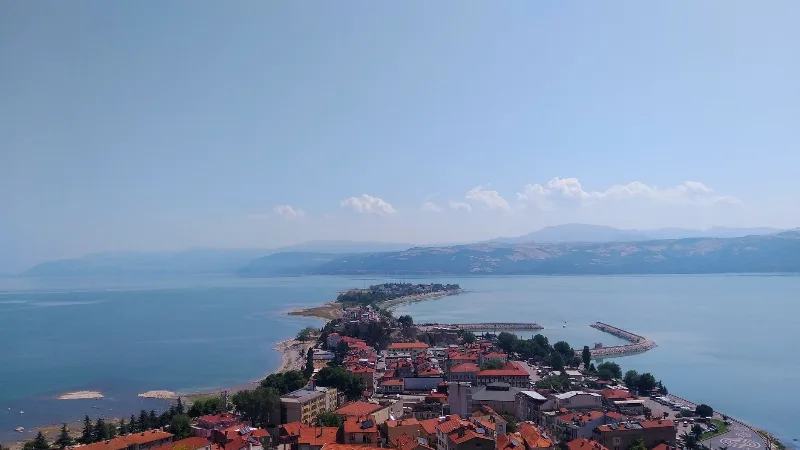
Isparta
Isparta is a city in southwestern Türkiye, renowned for its rose oil production and apple orchards. It serves as a hub for the Lakes Region, with Lake Eğirdir and several natural parks nearby.
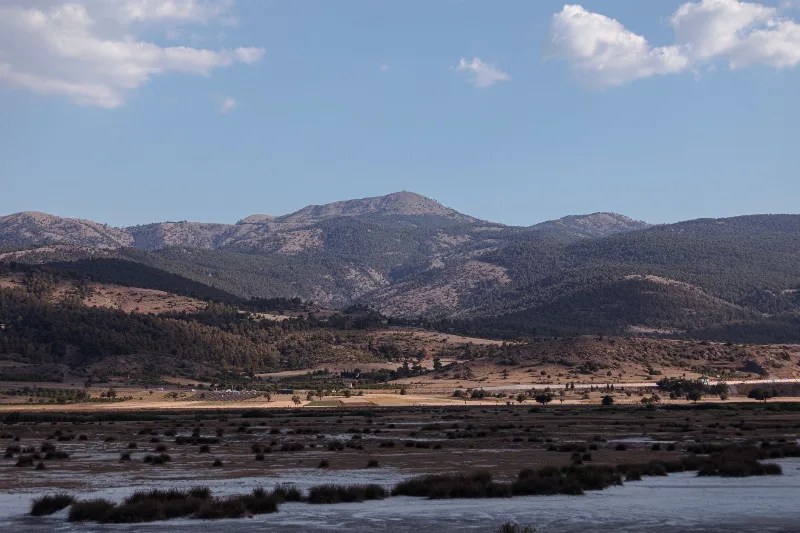
Burdur
Burdur is a provincial capital in southwestern Türkiye, set in the inland Lakes District beside a large saline lake and known for the Roman ruins of Sagalassos and one of Anatolia's oldest Neolithic settlements.
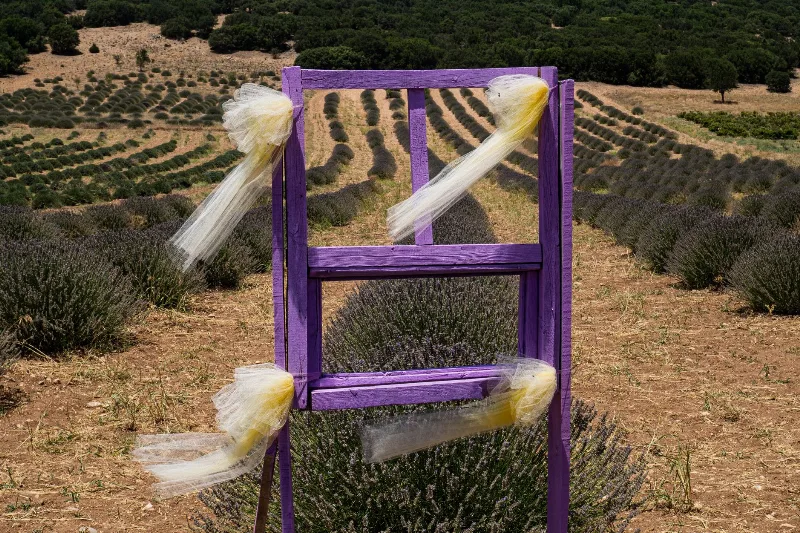
Isparta Lavender
Isparta lavender is the aromatic crop grown on the high, dry plateaus of Isparta province in southwestern Türkiye, where calcareous soils and sun-drenched summers produce essential oil, dried flowers and a purple summer landscape.
Lavender Bloom in Kuyucak, Isparta
Each summer the village of Kuyucak in Isparta province turns purple as its lavender fields come into full flower, usually from July into August. The bloom is short, weather-dependent, and tied directly to the harvest that follows it.
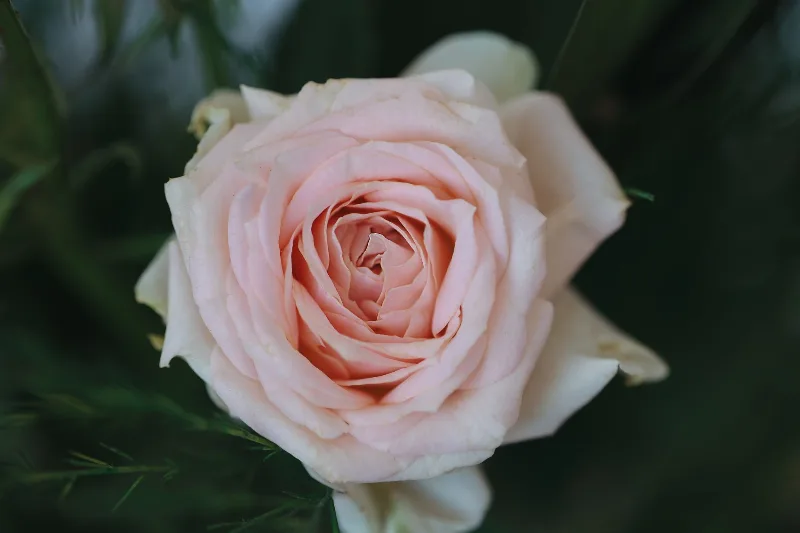
The Rose Harvest in Isparta
Every spring the gardens around Isparta in Türkiye blush with Damask roses, and the picking begins long before dawn. It is a season of pink fields, copper stills and a fragrance that follows you through the streets.
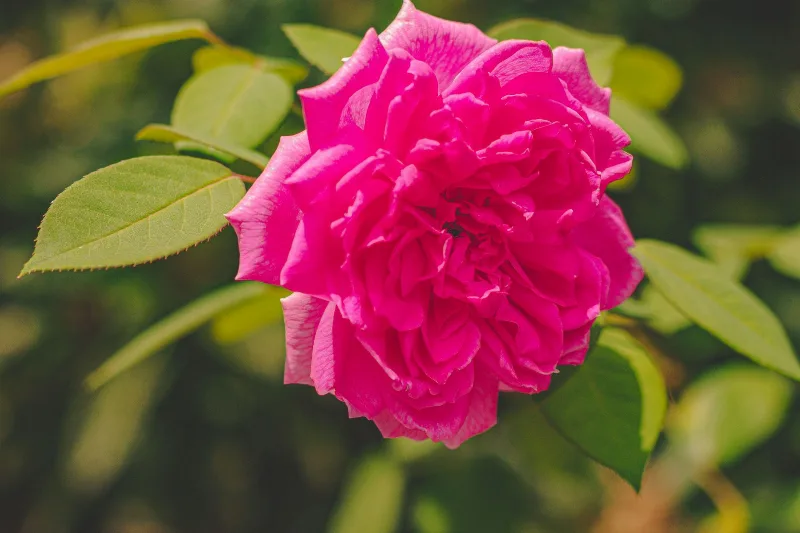
Rose Harvest in Isparta
The rose harvest in Isparta, Turkey, typically occurs in late May and June, when Damask rose fields are in full bloom. This short season is essential for rose oil and rose water production, and visitors can observe the traditional harvesting and distillation process.