
Tarhana Çorbası
Tarhana Çorbası is a traditional Anatolian soup made from a sun-dried, fermented mixture of wheat, yogurt and vegetables, cooked into a warm, tangy broth.
Tarhana Çorbası is a traditional soup built from tarhana, a fermented and dried food made by combining cracked wheat or bulgur with yogurt, vegetables and salt, then letting the mixture ferment before drying it. Once dried and ground into a coarse powder or crumbled into pieces, tarhana is stored for later use and cooked with water or stock to become a thick, tangy soup. It is eaten across Anatolia and is especially associated with the central Anatolian provinces, where home-made tarhana is still prepared in large batches, often during late summer, so that a supply lasts through the colder months.
What Tarhana Actually Is
Tarhana is not a soup in its raw state. It is a preserved food in its own right, and the soup is only one of the ways it is used. The base is almost always wheat, most commonly cracked wheat or fine bulgur, which is mixed with yogurt that has been left to ferment. Onion, tomato, red or green pepper and salt are usually worked into the mixture, and regional kitchens add herbs such as mint, thyme or dill, and occasionally chickpeas or a small amount of flour. The whole mass is kneaded, covered and left to ferment for several days, during which it develops a sour, savory character.
After fermentation, the mixture is shaped into balls or flattened pieces and dried in the sun. It is then broken up, rubbed between the hands or ground into a granular powder. This is the form in which tarhana is most often kept, and it is this dried material that gives the soup its name.
Where It Comes From
Fermented grain-and-yogurt mixtures of this kind are old and widespread, appearing under related names in the Balkans and the eastern Mediterranean as well as in Türkiye. Within Türkiye, tarhana is a broadly shared tradition rather than the specialty of a single city, but several provinces are known for their own styles. Kırşehir, Kastamonu, Afyonkarahisar, Sivas and Kahramanmaraş are among the places where local tarhana is prepared with particular care and where the soup is closely tied to household cooking.
Because the preparation method is passed down through families rather than fixed by a single standard, the exact ingredients and proportions vary considerably from one region to another. This is why tarhana from different areas can differ noticeably in color, aroma and sourness.
How Tarhana Is Traditionally Prepared
The process begins with cooking or soaking the wheat, then mixing it thoroughly with yogurt and the prepared vegetables. The mixture is left to ferment, sometimes for a week or more, until it is distinctly sour and fragrant. It is then portioned and sun-dried on cloths or flat surfaces. Once fully dry, it is crumbled or milled and stored in cloth bags or jars, where it keeps for many months.
Two broad forms are common. Dried tarhana is the powdered or granular type that is stored and later cooked. Fresh tarhana, sometimes called yaş tarhana, is used before it is fully dried and produces a soup with a softer, less sharp flavor.
Cooking the Soup
To make the soup, the dried tarhana is dissolved in water or stock and simmered gently until it thickens. Many cooks begin by softening onion in butter or oil, sometimes with a spoonful of tomato or pepper paste, before adding liquid and the tarhana. The soup is stirred so that the grains do not settle and burn, and it is simmered until it reaches a smooth, slightly thickened consistency. A finishing spoonful of butter melted with dried mint or red pepper flakes is a common way to enrich it just before serving.
The result is a soup that is thicker than a clear broth but not as heavy as a puree. It has a faintly grainy body from the wheat and a sour, savory taste that comes directly from fermentation. Depending on the regional mixture, it can taste more of yogurt, more of tomato and pepper, or more of the herbs that were added.
Regional Variations
Variations tend to follow the ingredients available in each area and the habits of the household. Some versions lean heavily on tomato and pepper and turn out reddish, while others are pale and rely more on yogurt and wheat. Some kitchens add chickpeas for extra body, and others keep the mixture simple. Milk-based tarhana produces a milder, creamier soup, while strongly fermented and heavily herbed types give a sharper, more aromatic result. Because of these differences, the same dish can appear quite differently from one province to the next.
How It Is Served and Eaten
Tarhana Çorbası is typically eaten as a first course or as a warm meal on its own, most often in autumn and winter. It is commonly served with crusty bread, and in many homes it is accompanied by olives, cheese or a simple salad. It also appears alongside main dishes as a starter. The soup is usually eaten hot, and the dried tarhana needed to make it is kept on hand throughout the year, which is one reason it remains such a practical part of home cooking.
What Sets It Apart
Tarhana Çorbası is distinct from other Turkish soups because its flavor comes from a fermented, dried ingredient rather than from fresh stock or vegetables added at the time of cooking. The fermentation gives it a sour, deep taste that is difficult to reproduce with fresh ingredients alone, and the drying step turns a seasonal mixture into a shelf-stable staple. It is both a soup and the story of a preservation method, and that combination is what makes it recognizably its own dish.
Related content
Afyonkarahisar
Explore Afyonkarahisar, western Central Anatolia: history, standout sights, landscapes, local food and practical travel advice for an unforgettable journey in Türkiye.
Kahramanmaraş
Kahramanmaraş is an inland city in southern Türkiye, set on a plain below the Taurus Mountains, known worldwide for its elastic salep-based dondurma and for a textile industry built on denim.
Yayla Çorbası
Yayla Çorbası is a Turkish soup built on yogurt and rice, thickened gently with egg and flour and finished with a sizzle of butter poured over dried mint. It is eaten warm or at room temperature and appears on tables from home kitchens to everyday restaurants across the country.
Turkish Delight and Sweets
Turkish delight sits at the heart of a layered confectionery culture that runs from Ottoman court kitchens to family tables across Türkiye. The sweets range from chewy lokum and syrup-soaked pastries to milk puddings and sesame helva.
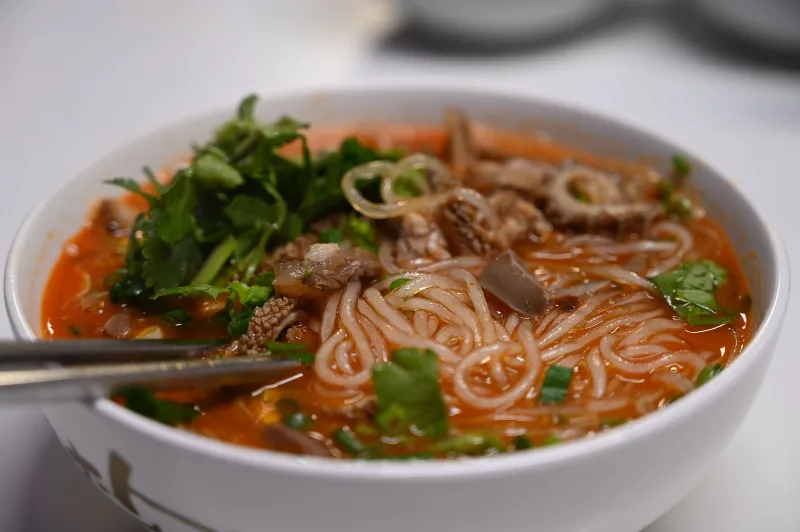
İşkembe Çorbası
İşkembe Çorbası is a traditional Turkish tripe soup flavored with garlic, vinegar, and red pepper. Often consumed late at night as a hangover cure, it is a staple of Turkish street food culture.
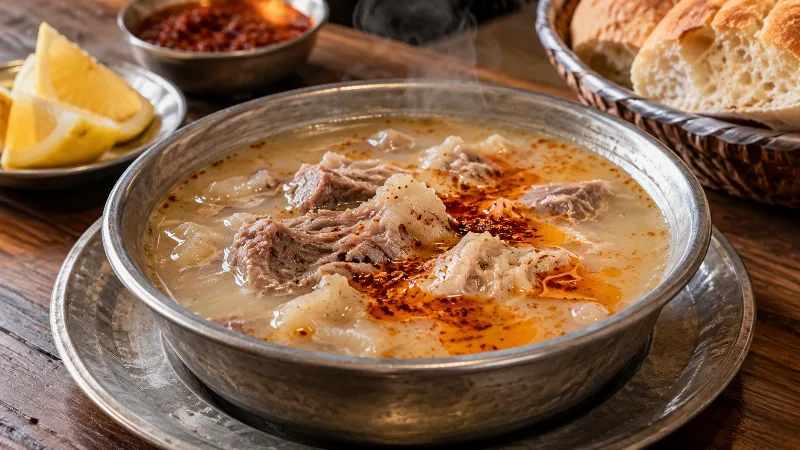
Kelle Paça Çorbası
Kelle Paça Çorbası is a traditional Turkish soup made from sheep's head and feet, known for its thick, gelatinous texture and restorative qualities. It is especially popular in Eastern and Southeastern Anatolia and is commonly eaten for breakfast or as a late-night meal.