
3-Day Istanbul to Bursa Route
Explore the first Ottoman capital on a three-day route from Istanbul to Bursa, combining historic city sites, the mountain landscapes of Uludağ, and the preserved village of Cumalıkızık.
This three-day route begins in Istanbul and ends in Bursa, the first capital of the Ottoman Empire. It covers the historic core of Bursa, the mountain landscapes of Uludağ, and the preserved Ottoman village of Cumalıkızık. The journey is linear, combining a short intercity transfer with local exploration. It suits travellers who want a mix of urban history, mountain nature, and traditional village life within a compact timeframe.
Day 1: Istanbul to Bursa – Ottoman Heritage in the First Capital
The day begins in Istanbul, where you will travel to Bursa by ferry or road. A common approach is to take a ferry across the Sea of Marmara to Yalova or Mudanya, then continue by bus or car. Alternatively, driving via the Osmangazi Bridge offers a direct road connection. Both options provide a smooth transition from the bustling metropolis to Bursa’s more relaxed atmosphere.
Upon arrival in Bursa, focus on the historic city center, which is compact and easily explored on foot. The Grand Mosque (Ulu Cami) is a landmark of early Ottoman architecture, with its twenty domes and intricate calligraphy. Nearby, the Green Mosque (Yeşil Camii) and its accompanying Green Tomb (Yeşil Türbe) display exquisite tile work. The Emir Sultan Mosque offers panoramic views over the city, while the Koza Han (silk market) recalls Bursa’s role as a major silk-producing center during the Ottoman era.
These sites are clustered in the Osmangazi district, allowing you to wander between them without needing additional transport. The day ends with a chance to sample local flavors such as İskender kebab, a dish that originated in Bursa. This introduction to the city sets the stage for the next day’s journey into the mountains.
Day 2: Uludağ Mountain – Alpine Nature Above Bursa
Start the day in Bursa and head toward Uludağ, the mountain that dominates the city’s skyline. The most scenic way to ascend is by cable car (Teleferik), which lifts you from the city’s edge into the national park. The ride itself offers sweeping views over Bursa and the surrounding plains.
Uludağ is a year-round destination. In summer, the area is ideal for hiking, with marked trails leading through alpine meadows and pine forests. In winter, it transforms into a popular ski resort, though snow conditions can vary. The mountain’s name means “Great Mountain” in Turkish, and its highest peaks reach over 2,500 meters. From the upper stations, you can enjoy panoramic vistas and, on clear days, see the Sea of Marmara in the distance.
Because Uludağ is a short drive or cable-car ride from Bursa, it works perfectly as a day trip. You can spend several hours exploring the trails or simply relaxing in the cool mountain air before returning to the city for the evening. Note that weather can change quickly at higher elevations, so come prepared with appropriate clothing. This day adds a strong nature component to the route, contrasting with the urban history of Day 1.
Day 3: Cumalıkızık – A Preserved Ottoman Village
The final day begins in Bursa with a short journey to Cumalıkızık, a historic village nestled at the foot of Uludağ. This settlement is part of the UNESCO World Heritage listing that recognizes the birth of the Ottoman Empire in Bursa. Its narrow cobblestone streets, traditional Ottoman houses, and rural atmosphere offer a glimpse into centuries past.
Wander through the village to see well-preserved houses with wooden frames and stone walls. Some have been converted into small museums or shops selling local produce like jams, preserves, and handmade crafts. The Cumalıkızık Ethnography Museum provides context about daily life in the village. The surrounding countryside, with orchards and vineyards, is also pleasant for a leisurely walk.
Cumalıkızık is close enough to Bursa that you can return to the city in the afternoon, concluding the route. If you are returning to Istanbul, you can retrace the ferry or road journey from the start. Alternatively, you might choose to extend your stay in Bursa to explore more of its historic districts and nearby thermal springs. This day completes the thematic arc of the route: from imperial city to mountain wilderness to traditional village life.
Route Notes and Practicalities
This route is linear, starting in Istanbul and ending in Bursa. It is best suited to a combination of driving and walking, though public transport (ferries, buses, and the cable car) can cover most segments. The route is moderate in terms of driving; the longest leg is the initial transfer from Istanbul to Bursa.
Spring and autumn are the most comfortable seasons for exploring both the city and the mountain. Summer is ideal for hiking on Uludağ, while winter attracts skiers but may limit access to some areas due to snow. Bursa has a milder climate than the mountain, so layering is recommended.
For those relying on public transport, frequent ferries and buses connect Istanbul and Bursa, and local dolmuş (minibuses) serve Uludağ and Cumalıkızık. The route can also be done as a circular trip if you return to Istanbul, but the itinerary as described is one-way. Major attractions in Bursa belong to the TürkiyeKart Cities & Districts and Historic Places sections, while Uludağ falls under Nature, and Cumalıkızık under Villages & Small Towns. These categories can help you find more detailed information on each stop.
Remarkable Places
See all places →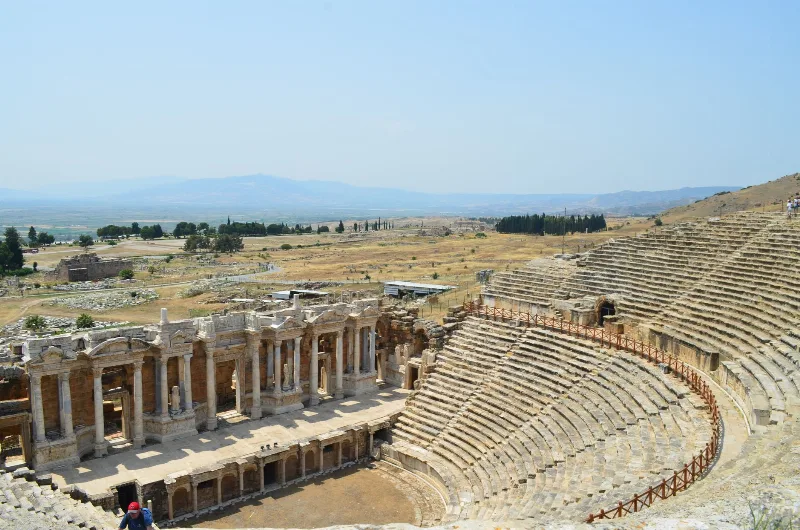
Letoon
Letoon is a Lycian sanctuary near Xanthos in Muğla Province, dedicated to Leto, Artemis and Apollo. Its three temples, theatre and trilingual inscription make it one of southwestern Turkey’s most significant archaeological sites.
Explore →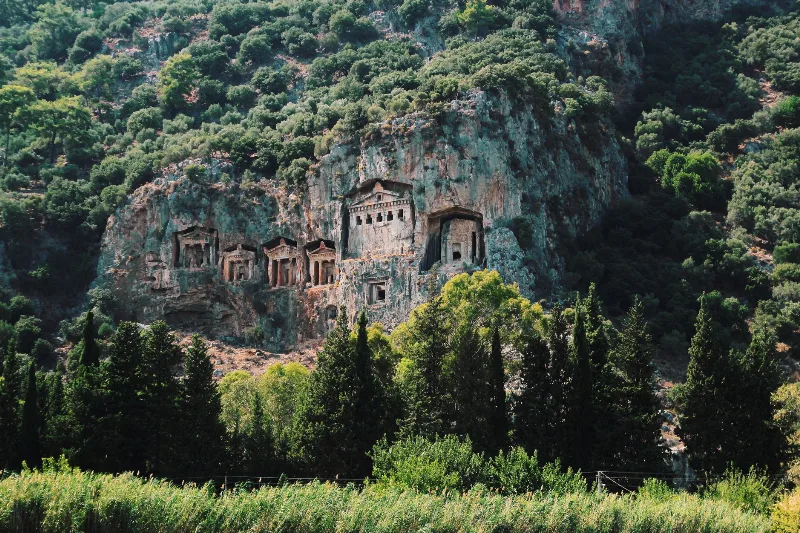
Kaunos
Kaunos is an ancient Carian city on the Dalyan River in Muğla Province, known for its temple-style rock-cut tombs and the extensive ruins of a harbour that silted up centuries ago.
Explore →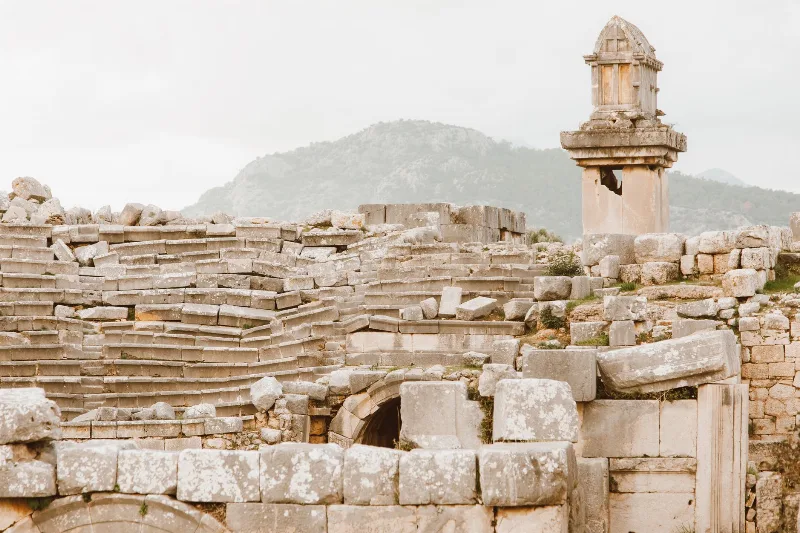
Xanthos
Xanthos is an ancient Lycian city in Antalya Province and a UNESCO World Heritage Site, known for its Lycian tombs, Roman theatre and role as a leading city of Lycia.
Explore →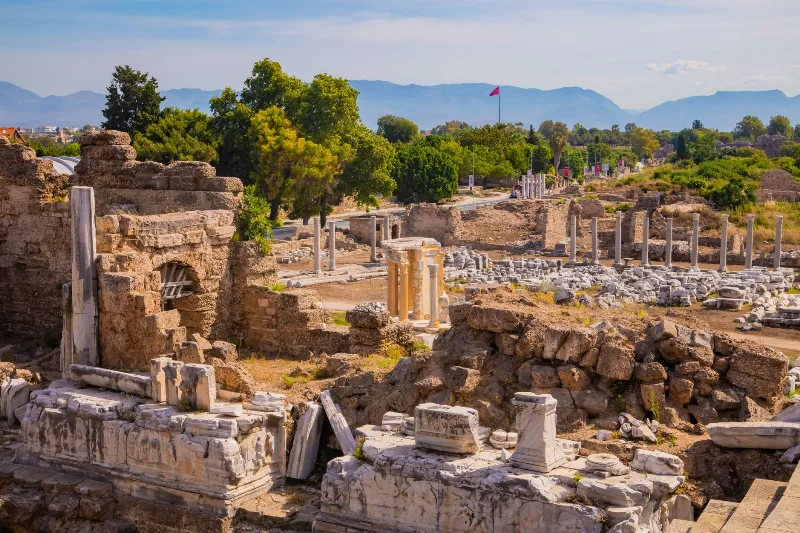
Phaselis
Phaselis is a Rhodian-founded port city on the eastern Lycian coast, where paved streets, agoras, baths and a small theatre stand among pines between three sheltered bays.
Explore →Related content
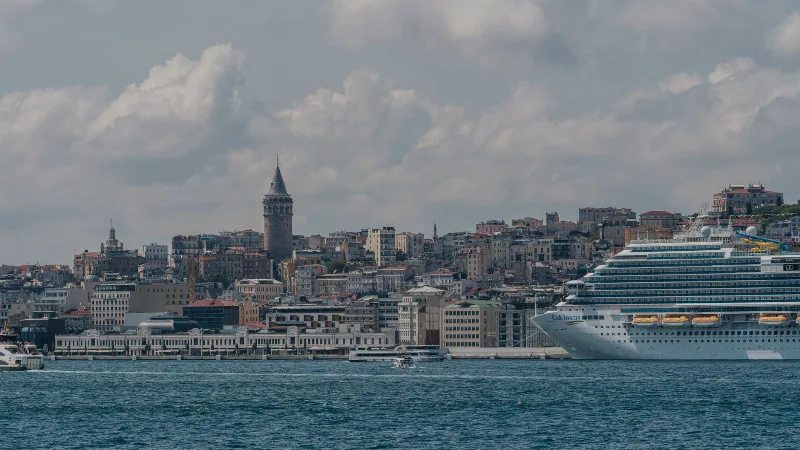
Istanbul
Istanbul is Türkiye's largest city and the country's only metropolis that spans two continents, divided by the Bosphorus strait into a European and an Asian half. Its long run as an imperial capital left a historic core of palaces, mosques and bazaars that still shapes the city's identity.
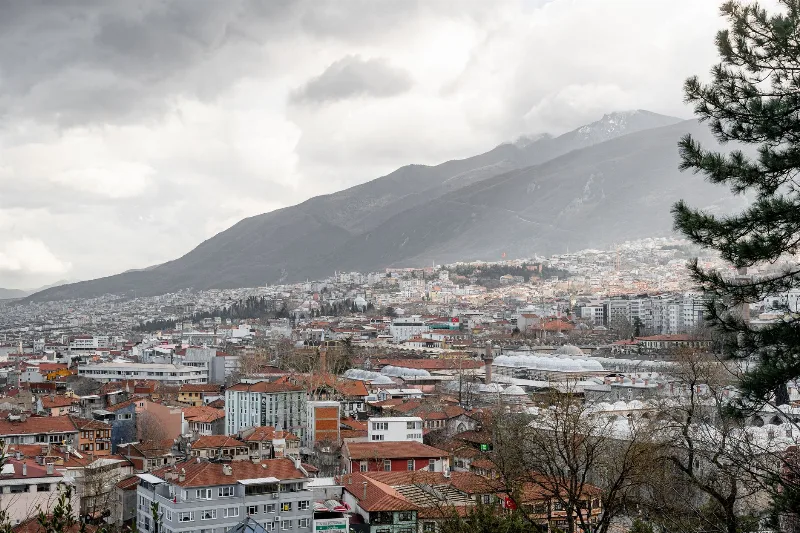
Bursa
Bursa is a major metropolitan city in northwestern Türkiye and the first great capital of the Ottoman Empire, known for its silk heritage, thermal springs and the mountain of Uludağ rising directly behind it.
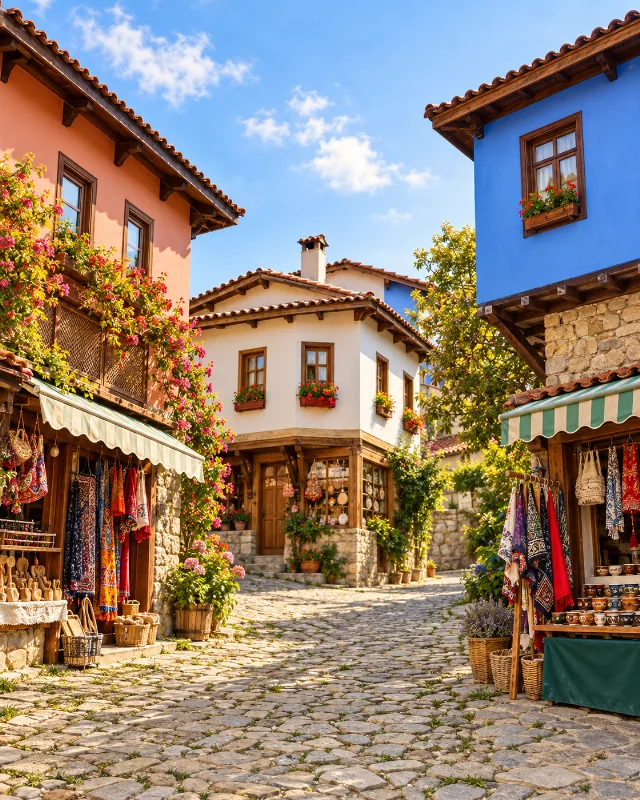
Cumalıkızık
Cumalıkızık is a historic Ottoman village in Bursa, Turkey, known for its well-preserved houses and cobblestone streets. It is part of the UNESCO World Heritage Site 'Bursa and Cumalıkızık: the Birth of the Ottoman Empire'.
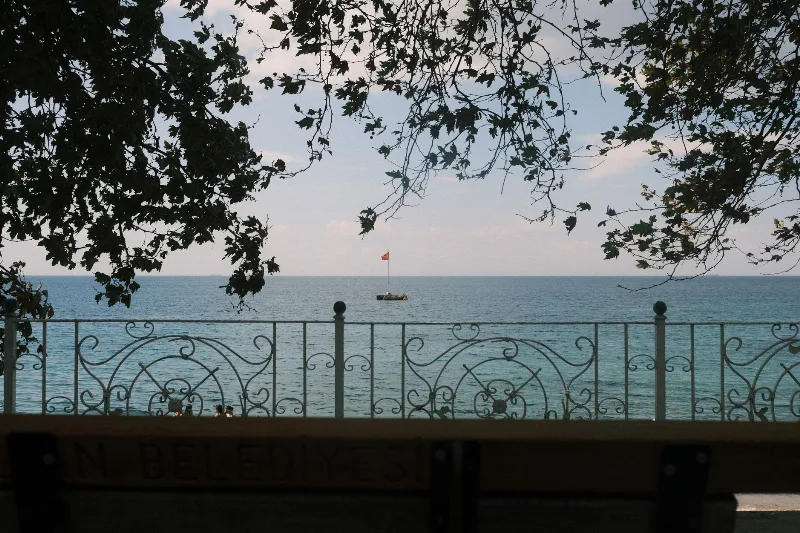
4-Day Marmara Sea Route
A four-day loop around the Sea of Marmara that starts in Istanbul, crosses to Yalova, travels inland to Bursa and finishes among the ruins of Troy and the memorials of the Gallipoli peninsula. The itinerary is built around short, logical daily drives rather than long transfers.
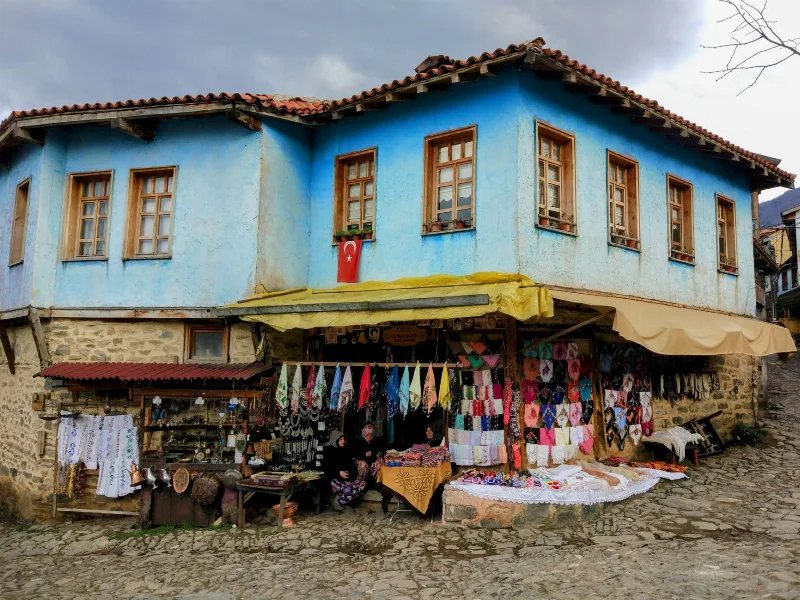
The Ottoman Village of Cumalıkızık Near Bursa
Cumalıkızık, a preserved Ottoman village on the slopes of Uludağ near Bursa, is known for its cobblestone lanes, painted historic houses and long-standing rural traditions that continue today.
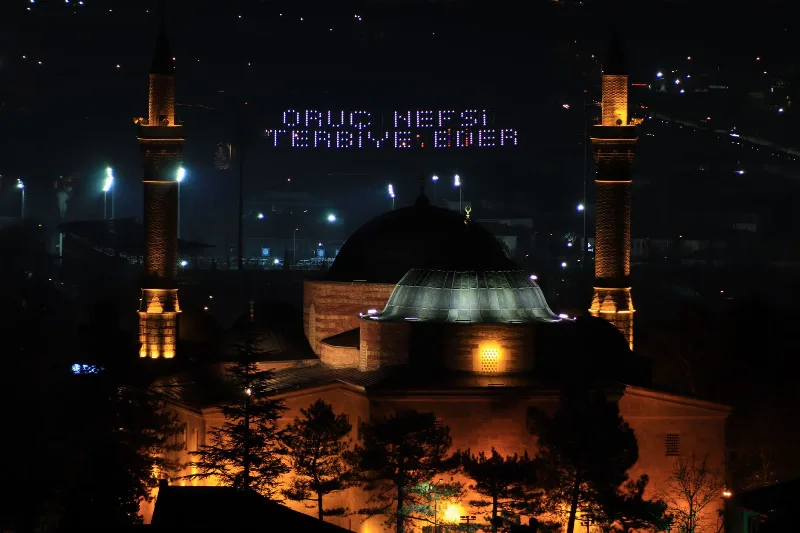
2-Day Bursa and Uludağ Route
A two-day route through Bursa's Ottoman monuments and up to the Uludağ National Park by cable car, combining city walking with mountain hiking or skiing.