
Winter in Sarıkamış, Kars
Sarıkamış in Kars is known for its crystal snow and a winter season that typically runs from December to March. The ski terrain sits among pine forests, and the district also carries a heavy historical legacy.
Sarıkamış, a district in the eastern Turkish province of Kars, goes through one of the longest continuous snow seasons in the country. Snow cover normally settles from December and frequently lasts into March, and the snow itself is widely described as "crystal snow" — unusually dry, light and powdery compared with the heavier, wetter snow found in many other parts of Türkiye. The seasonal event here is not simply cold weather but a sustained period of snow cover that transforms the pine forests, the high plateau and the surrounding mountains, and that supports a ski season lasting roughly four months.
Where the Winter Season Happens
Sarıkamış lies in the far east of Anatolia, in Kars province, at an elevation of roughly 2,000 metres. The town sits on a high plateau bordered by the Allahuekber Mountains, and the ski terrain is developed on the slopes above the town, generally known as Cıbıltepe. What defines the district's winter is the combination of altitude, latitude and distance from the moderating influence of the sea. Cold air settles over the plateau, and the surrounding pine forests — mostly Scots pine — hold snow on their branches for months rather than days, giving the landscape a white, forested character that persists through the middle of winter.
What Creates the Crystal Snow
The reputation of Sarıkamış snow comes largely from its texture. Cold temperatures combined with relatively low moisture content during snowfall tend to produce light, dry crystals rather than dense, wet flakes. Snow of this kind compacts less quickly, stays powdery for longer after it falls, and is often referred to locally as crystal snow. This is not a guarantee for every snowfall of the season; weather systems differ from year to year, and some storms bring heavier, wetter snow. But the typical pattern during the core winter months favours the dry, fine-grained snow that the area is associated with.
When Winter Typically Begins and Ends
The first snows often arrive in November, though early falls may be thin and can melt again during milder spells. Dependable, lasting snow cover usually establishes itself around December, and the period from late December through February is generally the most consistently snowbound. March often still holds substantial snow, particularly at higher elevations, and in some years the cover lingers into early April. This long window is the reason the ski season here extends over a wider range than in many lower or more coastal resorts.
Exact timing shifts from year to year. A season with early cold snaps and frequent systems can bring usable snow before the usual window, while a mild or dry winter can delay the buildup. Anyone planning around the snow season should treat December to March as the normal range rather than a fixed calendar, and should expect variation depending on how the weather patterns develop in a given year.
The Landscape During the Snow Season
Once snow settles, the plateau turns almost entirely white, broken by dark pine trunks and the geometry of the forest edges. The terrain above the town is forested, so ski runs and open slopes are framed by trees rather than standing in bare, exposed bowls. Daylight hours are short in December and January, with long shadows across the slopes early and late in the day, while February and March bring noticeably longer light. Temperatures during the core season frequently drop well below freezing, and nights can be considerably colder, so the snow surface stays dry and the ground remains frozen for weeks at a time.
Historical Layers Under the Snow
Sarıkamış's winter is inseparable from its history. During the First World War, the Allahuekber Mountains were the setting of the Sarıkamış campaign of 1914–1915, in which large numbers of Ottoman soldiers died, many from exposure to extreme cold in the snow-covered terrain. Memorials and cemeteries in the area mark this history, and snow still shapes how the landscape is understood locally. The town itself also preserves buildings from the period when the region was part of the Russian Empire, and these structures give the centre a character distinct from most Anatolian towns. Winter visitors encounter this history in the same landscape as the snow season, which is part of what makes the place specific rather than interchangeable with other ski areas.
What Visitors Can Realistically Expect
Winter conditions here are genuinely cold, and the practical details matter. Roads into Sarıkamış are generally kept open, but winter tyres and preparation for snow and ice are normal requirements on the approach. The snow season supports skiing and snowboarding on forest-framed runs, as well as walking and general snow travel on the plateau when conditions allow. The season is not uniform: there are spells of clear, very cold weather and spells of active snowfall, and visibility on the upper slopes can change quickly. Visitors should also be aware that services and access at high elevation are more limited in the deepest part of winter than in the shoulder weeks of December and March.
Related Places in the Same Winter Landscape
Kars city, roughly an hour away, sits at lower elevation and often has less snow than Sarıkamış while still experiencing a hard continental winter. The ruins of Ani, on the plateau east of Kars near the Armenian border, are also snow-covered in this period, and in cold winters the shallow Lake Çıldır further north can freeze over. These places share the same regional winter, but Sarıkamış is where the snow season is most pronounced and where it lasts longest.
Why the Timing Matters
The reason this seasonal window is worth understanding is that the experience depends entirely on snow accumulation. Outside the December-to-March range, the plateau is a different place — green in summer, coloured in autumn, and without the conditions that define the winter phenomenon. The crystal snow, the forested slopes and the long duration of cover are all products of a specific climate at a specific elevation, and they appear only during this part of the year.
EXPLORE BY THEME
All themes →
Related content
Kars
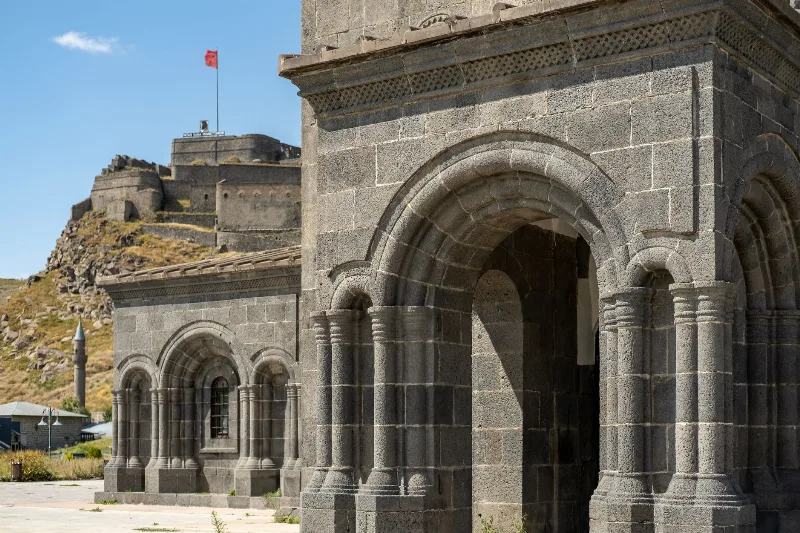
Kars is a high-plateau city in northeastern Türkiye, close to the Armenian border, shaped by decades of Russian rule and known for its cheesemaking tradition and the nearby medieval ruins of Ani. It serves as the main urban base for exploring this remote corner of Eastern Anatolia.
Lake Çıldır
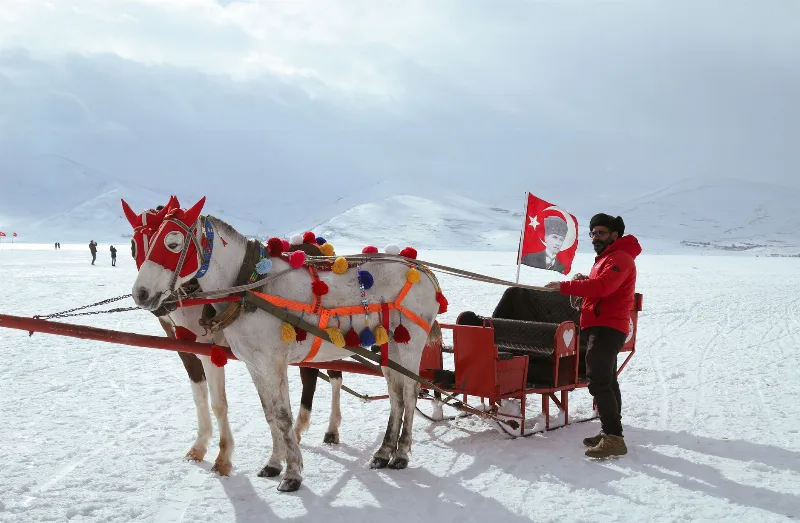
Lake Çıldır is a large freshwater lake in northeastern Türkiye, set on a high steppe plateau between Ardahan and Kars and known for freezing solid during the long eastern Anatolian winter.
Kars and the Ruins of Ani
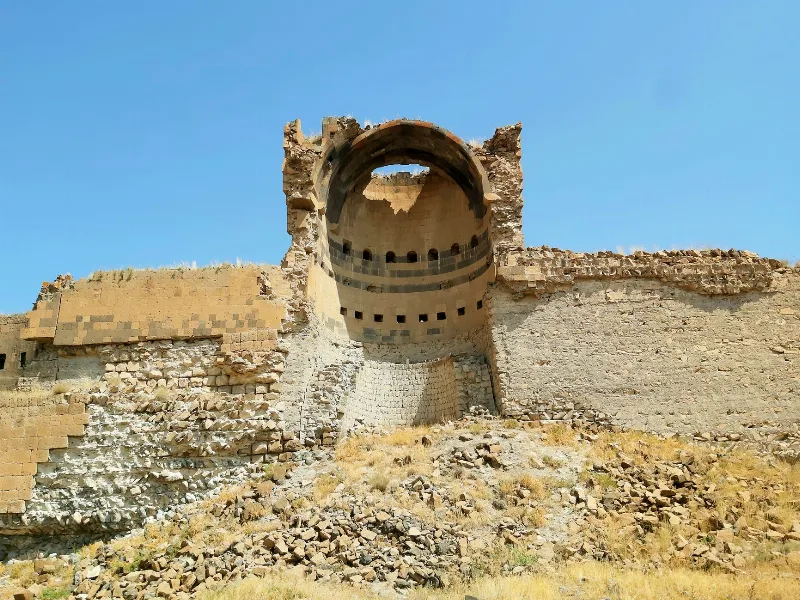
In eastern Türkiye, the highland city of Kars stands near Ani, a medieval settlement whose churches, walls and gorges still shape the surrounding plateau.
Eastern Anatolia Region
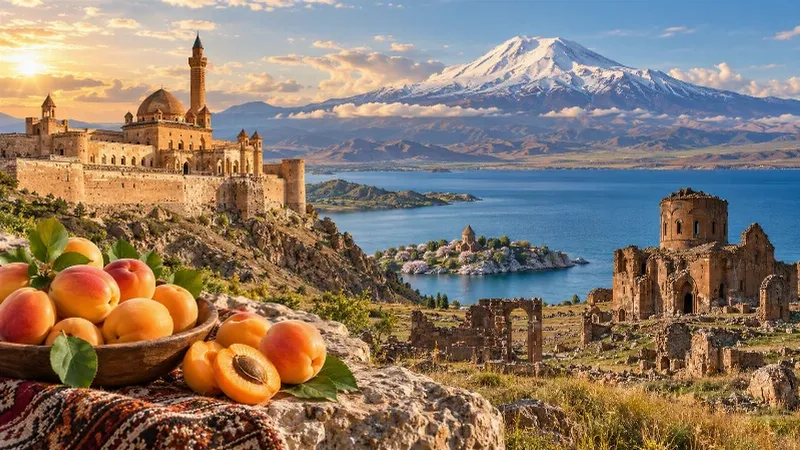
Eastern Anatolia is a region of majestic mountains, vast highlands, beautiful lakes and ancient cultural heritage. Home to Mount Ararat, Lake Van and historic settlements, it offers some of Türkiye's most dramatic natural landscapes alongside distinctive architecture, local traditions and regional cuisine.
Ani
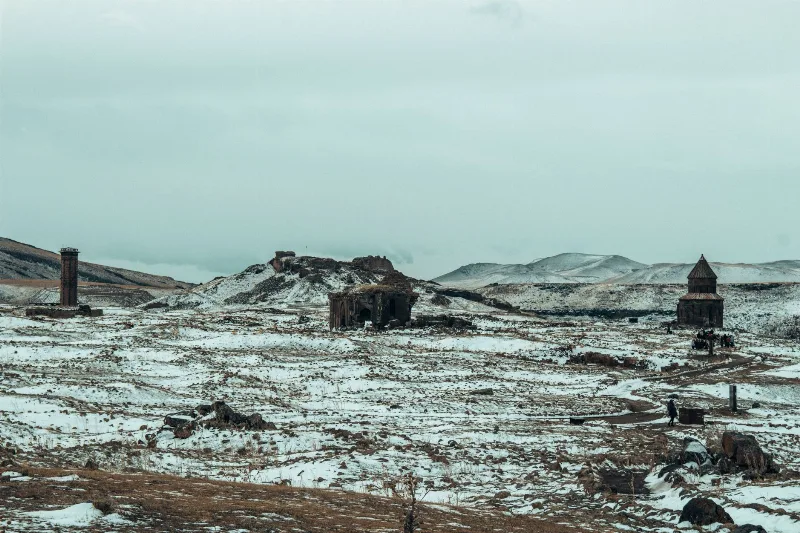
Ani is a ruined medieval city on a basalt plateau in Kars Province, eastern Turkey, once a major Silk Road centre and now a UNESCO World Heritage Site known for its churches, cathedral and walls.
Ardahan
Explore Ardahan, northeastern Türkiye: history, standout sights, landscapes, local food and practical travel advice for an unforgettable journey in Türkiye.