
Strawberry Harvest in Silifke, Mersin
Silifke's strawberry harvest is one of Türkiye's earliest, normally running from around February to April on the coastal plain where the Göksu River meets the Mediterranean. The mild winter there pushes the fruit to ripeness weeks ahead of most other growing regions.
Every year, from roughly February through April, the farmland around Silifke in Mersin province turns into one of the earliest strawberry-producing areas in Türkiye. Silifke lies on the Mediterranean coast of southern Anatolia, where the Göksu River spreads across a broad alluvial plain before reaching the sea. Because winters here are mild and spring arrives early, strawberries ripen in the open and under low plastic tunnels well before they do in cooler inland or northern regions. That early window, rather than the landscape itself, is what makes the period worth planning around.
Where the Strawberry Harvest Takes Place
The harvest is concentrated in the Silifke district of Mersin, on the flat agricultural land between Silifke town, the coastal settlement of Taşucu and the wetlands of the Göksu Delta. The fields sit on deep alluvial soils laid down by the river, often within a short distance of the sea and the coastal road that runs east towards Erdemli and Mersin. The Taurus Mountains rise immediately inland, so the growing area is a narrow, warm strip between mountain slopes and shoreline. Individual plots are small and family-run, and strawberry fields are usually rotated with other crops such as vegetables and citrus, which means the exact fields in production can shift slightly from one year to the next.
Why the Season Starts So Early
The early timing comes from a combination of geography and growing practice. The Mediterranean moderates winter temperatures along this coast, so soil stays warm enough for strawberries to keep growing when inland areas are still cold. Daytime sun is strong from late winter onwards, and the open, level plain receives it without the shade or cold-air pooling found in mountain valleys. Many growers also cover their rows with low plastic tunnels or walk-in polytunnels during the winter and early spring, which traps warmth, protects flowers from rain and wind, and pushes ripening forward by a matter of weeks. Growers choose short-day and early varieties suited to this cycle, and the aim is to reach the market while prices are highest and while little other Turkish strawberry fruit is available.
When the Season Normally Runs
In most years, the first significant picking begins in February and the season extends into April. The earliest berries are usually taken from the most protected fields, and volumes build through late February and March before peaking somewhere around March and early April. Depending on variety, tunnel use and the weather, the harvest on a given field can continue for several weeks, with fruit picked repeatedly from the same plants as new berries ripen. By late April and into May, rising temperatures speed up ripening and shorten the shelf life of the fruit, and the main harvest generally winds down. Across the district as a whole, the commercial season typically lasts around eight to twelve weeks, though this varies considerably from year to year.
What Happens in the Fields During the Season
Strawberry plants in this region are grown as low, mounded rows covered with plastic mulch, with the fruit resting on or just above the surface. The cycle in the field moves from white flowers through small green berries to fully coloured red fruit, and because plants flower and fruit over an extended period, all stages can often be seen in the same field at the same time. Picking is done by hand, and workers return to the same rows every few days through the season, selecting only the berries that are ripe. Fruit is collected into crates in the field and moved quickly to collection points, roadside stalls or local markets, since strawberries deteriorate fast once picked in warm weather. Fields are usually busiest in the early morning, when temperatures are lower and fruit is firmer.
Weather and Year-to-Year Variation
Timing is never fixed. The start of the harvest can move by a couple of weeks in either direction depending on how cold or mild the winter has been. Warm, sunny late-winter weather tends to bring the crop on quickly, while a prolonged cold spell can hold it back. Rain is the other major factor: heavy rainfall during flowering can affect pollination and fruit set, and wet ground makes fields muddy and difficult to work. Strong coastal winds can also mark or damage exposed fruit. Occasional cold snaps near the coast are uncommon but possible, and a late frost can harm open flowers and reduce the earliest pickings. Because of this, any given season may be earlier, later, shorter or more concentrated than the one before.
What a Visitor Can Realistically Expect
Visitors travelling through the Silifke plain during February, March and April will see working farmland rather than a designed attraction. Along the roads between Silifke and Taşucu, and on the lanes crossing the delta plain, strawberry plots appear as neat rows of low green plants, frequently under white or translucent plastic tunnels, with red fruit visible where covers are open. Several farms allow customers to pick their own berries, and roadside stalls sell fruit directly during the season. Conditions are simple: expect uneven field tracks, muddy ground after rain, and strong sun on clear days, with temperatures that can still feel cool in February and genuinely warm by April. The experience is essentially agricultural — observing and, where permitted, joining part of a working harvest at the moment it happens.
Seasonal Context Nearby: the Göksu Delta
The strawberry plain sits beside the Göksu Delta, a protected wetland where the river meets the sea. The same mild late-winter and spring conditions that ripen the strawberries also shape activity in the delta, which is a recognised stopping point for birds moving along the eastern Mediterranean migration route in spring. Depending on conditions, that movement generally overlaps with the strawberry season, so a visit in March or April can combine the harvest landscape with the wetland's seasonal changes. The coastal strip around Taşucu and the surrounding farmland form a single geographical setting in which the strawberry harvest is the most visible agricultural event of the early year.
Why Timing Matters Here
Silifke's strawberries are valued precisely because they arrive early. Once the season progresses and other regions of Türkiye begin their own harvests, the advantage of this coastal plain fades, and by the hotter weeks of late spring the picking slows. For anyone interested in the annual rhythm of the area, the window between February and April is when the plain is most active and when the connection between climate, soil and farming is easiest to see. Because that window shifts with the weather each year, the reliable approach is to plan around the general February-to-April period rather than a specific set of dates.
EXPLORE BY THEME
All themes →
Seasonal Experiences
Harvests, festivals, natural seasons and local events throughout the year.
Explore →
Hidden Places
Less-known villages, coves, valleys, historic sites and natural areas across Türkiye.
Explore →
Historic Places
Ancient cities, monuments, castles and archaeological sites across Türkiye.
Explore →Related content
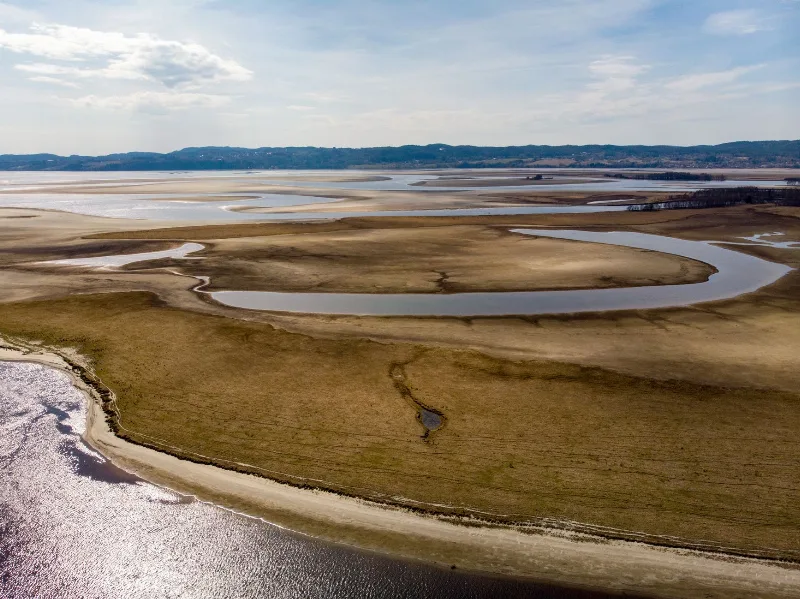
Göksu Delta
The Göksu Delta is a coastal wetland complex in Mersin Province where the Göksu River meets the Mediterranean, made up of lagoons, marshes, mudflats and sand dunes. It is known for its waterbird populations and for sea turtles nesting on its beaches.
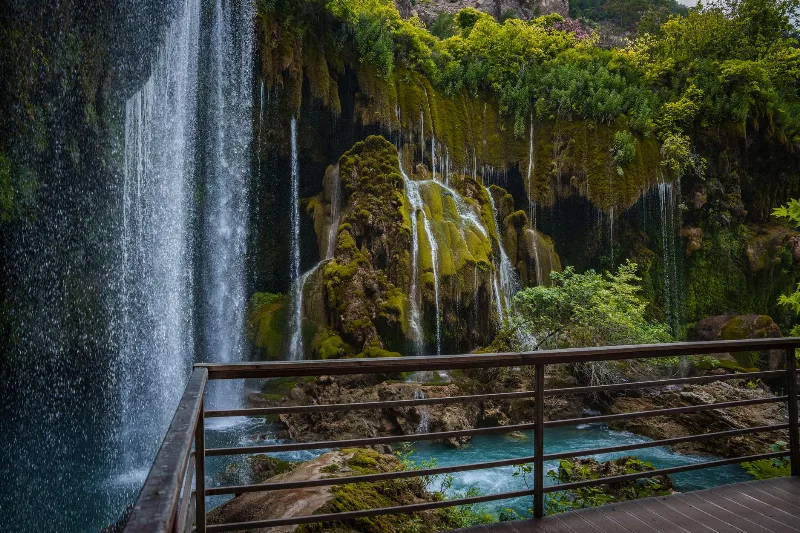
Yerköprü Waterfall
Yerköprü Waterfall in Mersin Province is a natural waterfall where the Göksu River emerges from a cave, creating a turquoise pool. Its karst setting and seasonal flow variations make it a distinctive natural site in southern Turkey.
Citrus Harvest in Mersin
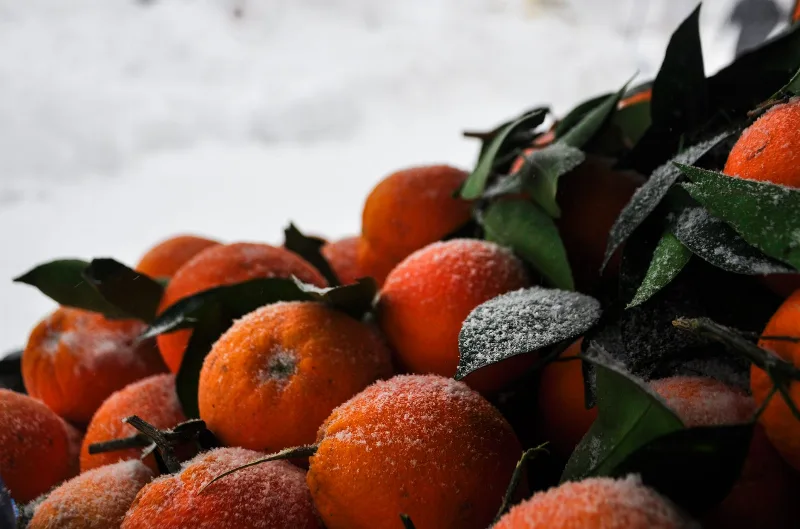
Along Turkey's eastern Mediterranean coast, the citrus harvest in Mersin usually begins in November and continues into January, as oranges, lemons and mandarins ripen under a mild winter climate. The exact timing shifts each year with the weather, but the picking season is the period when the orchards are most visibly active.
Alahan Monastery
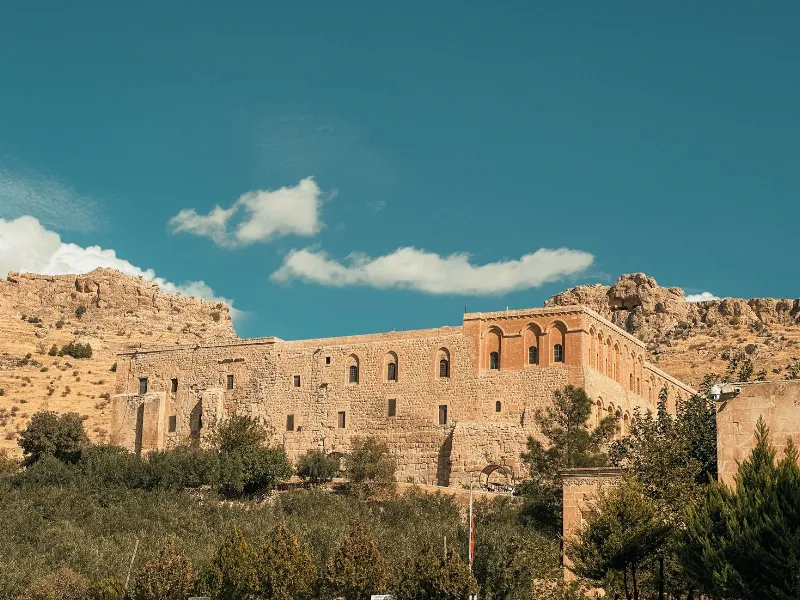
Alahan Monastery is a 5th-century early Christian complex in the Taurus Mountains of Mersin Province, Türkiye, whose basilicas, baptistery, colonnade and rock-cut tombs preserve the plan of a late antique monastery.
Kızkalesi Maiden's Castle and Coastal Legend in Mersin
Kızkalesi is a small island castle off the Mersin coast, known for its medieval stone walls and the tragic legend of a king's daughter. The surrounding area preserves traces of ancient Korykos and Mediterranean coastal life.

Tantuni
Tantuni is a traditional Turkish street food from Mersin, made with finely chopped beef sautéed with onions, tomatoes, and spices, then wrapped in lavash. It is known for its juicy, flavorful filling and is a staple of Mersin's culinary culture.