
Tantuni
Tantuni is a traditional Turkish street food from Mersin, made with finely chopped beef sautéed with onions, tomatoes, and spices, then wrapped in lavash. It is known for its juicy, flavorful filling and is a staple of Mersin's culinary culture.
Tantuni is a traditional Turkish street food strongly associated with Mersin, a city on the Mediterranean coast. It consists of finely chopped beef—sometimes lamb—sautéed with onions, tomatoes, and spices, then wrapped in lavash, a thin flatbread. The dish is characterized by its juicy, savory filling and is commonly enjoyed as a quick meal or snack. While it has become popular in other parts of Turkey, it remains most closely associated with Mersin and the surrounding Çukurova region.
The Mersin Connection and Regional Identity
Tantuni is deeply embedded in the culinary culture of Mersin. The city, known for its vibrant street food scene, considers tantuni one of its signature dishes. It is typically sold in small eateries called "tantunici," which specialize in this single item. The dish is so identified with Mersin that many locals regard it as a point of civic pride, and debates over the best tantunici are common. Its popularity has spread to other Turkish cities, but the version found in Mersin is often regarded as the benchmark. The dish reflects the region's love for bold, simple flavors and quick, satisfying meals.
Key Ingredients and Their Roles
The core ingredients of tantuni are straightforward: beef (or lamb), onions, tomatoes, green peppers, and a blend of spices. The meat is the star, and it is always finely chopped rather than ground, giving it a distinct texture. Onions add sweetness, while tomatoes contribute acidity and moisture. Green peppers provide a mild heat, and spices such as black pepper, red pepper flakes, and sometimes cumin or paprika round out the flavor profile. Oil is used to cook the mixture. The lavash bread used for wrapping is thin, soft, and pliable, serving as a neutral vessel for the flavorful filling.
Traditional Preparation and Cooking Method
Preparing tantuni involves cooking the chopped meat and vegetables together on a large, flat griddle known as a sac. The griddle is heated to a high temperature, and oil is added. The meat is then placed on the griddle and sautéed with the onions, tomatoes, and peppers. As the mixture cooks, the tomatoes break down and create a saucy coating for the meat. The spices are added during cooking, allowing them to meld with the other ingredients. The cooking process is relatively fast, ensuring the meat remains tender and juicy. Unlike döner or shawarma, tantuni is not cooked on a vertical rotisserie; it is a sautéed dish, which gives it a wetter, more integrated texture.
Texture, Flavor, and Appearance
Tantuni is known for its juicy, moist filling. The meat is tender, having absorbed the flavors of the tomatoes, onions, and spices. The overall taste is savory, slightly tangy from the tomatoes, and can be spicy depending on the amount of red pepper flakes used. The filling has a rich, reddish hue from the tomatoes and spices. When wrapped in lavash, the exterior is soft, though some vendors briefly toast the wrap on the griddle, adding a slight crispness to the surface. The combination of the soft bread and the succulent filling makes for a satisfying contrast in textures.
How Tantuni Is Served and Accompaniments
Tantuni is typically served as a wrap, either on a plate or wrapped in paper for takeaway. It is often accompanied by fresh parsley, lemon wedges, and pickled peppers or cucumbers. The lemon is squeezed over the filling before eating, adding a bright acidity that cuts through the richness of the meat. Pickles provide a crunchy, tangy contrast. In some establishments, tantuni can also be ordered as a plate (porsiyon), where the meat mixture is served over pieces of lavash rather than wrapped. A common beverage to accompany tantuni is ayran, a traditional yogurt drink, which helps balance the flavors.
Regional Variations and Adaptations
While the classic Mersin tantuni is made with beef, variations exist. Some versions use lamb, which has a slightly richer flavor. In certain areas, cheese may be added to the wrap, melting into the hot filling. There are also differences in the preparation of the tomatoes: some cooks add them raw as a garnish, while others cook them with the meat. The level of spiciness can vary, with some vendors offering a mild version and others a fiery one. Despite these variations, the essential character of tantuni—a juicy, spiced meat filling in a thin wrap—remains consistent.
How Tantuni Differs from Similar Dishes
Tantuni is often confused with döner or shawarma, but it is distinct in both preparation and texture. Döner is made from stacked meat roasted on a vertical spit and then shaved, resulting in thin, crispy slices. Tantuni, by contrast, uses chopped meat cooked on a flat griddle with vegetables, creating a moist, saucy filling. It is also different from Adana kebab, which is a grilled minced meat kebab. The closest relative might be the dürüm, a generic wrap, but tantuni is specifically defined by its Mersin origins and its unique cooking method. Another similar dish is the "beef wrap" found in other cuisines, but tantuni's specific spice blend and cooking technique set it apart.
Cultural Significance and Popularity
In Mersin, tantuni is more than just food; it is a cultural icon. It is a common street food enjoyed at all hours, but especially popular as a late-night snack after a night out. The dish is also a source of local identity, with families and friends often gathering at their favorite tantunici. Its popularity has grown beyond Mersin, and tantuni shops can now be found in major cities like Istanbul, Ankara, and Izmir. However, for many, the authentic experience is tied to Mersin. The dish represents the informal, flavorful, and accessible nature of Turkish street food.
Related content

Adana
Adana is a major metropolitan city in southern Türkiye and the urban heart of the Çukurova plain, defined by the Seyhan River, a Roman-era stone bridge and a deeply rooted kebab and agricultural culture.

Istanbul
Istanbul is Türkiye's largest city and the country's only metropolis that spans two continents, divided by the Bosphorus strait into a European and an Asian half. Its long run as an imperial capital left a historic core of palaces, mosques and bazaars that still shapes the city's identity.
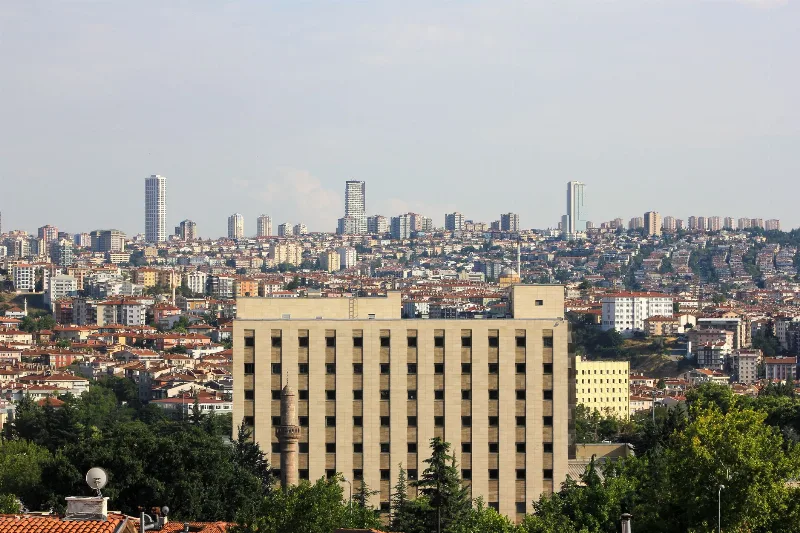
Ankara
Ankara is the capital of Türkiye and the country's second-largest city, set on the high plateau of Central Anatolia and defined by its republican institutions, its long pre-Ottoman history and the mausoleum of Mustafa Kemal Atatürk.
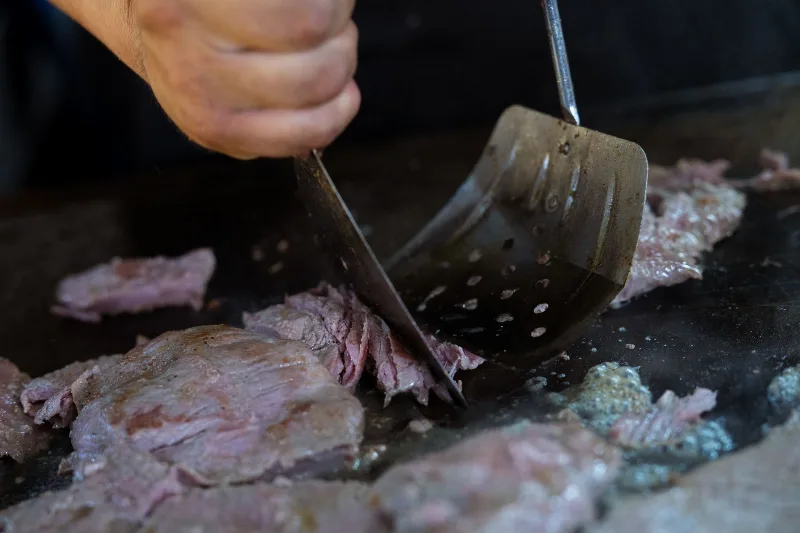
Tantuni
A Mersin street wrap built around finely chopped beef cooked with onion, tomato and pepper on a flat griddle, then rolled in thin lavash and finished with lemon and sumac onion.
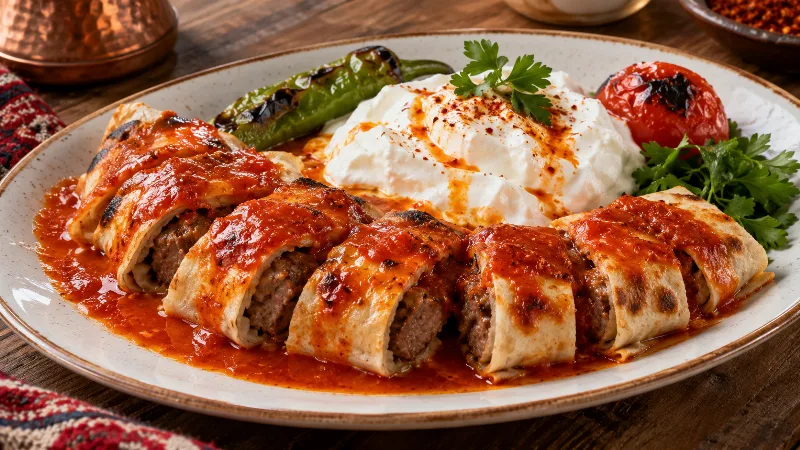
Beyti Kebabı
Beyti Kebabı is a Turkish kebab of grilled minced meat rolled inside thin lavash bread, dressed with warm tomato sauce and yogurt. It is a modern Istanbul dish rather than an old regional specialty, and it differs from İskender or Adana kebab in both its meat and its serving style.
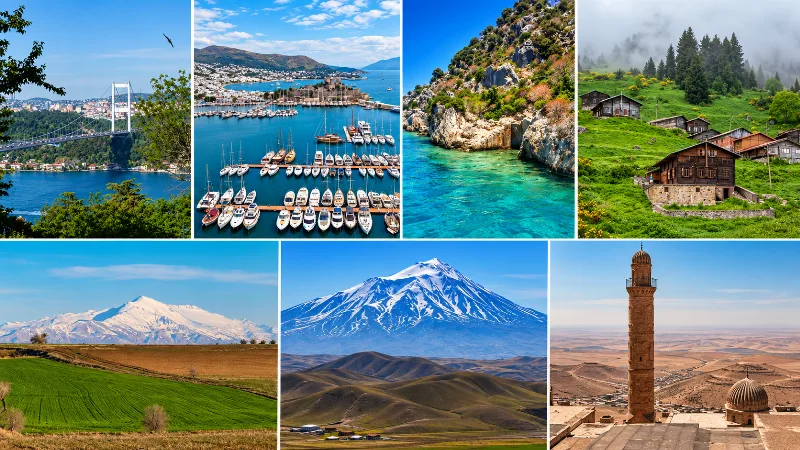
The Seven Geographical Regions of Turkey
An introduction to Turkey’s seven geographical regions and the landscapes, climates and cultural characteristics that distinguish them.