
Yerköprü Waterfall
Yerköprü Waterfall in Mersin Province is a natural waterfall where the Göksu River emerges from a cave, creating a turquoise pool. Its karst setting and seasonal flow variations make it a distinctive natural site in southern Turkey.
Yerköprü Waterfall is a natural waterfall in Mersin Province, southern Turkey. It is located in the Mut district, on the Göksu River, which flows from the Taurus Mountains to the Mediterranean Sea. The waterfall is formed where the river emerges from a cave and drops over a limestone ledge, creating a pool of turquoise water. The site is known for this distinctive combination of a cave resurgence and vividly colored water, set within a rugged karst landscape.
Geological Setting and Formation
The Göksu River has shaped the limestone terrain of the Taurus Mountains over millions of years, creating a karst landscape with caves, gorges, and underground waterways. At Yerköprü, the river flows through a cave and then plunges over a ledge, forming the waterfall. This type of resurgence is characteristic of karst regions, where water dissolves soluble rock and creates underground channels. The turquoise color of the water is due to dissolved limestone particles and the depth of the pool, which absorbs red light and reflects blue-green wavelengths.
The Cave and Waterfall Characteristics
The cave from which the Göksu River emerges is an active karst conduit, not a dry cavern. The waterfall itself is a single drop, though its width and volume vary with the seasons. In spring, snowmelt in the Taurus Mountains increases the flow, turning the waterfall into a powerful cascade. By late summer, the flow diminishes, and the waterfall may become a thinner stream. The water remains cold throughout the year, and the turquoise hue is most intense on sunny days when the water is clear.
Seasonal Changes and Climate
The region has a Mediterranean climate, with hot, dry summers and mild, wet winters. The waterfall's appearance changes with the seasons. In winter and spring, the water is abundant and the surrounding vegetation is green. In summer, the flow decreases, and the landscape becomes drier. Autumn brings a gradual reduction in water volume, but the weather remains pleasant. Heavy rains in winter can temporarily increase the flow and make the water turbid. Access to the site may be affected by weather, but the waterfall is generally reachable year-round.
The Surrounding Landscape and Vegetation
The waterfall is set within the Göksu Valley, a deep gorge with steep limestone walls. The valley is covered with Mediterranean vegetation, including pine forests and maquis shrubland. This greenery contrasts with the grey rocks and the blue-green water. The area is sparsely populated, with small villages and agricultural fields along the river. Wildlife in the region includes various bird species, amphibians, and fish, though specific species are not well documented at the waterfall itself. The Göksu Delta, downstream near Silifke, is a protected wetland known for its birdlife.
Visiting the Waterfall
Yerköprü Waterfall is reached via the road from Mut, a town in Mersin Province. The waterfall is located close to the road, making it accessible for visitors. The terrain around the waterfall is rocky and can be slippery, so caution is advised. There are no formal facilities at the site, so visitors should bring water and wear appropriate footwear. Swimming is not recommended due to the cold water and strong currents. The best time to visit is during spring or early summer when the flow is strong and the weather is mild. However, the waterfall offers a different experience in each season.
Related Natural Places
The Göksu Valley and the Taurus Mountains contain other natural attractions. Upstream, the river flows through a series of rapids and smaller cascades. Downstream, the Göksu Delta is a wetland of international importance, home to flamingos, herons, and other waterbirds. The Taurus Mountains offer opportunities to explore high plateaus, canyons, and caves, though specific trails and routes should be researched locally. The Yerköprü Waterfall remains a unique natural monument for its cave-fed turquoise water, a rare sight in Turkey.
Beaches & bays
See the coast →
Related content
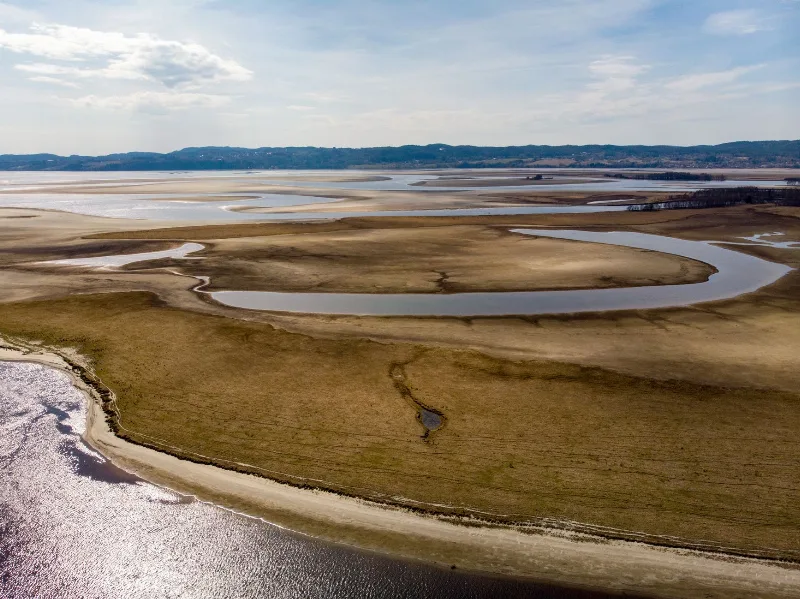
Göksu Delta
The Göksu Delta is a coastal wetland complex in Mersin Province where the Göksu River meets the Mediterranean, made up of lagoons, marshes, mudflats and sand dunes. It is known for its waterbird populations and for sea turtles nesting on its beaches.
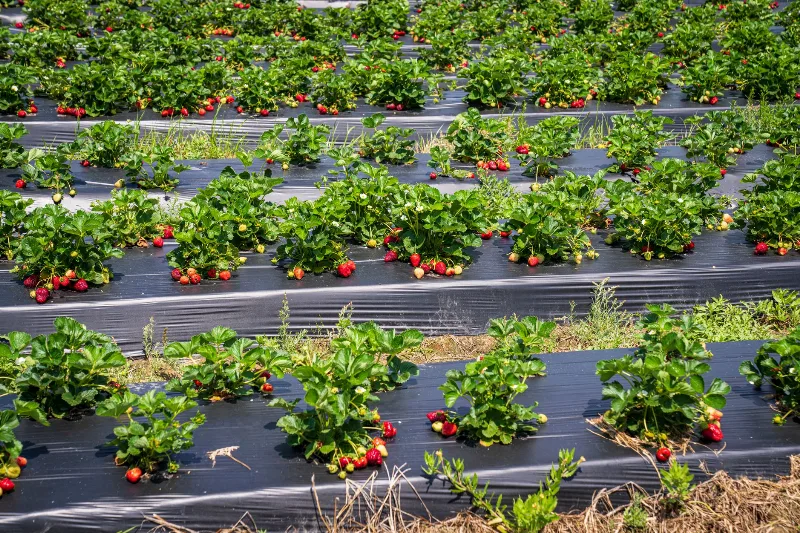
Strawberry Harvest in Silifke, Mersin
Silifke's strawberry harvest is one of Türkiye's earliest, normally running from around February to April on the coastal plain where the Göksu River meets the Mediterranean. The mild winter there pushes the fruit to ripeness weeks ahead of most other growing regions.
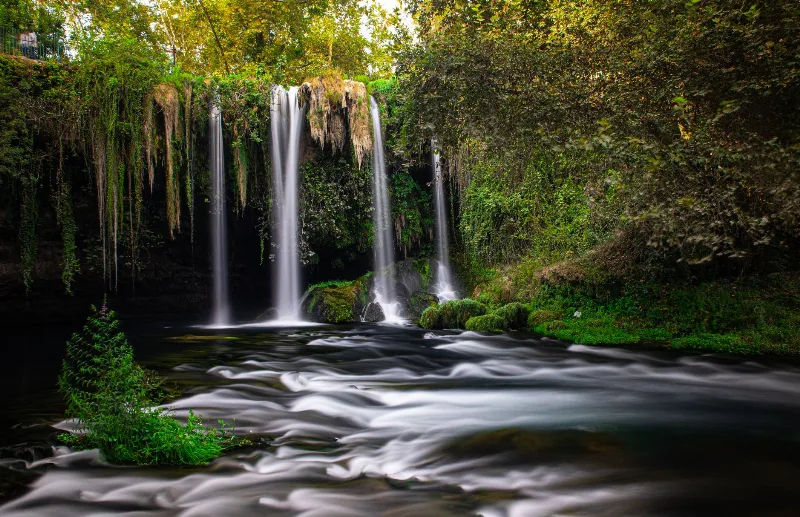
Kurşunlu Waterfall
Kurşunlu Waterfall is a natural cascade in Antalya Province, Turkey, set within a lush forest and nature park. It is known for its series of falls, cave, and walking paths.
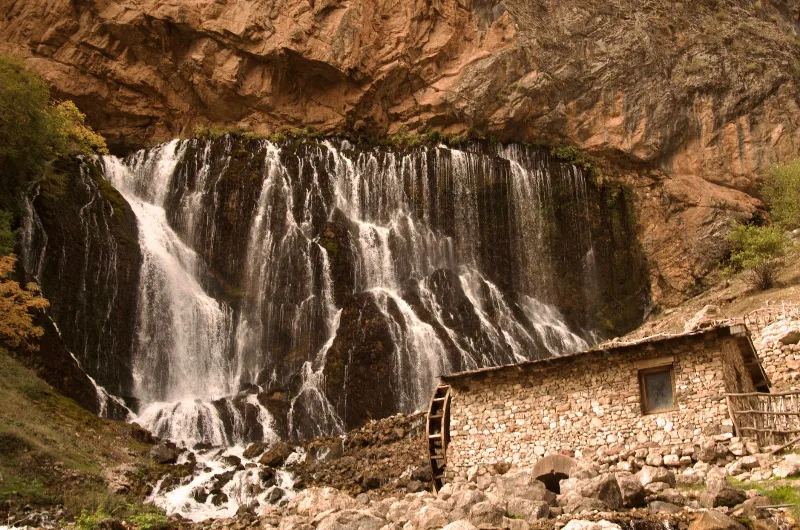
Kapuzbaşı Waterfall
Kapuzbaşı Waterfall is a cluster of karst spring waterfalls in the Aladağlar Mountains of Kayseri, Turkey. Fed by limestone springs, it forms a distinctive multi-chute cascade that varies with snowmelt and season.
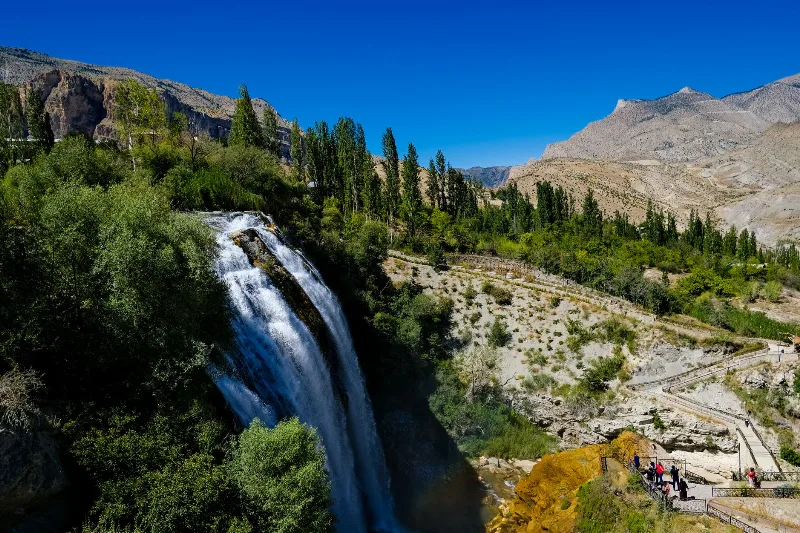
Tortum Waterfall
Tortum Waterfall in Erzurum Province is the outflow of Lake Tortum, a large landslide-dammed lake, and the drop marks where the lake spills over the natural barrier that formed it.
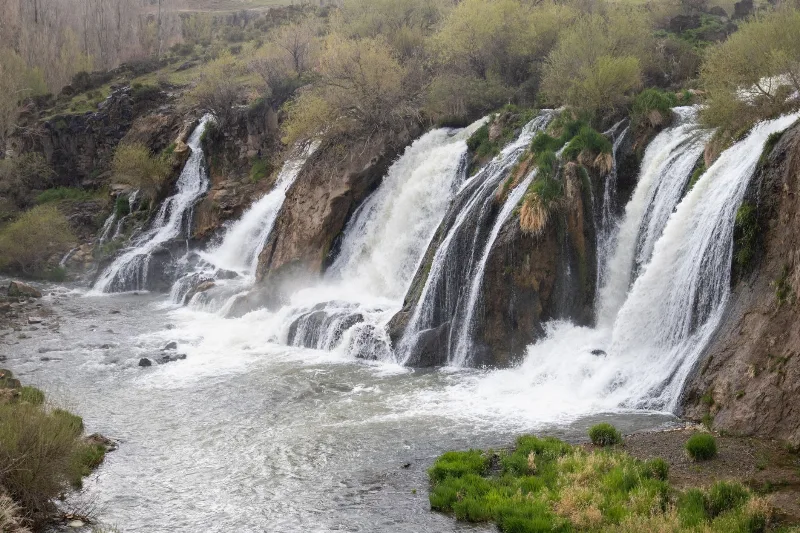
Muradiye Waterfall
Muradiye Waterfall is a broad river fall on the Bendimahi River in Van Province, eastern Türkiye, where snowmelt-fed water drops over dark volcanic rock in a green valley above Lake Van.