
Tortum Waterfall
Tortum Waterfall in Erzurum Province is the outflow of Lake Tortum, a large landslide-dammed lake, and the drop marks where the lake spills over the natural barrier that formed it.
Tortum Waterfall (Tortum Şelalesi) is a waterfall in the Tortum district of Erzurum Province in eastern Türkiye, roughly 100 kilometres north of the city of Erzurum. It is unusual because it is not a cascade fed by an ordinary river channel. The water that falls here is the outflow of Lake Tortum, a large landslide-dammed lake, and the drop occurs at the point where the lake crosses the natural barrier that created it. The fall is generally given as around 48 metres high and about 22 metres wide at the lip, which places it among the taller waterfalls in the country.
How the Landslide Shaped the Site
The waterfall and the lake are the product of the same event. A landslide blocked the valley of the Tortum River, damming the drainage and impounding the water behind the debris. Lake Tortum, which lies immediately above the falls, is one of the largest landslide-dammed lakes in Türkiye. The mass of displaced rock and earth that sealed the valley now forms the step over which the lake overflows, producing the waterfall. Because the fall depends on the level and outlet of the lake rather than on a free-flowing river, its appearance is closely tied to the condition of the lake behind it.
This origin is what makes the landscape distinct from other waterfalls in Türkiye. Many Turkish waterfalls sit along steep river gorges or in limestone karst terrain. Tortum is different: the drop is a consequence of a mass-movement dam, and the site is best understood as the edge of a lake rather than as part of a continuous descending stream.
The Lake and the Colour of the Water
Lake Tortum is a long, narrow body of water set in a valley with steep side slopes. Its water is often described as having a deep green or blue-green tone, a colour that reflects light and depth rather than any single mineral. The lake is fed by streams draining the surrounding highlands and discharges over the falls into the continuation of the Tortum valley, which eventually connects with the broader Çoruh river system. The lake and the waterfall are treated together as one natural unit because the lake cannot be separated from the fall that drains it.
Seasonal Change in Flow
The volume of water crossing the lip changes through the year. Snowmelt from the surrounding highlands in spring raises the level of the lake and typically produces the strongest flow over the falls. Through the drier months the discharge generally lessens, and the character of the falling water changes with it, ranging from a broad sheet to thinner, more divided streams. Because the flow depends on the lake rather than on a single rapid river, the fall is more sensitive to the balance between inflow and the level of the reservoir behind the landslide barrier. Visitors who want to see the falls at their fullest generally aim for the period after the mountain snow begins to melt.
The Surrounding Landscape
The falls sit in a highland setting in the eastern part of Erzurum Province, where the terrain is a mix of steep valley walls, open slopes and patches of woodland. The lake is framed by slopes that drop toward the water, and the waterfall itself cuts through the landslide material at the valley's lower end. The elevation of the general area is high enough that winters are long and cold, with snow lying on the ground and on the surrounding slopes for much of the cold season. Spring and early summer bring greener vegetation and higher water, while autumn tends to be drier and clearer. The climate is continental, with sharp differences between summer and winter and large day-to-night temperature swings.
Vegetation in the area reflects this dry, highland character. Sections of the valley carry forest cover, while other slopes are more open, giving a landscape that alternates between wooded and bare ground. The mix of water, steep slopes and varied cover creates habitats for birds and other wildlife typical of the region's lakes and uplands, though the exact species present vary with season and are best observed rather than assumed.
How the Area Is Reached
The waterfall lies near the town of Tortum, which is connected to Erzurum by road. The drive north from Erzurum passes through highland country and takes in views of the valley before reaching the lake and the falls. The site is generally visited as part of the same trip as Lake Tortum, since the two are adjacent. Because this is a mountainous part of eastern Türkiye, the roads can be affected by winter snow and ice, and travel is more reliable in the warmer half of the year.
Practical Conditions Before Visiting
The setting is exposed and the air near the falls is often damp from spray, so the ground can be slippery and the temperature cooler than in the surrounding countryside. The altitude and the continental climate mean that even in summer, mornings and evenings can be cold. Visitors should also keep in mind that the flow is seasonal and that the falls look different at different times of year, so expectations should match the season. The terrain around the lake is steep in places, and the natural conditions, rather than formal facilities, define the experience.
Related Natural Places Nearby
Lake Tortum is the immediate companion to the waterfall and is the reason the fall exists. Farther out, the wider Çoruh valley and the highlands of Erzurum Province and the Uzundere area form the broader natural context of this corner of eastern Türkiye. Together they make the waterfall part of a larger landscape of lakes, valleys and mountain slopes rather than an isolated feature.
Beaches & bays
See the coast →
Related content
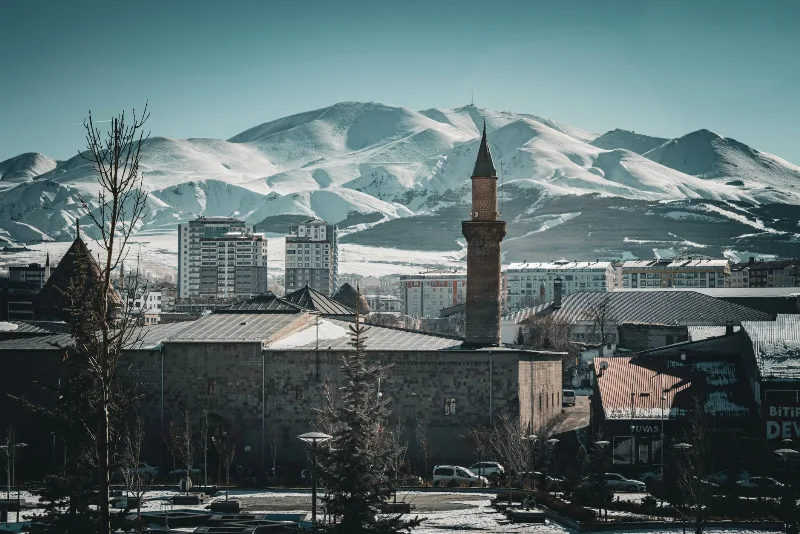
Erzurum
Erzurum is a high-plateau city in eastern Türkiye and the capital of its province, set at roughly 1,900 metres among mountains. It is known for severe winters, the long ski season on Palandöken and a historic centre of Seljuk and Ottoman monuments.
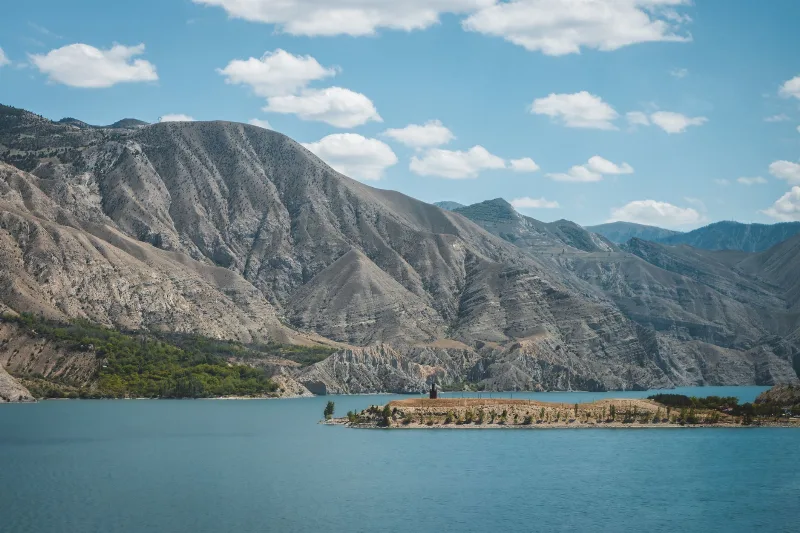
Lake Tortum
Lake Tortum is a landslide-dammed lake in Erzurum Province, northeastern Türkiye, created when a huge rock slide blocked the valley of the Tortum River. Its overflow spills over the Tortum Waterfall, one of the country's best-known cascades.
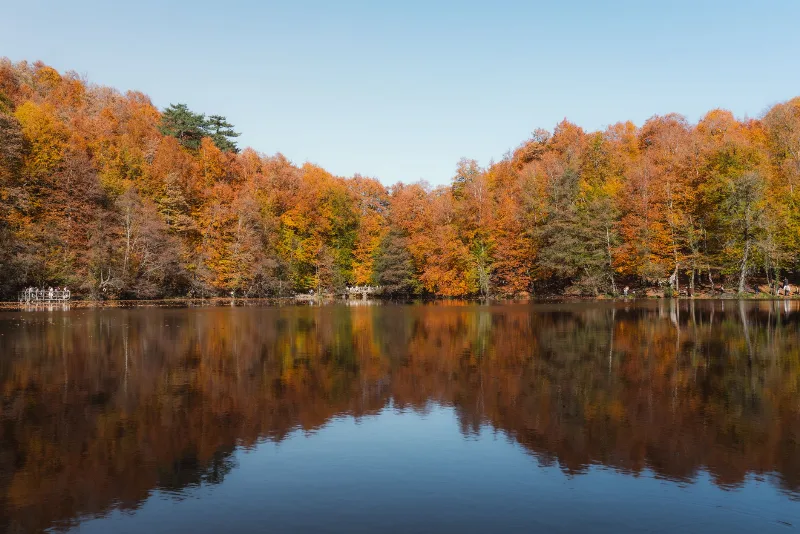
Nature Reserves of the Black Sea Region
Türkiye's Black Sea coast hides a chain of protected landscapes, from glacial lakes in the Kaçkar Mountains to canyons and old-growth forests in Kastamonu and Bartın.

Erzurum Potatoes
Erzurum potatoes are highland potatoes from Erzurum province in Eastern Anatolia, shaped by cool summers, volcanic soils and a short growing season. They are known for their starch-rich texture and full flavour.
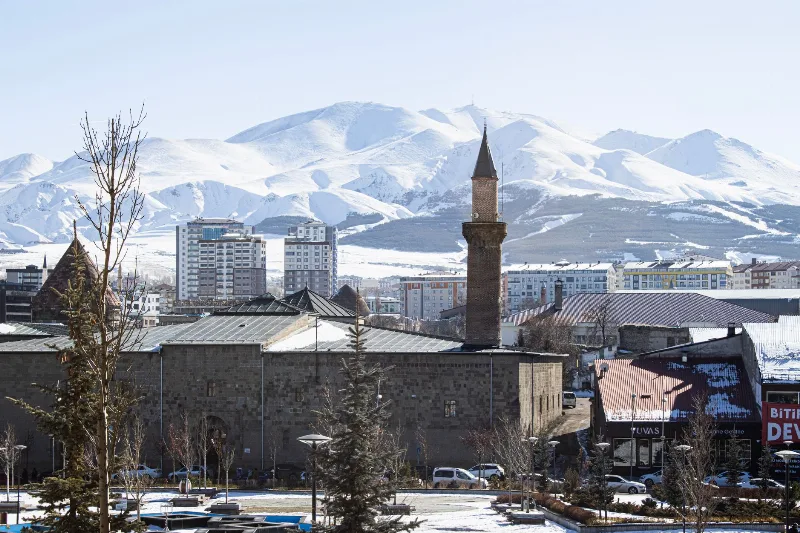
Skiing Escapades in Erzurum
Erzurum is a high-elevation city in eastern Türkiye where long winters and dependable snowfall support skiing and winter sports. Its mountain slopes, historic landmarks and cold-weather cuisine give a snow adventure here a distinct character.
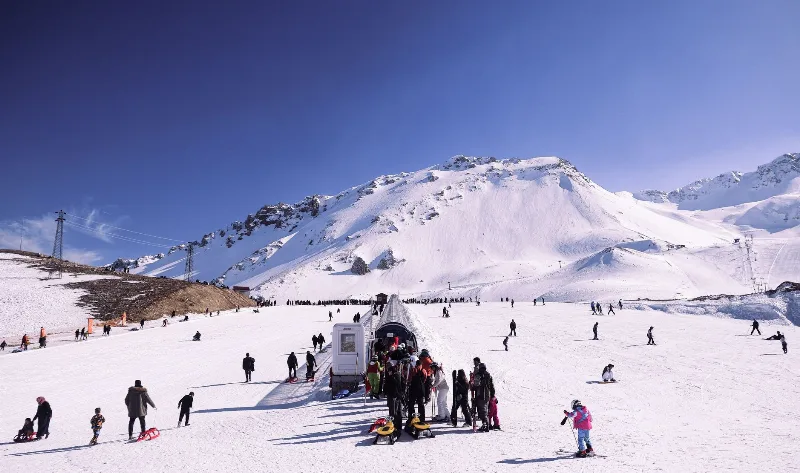
Snow Season in Palandöken, Erzurum
Palandöken, the mountain rising above Erzurum in eastern Türkiye, holds a long snow season that typically runs from December to March. Its dry, cold continental climate produces light powder snow, which is why the area has become one of the country's main winter sports destinations.