
Routes
Road trips, coastal drives, cultural routes and scenic journeys across Türkiye.
Türkiye’s road and trail network passes through an unusually broad range of environments, linking coastlines, mountain passes, villages, ancient cities, agricultural regions and major urban centres. Routes may follow the sea for long distances, cross central plateaus, climb into mountain valleys or connect archaeological sites separated by rural landscapes.
The southwestern Mediterranean contains some of the most visually distinctive coastal roads. The route between Fethiye, Kalkan, Kaş, Demre and Antalya follows sections of the Mediterranean shoreline through mountainous terrain. Cliffs rise directly from the sea in many places, while the road passes above coves, beaches and small coastal settlements. Destinations such as Patara, Kaputaş Beach and several Lycian archaeological sites lie along or close to this corridor.
The Aegean region offers a different pattern of travel. Roads connect peninsulas, fishing towns, villages, beaches, olive-growing districts, vineyards and ancient cities. Routes around Bodrum, Datça, Marmaris, Çeşme, Foça and Ayvalık combine coastal views with rural landscapes and historic settlements.
Black Sea routes are characterized by steep terrain, forests and river valleys. The coastal highway connects major towns, while secondary roads climb rapidly inland toward mountain villages and highland plateaus. In the eastern Black Sea, routes toward Çamlıhemşin, Ayder and the Kaçkar Mountains pass through deep valleys, rivers, forests and increasingly high terrain.
Central Anatolian journeys cross broad plateaus and steppe landscapes. Cappadocia contains a dense network of roads and walking paths linking valleys, rock formations, villages and underground settlements. Further west and south, routes connect Konya, Ankara and other cities with archaeological sites, agricultural areas and historic towns.
Türkiye also contains several established long-distance walking trails. The Lycian Way follows the southwestern coast through forests, villages, mountain slopes and archaeological landscapes. Other marked routes connect historical and natural areas in different regions.
Historic transport corridors have also shaped the landscape. Seljuk caravanserais and old bridges survive along routes once used by merchants, travellers and military forces crossing Anatolia. Some modern roads still follow broad geographic corridors that have been used for movement for centuries.
Season strongly affects route conditions. Coastal roads remain accessible for much of the year, while high mountain roads can experience snow and temporary closures during winter. In summer, heat becomes a significant feature of inland and southern routes. Elevation, road type and regional climate therefore shape the experience of travelling between different parts of the country.
Seasonal experiences
All Seasons →
Chestnut Harvest in Bursa
Each autumn, the chestnut groves around Bursa ripen and the spiky green burrs split open, revealing the glossy brown nuts that give the region one of its best-known seasonal crops.
Explore →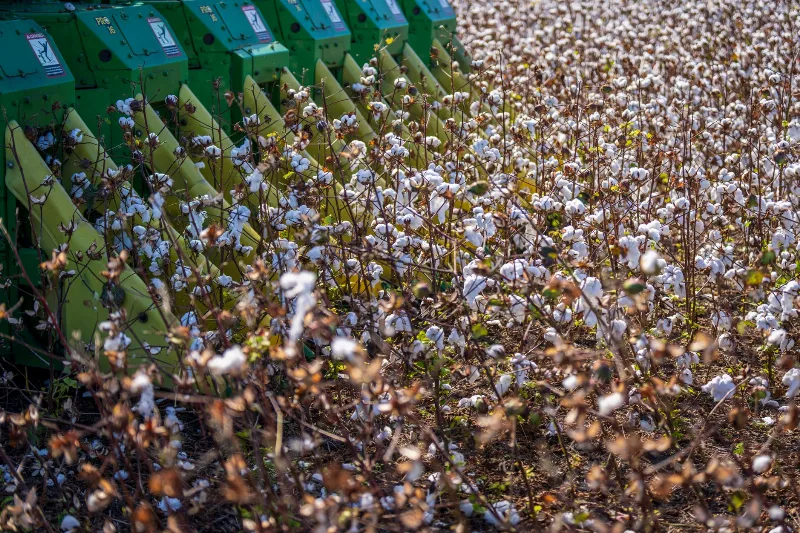
Cotton Harvest in Şanlıurfa
Each autumn, the cotton fields around Şanlıurfa transform into a sea of white as the harvest begins. Discover the timing, the agricultural process, and what to expect during this seasonal event.
Explore →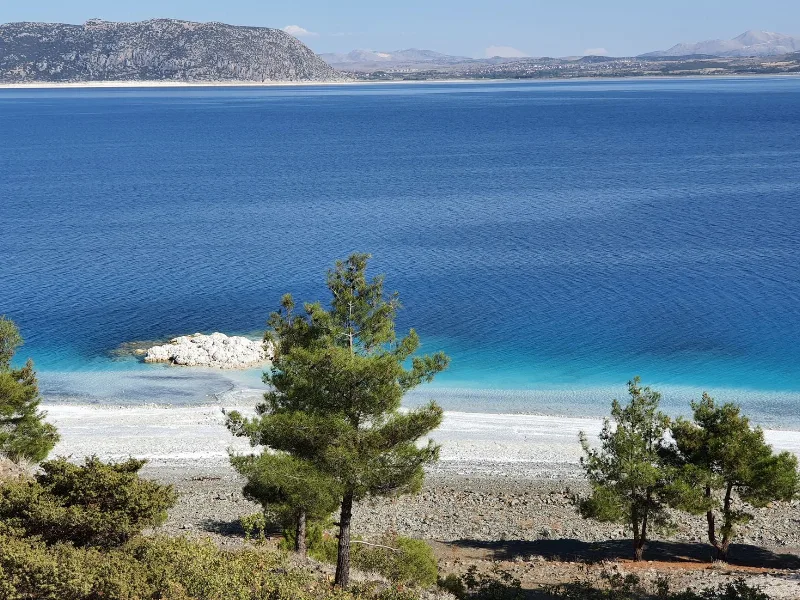
Bird Migration at Lake Burdur, Burdur
Lake Burdur’s alkaline waters draw migratory waterbirds in spring and autumn, when flamingos and white-headed ducks are among the species associated with the lake. Timing shifts with weather, so the season is best understood as a moving window rather than a fixed date.
Explore →Related content
Fethiye
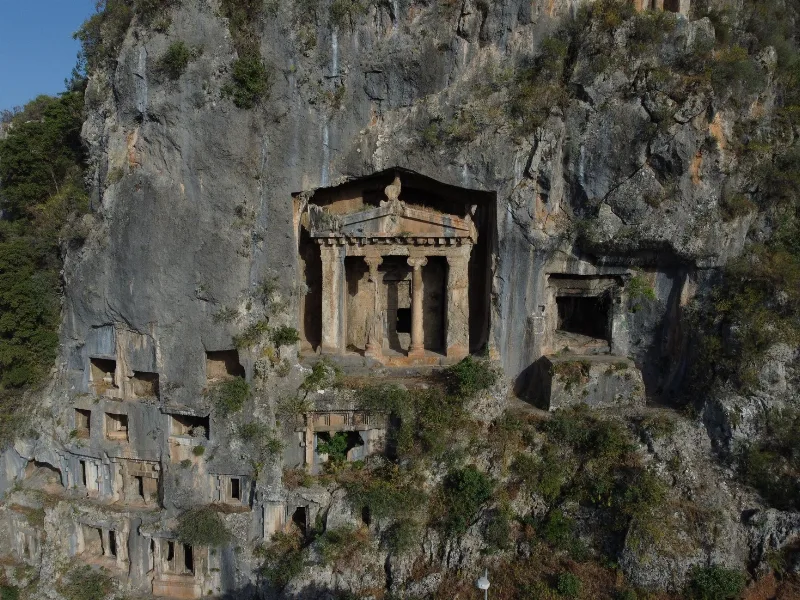
Fethiye is a captivating coastal town known for its stunning blue lagoon, thrilling paragliding experiences, and ancient rock tombs.
Antalya
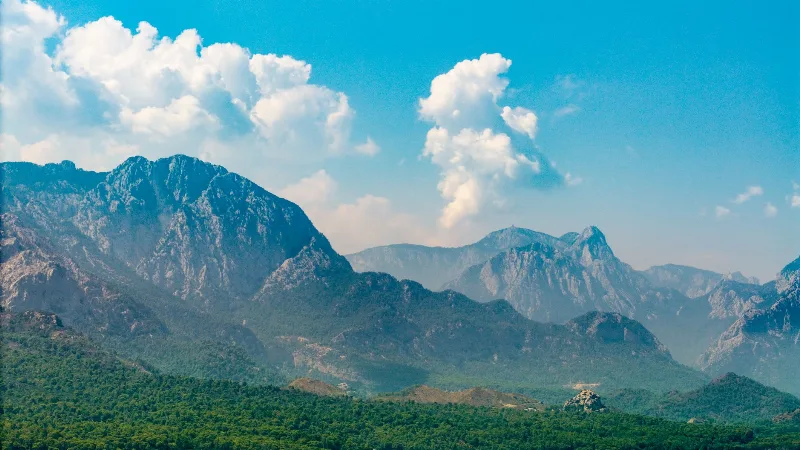
Antalya offers a unique blend of vibrant history and stunning natural beauty, making it a must-visit destination in Türkiye.
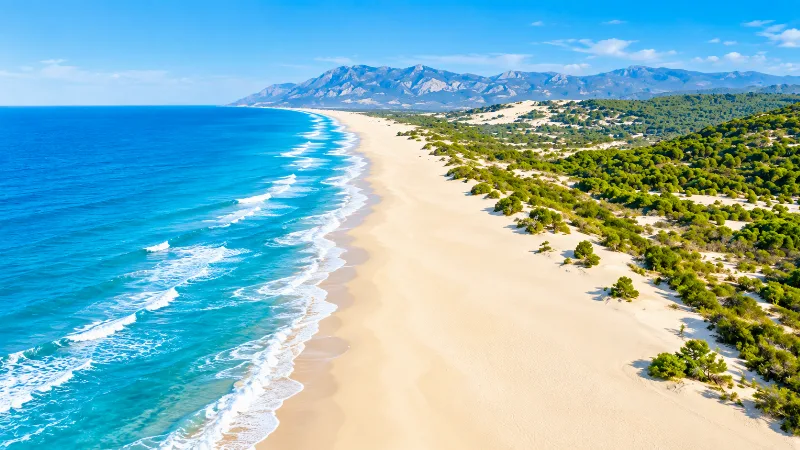
Patara
Patara is a long, wide sandy beach on Türkiye's Lycian coast, backed by dunes and a shallow wetland, where the open Mediterranean meets a protected coastal landscape.
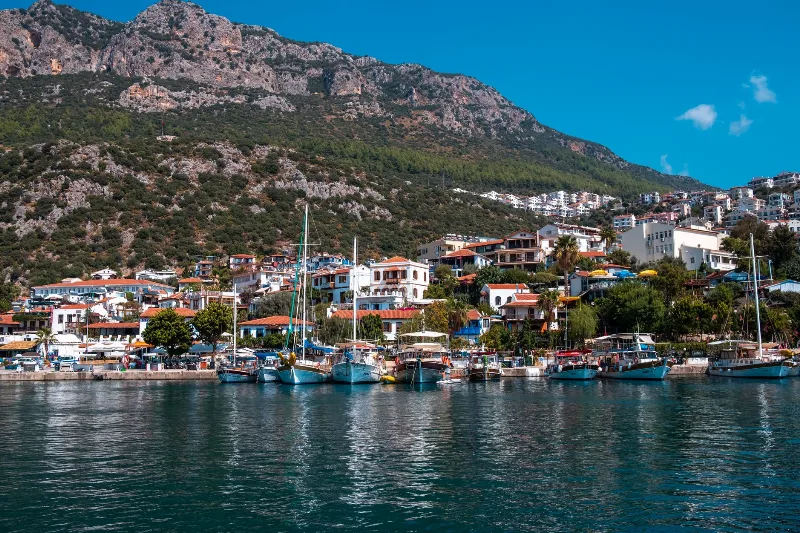
5-Day Antalya to Fethiye Coastal Route
A five-day driving itinerary along Turkey's Mediterranean shore, linking Antalya, Phaselis, Olympos, Demre, Kekova, Kaş, Kalkan, Patara and Fethiye. The route is linear, coastal for most of its length, with short inland detours to Lycian ruins.
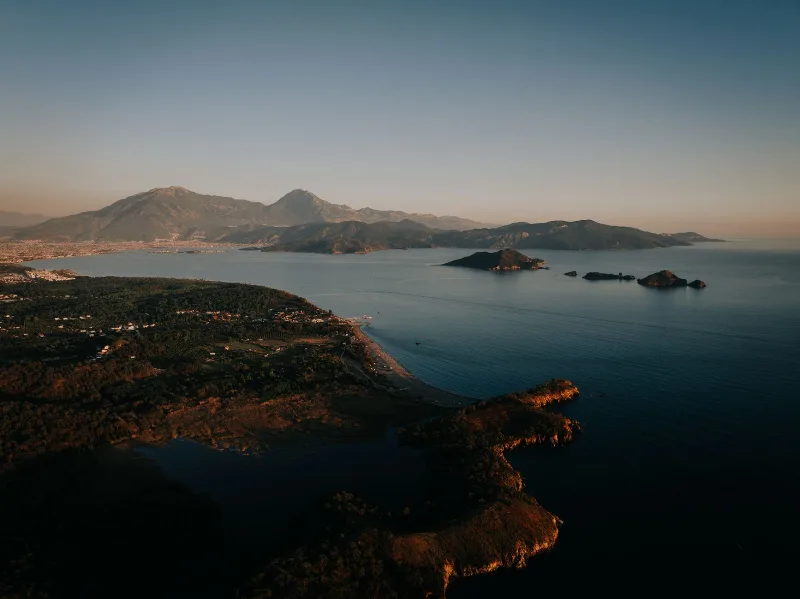
6-Day Mediterranean Coast Route: Antalya to Marmaris
A six-day linear route along Türkiye's Mediterranean coast, linking Antalya, Olympos, Demre, Kekova, Kaş, Kalkan, Patara, Fethiye and Dalyan before finishing in Marmaris. It mixes ancient cities, long beaches and small harbour towns on a continuous westward drive.
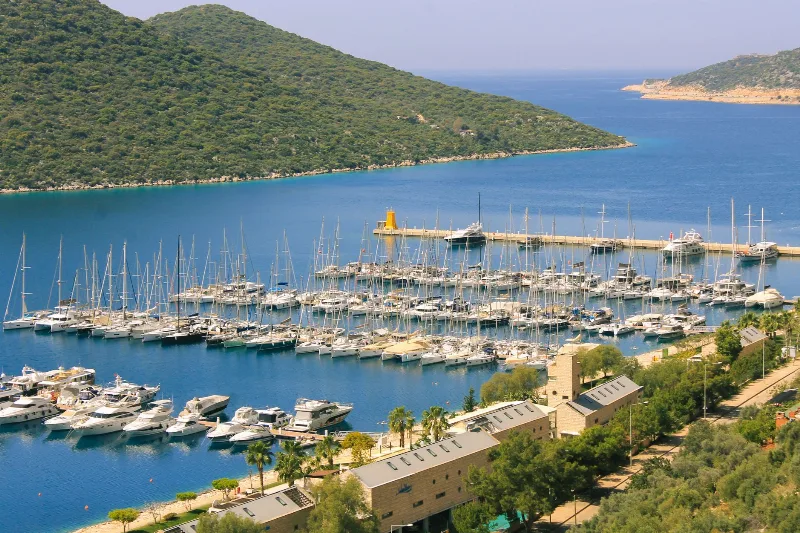
5-Day Fethiye to Kaş Lycian Coast Route
A five-day linear route along the Lycian coast from Fethiye to Kaş, linking Ölüdeniz, Kabak, the Xanthos valley, Patara and Kalkan by road and on foot.