
Cotton Harvest in Şanlıurfa
Each autumn, the cotton fields around Şanlıurfa transform into a sea of white as the harvest begins. Discover the timing, the agricultural process, and what to expect during this seasonal event.
The cotton harvest across the plains around Şanlıurfa, in southeastern Turkey, is a significant seasonal event that transforms the agricultural landscape of southeastern Anatolia. Each year, typically in September and October, the vast cotton fields around the city of Şanlıurfa and its surrounding plains turn bright white as the cotton bolls open, creating a striking contrast against the dry, earthy terrain. This period marks the culmination of the cotton growing season and is a busy time for local farmers who rely on this crop for their livelihoods. The exact timing of the harvest can shift from year to year, influenced by weather conditions, irrigation schedules, and the specific microclimate of the region.
Where the Cotton Harvest Takes Place
Şanlıurfa is located in southeastern Turkey, a region known for its hot, dry summers and fertile plains. The cotton harvest primarily occurs in the agricultural areas surrounding the city, including the Harran Plain, which is one of the largest and most productive cotton-growing areas in Turkey. The Harran Plain is part of the Southeastern Anatolia Project (GAP), a massive irrigation initiative that has transformed the region's agriculture by providing water from the Euphrates River. Other districts such as Akçakale, Ceylanpınar, and Viranşehir also host extensive cotton fields. The geography is characterized by flat or gently rolling plains, which facilitate mechanized harvesting and create expansive vistas of white cotton during the harvest season.
When the Cotton Harvest Typically Happens
The cotton harvest generally begins in September and extends through October, though the precise start and end dates vary annually. Cotton is planted in the spring, usually in April or May, and grows throughout the summer. The plants require a long, hot growing season to mature, and the bolls begin to open in late summer or early autumn. Farmers often start harvesting as soon as a significant portion of the bolls have opened, which is typically in early to mid-September. In some years, depending on weather and irrigation, the harvest may start as early as late August or continue into early November. The peak of the harvest activity usually occurs from mid-September to mid-October, when the fields are at their whitest and the harvesting machinery is most active.
What Causes the Seasonal Transformation
The transformation of the cotton fields from green to white is driven by the natural life cycle of the cotton plant. After flowering, the plant produces bolls that contain the cotton fibers. As the bolls mature, they dry out and split open, revealing the fluffy white lint inside. This process is triggered by the accumulation of heat units over the growing season and the shortening day lengths of late summer. The hot, dry climate of Şanlıurfa is ideal for cotton, as the plant thrives in high temperatures and requires minimal rainfall during the boll-opening phase. The region's irrigation infrastructure ensures that the plants receive adequate water during the growing season, while the dry autumn weather helps the bolls open properly and reduces the risk of mold or rot.
The Landscape During the Harvest
During the harvest, the Şanlıurfa landscape undergoes a dramatic visual change. The fields, which were green throughout the summer, become vast expanses of white as the cotton bolls open. This creates a surreal, almost snow-like appearance, especially when viewed from a distance. The white fields contrast sharply with the brown, parched earth of the surrounding uncultivated areas and the blue sky typical of the region's autumn. The harvest also brings a flurry of activity: large cotton pickers and other machinery move through the fields, and workers may be seen manually picking in some areas. The air is often filled with dust and the hum of machinery, adding to the bustling atmosphere of the season.
Agricultural Activity and Harvesting Methods
The cotton harvest in Şanlıurfa is a major agricultural operation. Most large-scale farms use mechanical cotton pickers, which strip the cotton from the bolls and collect it in large baskets. These machines can cover many hectares in a day, making the harvest efficient. However, in some smaller fields or areas with uneven terrain, manual picking still occurs, often employing local labor. After picking, the cotton is transported to ginning facilities where the fibers are separated from the seeds. The ginned cotton is then baled and sent to textile mills. This entire process is a critical economic driver for the region, providing income for farmers, workers, and related industries.
What Visitors Can Realistically Observe
Visitors to Şanlıurfa during the harvest season can expect to see the white cotton fields stretching to the horizon, particularly in the Harran Plain and along the roads leading out of the city. The best views are often from public roads or elevated viewpoints, as most fields are private property. It is important to respect the farmers' land and not enter fields without permission. Watching the mechanical harvesters at work can be fascinating, but visitors should keep a safe distance. The harvest is a working agricultural scene, not a tourist attraction, so there are no organized tours or facilities specifically for viewing. However, the sheer scale of the white fields is a memorable sight, and photographers may find excellent opportunities, especially in the soft light of early morning or late afternoon.
How Weather Affects the Harvest Timing
Weather conditions play a decisive role in determining the exact timing of the cotton harvest. A hotter-than-usual summer can cause the bolls to open earlier, potentially advancing the harvest to late August. Conversely, a cooler summer or excessive cloud cover may delay boll opening, pushing the harvest into October. Rainfall is a critical factor: rain during the harvest can damage the open cotton, staining the fibers and reducing quality. Therefore, farmers often rush to harvest before any autumn rains arrive. In Şanlıurfa, autumn is generally dry, but occasional early rains can occur, creating urgency. Irrigation also influences timing; if water is available, farmers can manage the crop's development to some extent, but weather remains the primary driver.
The Best Period to See the Cotton Harvest
For those hoping to witness the cotton harvest in full swing, the period from mid-September to mid-October is typically the most reliable. During this window, the majority of the fields are white, and harvesting activity is at its peak. However, because the timing varies annually, it is advisable to check local conditions or contact agricultural authorities for updates if planning a visit specifically for this phenomenon. Early September may still show some green fields, while late October might see many fields already harvested. The harvest season generally lasts for about four to six weeks, but individual fields are harvested quickly once they are ready.
Nearby Places and Seasonal Context
The cotton harvest is not limited to the immediate surroundings of Şanlıurfa city. The nearby district of Harran, famous for its ancient beehive houses, is also surrounded by cotton fields. The juxtaposition of ancient architecture and modern agriculture adds an interesting dimension to a visit. Other nearby towns like Akçakale, on the border with Syria, and Ceylanpınar, further east, are also major cotton-producing areas. Visitors traveling through the region during September and October will encounter white fields in many parts of the province. The Euphrates River, which provides irrigation for these fields, is another geographical feature that shapes the agricultural landscape. The seasonal transformation of the cotton fields is thus a regional phenomenon that defines the autumn landscape of Şanlıurfa.
EXPLORE BY THEME
All themes →
Seasonal Experiences
Harvests, festivals, natural seasons and local events throughout the year.
Explore →
Historic Places
Ancient cities, monuments, castles and archaeological sites across Türkiye.
Explore →
Hidden Places
Less-known villages, coves, valleys, historic sites and natural areas across Türkiye.
Explore →Related content
Şanlıurfa
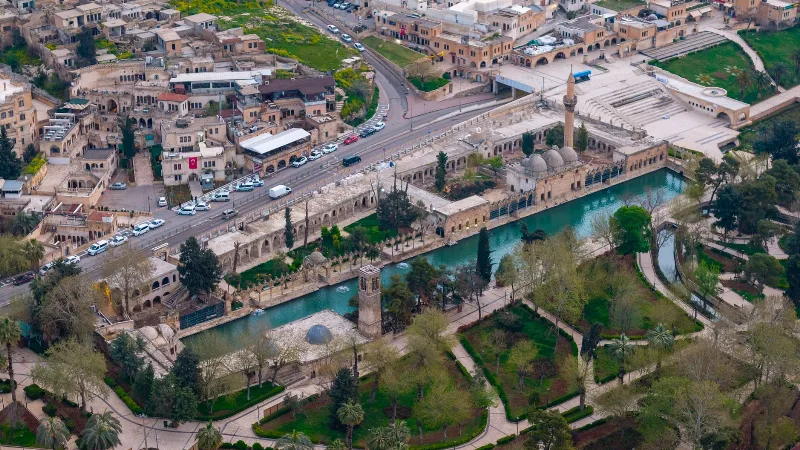
Şanlıurfa, commonly called Urfa, is a large city in southeastern Türkiye and the capital of its province. It is known both as a place tied to the tradition of the Prophet Abraham and as the gateway to Göbekli Tepe, one of the oldest monumental sites ever found.
Urfa Peppers
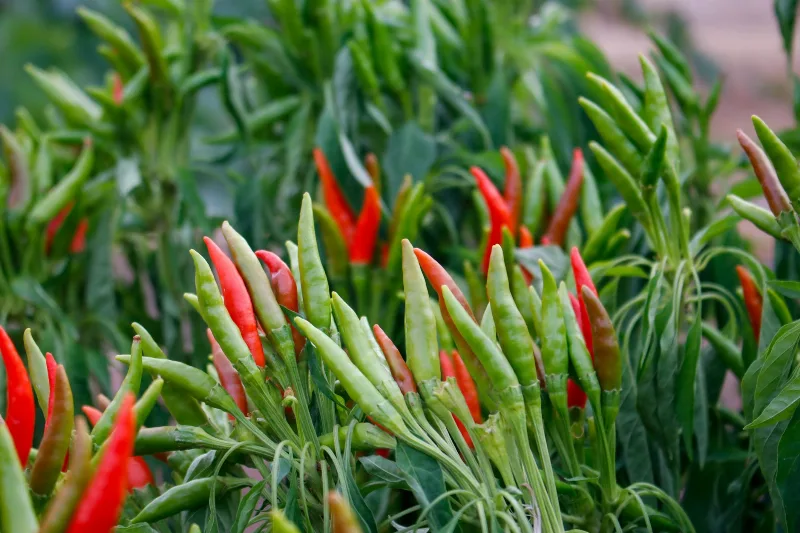
Urfa peppers, known locally as isot, are dark red peppers grown and sun-dried in Şanlıurfa province in southeastern Türkiye, where intense heat and very dry air shape their colour, oily texture and mild bitterness.
Harran's Beehive Houses
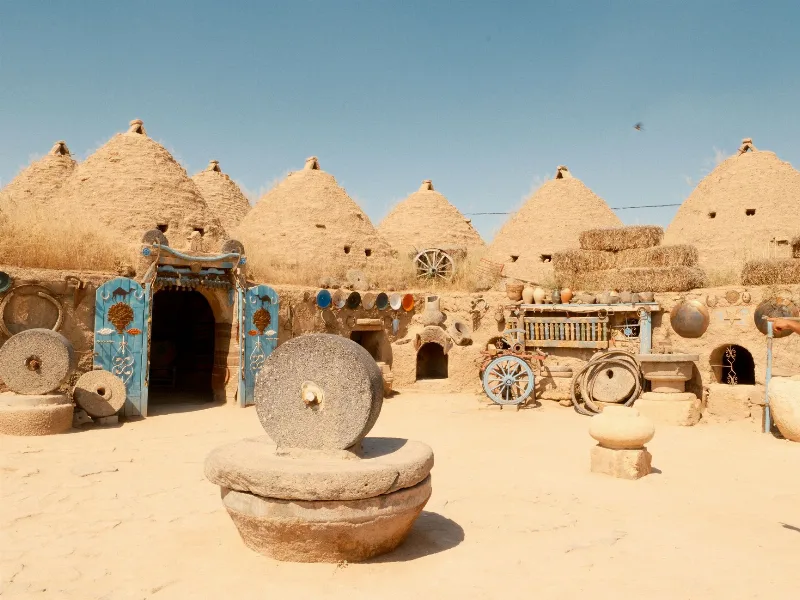
The beehive houses of Harran in Şanlıurfa Province are conical mud-brick dwellings that have shaped daily life on the northern Mesopotamian plain for generations. Their domed forms reflect a practical response to a hot, dry climate.
Karacadağ Rice
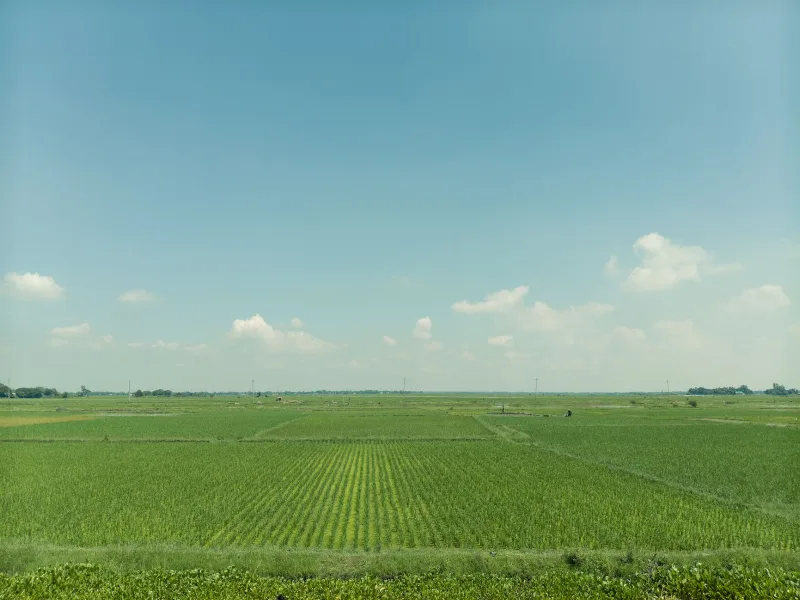
Karacadağ rice is a rice grown in the Karacadağ area of Şanlıurfa province in southeastern Türkiye, where a hot regional climate and irrigation water drawn from the Karacadağ massif shape its distinctive taste and firm grain.
Traditional Crafts of a Turkish Bazaar
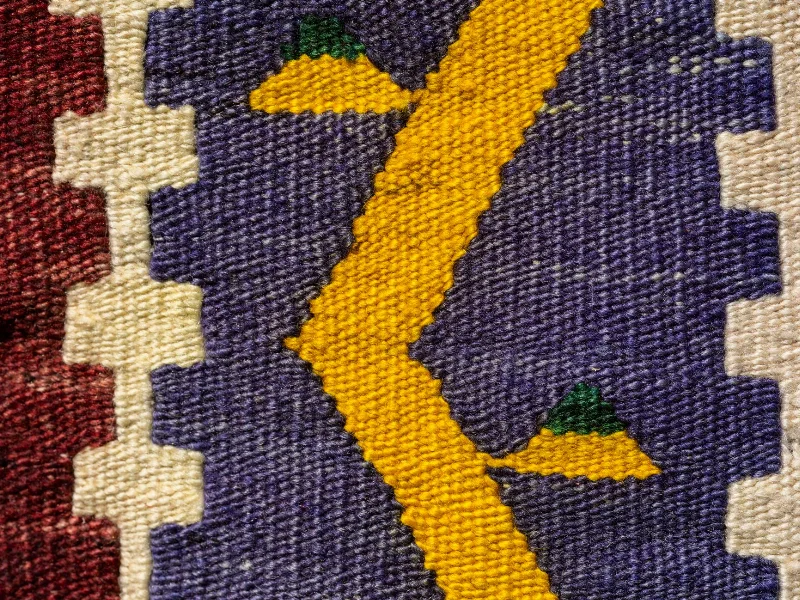
Türkiye's bazaars are living archives of craft, where copper, çini ceramics, kilims and ebru marbling are still shaped by hand. This page explores the trades, materials and traditions behind them.
2-Day Şanlıurfa and Göbeklitepe Route
A two-day route through Şanlıurfa's sacred historic quarter, the world's oldest known temple at Göbeklitepe and the beehive houses of the Harran plain, starting and finishing in Şanlıurfa city.