
Urfa Peppers
Urfa peppers, known locally as isot, are dark red peppers grown and sun-dried in Şanlıurfa province in southeastern Türkiye, where intense heat and very dry air shape their colour, oily texture and mild bitterness.
Urfa pepper, called isot in the province where it is grown, is a dark red pepper produced in Şanlıurfa in southeastern Türkiye. It is not eaten fresh like a green pepper: the crop is harvested ripe, dried in the open sun, and then sold as coarse flakes, ground powder or a thick paste. Şanlıurfa is the place most closely identified with it because the pepper is grown, dried and processed there under the same dry, extremely hot conditions that give it its colour and its distinctive slightly bitter, faintly smoky character.
What Urfa Pepper Actually Is
Urfa pepper comes from a variety of Capsicum annuum, the same species as many other red peppers, but the local landraces of Şanlıurfa have been selected over time for a specific purpose: drying well, keeping an oily surface and developing an earthy flavour rather than a sharp, aggressive heat. When the dried pepper is coarsely crushed, the flakes are dark maroon to almost black-red, with visible glistening patches of natural oil. Its pungency is moderate — noticeable but well below that of many hotter chilli varieties — which is one reason it is used generously rather than sparingly in cooking.
Where Urfa Peppers Grow
Cultivation is concentrated in Şanlıurfa province and especially on the wide, level farmland of the Harran Plain south of the city of Şanlıurfa. Pepper fields are also found in surrounding districts and in neighbouring parts of the Southeastern Anatolia region, but the name and the reputation of the product remain attached to Şanlıurfa. The plain is flat, open and intensively farmed, and peppers share it with cotton, wheat, lentils and other field crops. Because the region is irrigated through large-scale water infrastructure, pepper fields receive water during the growing season even though the surrounding landscape is arid for much of the year.
Why the Şanlıurfa Climate Suits This Crop
The relationship between land, climate and product is direct here. Şanlıurfa has one of the hottest, driest summers in Türkiye, with very high daytime temperatures, strong sunlight, low humidity and little cloud cover. Peppers need warmth to ripen and to build up colour, and they tolerate heat far better than most vegetables. The dry air is equally important after harvest: peppers can be split, spread out and dried in the open air with almost no risk of mould, because there is so little moisture in the atmosphere. In more humid regions, drying a large volume of peppers outdoors is far more difficult. Here, the same climatic conditions that make the growing season demanding for other crops make the pepper crop and its drying stage unusually reliable.
The Plant and Its Growing Cycle
Pepper plants are raised from seed and planted out in the fields in spring, once the risk of cold nights has passed. They grow through the hot months as bushy plants with white flowers, which are followed by green fruits that lengthen and thicken through summer. The fruits turn from green to a deep red as they ripen, and that final colour change is what determines when they are picked. Ripening is spread over a period rather than happening all at once, so picking is normally done by hand and repeated across the field as individual fruits reach full colour. The plants stay productive until the temperature drops in autumn, after which the season ends.
Harvesting and the Drying Tradition
The defining step in making Urfa pepper is drying. Ripe red peppers are collected, usually by hand, and taken to be processed, where stems and seeds are removed and the flesh is cut or crushed. The pieces are then spread on cloths, sheets or racks in the open sun and turned regularly until most of their moisture has gone. This sun-drying stage concentrates the flavour, darkens the colour and softens the texture. Sun-dried lots may then be ground into flakes or powder, or worked into a paste with salt and a little oil, depending on how the product will be used. Dried pepper keeps well and can be stored for months, which historically allowed households in Şanlıurfa to use their own pepper harvest through the winter.
Appearance, Flavour and Texture
Urfa pepper is judged by its colour and its oiliness. Good flakes are dark, deep red-brown, not bright orange, and they feel slightly moist or oily between the fingers. The aroma is earthy and a little smoky, with a dried-fruit sweetness underneath. On the palate the heat arrives late and stays moderate, while a mild bitterness and a raisin-like, almost tobacco-like note linger. Cooks often describe it as giving colour and depth rather than pure fire, which separates it from many other dried chilli products. İsot is recorded within Türkiye's national geographical indication system as a product of Şanlıurfa, reflecting how tightly the pepper is tied to the province.
How Urfa Isot Is Used
The pepper is used both as an ingredient and as a finishing element. It is stirred into soups and stews, mixed into meat preparations before grilling, and sprinkled over salads, yoghurt-based dishes and vegetable dishes. In Şanlıurfa itself it appears in regional cooking in a way that would be difficult to replace with another chilli, since the aim is usually colour, aroma and gentle warmth rather than sharp heat. It is also served at the table on its own, so diners can add more to their plate. Similar dried pepper traditions exist in neighbouring provinces of the southeast, but Urfa pepper remains the version most closely identified with its home city.
A Crop Tied to the Local Farming Landscape
Pepper cultivation and drying are part of the agricultural rhythm of Şanlıurfa, and the crop has a visible presence in the region: fields of ripening peppers in late summer, then cloths and drying racks covered with deep red pieces in the sun. For many farming families, peppers are both a food staple and a source of income, and the knowledge of how to dry and grind them properly is passed on locally rather than learned from textbooks. The result is an agricultural product that could not easily be reproduced elsewhere in the same form, because it depends on a specific combination of a hot, dry growing season, reliable irrigation and a long local tradition of sun-drying in the open air.
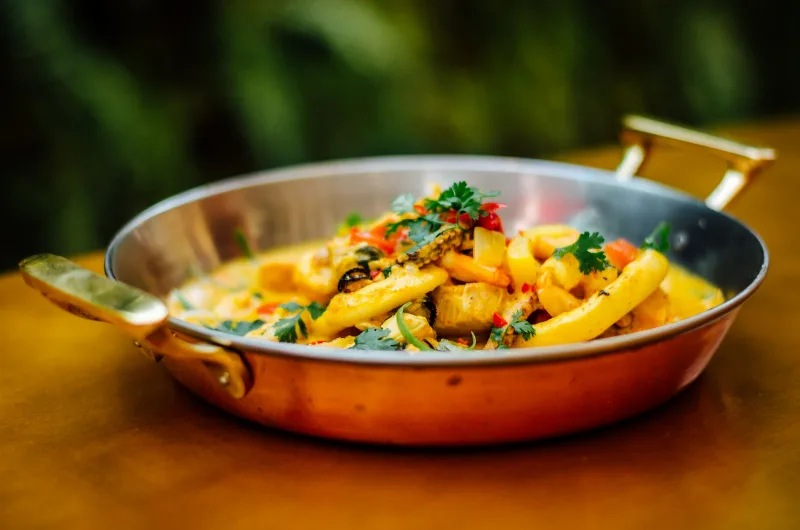
Kuymak
Kuymak is a hot Black Sea dish of cornmeal cooked in butter and blended with a melting local cheese. It is eaten mainly as a breakfast food across Trabzon, Rize, Giresun and the surrounding provinces.
Explore →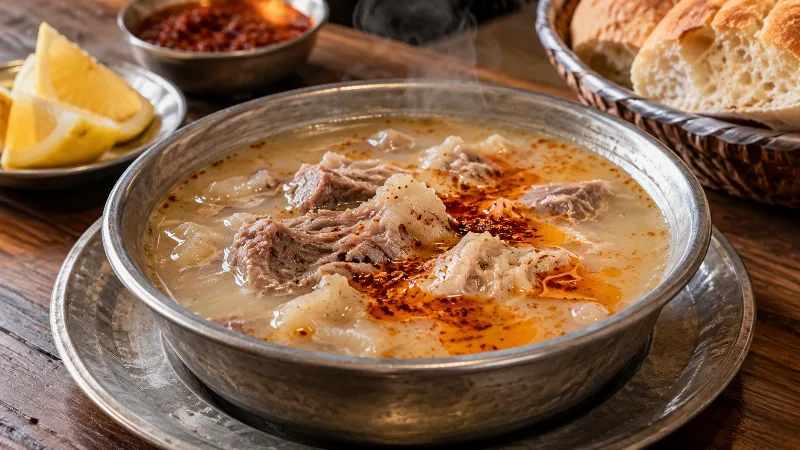
Kelle Paça Çorbası
Kelle Paça Çorbası is a traditional Turkish soup made from sheep's head and feet, known for its thick, gelatinous texture and restorative qualities. It is especially popular in Eastern and Southeastern Anatolia and is commonly eaten for breakfast or as a late-night meal.
Explore →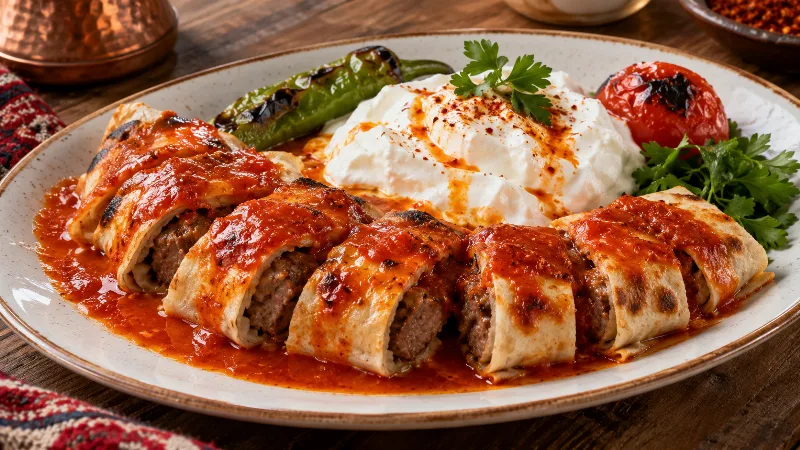
Beyti Kebabı
Beyti Kebabı is a Turkish kebab of grilled minced meat rolled inside thin lavash bread, dressed with warm tomato sauce and yogurt. It is a modern Istanbul dish rather than an old regional specialty, and it differs from İskender or Adana kebab in both its meat and its serving style.
Explore →Related content
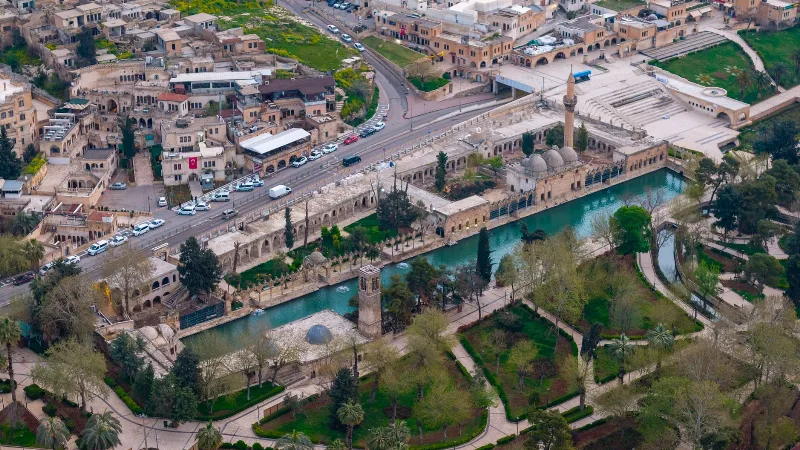
Şanlıurfa
Şanlıurfa, commonly called Urfa, is a large city in southeastern Türkiye and the capital of its province. It is known both as a place tied to the tradition of the Prophet Abraham and as the gateway to Göbekli Tepe, one of the oldest monumental sites ever found.
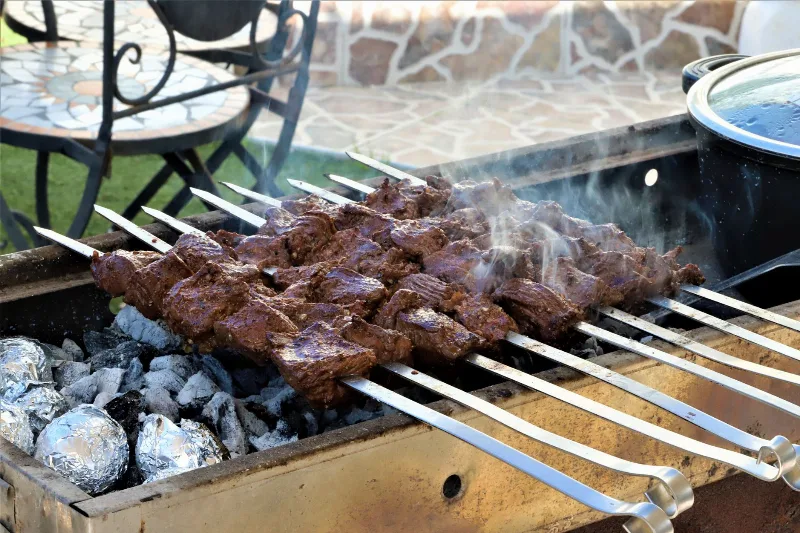
Urfa Kebabı
Urfa Kebabı is a charcoal-grilled minced lamb kebab from Şanlıurfa, seasoned without hot pepper and pressed onto long flat skewers. Its mild, juicy character places it alongside — and directly against — the spicier Adana kebabı.
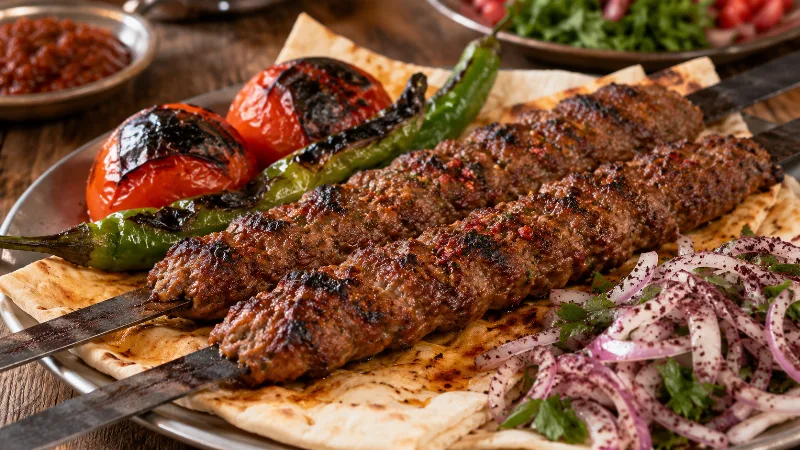
Urfa Kebap
Urfa Kebap is a charcoal-grilled minced lamb kebab from Şanlıurfa, seasoned without hot chilli and shaped around flat skewers. Its mildness is what sets it apart from the region's other minced kebabs.
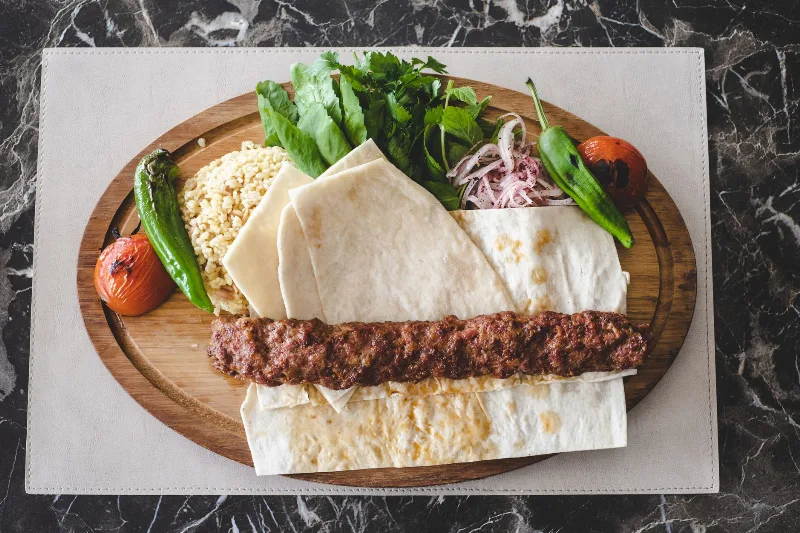
Adana Kebap: Spicy Hand-Minced Lamb Kebab from Adana
Adana kebap is a charcoal-grilled minced lamb kebab from the Çukurova plain, defined by hand-chopped meat, tail fat and generous chilli heat. This article explains its ingredients, preparation, flavour and how it differs from Urfa kebap.
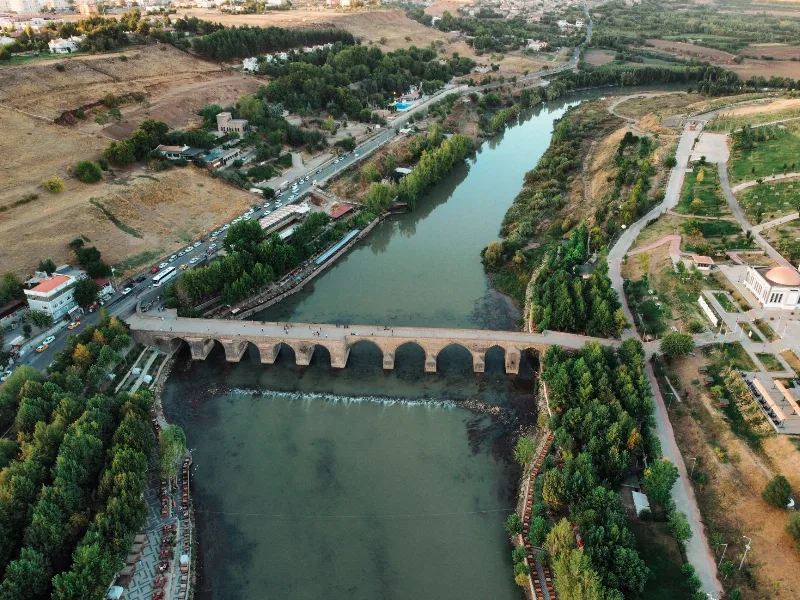
5-Day Tigris and Euphrates Route
A five-day, east-to-west journey across Southeastern Anatolia from Diyarbakır to Gaziantep, following the Tigris and Euphrates through Mardin, Şanlıurfa, Göbeklitepe and Harran.
Adana Kebabı
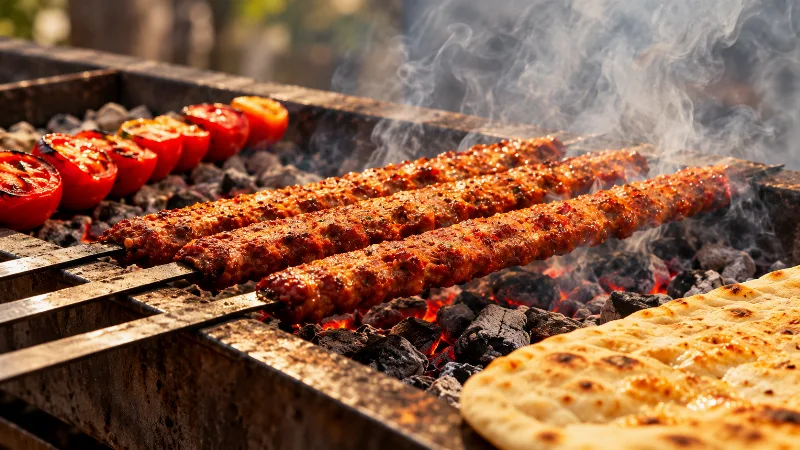
Adana kebabı is a spicy minced-lamb kebab from the southern Turkish city of Adana, moulded onto wide flat skewers and grilled over charcoal. Its heat, its hand-chopped meat and its distinctive flat skewer set it apart from other Turkish kebabs.