
Harran's Beehive Houses
The beehive houses of Harran in Şanlıurfa Province are conical mud-brick dwellings that have shaped daily life on the northern Mesopotamian plain for generations. Their domed forms reflect a practical response to a hot, dry climate.
In the south-eastern corner of Türkiye, on a broad plain near the Syrian border, the small town of Harran keeps a form of architecture that is found almost nowhere else. Its beehive houses — conical domes of sun-dried mud brick — rise from the flat farmland in tight clusters, giving the old quarter a silhouette that travellers have been describing for centuries. Harran lies in Şanlıurfa Province, in a landscape of wheat, cotton and grazing land, and its distinctive dwellings remain one of the most recognisable examples of traditional building in the region.
Where Harran Stands
Harran occupies a strategic position on the plain that carries its name, an area historically linked to the wider Fertile Crescent. Caravan routes once connected this spot with Anatolia, Mesopotamia and the Levant, and the town grew as a stopping place between them. Not far from the mud-brick houses stand the remains of the ancient city, including traces of its medieval religious architecture and the ruins of the citadel that watched over the settlement. The provincial centre of Şanlıurfa, sometimes called the City of Prophets, lies to the north and gives the area much of its cultural character.
Mud Brick and a Cone of Stacked Rings
The houses are built without timber. Local clay, mixed with straw and water, is formed into bricks and left to dry in the sun. These bricks are then laid in a continuous spiral, each ring slightly narrower than the one beneath it, until the walls curve inward and meet in a rounded peak with a small opening at the top. This aperture lets hot air escape while cooler air is drawn in through the doorway, and the thick brick shell cushions the interior against both summer heat and winter chill. The outer surface is regularly smoothed with a fresh layer of mud, which is why the domes keep their rounded, organic look.
Inside a Harran Compound
The beehive houses are rarely single structures. They usually stand in walled family compounds arranged around an open courtyard, where much of daily life takes place in the shade of a tree or an awning. Different cones serve different purposes: some are living rooms, others store grain, tools or fodder, and a few shelter animals. Inside, the rooms are low and cool, with small niches cut into the walls for keeping everyday objects. The courtyard, the thick walls and the conical roofs together create a home adapted to a semi-arid environment.
A Settlement with Deep Roots
Harran appears in very old written records and was a place of learning in the medieval period, when scholars there studied astronomy, mathematics and religion. The beehive form itself is often understood as an inheritance from earlier building traditions of northern Mesopotamia, passed down and refined across many generations. Similar conical domes appear in a few other parts of the wider region, which makes the Harran examples part of a broader story about how people built with the materials closest to hand.
The Plain Through the Seasons
Spring brings green fields and wild flowers to the Harran Plain, while summer turns the landscape gold and drives daily activity into the cooler hours of morning and evening. Autumn is harvest time, when cotton and wheat are gathered around the town. The local table in Şanlıurfa Province is known for çiğ köfte, lahmacun and the mild, dark isot pepper, and the flavours of the region reflect a long history of farming and trade. Each season gives the beehive houses a different setting, from bright green fields to bare, sunlit earth.
The beehive houses of Harran are more than a curiosity. They show how climate, local materials and inherited knowledge can produce a building style that is simple, practical and instantly memorable, and they remain a living part of south-eastern Türkiye's cultural landscape.
Related content
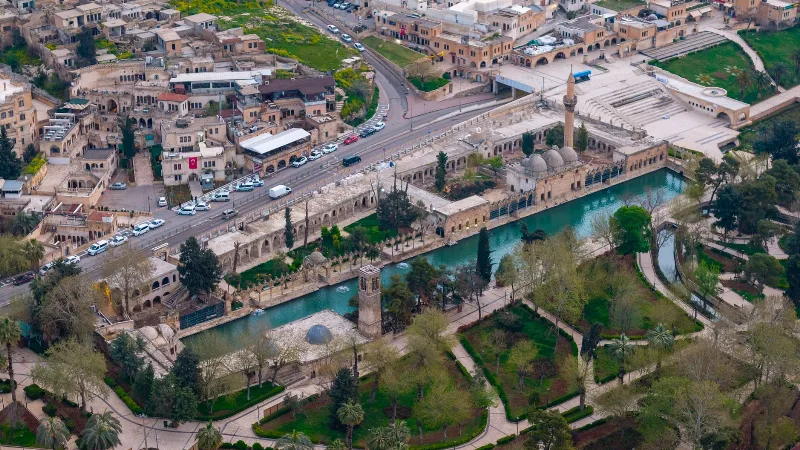
Şanlıurfa
Şanlıurfa, commonly called Urfa, is a large city in southeastern Türkiye and the capital of its province. It is known both as a place tied to the tradition of the Prophet Abraham and as the gateway to Göbekli Tepe, one of the oldest monumental sites ever found.
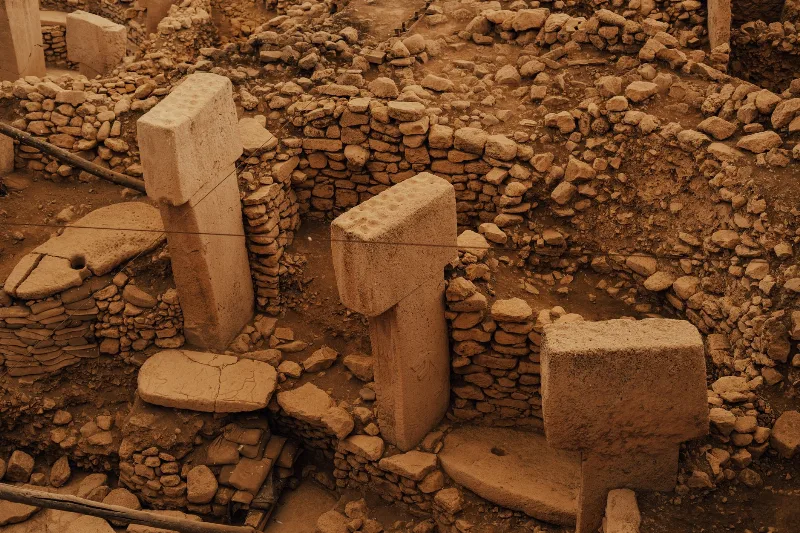
2-Day Şanlıurfa and Göbeklitepe Route
A two-day route through Şanlıurfa's sacred historic quarter, the world's oldest known temple at Göbeklitepe and the beehive houses of the Harran plain, starting and finishing in Şanlıurfa city.
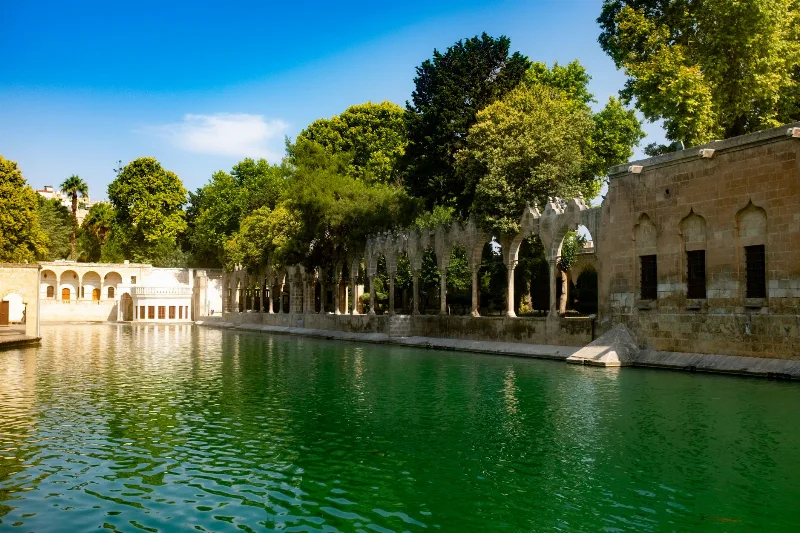
Şanlıurfa's Historical and Cultural Richness
Şanlıurfa in southeastern Türkiye blends Neolithic archaeology, sacred pools, ancient Harran and a lively food and music tradition into one remarkably layered destination.
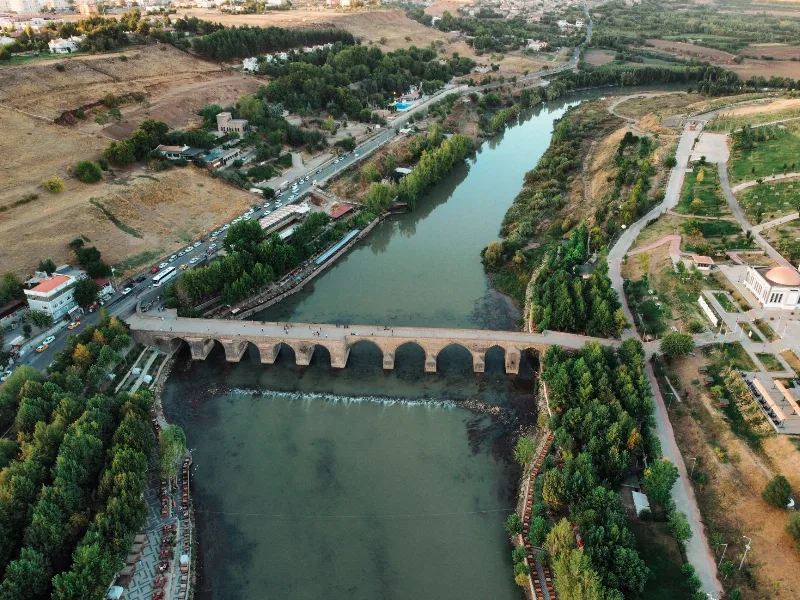
5-Day Tigris and Euphrates Route
A five-day, east-to-west journey across Southeastern Anatolia from Diyarbakır to Gaziantep, following the Tigris and Euphrates through Mardin, Şanlıurfa, Göbeklitepe and Harran.
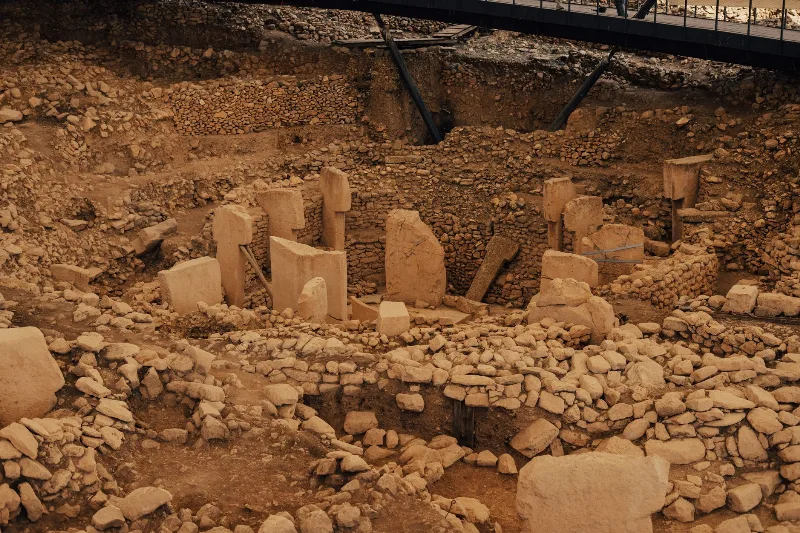
4-Day Southeastern Anatolia Route: Gaziantep to Mardin via Şanlıurfa
A four-day linear route across Southeastern Anatolia, linking the historic cities of Gaziantep, Şanlıurfa and Mardin by road, with the Neolithic site of Göbeklitepe and the ancient settlement of Harran fitted into the middle of the journey.
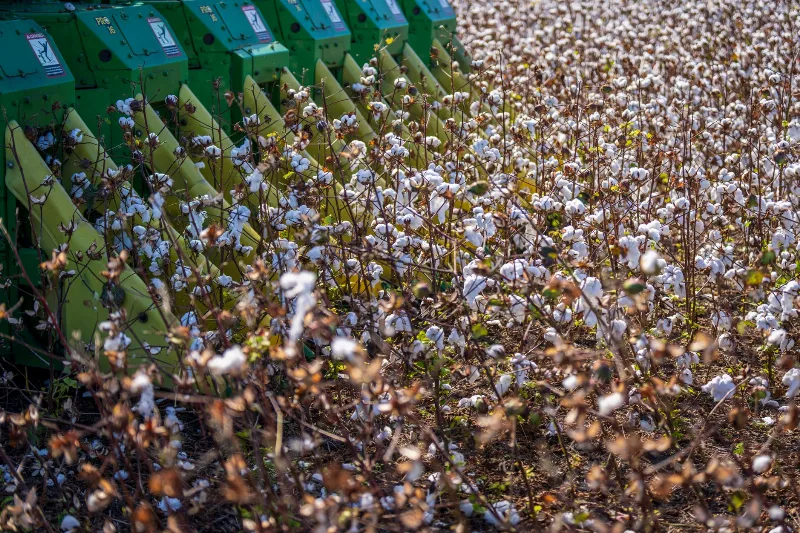
Cotton Harvest in Şanlıurfa
Each autumn, the cotton fields around Şanlıurfa transform into a sea of white as the harvest begins. Discover the timing, the agricultural process, and what to expect during this seasonal event.
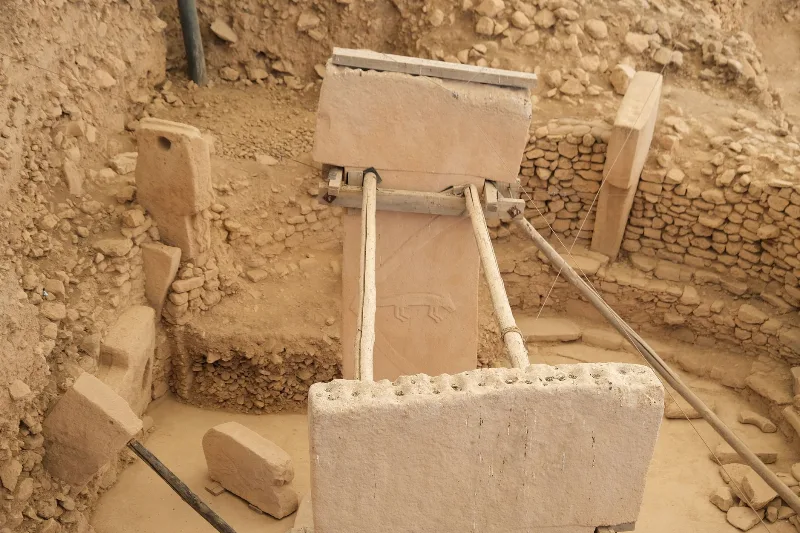
Göbekli Tepe
Göbekli Tepe is the oldest known monumental stone complex, raised by hunter-gatherers near Şanlıurfa in southeastern Türkiye around 9600 BCE. Its carved T-shaped pillars and deliberate burial have reshaped ideas about the Neolithic.
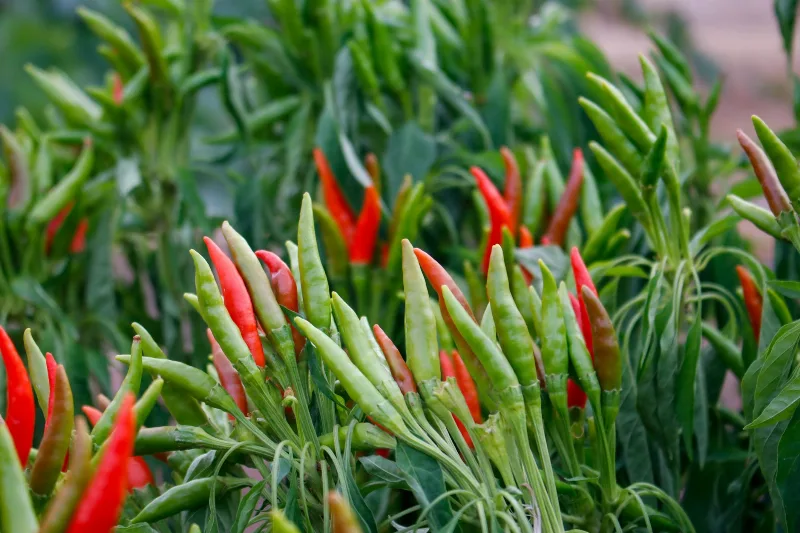
Urfa Peppers
Urfa peppers, known locally as isot, are dark red peppers grown and sun-dried in Şanlıurfa province in southeastern Türkiye, where intense heat and very dry air shape their colour, oily texture and mild bitterness.