
Chestnut Harvest in Bursa
Each autumn, the chestnut groves around Bursa ripen and the spiky green burrs split open, revealing the glossy brown nuts that give the region one of its best-known seasonal crops.
The chestnut harvest in Bursa, in northwestern Türkiye, is a genuine autumn event rather than a year-round activity. It begins when the spiky green husks, known as burrs or cupules, split open on the trees and release the glossy brown nuts inside. This ripening process normally starts in late September and reaches its peak through October, though the exact beginning shifts from year to year depending on summer heat and early-autumn rainfall. Because the nuts fall once the burrs open, the harvest is tied to a narrow window that cannot be moved.
Where the Chestnut Groves Are Found
Chestnut trees in Bursa grow on the forested slopes and in the villages that ring the city, particularly on the northern and lower flanks of Uludağ and in districts such as Keles, Orhaneli and the wooded areas toward İnegöl. These are humid, well-drained mountain sites where sweet chestnut trees (Castanea sativa) have grown for generations. The groves sit at altitudes and conditions where summers are warm but not scorching and autumn moisture arrives gradually, which suits the tree's preference for slightly acidic soils and reliable rainfall.
The city itself has long been associated with the crop, and chestnuts appear every autumn as roasted snacks sold from carts on street corners once the season is under way. That street-level presence is a visible sign that the harvest has reached the markets.
What Causes the Autumn Transformation
The timing of the harvest is driven by the tree's annual cycle. Chestnuts flower in early summer, and over the following months the nuts develop inside the protective burrs. As autumn approaches, the burrs change colour, dry out and eventually split open. This is a natural dispersal mechanism: the tree releases the ripe nuts so they can fall to the ground and, in the wild, germinate.
Cooler nights and shortening daylight help trigger this ripening. A hot, dry late summer can hasten the opening of the burrs, while a wetter or cooler season can delay it. This is why the start of the harvest is described as a seasonal window rather than a fixed date.
How the Harvest Is Carried Out
Collecting chestnuts is largely a ground-level task. Once the burrs open and the nuts fall, gatherers work through the groves to collect them, often wearing gloves because the empty husks remain prickly. Some producers also shake or knock the branches to bring down ripening nuts. After collection, the chestnuts are sorted, and the finest go toward fresh sale, roasting or the region's well-known candied chestnut product.
The harvest is a short, intense period of agricultural activity, and local life in the chestnut villages becomes busy during these weeks. Because the nuts are perishable once gathered, the work tends to be done promptly after they fall.
What Visitors Can Realistically Expect to See
Someone travelling to the chestnut areas of Bursa in October will generally find groves where the trees still carry some burrs while others have already opened. The ground beneath the trees is often scattered with fallen husks and nuts. In the villages, it is common to see sacks and crates of chestnuts being gathered and moved.
Visitors should not expect an organised festival or a single viewing point. The experience is the working harvest itself, spread across many groves and villages. The most reliable sign of full season is the appearance of fresh roasted chestnuts and raw nuts for sale in town.
Weather and Year-to-Year Variation
Autumn weather across the Bursa region can be changeable, with warm, clear days and cooler, damp ones. Rain can make the woodland floor muddy and slow the collection of fallen nuts, so practical footwear matters for anyone walking the groves. Because the ripening is weather-dependent, the strongest weeks of the harvest may fall earlier or later than usual. In some years, the main crop is gathered mostly in mid-October; in others, it stretches into early November.
This natural variability is part of why the chestnut season feels distinctly seasonal. The window is real but not fixed, and it responds to the conditions of each particular year.
Why the Bursa Area Is Connected with Chestnuts
The combination of suitable mountain climate, established groves and a long local tradition of using the crop has made Bursa one of the places most associated with chestnuts in Türkiye. The season links the rural groves on the slopes with the markets and streets of the city, so the arrival of fresh chestnuts is felt both in the villages and in town.
For anyone interested in a real autumn agricultural experience, the chestnut harvest around Bursa offers a clear, time-bound event: the opening of the burrs, the fall of the nuts and the short, busy weeks of gathering that follow. The best approach is to plan around October in general terms, then expect the exact timing to vary with the weather of that year.
EXPLORE BY THEME
All themes →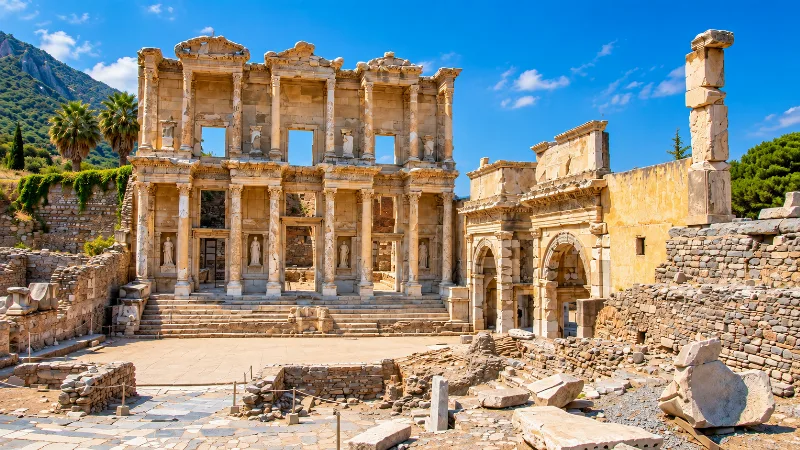
Historic Places
Ancient cities, monuments, castles and archaeological sites across Türkiye.
Explore →
Routes
Road trips, coastal drives, cultural routes and scenic journeys across Türkiye.
Explore →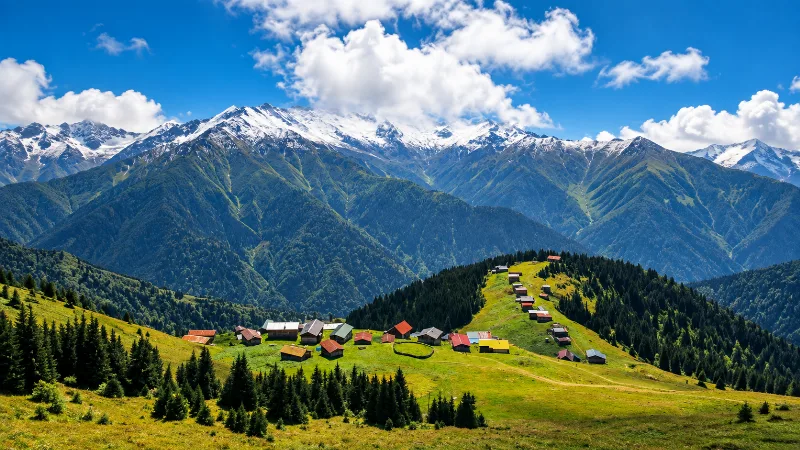
Nature
Lakes, forests, rivers, canyons, mountains, wetlands and national parks across Türkiye.
Explore →Related content
Bursa
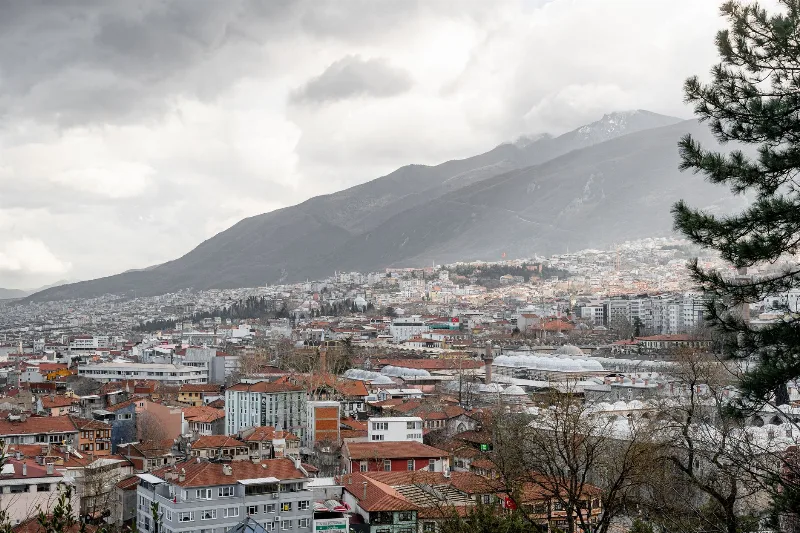
Bursa is a major metropolitan city in northwestern Türkiye and the first great capital of the Ottoman Empire, known for its silk heritage, thermal springs and the mountain of Uludağ rising directly behind it.
Bursa Chestnuts
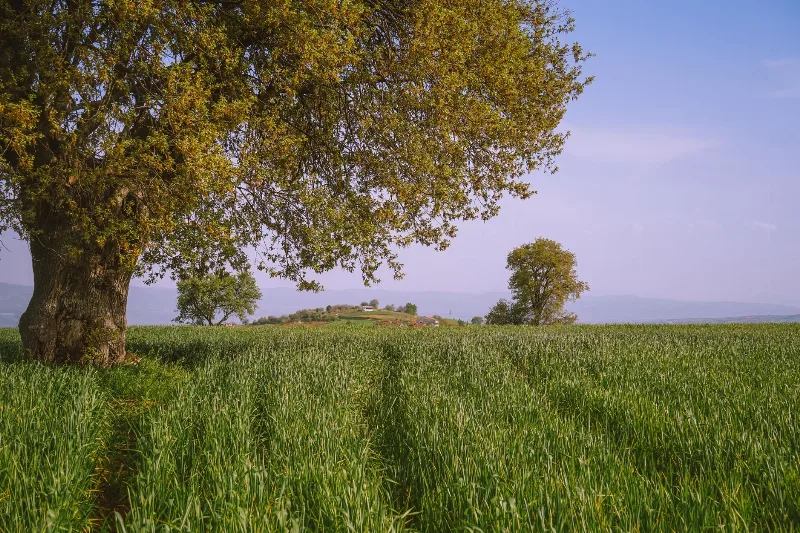
Bursa chestnuts are sweet, starchy nuts grown on the sloping terrain of Bursa province in northwestern Türkiye, where a temperate climate supports chestnut trees and an autumn harvest.
Bursa Figs
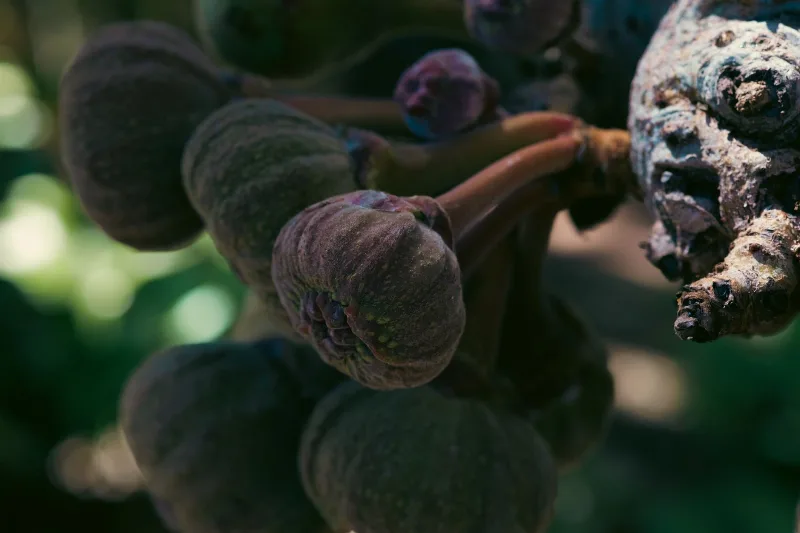
Bursa figs are the figs grown in northwestern Türkiye, where the sheltered Marmara climate and fertile soils around Bursa give the fruit its sweet flesh and soft skin, eaten fresh in late summer or dried for the winter months.
The Ottoman Village of Cumalıkızık Near Bursa
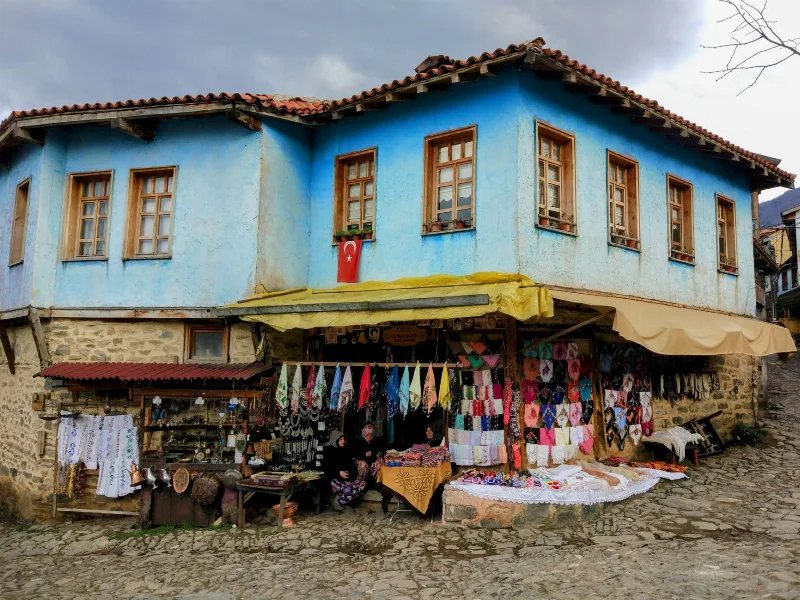
Cumalıkızık, a preserved Ottoman village on the slopes of Uludağ near Bursa, is known for its cobblestone lanes, painted historic houses and long-standing rural traditions that continue today.
Autumn in Uludağ, Bursa
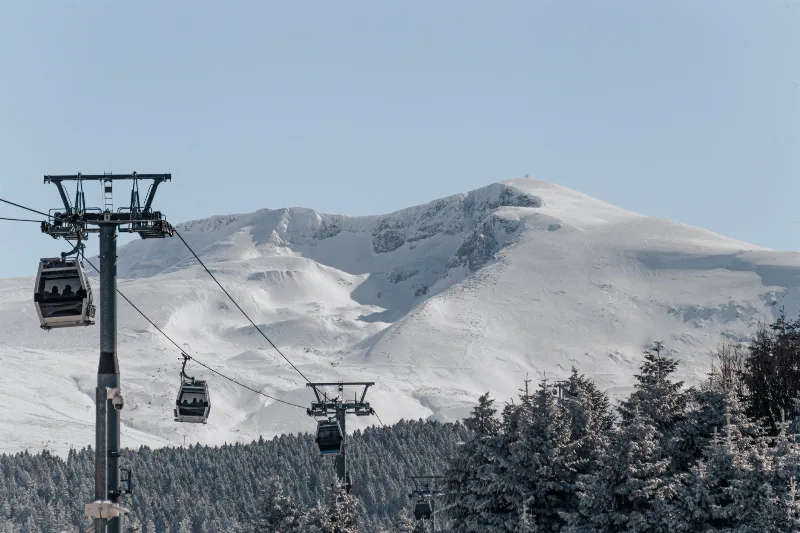
Uludağ's forests turn gold and copper between roughly late September and early November, with the colour moving down the slopes as temperatures drop. The timing depends heavily on how quickly autumn cold arrives that year.
Cumalıkızık
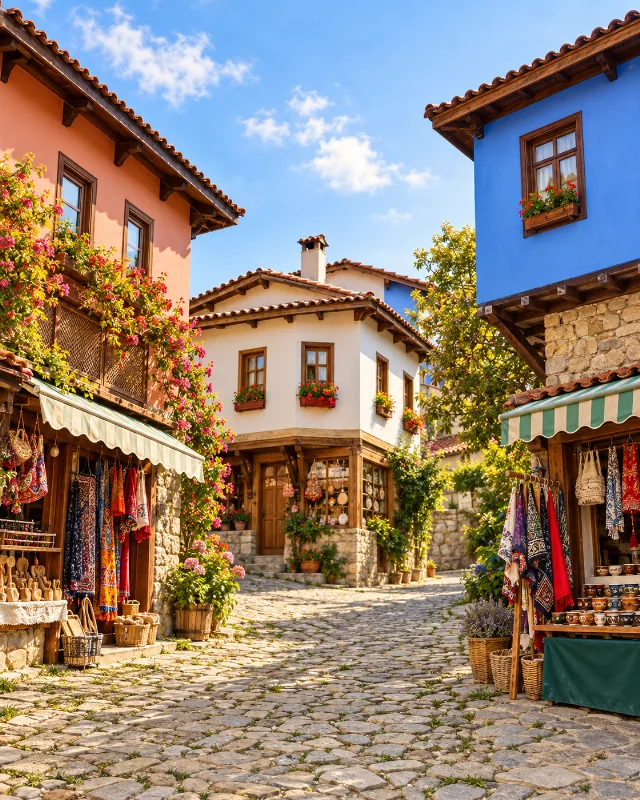
Cumalıkızık is a historic Ottoman village in Bursa, Turkey, known for its well-preserved houses and cobblestone streets. It is part of the UNESCO World Heritage Site 'Bursa and Cumalıkızık: the Birth of the Ottoman Empire'.