
Bursa Chestnuts
Bursa chestnuts are sweet, starchy nuts grown on the sloping terrain of Bursa province in northwestern Türkiye, where a temperate climate supports chestnut trees and an autumn harvest.
Bursa chestnuts are the nuts of chestnut trees cultivated in Bursa province, in northwestern Türkiye. They are closely associated with this part of the country because Bursa's temperate climate and sloping terrain create conditions that suit chestnut trees. The nuts are valued for their sweet, starchy flesh and are commonly roasted or used in desserts.
The Chestnut Tree and the Bursa Landscape
Chestnuts grow on large deciduous trees that produce catkins in late spring or early summer and nuts enclosed in spiny burrs. In Bursa, these trees are part of a rural landscape shaped by hills, slopes, and valleys rather than flat, uniform fields. The terrain matters because chestnut trees do not tolerate waterlogged ground. Sloping land allows excess water to drain away, while deeper soils hold enough moisture for the trees during the growing season.
The province sits in a transitional zone influenced by the Sea of Marmara and the higher ground inland. This gives Bursa a temperate character, with distinct seasons and enough rainfall to support tree crops. The combination of mild conditions, air movement on slopes, and well-drained ground helps chestnut trees establish and bear nuts over many years.
Growing Areas Within Bursa Province
Chestnut cultivation is distributed across Bursa's rural districts, where village households and small farms often manage trees alongside other crops. The trees can be found on hillsides and foothill plots rather than in the most intensively irrigated lowland fields. This pattern reflects the chestnut's preference for higher, better-drained ground and its long-lived, orchard-like presence in the landscape.
Bursa city is the administrative and market center for the province, but the chestnut crop itself belongs to the countryside. The nuts move from village orchards and hillside groves into local markets, where they are sold fresh in season. The crop is part of Bursa's agricultural identity and is often mentioned alongside other regional products from the province.
Climate, Soil, and the Flavor of the Nuts
The temperate climate of Bursa provides the cool winter chilling and moderate summer warmth that chestnut trees require. Chestnuts are true nuts that develop inside a spiny casing. The tree's growing cycle depends on reliable moisture, especially during flowering and nut development. Bursa's rainfall pattern and slope-drained soils help meet those needs without leaving the roots standing in saturated ground.
Soils in chestnut-growing areas are typically well drained, often with a lighter texture that allows air to reach the roots. The resulting nuts have a sweet, starchy character. When roasted, the flesh becomes soft and mealy, with a flavor that is nutty and slightly sweet rather than oily. This starchy quality also makes Bursa chestnuts suitable for desserts, where they can be pureed, candied, or incorporated into sweet fillings.
Flowering, Ripening, and Harvest
Chestnut trees flower in spring and early summer. The flowers are borne on long catkins, and after pollination the nuts begin to form inside green, spiny burrs. Through the summer, the burrs grow and the kernels inside fill out. By autumn, the burrs turn brown and split open, releasing the glossy brown nuts.
Harvest usually takes place in autumn, when the burrs fall or are ready to open. In traditional orchards, people gather the fallen nuts from the ground, sometimes collecting the burrs before they fully split. This method protects the nuts from damage and allows workers to sort them by size and quality. The harvest is seasonal and labor-intensive, which helps explain why chestnuts remain a distinctive local crop rather than a mass-produced commodity in every part of the province.
After Harvest: Storage and Traditional Uses
Fresh chestnuts have high moisture content and do not keep as long as dry nuts such as hazelnuts or walnuts. After harvest, they are often dried, stored in cool conditions, or processed quickly. Drying reduces moisture and concentrates flavor, while also making the nuts easier to keep through the winter. Some are boiled or roasted soon after harvest, and others are used in sweet preparations.
Roasting is one of the most familiar uses. The nuts are slit or pierced before cooking so they do not burst, then heated until the shells darken and the flesh softens. In Bursa and across Türkiye, roasted chestnuts are a cool-weather street food and a seasonal treat. Chestnuts also appear in desserts, where their natural sweetness and starchy texture work well in purees, fillings, and sweet confections. These uses are traditional rather than exclusive to Bursa, but the local crop supplies nuts with the flavor and texture that make them suitable for such preparations.
Chestnuts in the Local Agricultural Economy
Chestnut trees are long-lived and can remain productive for decades, so orchards represent a long-term investment for growers. In Bursa, chestnut production supports rural livelihoods through the sale of fresh nuts, as well as through seasonal work in harvesting and sorting. The trees also contribute to the landscape, providing shade and helping stabilize sloping ground. Because chestnuts are harvested in autumn, they fit into a seasonal agricultural calendar that includes other tree crops and field crops in the province.
For consumers, Bursa chestnuts are a way to connect with a specific place and season. They are not available fresh year-round, and their quality is tied to the climate and terrain of the province. This seasonality, combined with the nut's sweet, starchy character, keeps demand steady in autumn and winter. The relationship between Bursa's land and its chestnuts is therefore both ecological and cultural: the trees need the slopes and temperate weather, and the region's rural economy and food traditions have grown around the annual harvest.
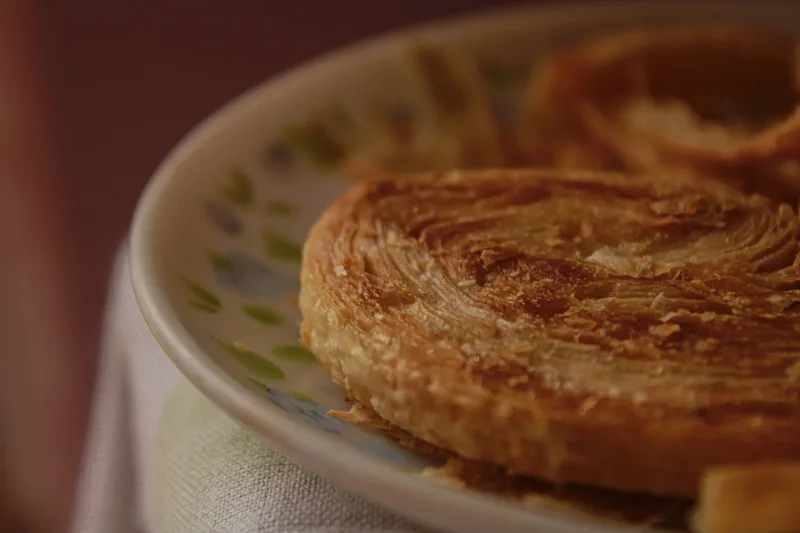
Boyoz
Boyoz is a round, flaky pastry from İzmir, made from a coiled flour-and-oil dough and traditionally eaten at breakfast with a boiled egg and tea.
Explore →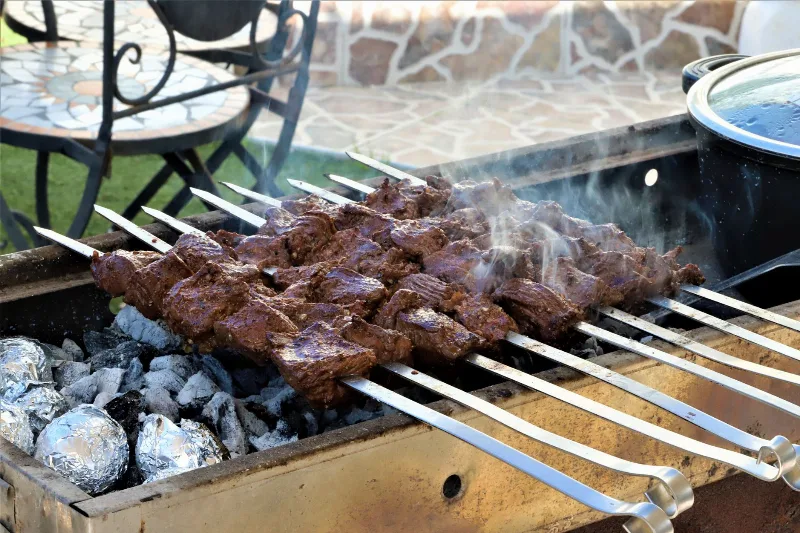
Urfa Kebabı
Urfa Kebabı is a charcoal-grilled minced lamb kebab from Şanlıurfa, seasoned without hot pepper and pressed onto long flat skewers. Its mild, juicy character places it alongside — and directly against — the spicier Adana kebabı.
Explore →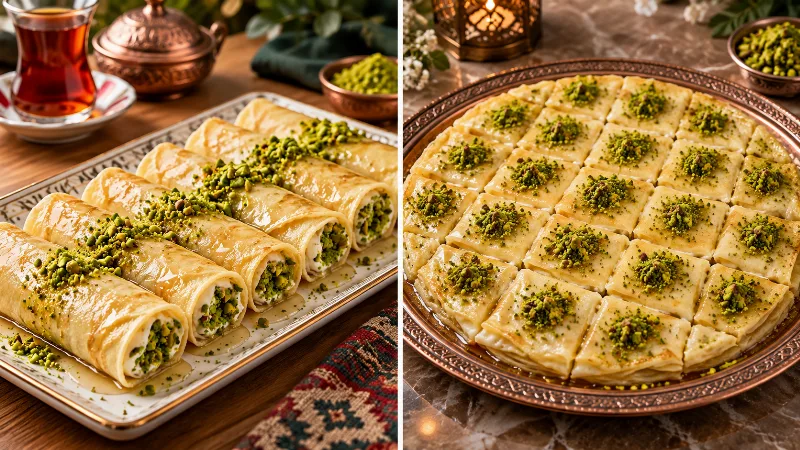
Şıllık Tatlısı
A traditional Şanlıurfa dessert made with thin pancakes, walnuts and sweet syrup.
Explore →Related content
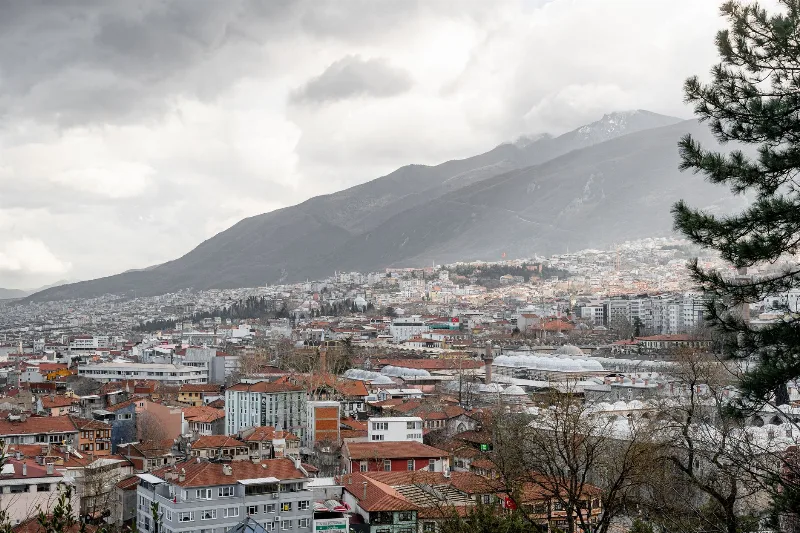
Bursa
Bursa is a major metropolitan city in northwestern Türkiye and the first great capital of the Ottoman Empire, known for its silk heritage, thermal springs and the mountain of Uludağ rising directly behind it.
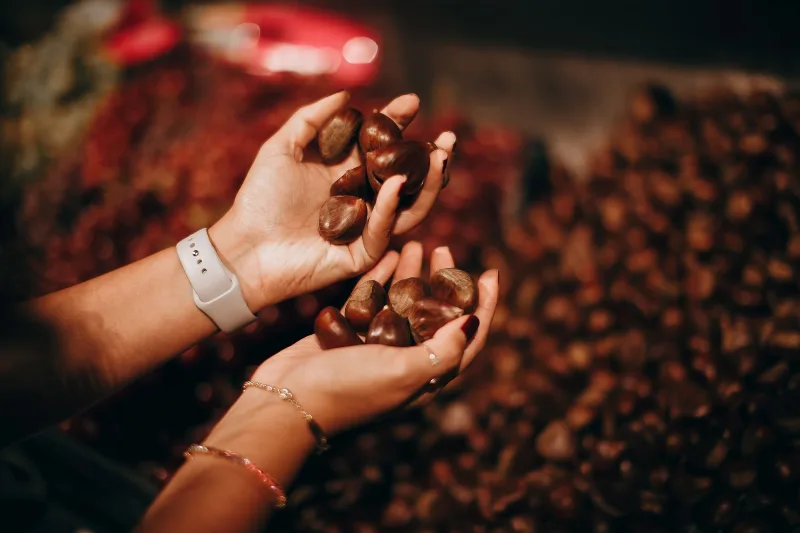
Chestnut Harvest in Bursa
Each autumn, the chestnut groves around Bursa ripen and the spiky green burrs split open, revealing the glossy brown nuts that give the region one of its best-known seasonal crops.
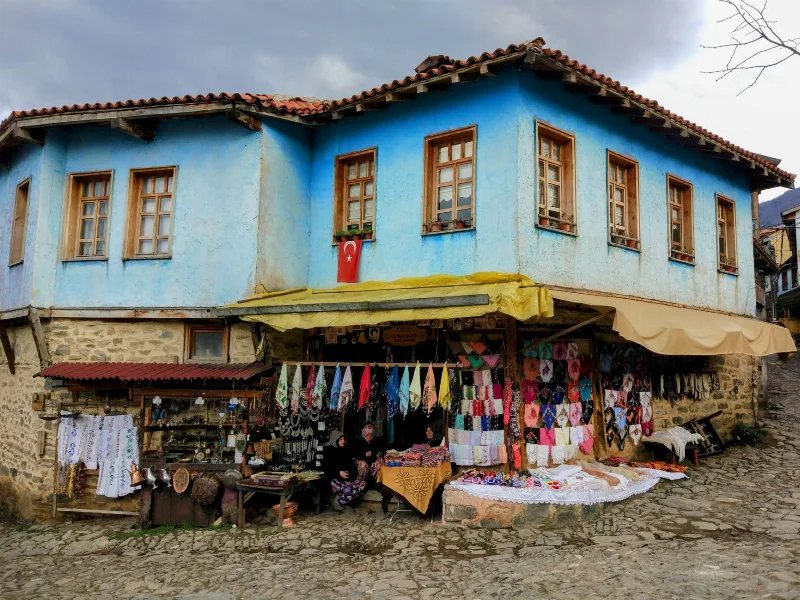
The Ottoman Village of Cumalıkızık Near Bursa
Cumalıkızık, a preserved Ottoman village on the slopes of Uludağ near Bursa, is known for its cobblestone lanes, painted historic houses and long-standing rural traditions that continue today.
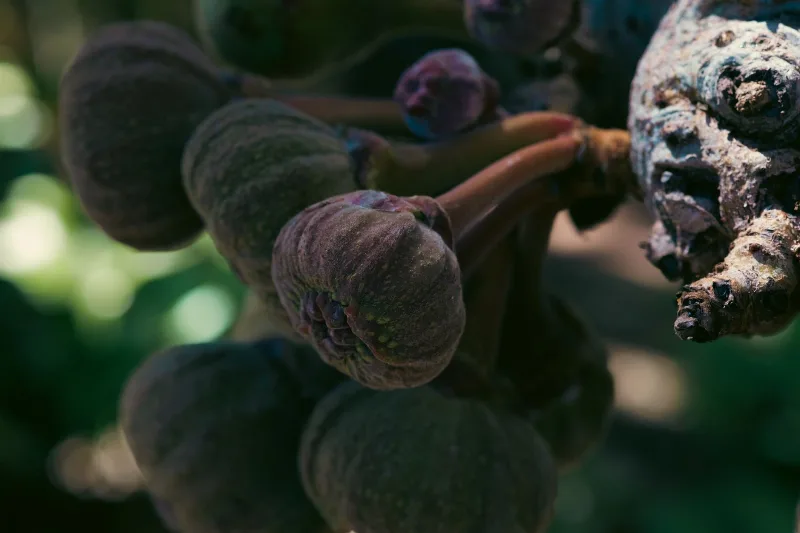
Bursa Figs
Bursa figs are the figs grown in northwestern Türkiye, where the sheltered Marmara climate and fertile soils around Bursa give the fruit its sweet flesh and soft skin, eaten fresh in late summer or dried for the winter months.
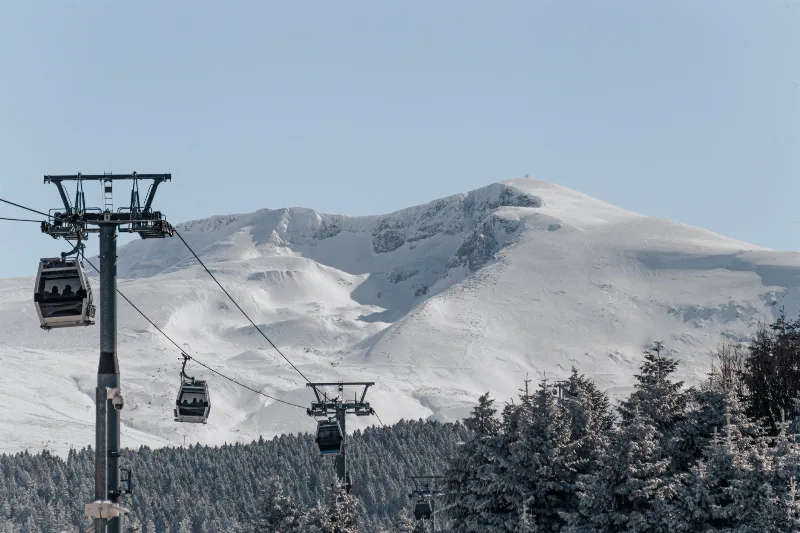
Autumn in Uludağ, Bursa
Uludağ's forests turn gold and copper between roughly late September and early November, with the colour moving down the slopes as temperatures drop. The timing depends heavily on how quickly autumn cold arrives that year.

3-Day Istanbul to Bursa Route
Explore the first Ottoman capital on a three-day route from Istanbul to Bursa, combining historic city sites, the mountain landscapes of Uludağ, and the preserved village of Cumalıkızık.