
Kızılırmak Delta
The Kızılırmak Delta is a large coastal wetland where Türkiye's longest river meets the Black Sea in Samsun Province. It is a Ramsar site known for its shallow lagoons, reed beds, dunes and dense birdlife.
The Kızılırmak Delta is a broad coastal wetland formed where the Kızılırmak River, the longest river in Türkiye, reaches the Black Sea. It lies in Samsun Province in northern Türkiye, mainly within the districts of Bafra and 19 Mayıs, on the low plain around the river mouth. It is one of the largest wetlands in the country and the largest in the Black Sea region, and it is recognised as a Ramsar site and as an important area for birds.
Where the delta lies in Samsun Province
The delta spreads across the flat land at the mouth of the Kızılırmak, to the north-west of Samsun city. Bafra sits inland on the eastern part of the plain, while 19 Mayıs district borders the wetland on its western side. Beyond the last lagoons and dune line, the land gives way to the open Black Sea.
The whole area lies close to sea level and has very little relief. That flatness is central to its character: the river, the sea and the groundwater meet here almost without a slope, so water spreads sideways rather than cutting a deep channel. This is what allows such an extensive wetland to exist.
A landscape of lagoons, marshes and dunes
The delta is not a single lake or swamp but a mosaic of shallow coastal lagoons, freshwater and brackish marshes, and seasonally flooded meadows. A chain of lagoons runs behind the shoreline, among them Liman Gölü, Balık Gölü, Çernek Gölü and Uzun Göl. Their depth, salinity and extent shift with the river's flow, rainfall and the movement of the sea.
Along the seaward edge, sandy beaches are backed by low dunes. Between the dunes and the marshes are wet meadows and shallow pools that fill and empty during the year. Together these elements create a landscape that reads as open water, reed, grass and sand, rather than forest or highland terrain.
Habitats and vegetation
Reed beds are the most widespread vegetation, growing in dense stands around the lagoons and along the slow channels. Open water carries floating and submerged plants. Away from the brackish zones, strips of riparian woodland appear, with willow, ash and alder trees lining wet ground.
Where water is saltier, salt-tolerant plants replace the reeds and grasses. This mix of fresh water, brackish water and dry sandy ground is the reason the delta holds so many different habitats in a relatively small coastal area.
Birdlife and wildlife
The delta's main natural importance is its birdlife. Its position on the Black Sea coast places it on migration routes, and its shallow, food-rich water attracts large numbers of waterbirds. Wintering waterfowl gather here in significant numbers, alongside herons, egrets, cormorants, grebes, ducks, coots and gulls.
Because the wetland offers both open water and dense reeds, it supports species that need different conditions, from birds that feed in shallow lagoons to those that nest or shelter deep in the reed beds. Fish and other aquatic life in the lagoons and channels in turn support the birds and the people who fish the delta.
Water buffalo and traditional land use
Grazing is part of the delta's ecology, not separate from it. Anatolian water buffalo are kept on the wet meadows, a long-standing practice in the area. Their grazing helps keep parts of the marsh open and prevents scrub from taking over.
Reed cutting and fishing also continue in the wetland. These activities have shaped the delta for generations and remain visible in how the land is managed alongside its conservation status.
How the seasons change the delta
Water levels and appearance vary greatly through the year. In winter and early spring the lagoons and meadows hold the most water, and this is when the largest numbers of wintering and migrating waterbirds are present. Rainfall is high along this coast, and winters are mild and wet rather than cold and snowy.
In late spring and summer the water recedes, the reeds grow tall and green, and the wetland becomes warmer and more humid. Some shallow pools dry out, changing which habitats are available to wildlife. Autumn brings movement again as birds pass through on migration, before the cycle of rising water begins once more.
Reaching and exploring the area
The delta is reached by road from Samsun city and from Bafra, both connected to the wider national road network; Samsun also has an airport and long-distance bus links. Public roads run across parts of the plain, so much of the wetland is seen by driving through it and stopping at points where open water or reed beds come close to the road.
The terrain is flat and low, with no climbs or steep ground, so access is on foot or by vehicle across level land rather than along mountainous routes. Distances are short, but the landscape is spread out, and the open sky and wide water views dominate.
Practical conditions before visiting
Because this is an active wetland, ground can be soft and muddy, and water levels decide which areas are reachable at any given time. Warm months bring mosquitoes and other insects in the reeds and wet meadows. Weather on the Black Sea coast changes quickly, with frequent rain and wind, so conditions can shift within a day.
As a protected ecosystem, the delta is managed for wildlife as well as visitors. Keeping a respectful distance from birds, especially in nesting and wintering periods, matters, and some zones may be off-limits at certain times. It is worth checking local conditions in Samsun or Bafra before setting out.
Protected status and related natural places
The delta is a Ramsar wetland of international importance and a designated bird area, which reflects its value as habitat rather than as a recreational site. Conservation here is aimed at keeping the water regime, the reed beds and the bird populations intact.
The delta sits within a wider set of Black Sea coastal wetlands. The Yeşilırmak Delta, formed by another major river near Samsun, shares a similar Ramsar status and character, and the Black Sea shoreline, the Bafra plain and the Kızılırmak itself upstream are all part of the same natural system. Seen together, they show how Türkiye's large rivers build and sustain coastal wetlands where they meet the sea.
Beaches & bays
See the coast →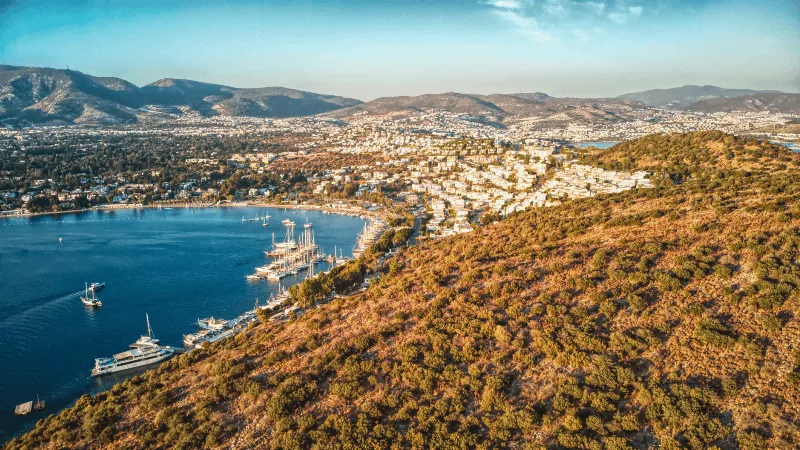
Related content
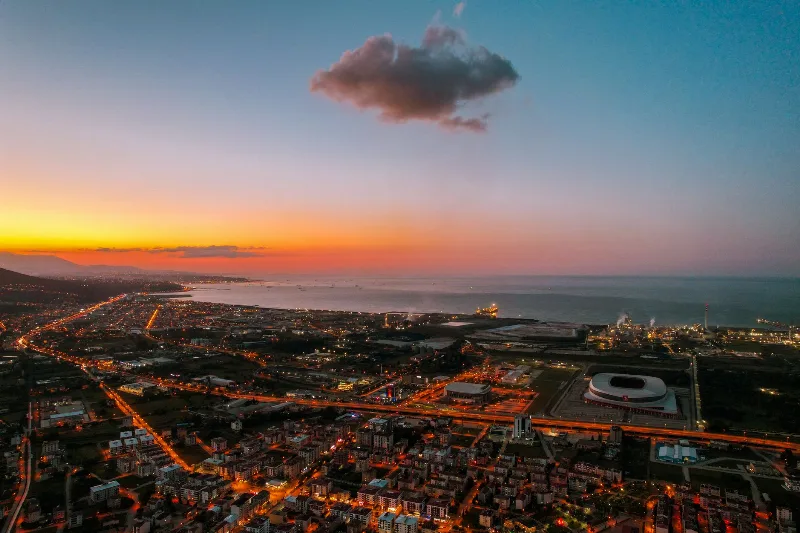
Samsun
Samsun is a large Black Sea port city in northern Türkiye and the historic starting point of the Turkish War of Independence in 1919. It is a major metropolitan centre set between wide river deltas, coastal plains and the mountains of the Black Sea hinterland.
Bafra Plain Tobacco and Rice Fields in Samsun
The Bafra Plain in Samsun is a fertile delta built by the Kızılırmak, known for its thin-leaved tobacco, flooded rice paddies and bird-rich coastal wetlands.
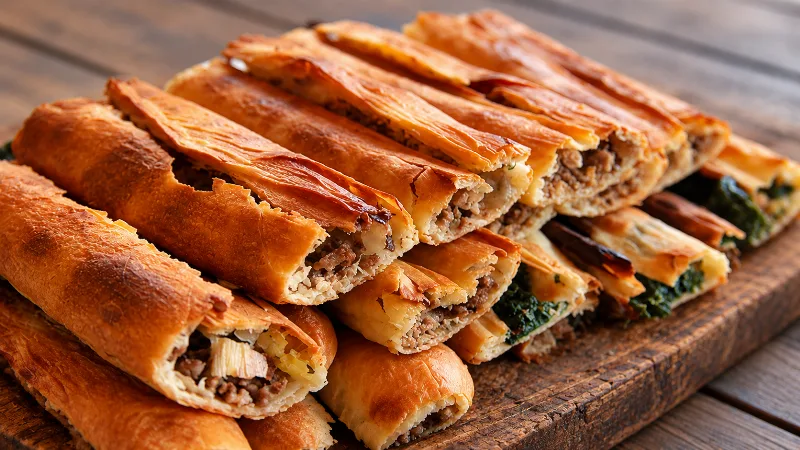
Bafra Pidesi
Bafra Pidesi is a soft, boat-shaped Turkish pide from the Bafra district of Samsun on the Black Sea coast, filled with ground meat, cheese or vegetables and baked quickly in a very hot oven.
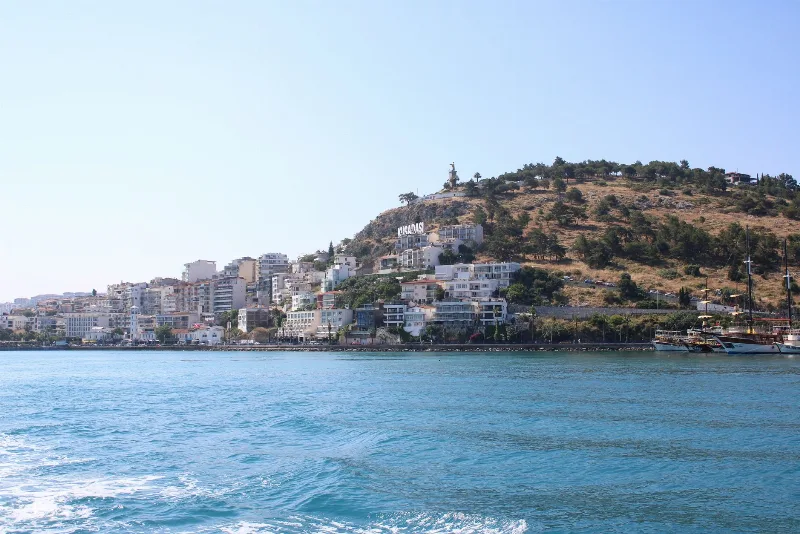
Kuşadası
Kuşadası is a lively Aegean resort town and cruise port in Aydın Province, best known for its proximity to the ruins of Ephesus and for a coastline of sandy bays backed by pine-covered hills.
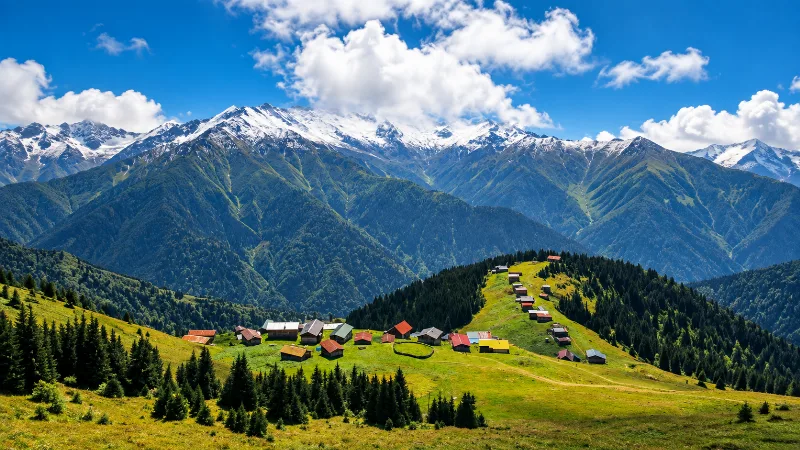
Nature
Lakes, forests, rivers, canyons, mountains, wetlands and national parks across Türkiye.
6-Day Central Black Sea Route
A six-day journey along Turkey's Central Black Sea coast from Samsun to Trabzon, visiting Ordu and Giresun with highland and beach stops.