
Yedigöller National Park
Yedigöller National Park in Bolu, Turkey, is a protected area centered on seven small lakes formed by landslides. The park is known for its dense forests, seasonal color changes, and tranquil walking paths.
Yedigöller National Park is a protected natural area located in Bolu Province, in the Western Black Sea region of Turkey. The park is named for its seven small lakes, which lie within a densely forested valley. The lakes are set at different elevations and vary in size, creating a distinctive landscape of still water surrounded by woodland. The park is a national park and is known for its tranquil atmosphere and seasonal color changes.
Geographical Setting and Formation
Yedigöller National Park lies approximately 42 kilometers northwest of Bolu city center, though the winding mountain road makes the journey longer than the distance suggests. The park occupies a valley in the mountainous hinterland of Bolu Province. The seven lakes are believed to have formed when landslides blocked the drainage of the valley, creating natural dams that filled with water. This origin distinguishes Yedigöller from glacial lake districts found at higher altitudes in Turkey. The lakes are not deep; some are shallow and support marsh vegetation at their edges. The surrounding terrain is hilly, with slopes covered by dense forest.
The Seven Lakes
The seven lakes are the defining feature of the park. They are scattered across the valley floor and lower slopes, each with its own character. The largest, Büyük Göl (Big Lake), is the most prominent and is often the first to be seen by visitors. Other lakes, such as Deringöl (Deep Lake) and Küçük Göl (Small Lake), are smaller and more intimate. Some of the lakes are connected by small streams, while others are isolated. The water is generally calm, reflecting the surrounding trees. Visitors can walk along the shores and observe the reflections and the quiet atmosphere.
Forest and Vegetation
The park is covered by dense forest, which is one of its most striking features. The woodland is a mix of deciduous and coniferous trees. Beech, oak, and hornbeam are common, along with pine and fir at higher elevations. In spring, the forest floor is dotted with wildflowers, and the trees leaf out in fresh green. By summer, the canopy is thick and provides shade. The most famous time to visit is autumn, when the leaves of the deciduous trees turn yellow, orange, and red, creating a colorful display that contrasts with the dark green of the conifers. The forest is also home to a variety of mosses and ferns, especially in damp areas near the lakes.
Wildlife and Habitat
The forests and wetlands of Yedigöller provide habitat for a range of wildlife. Mammals such as deer and wild boar are known to inhabit the area, though they are shy and rarely seen. The park is also important for birds, with species such as woodpeckers, tits, and birds of prey. The lakes attract waterfowl, especially during migration. The protected status of the park helps maintain these habitats. However, visitors should not expect to see large animals, as the dense vegetation provides excellent cover. The best chance to observe wildlife is early in the morning or at dusk, when human activity is low.
Seasonal Changes and Weather
Yedigöller experiences a climate typical of the Black Sea region, with high rainfall throughout the year and cool temperatures. Spring brings mild weather and blooming vegetation, but also frequent rain. Summer is green and relatively warm, though the forest provides shade. Autumn is the most popular season, as the foliage turns vibrant colors, and the weather is often clear and crisp. Winter brings snow, which can cover the landscape and sometimes block access roads. The park is open year-round, but visitors should check road conditions in winter, as the mountain road may be icy or closed. Rainfall can make paths muddy, so waterproof footwear is recommended.
Access and Practical Considerations
The park is reached by a winding road that leaves from Bolu and passes through forested hills. The journey from Bolu takes about one hour, depending on conditions. From larger cities like Istanbul, the drive takes several hours, typically via the TEM motorway and then the Bolu exit. Public transportation to the park is limited; most visitors arrive by private car. There is no direct bus service to the park entrance. Once inside, visitors can explore on foot along the paths that connect the lakes. The terrain is uneven in places, with roots and rocks, so sturdy shoes are advisable. There are no shops or restaurants inside the park, so visitors should bring their own food and water. Mobile phone reception can be weak in the valley.
Conservation Status
Yedigöller was established as a national park in 1965, making it one of Turkey's older protected areas. The national park status ensures the protection of the lakes, forests, and wildlife. The area is managed by the General Directorate of Nature Conservation and National Parks. Visitors are expected to follow park rules, such as staying on paths and not disturbing wildlife. The park's proximity to Bolu and its accessibility make it a popular destination, but its protected status helps balance recreation with conservation.
Beaches & bays
See the coast →
Related content

Istanbul
Istanbul is Türkiye's largest city and the country's only metropolis that spans two continents, divided by the Bosphorus strait into a European and an Asian half. Its long run as an imperial capital left a historic core of palaces, mosques and bazaars that still shapes the city's identity.
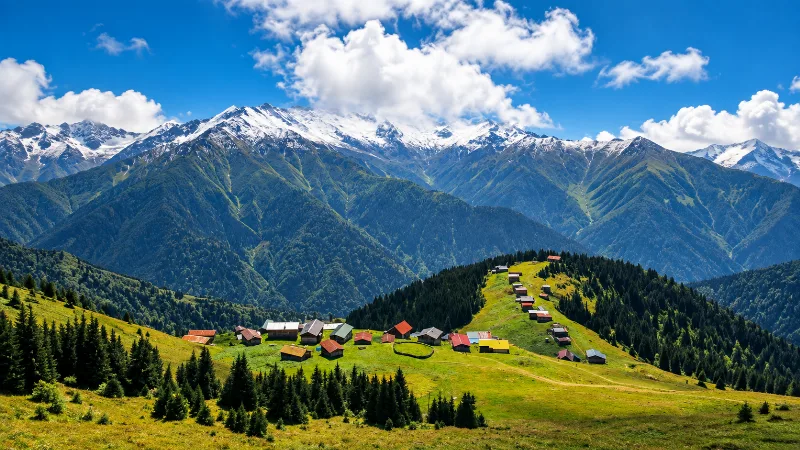
Nature
Lakes, forests, rivers, canyons, mountains, wetlands and national parks across Türkiye.
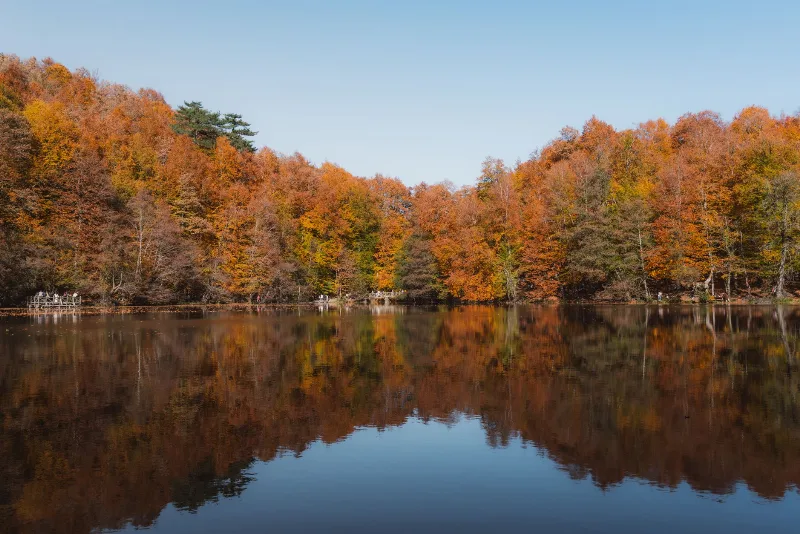
Yedigöller National Park and the Seven Lakes of Bolu
Yedigöller National Park in Bolu Province gathers seven small lakes inside dense woodland, offering quiet walking country, rich plant life and a striking autumn palette in the Western Black Sea region of Türkiye.
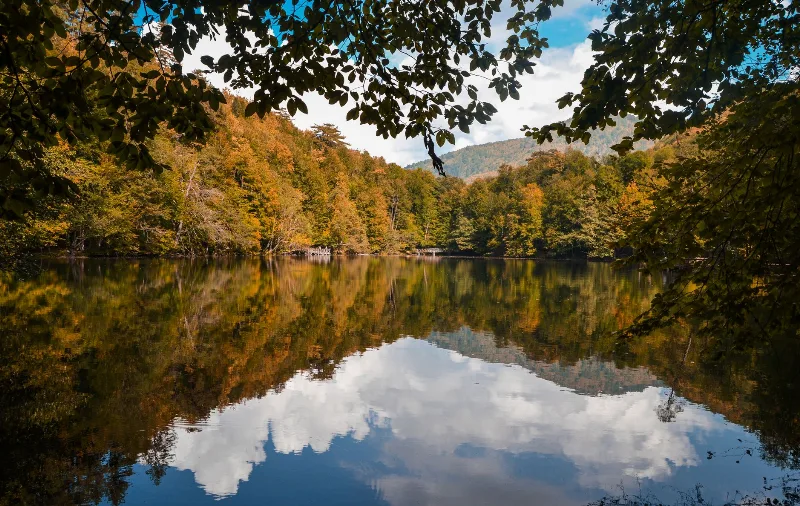
Autumn in Yedigöller, Bolu
Each year, the forests around Yedigöller's seven lakes turn brilliant shades of red, yellow, and orange, with the peak display usually occurring between mid-October and mid-November. This seasonal transformation is one of Turkey's most reliable autumn spectacles.
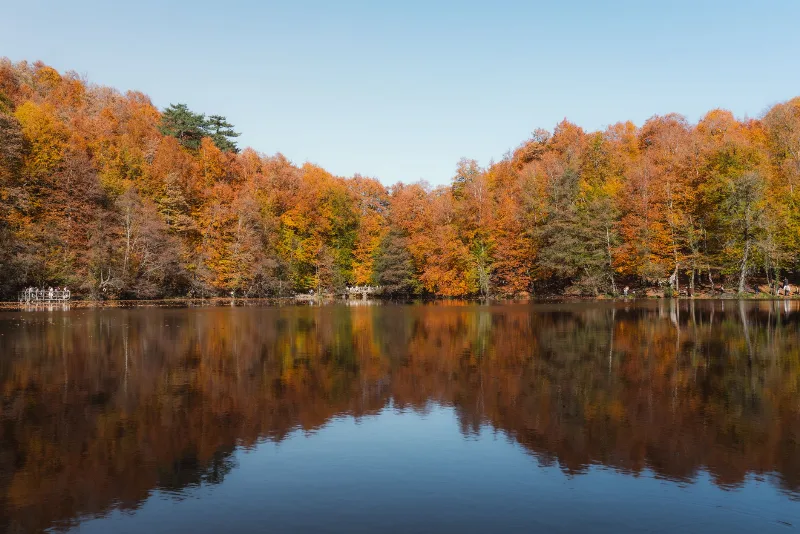
Nature Reserves of the Black Sea Region
Türkiye's Black Sea coast hides a chain of protected landscapes, from glacial lakes in the Kaçkar Mountains to canyons and old-growth forests in Kastamonu and Bartın.
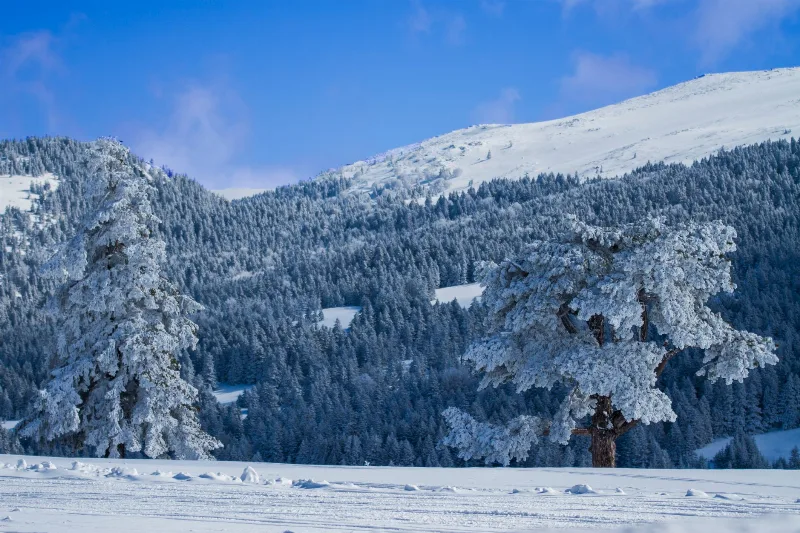
Skiing in Uludağ
Discover skiing in Uludağ, a top winter sports destination in Türkiye, offering stunning landscapes and excellent slopes.