
Saklıkent
Saklıkent Canyon is a dramatic gorge in Muğla Province, southwestern Turkey, known for its narrow passages and icy water. Visitors can wade through the stream and explore the surrounding national park, with the ancient city of Tlos nearby.
Saklıkent Canyon is a deep and narrow gorge located in Muğla Province, in southwestern Turkey, near the town of Fethiye. It is renowned for its sheer rock walls, through which an icy stream flows, making it a popular destination for hiking and river wading. The canyon is part of Saklıkent National Park and lies close to the ancient Lycian city of Tlos.
Location and Geography
Saklıkent Canyon is situated in the western Taurus Mountains, approximately 45 kilometers from Fethiye and about 10 kilometers from the ancient city of Tlos. The canyon is carved into the limestone landscape typical of the region, creating a dramatic fissure that cuts through the terrain. The nearest village is Kayadibi, which serves as a gateway to the canyon. The area is easily accessible by road from Fethiye, with minibuses and tours regularly bringing visitors to the site.
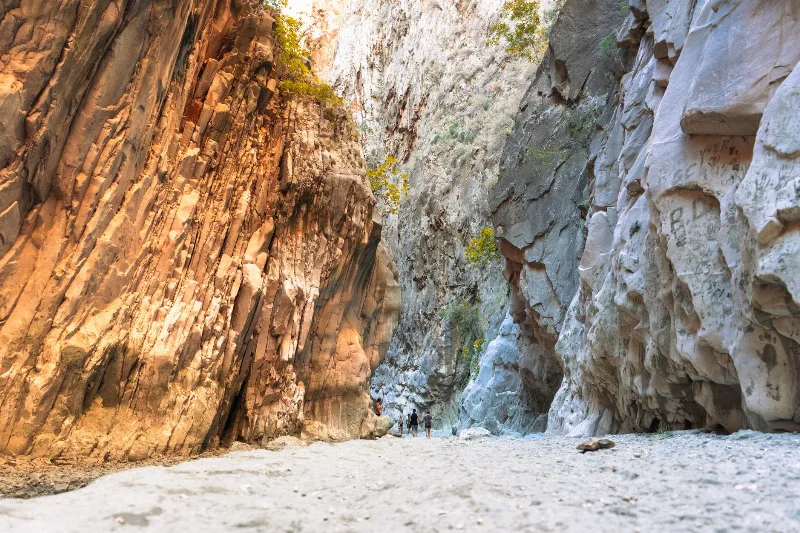
The canyon itself stretches for several kilometers, but only a section of about 2 kilometers is accessible to the public for wading. The walls of the gorge rise steeply on both sides, reaching heights of up to 300 meters in some places. The narrowest sections are only a few meters wide, creating a sense of enclosure and adventure for those who venture inside.
Geology and Natural Features
The formation of Saklıkent Canyon is a result of millions of years of water erosion. The stream that flows through the canyon originates from underground springs, which explains its consistently cold temperature, typically around 8 to 10 degrees Celsius even in the height of summer. The water is crystal clear and carries a strong current, particularly after snowmelt in the spring.
The canyon is composed mainly of limestone, which has been sculpted into smooth, rounded shapes by the flowing water. The rock walls exhibit various shades of grey and white, with occasional patches of vegetation clinging to the crevices. The constant flow of water has created a unique microclimate within the gorge, supporting mosses and ferns that thrive in the damp, shaded environment.
Historical and Archaeological Context
While Saklıkent Canyon itself is a natural formation without historical structures, the surrounding region is steeped in history. The ancient city of Tlos, one of the most important settlements of Lycia, is located just a short drive away. Tlos features rock-cut tombs, a Roman theater, and ruins of baths and basilicas, reflecting its long history from the Lycian period through the Byzantine era.
The canyon is also near the route of the Lycian Way, a long-distance hiking trail that follows the coast and mountains of ancient Lycia. Hikers on this trail often make a detour to Saklıkent, combining natural exploration with cultural heritage. The area's strategic position between the coast and the interior has made it a crossroads for various civilizations over millennia.
What to See and Do
Visitors to Saklıkent Canyon can wade through the icy water along the accessible section of the gorge. The experience involves walking on a combination of wooden walkways and directly in the stream, with the water often reaching knee or waist level depending on the season. The cold water is refreshing in summer but can be numbing after prolonged exposure, so it is advisable to keep moving.
The narrow passages and high walls create a dramatic atmosphere, and the sound of rushing water echoes throughout the canyon. There are no artificial lights inside, so natural daylight filters down from above, creating a unique play of light and shadow. At the entrance to the canyon, there are basic facilities including changing rooms and picnic areas, but no commercial tours are necessary as the walk is self-guided.
For those who prefer not to wade, there are viewpoints and short trails around the canyon that offer impressive views of the gorge and the surrounding landscape. The national park also encompasses diverse flora and fauna, making it a worthwhile stop for nature enthusiasts.
Practical Information for Visitors
Before visiting Saklıkent Canyon, it is essential to wear sturdy, non-slip shoes that can get wet. Sandals or flip-flops are not suitable due to the rocky and uneven riverbed. Quick-drying clothing is recommended, and bringing a waterproof bag for valuables is wise. The water is very cold, so those sensitive to cold should be prepared.
The canyon can be visited independently, but it is advisable to check local conditions as water levels can rise suddenly after heavy rain. The walk requires a moderate level of fitness, as the current can be strong in places. Children should be supervised closely, and the canyon may not be suitable for very young children or those with mobility issues.
There is an entrance fee for Saklıkent National Park, and the site is open year-round, though hours may vary seasonally. It is best to arrive early in the day, especially in summer, to avoid crowds and to allow ample time for the walk.
Best Time to Visit
The ideal time to visit Saklıkent Canyon is during the summer months from June to September, when the weather is warm and the water level is lower, making wading easier. However, this is also the busiest period, so expect crowds. Spring (April to May) and autumn (October to November) offer milder temperatures and fewer visitors, but the water may be higher and colder due to snowmelt or rainfall.
Winter visits are possible but can be chilly, and the water may be too high or fast for safe wading. It is always wise to check the weather forecast and local advice before setting out.
Nearby Attractions
In addition to the ancient city of Tlos, visitors can explore other nearby sites. The town of Fethiye, about 45 kilometers away, offers a range of amenities and is a hub for exploring the region. The famous Ölüdeniz Beach and its Blue Lagoon are also within driving distance, as are the Lycian rock tombs of Fethiye. The Lycian Way passes through the area, providing opportunities for longer hikes.
Other natural attractions include the Butterfly Valley and the Saklıkent area's own rugged terrain. The combination of natural beauty and historical richness makes this part of Muğla Province a rewarding destination for travelers interested in both nature and culture.
Related content
Saklıkent Canyon
Saklıkent Canyon is a deep limestone gorge in Muğla Province, southwestern Türkiye, cut by the Karaçay stream and known for its towering walls and persistently icy water. It has been protected as a national park since 1996.
Muğla
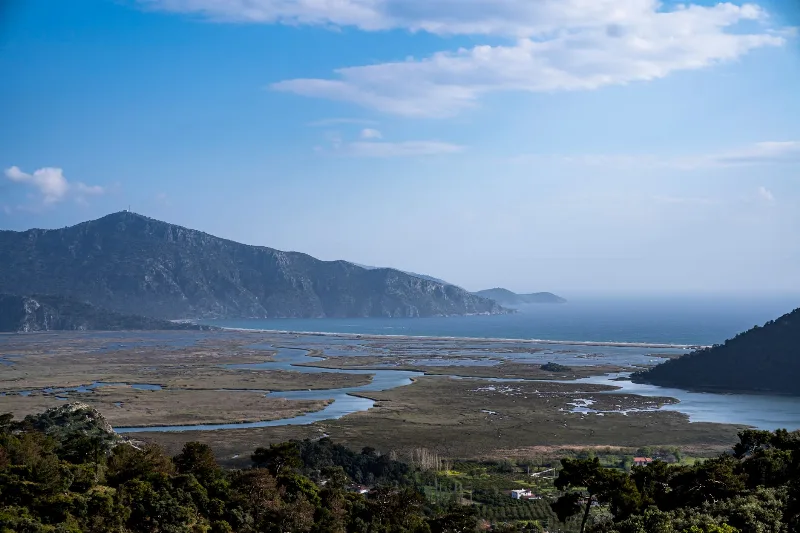
Muğla is a captivating province in southwestern Türkiye, renowned for its stunning Aegean coastline and rich cultural heritage.
Fethiye
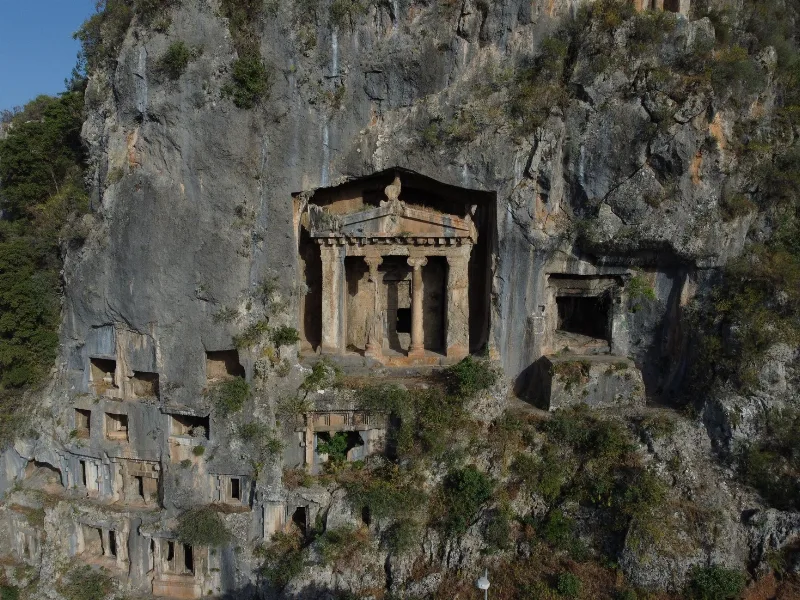
Fethiye is a captivating coastal town known for its stunning blue lagoon, thrilling paragliding experiences, and ancient rock tombs.
Mount Babadağ
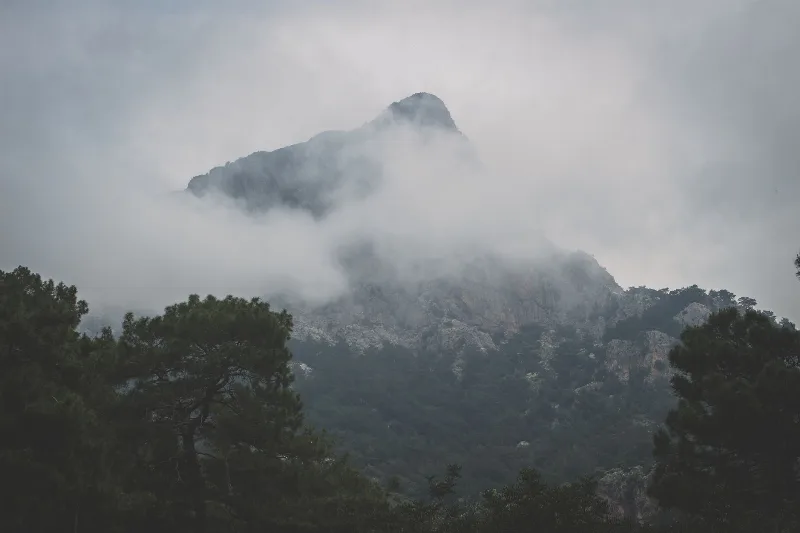
Mount Babadağ is a limestone mountain in Muğla Province, south-western Türkiye, rising steeply above the Ölüdeniz lagoon to a summit of roughly 1,960 metres. Its exposed rock faces and rapid drop to the sea have made it one of the best-known coastal mountains in the country.
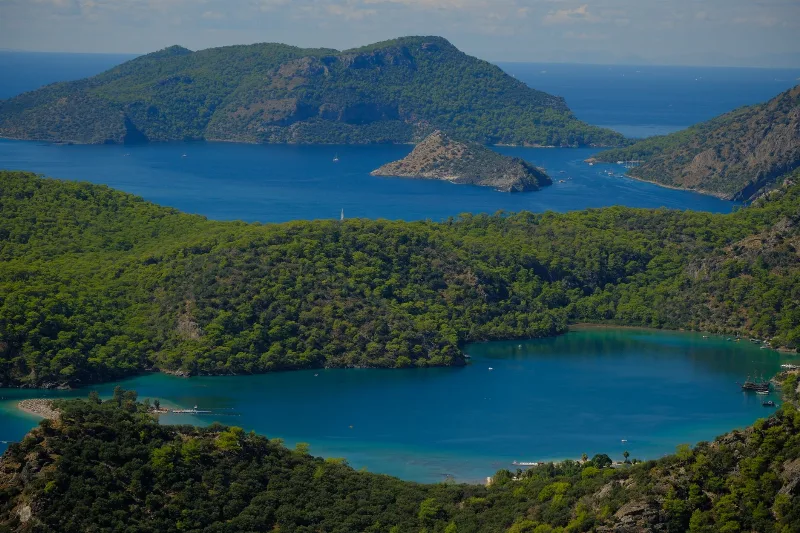
3-Day Fethiye and Ölüdeniz Route
A three-day loop based in Fethiye that combines the Lycian rock tombs and old harbour quarter with the Blue Lagoon at Ölüdeniz, the abandoned village of Kayaköy and the inland gorge at Saklıkent.
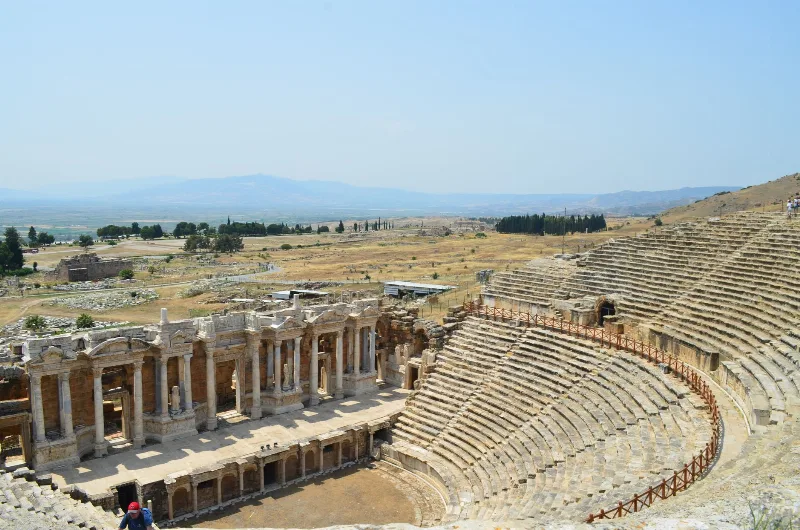
Letoon
Letoon is a Lycian sanctuary near Xanthos in Muğla Province, dedicated to Leto, Artemis and Apollo. Its three temples, theatre and trilingual inscription make it one of southwestern Turkey’s most significant archaeological sites.