
3-Day Fethiye and Ölüdeniz Route
A three-day loop based in Fethiye that combines the Lycian rock tombs and old harbour quarter with the Blue Lagoon at Ölüdeniz, the abandoned village of Kayaköy and the inland gorge at Saklıkent.
This three-day route is a compact loop on Türkiye's western Lycian coast, based in Fethiye and ending back in Fethiye after a final inland push. Day 1 stays inside the harbour town and its Lycian tombs, Day 2 moves south over the ridge to Kayaköy and Ölüdeniz, and Day 3 turns east into the mountains toward Tlos and the Saklıkent Gorge. It is a coastline-and-canyon journey rather than a long-distance drive: most transfers are short hops between neighbouring districts, so the trip works well for travellers who want one base, a mix of beaches, ruins and village scenery, and only limited time behind the wheel each day. A car makes the inland day easier, but the coastal portion can also be handled with local transport between Fethiye, Ovacık and Ölüdeniz.
Day 1: Fethiye — Harbour, Rock Tombs and the Old Quarter
The route starts in Fethiye itself, which sits on a sheltered bay where the Gulf of Fethiye opens toward the Mediterranean. Begin at the harbour and the broad promenade that frames it, then work upward into the hillside behind the town.
The most recognisable landmark is the cluster of Lycian rock-cut tombs carved into the cliff above the centre, the largest of which is usually called the Tomb of Amyntas. They belong to the ancient city of Telmessos, and the climb to the terrace gives a clear view over the rooftops and the bay, which makes them a sensible first stop for understanding how the town is laid out.
Below the tombs, the Paspatur old quarter keeps the scale of an older market district, with narrow lanes, small workshops and a produce market that is busiest on its main market day. Finds from the surrounding ancient site are displayed in the town museum, which is worth a short visit before the afternoon heat builds. Later in the day, the long shingle-and-sand curve of Çalış Beach, north-west of the centre, is the natural place to finish: it faces west, so it catches the evening light and the sunset over the islands at the mouth of the gulf.
Fethiye is classified under Cities & Districts, while the tombs and the Telmessos remains sit naturally in Historic Places. Regional Produce is also part of the local character here — citrus, olives and the dark pine honey of the wider Muğla region all appear in the town's markets.
Day 2: Ölüdeniz and Kayaköy — Lagoon, Coast and Abandoned Village
The second day heads south from Fethiye, climbing over the ridge that separates the town from the Ölüdeniz basin. The road passes through Ovacık and Hisarönü, and the sensible first detour is the village of Kayaköy, set on the slope just inland of the coastal road.
Kayaköy is the abandoned settlement sometimes described as a ghost village: hundreds of stone houses and two churches stand roofless among pine and olive trees, left after the population exchange of the 1920s. Walking its lanes takes an hour or two and gives the day a historical counterweight to the beach stops that follow. It belongs in Villages & Small Towns and in Remarkable Places.
From Kayaköy, continue down to Ölüdeniz. The main beach, Belcekız, is a curved pebble bay where the lagoon's outlet meets the open sea, and behind it the enclosed Ölüdeniz Blue Lagoon sits inside a protected nature park. The lagoon is the calm, shallow, intensely coloured water that gives the place its name, and it is the single strongest reason to build a day around this stretch of coast. Above the bay, the bulk of Babadağ rises steeply; its upper slopes are the launch point for the paragliding that the area is known for, and the views back over the lagoon are part of the reason the setting is so often photographed.
Ölüdeniz falls under Beaches & Bays and Nature. If time allows, the coast south of the bay continues toward Faralya and the Butterfly Valley, a steep-sided inlet reached by boat from Ölüdeniz rather than by road. Because boat services and conditions change seasonally, check locally before planning the day around it. In the evening, return to Fethiye or stay in the Ölüdeniz area — either works, since Day 3 begins by retracing the road north-east.
Day 3: Inland to Tlos and the Saklıkent Gorge
The final day leaves the coast behind and turns east, following the valley of the Eşen River into the foothills of the western Taurus mountains. From Fethiye the road runs inland past Kemer and Seydikemer, and the first stop is the ancient city of Tlos, on a hill above the village of Yakaköy.
Tlos is a Lycian site rather than a Greek coastal city, and that is what makes it fit here: rock tombs, a hillside acropolis, a stadium and later Roman and Ottoman layers sit together on one ridge, with the valley spread out below. It is listed under Historic Places and is a natural bridge between the Lycian tombs seen in Fethiye on Day 1 and the mountain scenery that follows.
From Tlos, continue a short distance further east to the Saklıkent Gorge, a deep, narrow canyon cut into the limestone. A wooden walkway carries visitors along the gorge where the meltwater runs fast and cold even in high summer; beyond the walkway the stream bed itself can be followed on foot. The gorge is part of a national park and belongs to Nature, and it is the logical endpoint of the route because it is the furthest inland point before the road turns back toward the coast.
From Saklıkent, return west to Fethiye, where the three-day loop closes. Travellers continuing along the Lycian coast can carry on south toward Kaş and the Kekova area, but that is a separate journey.
When to Go and How the Route Fits Together
Spring and autumn are the most comfortable seasons for this loop. Midsummer on the Fethiye–Ölüdeniz coast is hot and busy, and the inland day at Tlos and Saklıkent involves more walking in direct sun, so an early start matters. The gorge's icy water is at its most refreshing in the hottest months, while heavy rain can affect access inside the canyon, so conditions are worth checking before setting out.
The route is essentially a loop with a fixed base in Fethiye rather than a one-way traverse. A car gives the most flexibility, especially on the inland day, where public transport to Tlos and Saklıkent is limited. The coastal day is the easiest to do without a vehicle, using local services between Fethiye, Ovacık and Ölüdeniz. Expect short drives, some uphill walking to the rock tombs and the acropolis at Tlos, and one longer walking stretch along the gorge floor.
The sequence also mirrors the region's geography: a working harbour town, then a lagoon and an abandoned village on the coast, then the mountains behind them. Reading it through the TürkiyeKart categories — Cities & Districts, Beaches & Bays, Villages & Small Towns, Historic Places and Nature — makes it clear why these five stops sit together in three days rather than being scattered across the map.
Remarkable Places
See all places →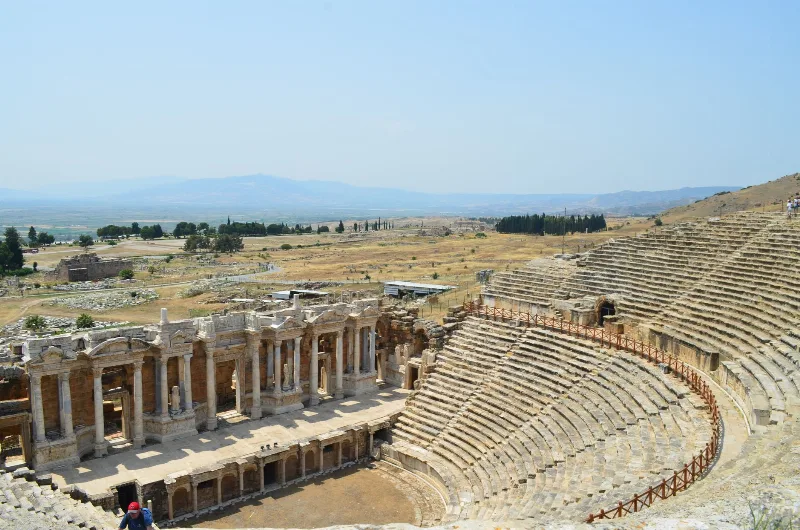
Letoon
Letoon is a Lycian sanctuary near Xanthos in Muğla Province, dedicated to Leto, Artemis and Apollo. Its three temples, theatre and trilingual inscription make it one of southwestern Turkey’s most significant archaeological sites.
Explore →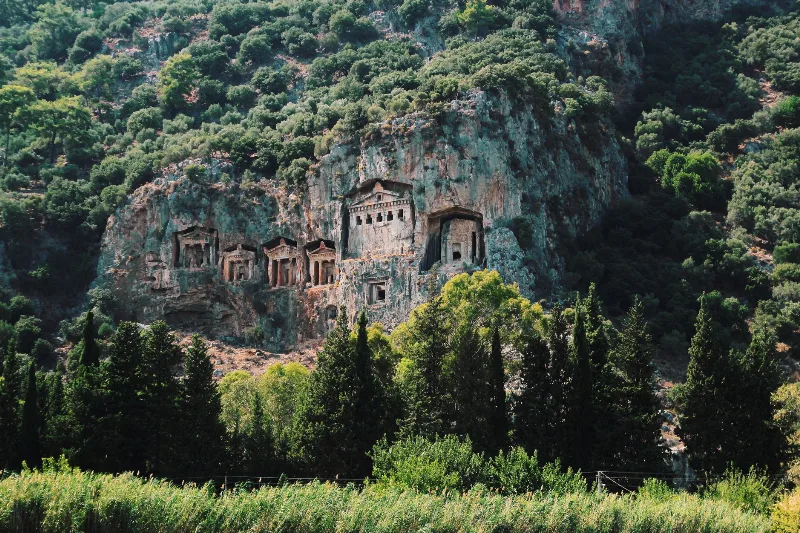
Kaunos
Kaunos is an ancient Carian city on the Dalyan River in Muğla Province, known for its temple-style rock-cut tombs and the extensive ruins of a harbour that silted up centuries ago.
Explore →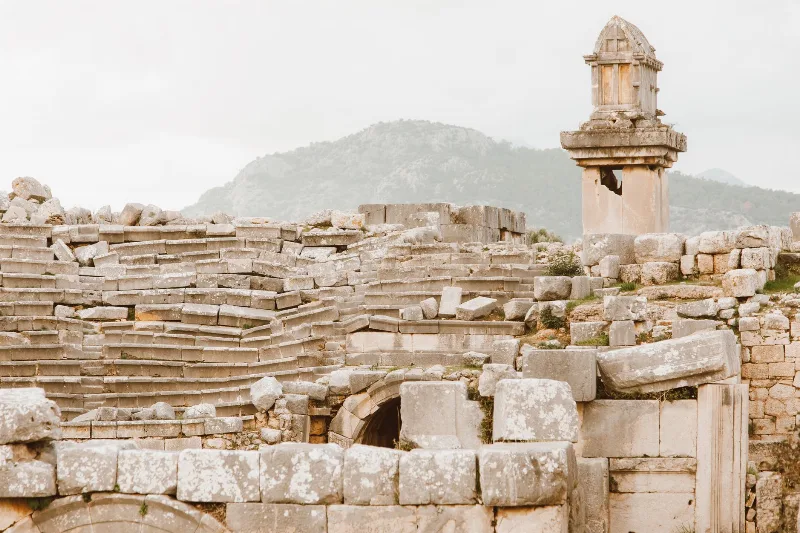
Xanthos
Xanthos is an ancient Lycian city in Antalya Province and a UNESCO World Heritage Site, known for its Lycian tombs, Roman theatre and role as a leading city of Lycia.
Explore →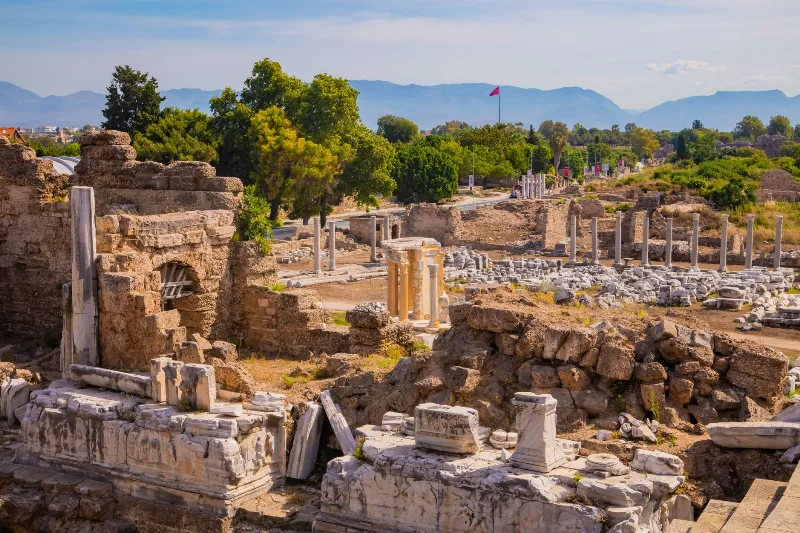
Phaselis
Phaselis is a Rhodian-founded port city on the eastern Lycian coast, where paved streets, agoras, baths and a small theatre stand among pines between three sheltered bays.
Explore →Related content
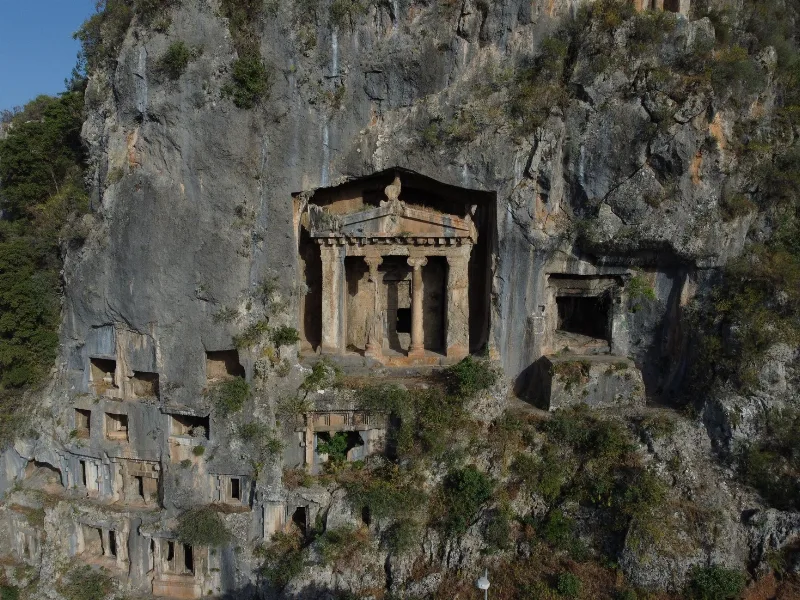
Fethiye
Fethiye is a captivating coastal town known for its stunning blue lagoon, thrilling paragliding experiences, and ancient rock tombs.
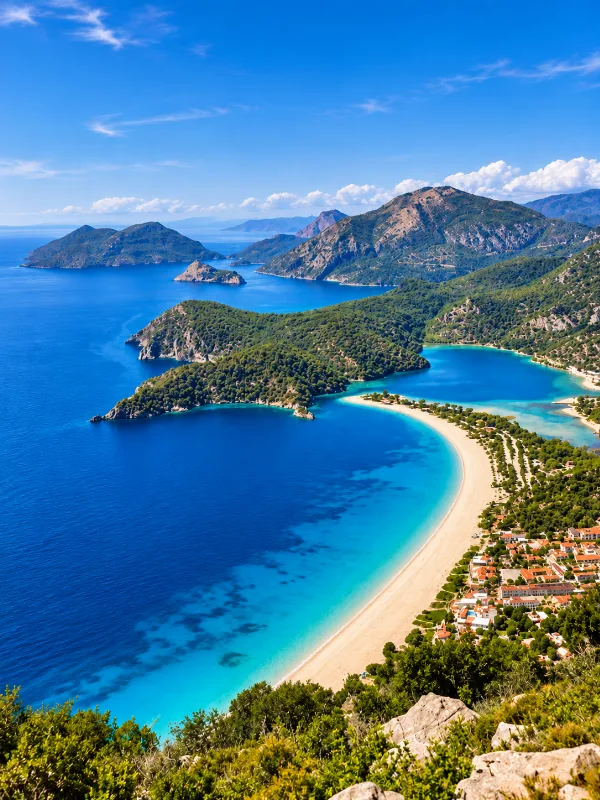
Ölüdeniz
A coastal area near Fethiye in southwestern Türkiye, known for its sheltered lagoon, turquoise water, surrounding mountains, beaches and Mediterranean landscape.
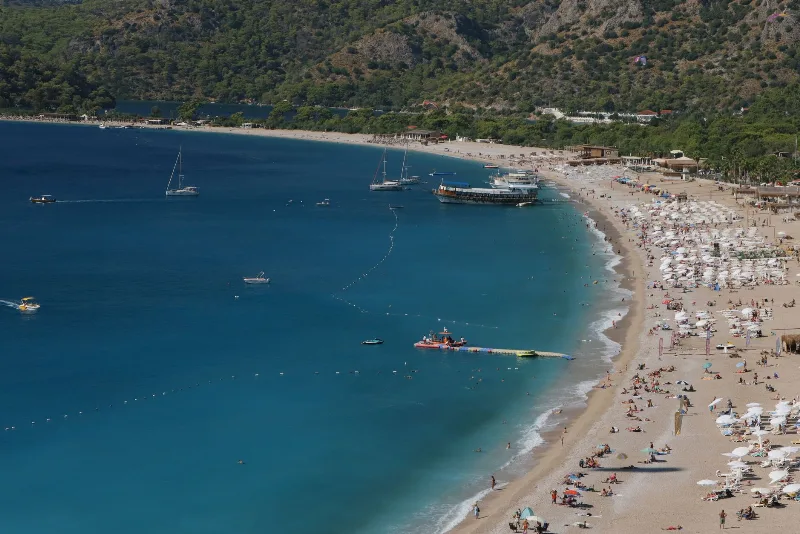
Ölüdeniz
Ölüdeniz, Türkiye'nin Fethiye ilçesine yakın bir konumda bulunan, sakin turkuaz suları ve yamaç paraşütü imkanları ile ünlü bir lagün ve plajdır.
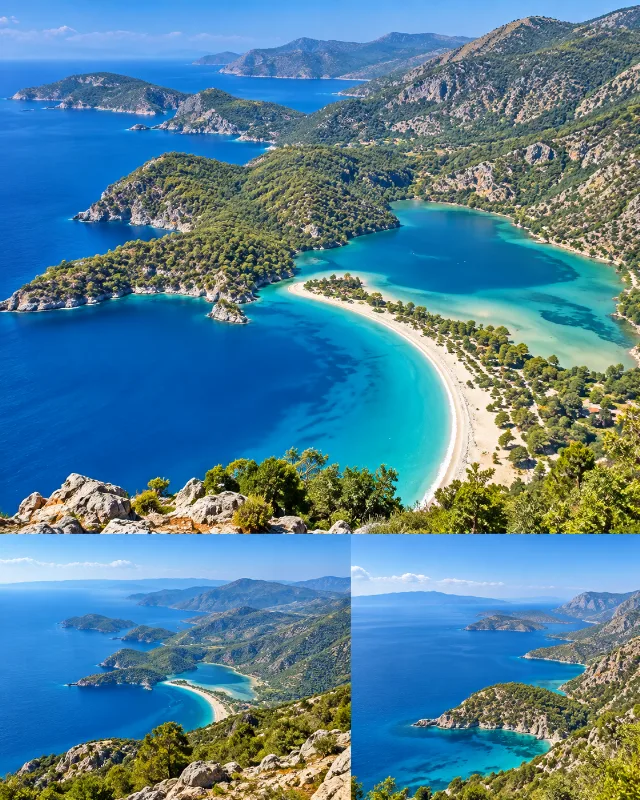
Ölüdeniz Blue Lagoon
A sheltered lagoon near Fethiye surrounded by forested hills, calm water and the Mediterranean coast.
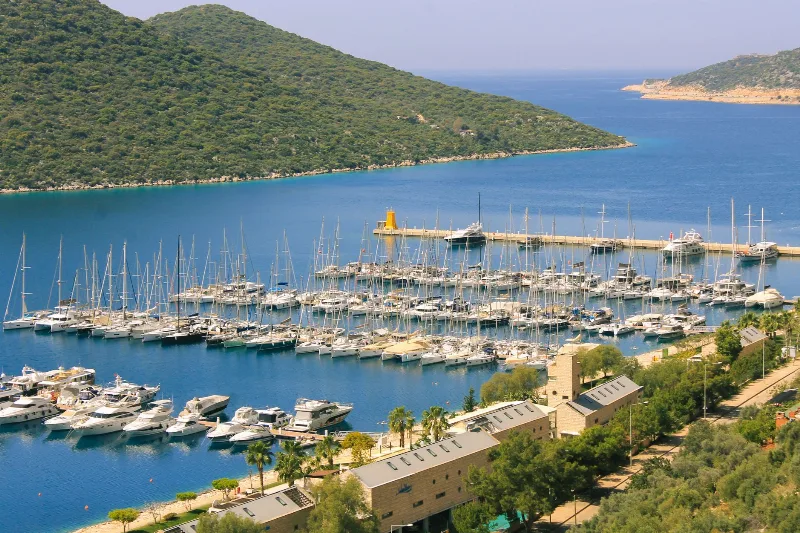
5-Day Fethiye to Kaş Lycian Coast Route
A five-day linear route along the Lycian coast from Fethiye to Kaş, linking Ölüdeniz, Kabak, the Xanthos valley, Patara and Kalkan by road and on foot.
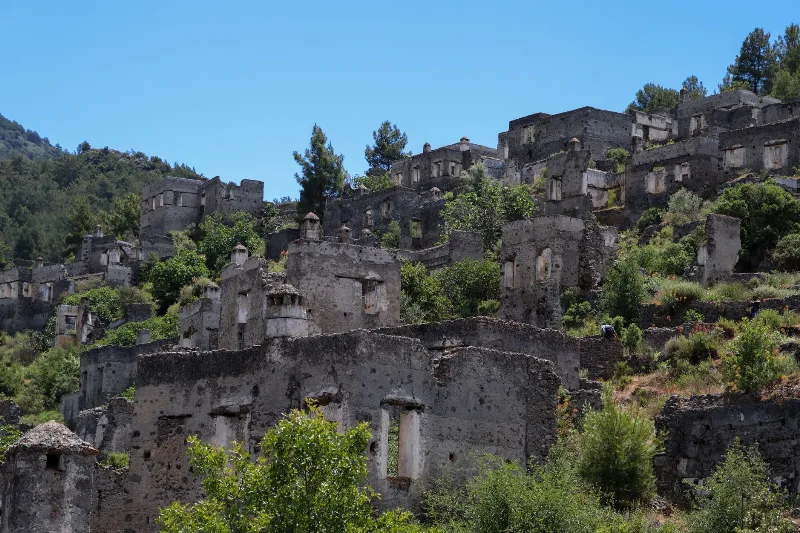
Kayaköy
Kayaköy is a deserted Greek Orthodox village in the Fethiye district of Muğla, where hundreds of stone houses, two churches and cobbled lanes survive on a hillside above the coast.