
Zeugma
Zeugma was a twin Roman city on the Euphrates in Gaziantep Province, famous for the mosaics recovered from its riverside villas. Here is what the site is, what survives, and what to know before visiting.
Zeugma is an ancient city in the Nizip district of Gaziantep Province, in southeastern Türkiye, on the western bank of the Euphrates River. It was founded in the Hellenistic period and grew into one of the most important Roman centres on the eastern frontier, a garrison town and trading crossing where roads from Anatolia met routes heading east across the river. Its modern reputation rests on the mosaics found in its riverside villas: exceptionally well-preserved Roman floor mosaics that are now displayed in the Zeugma Mosaic Museum in the city of Gaziantep, while the excavated remains of the city itself lie beside the Birecik Dam reservoir.
What the Name Zeugma Means
The name comes from the Greek word for a yoke, a bond, or a joining. In this case it referred to a bridge of boats that linked the two halves of the settlement across the Euphrates. In antiquity the city existed as a pair: Seleucia on the west bank, where the modern archaeological site lies, and Apamea on the east bank. The pontoon bridge that joined them gave the place its name and much of its strategic value, because it was one of the few reliable crossing points on this stretch of the river.
Foundation and the Hellenistic Period
Zeugma was established around 300 BC by Seleucus I Nicator, one of the generals who divided Alexander the Great's empire, as part of a network of Seleucid foundations along the Euphrates. The twin-city arrangement was a deliberate piece of imperial planning: a crossing point that could be controlled, taxed and defended. Later the settlement passed into the orbit of the Kingdom of Commagene, the small but wealthy state centred on Samosata further upstream, before coming under direct Roman control.
Why Zeugma Mattered in the Roman World
Under Rome, Zeugma became a military and commercial hub. A legion was stationed there, and the presence of soldiers, administrators and merchants produced a prosperous urban society. The city sat on routes connecting Anatolia and the Mediterranean coast with Mesopotamia and beyond, and it handled trade in goods moving between the Roman world and the East. That prosperity is the reason the city's houses were decorated to a standard that in most provincial towns would have been unusual.
The River Villas and Their Mosaics
The most distinctive feature of Zeugma is a group of large residential buildings built on terraces overlooking the Euphrates. Archaeologists have named them after the subjects of their decoration or after features found inside, such as the House of Poseidon, the House of Dionysos and the House of the Fountain. These were not modest dwellings: they had courtyards, pools, fountains and reception rooms, and their floors were laid with figurative mosaics of high technical quality.
The subjects are drawn from mythology, the natural world and daily life. The best known image is the so-called Gypsy Girl, a fragment showing the head of a young woman with a direct, unsmiling gaze, dated to the Roman imperial period. Other mosaics depict gods of the sea, river personifications, banqueting scenes and geometric patterns. What makes the Zeugma material stand out is not only the quality of the work but the quantity: the city produced one of the largest concentrations of Roman mosaics found anywhere in the eastern Mediterranean.
Destruction and Abandonment
Zeugma's frontier position also made it vulnerable. In the middle of the third century AD the city was attacked and sacked by the Sassanian king Shapur I, and it never recovered its earlier importance. Settlement shrank, the urban fabric decayed, and the site was eventually abandoned. Because the city was not rebuilt on top of itself in later centuries, its Roman levels survived comparatively intact beneath soil and rubble — the same reason the mosaics were preserved.
The Rescue Excavations and the Birecik Dam
In the late twentieth century the construction of the Birecik Dam on the Euphrates threatened to flood part of the ancient city. An international rescue excavation programme was mounted in the 1990s and 2000s to record and lift what could be saved before the reservoir filled. The lower riverside terraces, including several of the villa areas, were submerged; the upper part of the city remained above the new water line. The mosaics and other finds recovered during this campaign were transferred to Gaziantep, where they formed the core of a dedicated museum collection. The story of Zeugma is therefore inseparable from the story of the dam: the same water that endangered the site also forced the large-scale archaeology that brought it to public attention.
The Zeugma Mosaic Museum in Gaziantep
The Zeugma Mosaic Museum in central Gaziantep is where most visitors actually encounter the city's art. It houses mosaics lifted from the villas, reconstructed floor panels, sculpture and architectural fragments, along with the reconstructed fountain from one of the houses. The displays explain how the mosaics were made, how they were conserved, and how the rooms they belonged to were arranged. For anyone trying to understand Zeugma, the museum and the archaeological site work as a pair: the museum holds the portable and lifted material, while the site shows the topography, the position above the river and the surviving building plans.
What Can Be Seen at the Site Today
The archaeological area near the village of Belkıs is an open-air site above the reservoir. Visitors can see excavated foundations and walls of the ancient city, the outlines of streets and rooms, and the terraced arrangement of the settlement stepping down toward the water. A viewing area gives a clear sense of why the city was placed here: the Euphrates spreads out below, and the crossing point that gave Zeugma its name and its income is easy to picture. Interpretation panels on site explain the layout, though the site is a ruin field rather than a reconstructed town, and the experience depends heavily on the weather and on how much walking you are prepared to do.
Access and Practical Visiting Notes
Zeugma lies east of the city of Gaziantep, in Nizip district, and is normally reached by road from Gaziantep or from Nizip. The site is exposed, with limited shade, and the ground is uneven; sturdy shoes are useful and much of the visiting involves walking over stone and gravel. There is no meaningful shelter from sun or wind, and facilities at the site itself are basic, so it is sensible to bring water. Because the museum in Gaziantep requires a separate visit in a different location, it is worth planning the two as distinct parts of a trip rather than assuming they are in one place.
When to Visit
The region has hot, dry summers and cool, sometimes wet winters. Spring and autumn are the most comfortable periods for walking around an exposed ruin field, with moderate temperatures and greener surroundings. Midsummer visits are best made early in the day. Winter can be cold and muddy, and occasional rain makes the uneven surfaces slippery. The reservoir changes the character of the landscape seasonally, and the water level affects how much of the shoreline and lower ground is visible.
Related Places Nearby
Gaziantep itself is the natural base, with its museum, its historic bazaar district and its citadel, and the wider province contains further Roman and early Christian remains. Upstream along the Euphrates, the ancient city of Samosata, capital of the Kingdom of Commagene, lay near the modern town of Samsat. Other significant Commagene sites — including the mountaintop monument at Nemrut Dağı and the Roman-era remains at Arsameia — belong to the same cultural world that shaped Zeugma before and during the Roman period. The Birecik reservoir and the river valley also define the landscape in which the city must be understood.
Related content
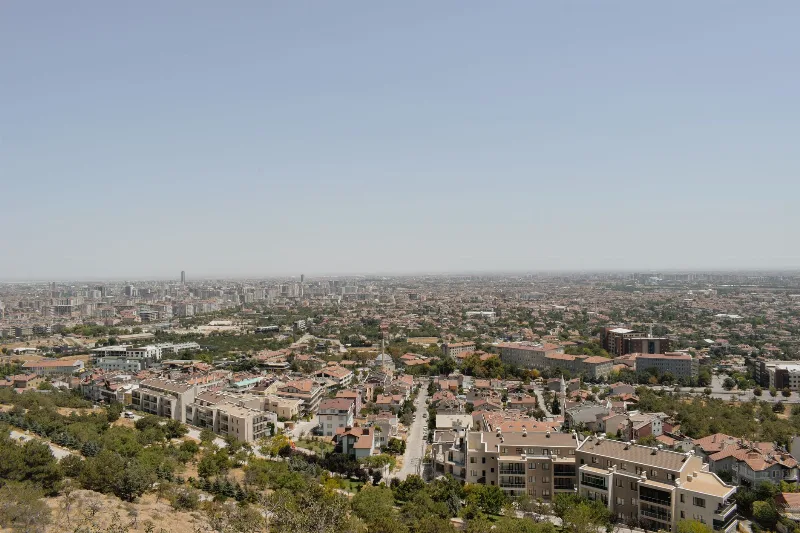
Gaziantep
Gaziantep is a major city in southeastern Türkiye and the administrative centre of its province, widely recognised as the country's gastronomic capital and known for its citadel, bazaars and the Zeugma Mosaic Museum.
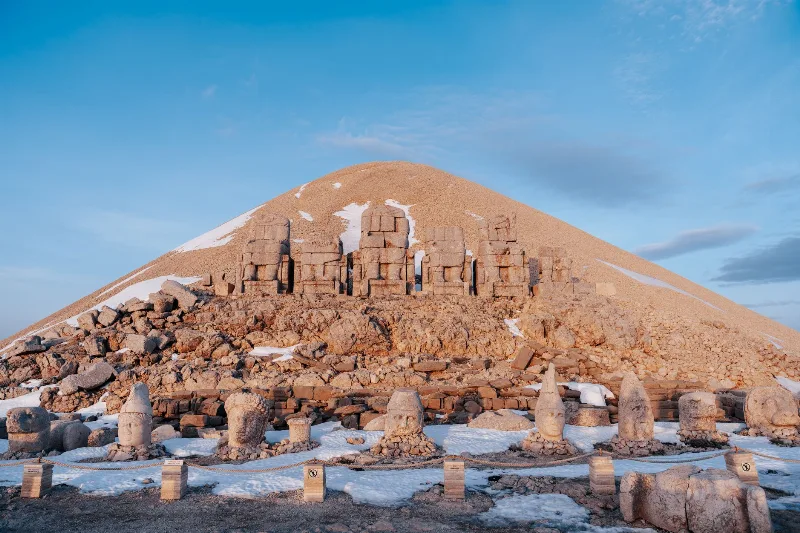
Nemrut
Mount Nemrut in Adıyaman Province is a 2,134-metre summit crowned by the colossal statues and tomb-sanctuary built by King Antiochus I of Commagene, and it has been a UNESCO World Heritage Site since 1987.
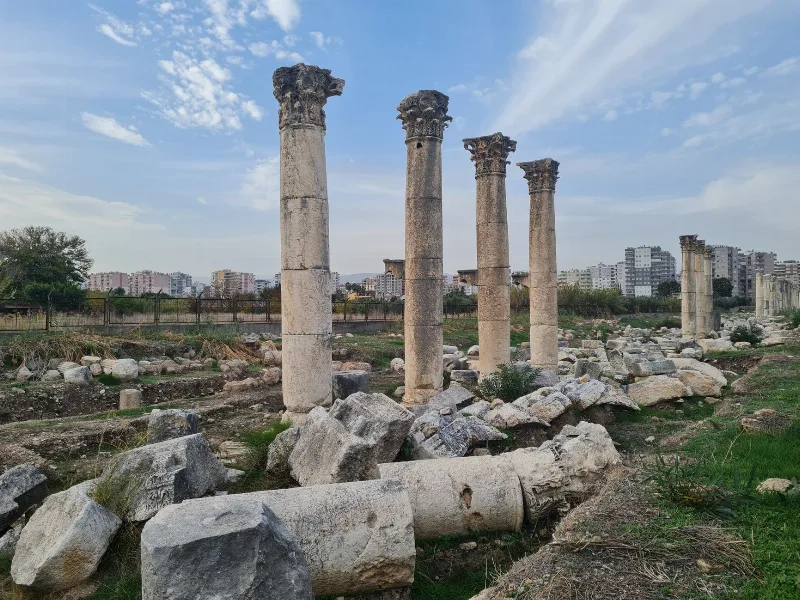
Zeugma
Zeugma was a Hellenistic and Roman city on the Euphrates in Gaziantep Province, important for its river crossing and Roman garrison. Its excavated houses produced celebrated mosaics, many now shown in the Zeugma Mosaic Museum in Gaziantep.
1-Day Gaziantep Route
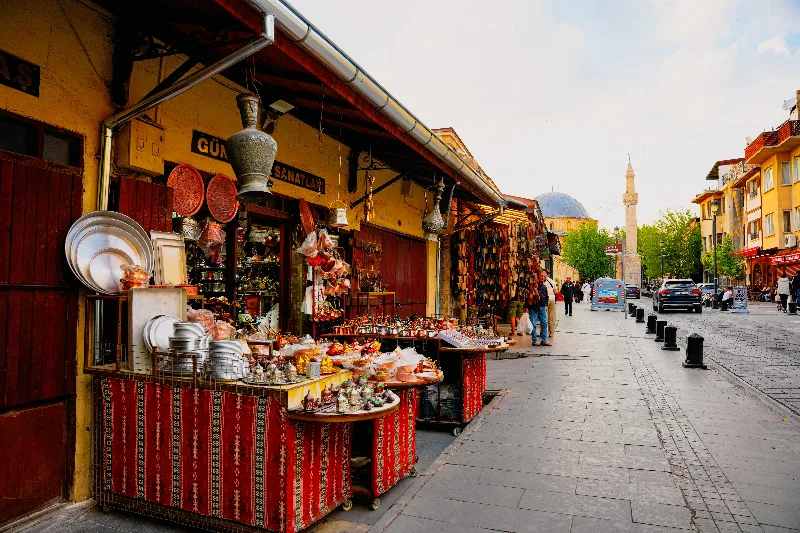
A compact one-day route through central Gaziantep, moving from the Zeugma Mosaic Museum to the castle hill, the historic hans and bazaars, and a baklava finish in the old centre.
Southeastern Anatolia Region
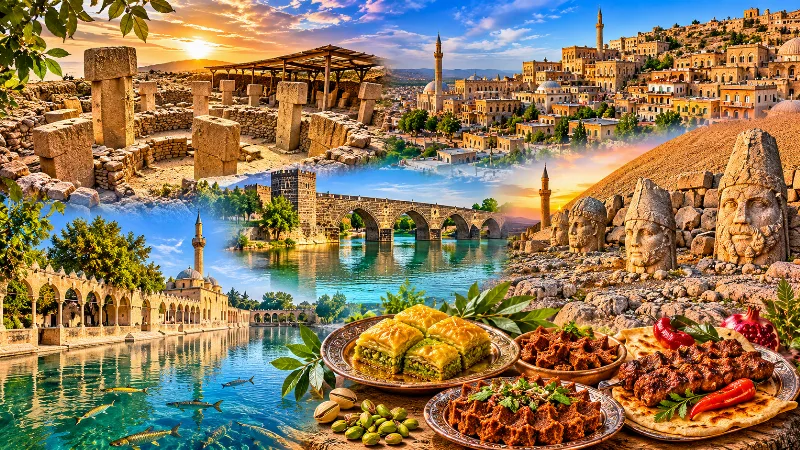
Southeastern Anatolia is known for its ancient cities, extraordinary archaeological heritage, traditional stone architecture and rich culinary culture. From the historic streets of Mardin to the monumental landscapes of Şanlıurfa and the Euphrates River, the region reflects thousands of years of civilization.
5-Day Tigris and Euphrates Route
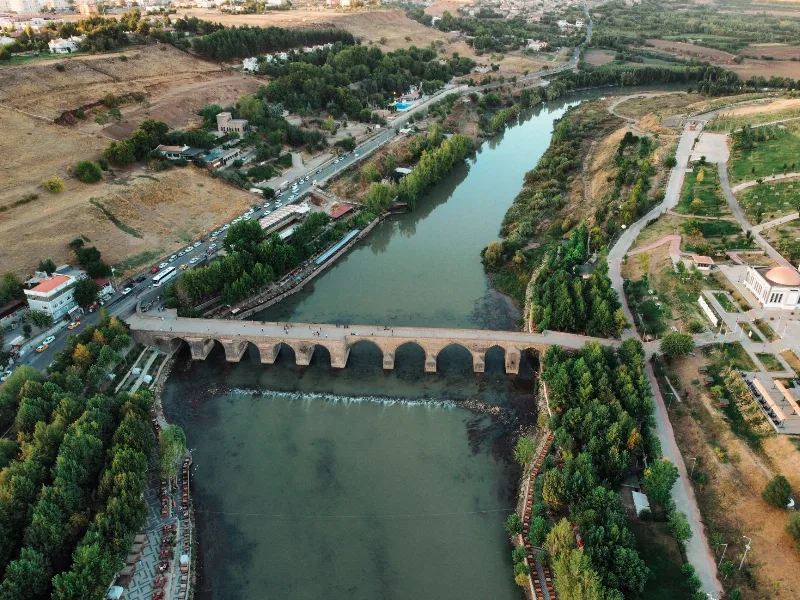
A five-day, east-to-west journey across Southeastern Anatolia from Diyarbakır to Gaziantep, following the Tigris and Euphrates through Mardin, Şanlıurfa, Göbeklitepe and Harran.