
Sailing the Turquoise Coast
The Turquoise Coast follows the southwestern shoreline of Türkiye, where sheltered bays, pine hills and clear water meet. This page explores how sailing and boat trips reveal its landscapes, islands and ancient harbours.
The Turquoise Coast is the name given to the southwestern shoreline of Türkiye, where the Aegean Sea meets the Mediterranean between Bodrum and Antalya. Sheltered bays, pine-covered headlands and clear water make this stretch of coast a natural setting for sailing, and boat trips remain one of the most rewarding ways to move along it.
Where the Turquoise Coast Runs
The coastline begins near Bodrum and the Gulf of Gökova, continues past Marmaris, Göcek and Fethiye, then curves east through Kaş, Kalkan and Finike towards Antalya. Behind the shore rise the pine forests and limestone slopes of the Lycian and Taurus ranges, which shelter many anchorages from open swell. The Gulf of Gökova and the Göcek bays are known for calm water and short hops between stops, while the section around Kaş and Kekova opens into longer, more exposed passages.
Bays, Islands and Quiet Anchorages
Sailing here is shaped by the rhythm of the bays. Göcek sits beside a cluster of low islands and inlets, where a boat can anchor in still water within sight of wooded shores. Further south, Ölüdeniz opens into a lagoon framed by mountains, and nearby Kelebekler Vadisi, also called Butterfly Valley, is a steep cove backed by cliffs. Gemiler Adası, a small island near Fethiye, lies close to the route, as do the long beaches of Patara and the harbour town of Kaş, which faces the Greek island of Meis across a narrow channel. Kekova, between Kaş and Demre, is a calm, protected stretch where swimming and slow travel suit the still water.
Ancient Harbours Along the Way
Many of the anchorages sit above older settlements. At Kekova, ruins lie partly submerged beneath the surface, and the hilltop castle of Simena above Kaleköy overlooks the same channel. Nearby stand the Lycian sites of Myra and Andriake, while Patara, Xanthos and Letoon form a group of historic places close to the coast. Further east, Olympos and Phaselis rest among pine and stone, and on the western side of the route, Knidos sits at the tip of the Datça peninsula. These places give the coastline a layered character, where sailing past a headland often means passing centuries of history.
Food and Daily Life on the Water
A day on the coast usually includes simple, regional food. Turkish breakfast, or kahvaltı, brings together olives, cheese, tomatoes, cucumber, honey and bread, often served on deck in the morning. Lunches may feature meze, olive-oil dishes, grilled fish and fresh salads, with citrus, almonds and local honey appearing along the route. Gözleme, a thin flatbread filled with cheese, spinach or potato, is common in coastal villages, and balık ekmek — grilled fish in bread — reflects the daily catch. The Aegean and Mediterranean coast is also olive country, and groves cover many of the hills behind the harbours.
Seasons and Winds
Spring and autumn bring mild temperatures, quieter bays and steady breezes, which suit relaxed sailing. Summer is warmer and busier, with a reliable afternoon sea breeze in many areas and the meltemi wind strengthening at times in the northern Aegean. Winter is cooler and calmer, when the coast turns quiet and the light on the water becomes softer. Because distances between bays are often short, routes can be adjusted easily to the weather and the pace of the day.
A Coast Made for Slow Travel
Sailing the Turquoise Coast is less about covering distance than about following the shape of the land. Between Bodrum and Antalya, the shoreline offers pine-backed coves, small islands, historic harbours and clear water, all connected by sea. For anyone curious about Türkiye's southern coast, a boat trip along this route is a calm and direct way to see how landscape, history and daily life meet at the water's edge.
Related content
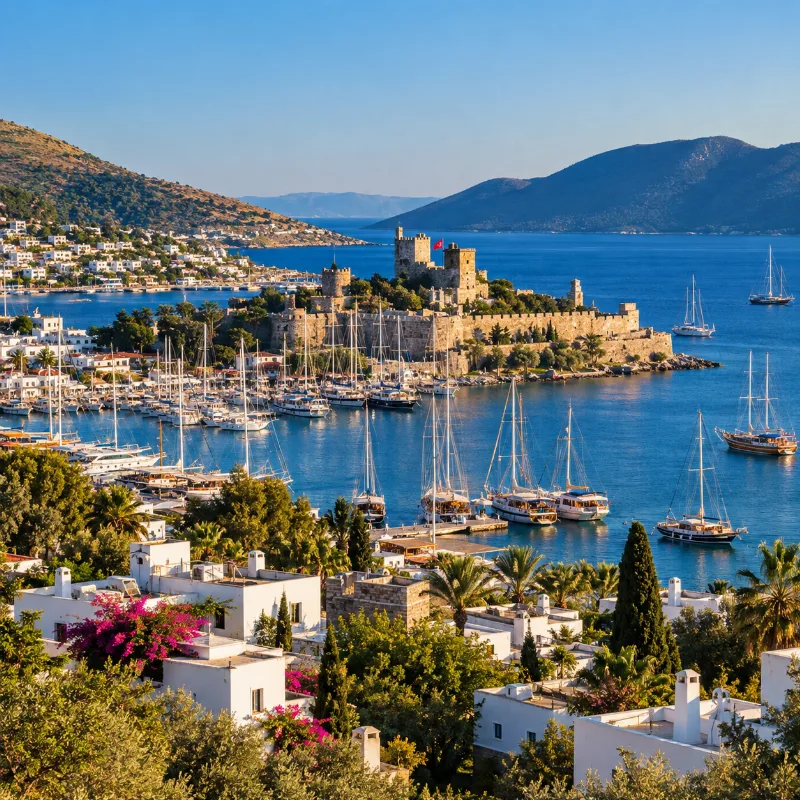
Bodrum
Bodrum is a coastal district of Muğla Province known for its whitewashed architecture, castle, Aegean coastline, bays and ancient Halicarnassus heritage.
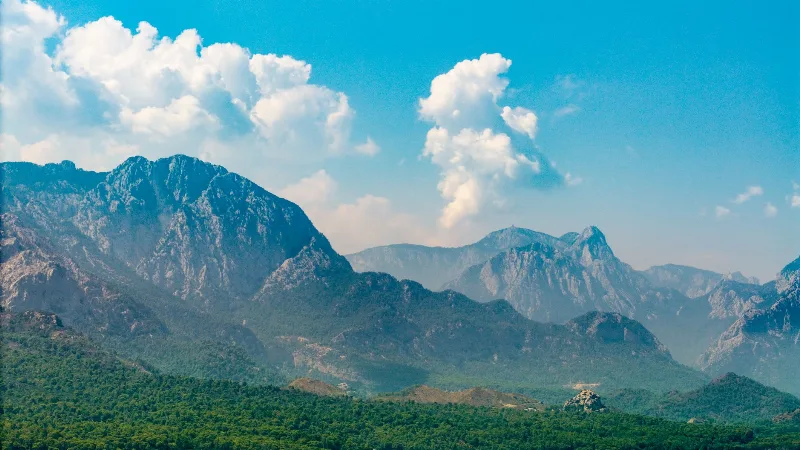
Antalya
Antalya offers a unique blend of vibrant history and stunning natural beauty, making it a must-visit destination in Türkiye.
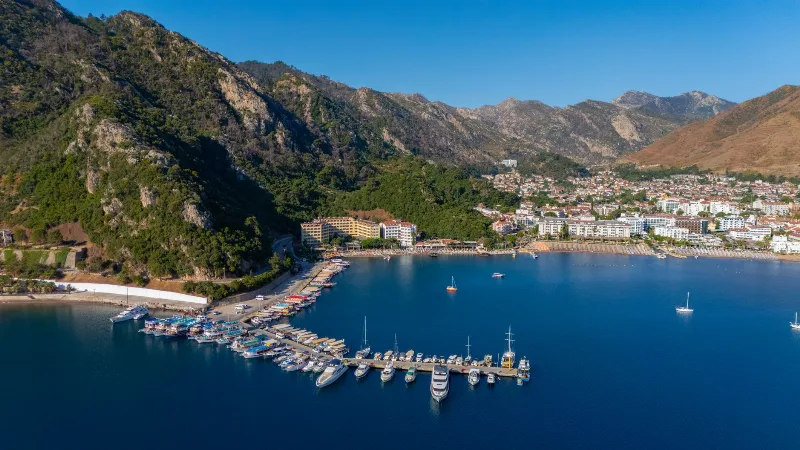
Marmaris
Marmaris is a dynamic port city on the Turquoise Coast, known for its vibrant marinas and lively nightlife, offering scenic harbor views.
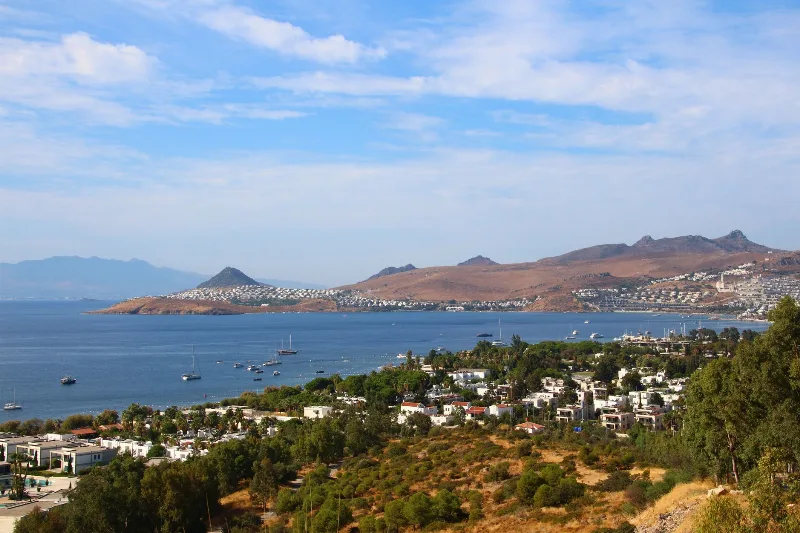
Sailing Adventures in Bodrum
Bodrum's peninsula on the Aegean coast of Türkiye offers sheltered bays, steady summer winds and a coastline shaped by ancient ruins and a long boatbuilding tradition.
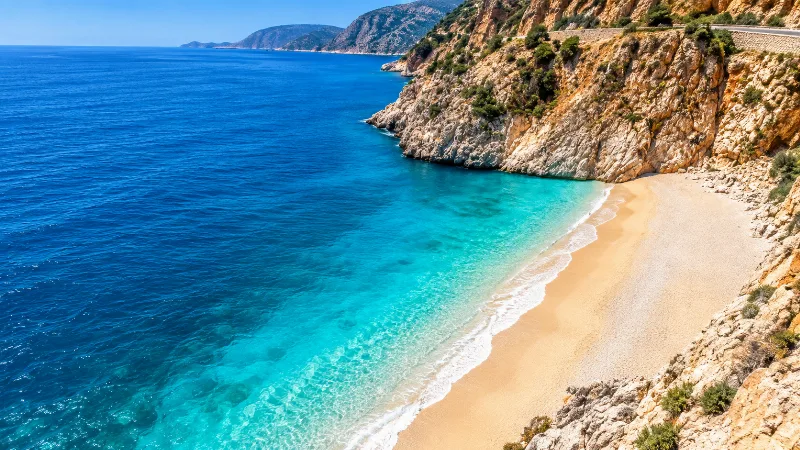
Beaches & Bays
Coasts, coves, islands and seaside places across Türkiye.
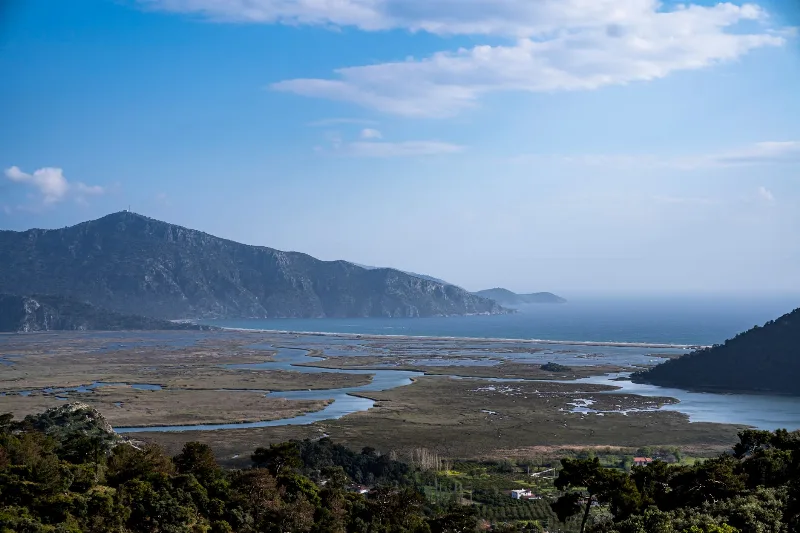
Muğla
Muğla is a captivating province in southwestern Türkiye, renowned for its stunning Aegean coastline and rich cultural heritage.
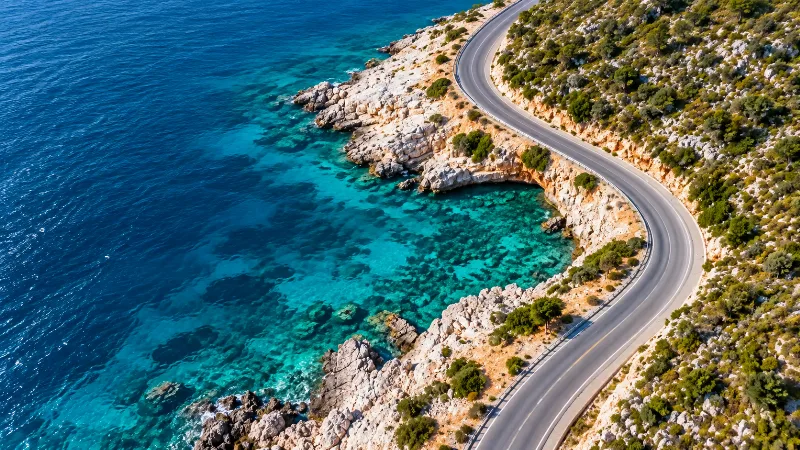
Routes
Road trips, coastal drives, cultural routes and scenic journeys across Türkiye.
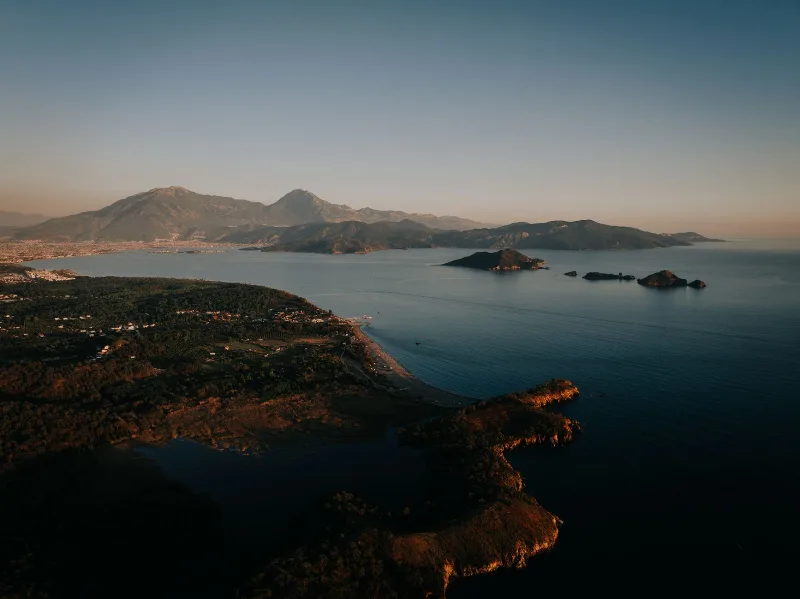
6-Day Mediterranean Coast Route: Antalya to Marmaris
A six-day linear route along Türkiye's Mediterranean coast, linking Antalya, Olympos, Demre, Kekova, Kaş, Kalkan, Patara, Fethiye and Dalyan before finishing in Marmaris. It mixes ancient cities, long beaches and small harbour towns on a continuous westward drive.