
Walnut Harvest in Kahramanmaraş
Every September, walnut growers across Kahramanmaraş province gather their crop as the thick green husks begin to split open. The work is short, weather-dependent and still largely carried out by families in village orchards.
Each year, usually between early and late September, the walnut trees of Kahramanmaraş province reach the point where their fruit is ready to leave the tree. The thick green husk that has protected the shell all summer begins to crack and peel back, exposing the hard nut inside, and that cracking is the signal that gathering can begin. Timing matters because the window is narrow: nuts left lying too long lose quality, and rain arriving while the husks are open can stain the shells and encourage mould. The harvest is not organised around a single company or a fixed calendar. It is mostly a family activity carried out in village gardens, small orchards and groves scattered across the province, and it has been part of the local autumn routine for generations.
When the Walnut Season Starts in Kahramanmaraş
Walnut husks do not split on a fixed date. They respond to the accumulated warmth of the summer, so the first trees to open are generally the ones growing on lower, warmer ground, where husks may begin to crack in the second half of August. In most years, however, the main gathering period in the province falls in September. Growers often describe the start of the season not by the calendar but by the tree: when the husk separates easily from the shell, or when nuts begin dropping on their own, the harvest has effectively begun.
The season rarely ends abruptly. Trees on the same plot can ripen over two or three weeks, and growers usually return several times rather than stripping everything at once. By early October, most of the crop in the lower areas has been brought in, while higher and cooler ground is still finishing.
What Happens as the Green Husks Split
A walnut does not fall free of its covering. The green outer layer has to soften, split along a seam and eventually release the shell. When this happens, the orchard changes quickly: green husks are suddenly visible on the ground, some still clinging to the nuts, others already blackened and softening. The nuts themselves may drop with the husk attached or separate as they fall.
Gathering is usually done by hand or with long poles that shake the upper branches and bring the nuts down. In many Kahramanmaraş orchards the work is still done in the traditional way, with the family collecting from the ground early in the day, before the husks dry out and become harder to remove.
Where the Walnuts Grow Across the Province
Kahramanmaraş sits between the Mediterranean coast and the Anatolian interior, and that position gives it a wide range of growing conditions. Walnut trees appear most often on valley floors, gentle slopes and in the gardens of villages at moderate altitude, where deep soils and reliable summer heat suit them. Higher districts, with cooler summers and earlier frosts, tend to ripen later, so the harvest moves from lower ground upward through the province over several weeks.
The trees are rarely grown in vast single-crop plantations. More often they stand among other fruit trees, along field edges or beside houses, which is one reason the harvest feels less like an industry and more like a household routine.
How Weather and Altitude Shift the Timing
Because the split depends on heat and moisture, the start of the harvest can move by two or three weeks from one year to the next. A hot, dry summer tends to bring the husks open earlier; a cool or unusually wet season delays them. Rain during the harvest is the main concern. Wet husks rot quickly, and prolonged damp conditions can darken the shells and reduce the quality of the nuts that are meant for storage.
Altitude has a similar effect. A village on warm, low ground may be finished while a neighbour higher up the slope is still waiting for the first husks to crack. For anyone trying to see the harvest, following the elevation rather than a fixed date is the more reliable approach.
Hulling, Drying and the Weeks After Gathering
Once the nuts are collected, the husks are removed, sometimes by hand and sometimes with small mechanical hullers used by groups of families. The nuts are then spread out to dry, usually on cloths, sheets or flat roofs, and turned regularly so that air reaches all sides. This drying stage is not cosmetic: walnuts that keep too much moisture will spoil in storage, so it is taken as seriously as the picking itself.
Drying generally continues for one to three weeks, again depending on sunshine and humidity. Only after that are the shells cracked, sorted and either kept for the household or sold. In this sense the visible harvest in September is only the first part of a longer autumn process that runs well into October in many villages.
What a Visitor Can Realistically See
This is not a staged event. There are no ticket gates or fixed viewing points, and the activity happens on private land. What a visitor can genuinely observe is the ordinary working landscape of the season: cloths of drying walnuts laid out in courtyards, husks piled at the edge of gardens, people shaking branches with poles in the early morning, and the strong, slightly bitter smell of fresh green husks.
Anyone passing through rural parts of the province in September may notice the change in village life more than any single spectacle. It is worth remembering that orchards are working spaces, and that access depends on the goodwill of the families who own them.
Conditions During the Harvest Period
September in Kahramanmaraş is generally warm and dry, with hot afternoons and noticeably cooler mornings and evenings, especially at higher elevations. Dust and husk residue are part of the experience; hands and clothing stain easily, since the green husk contains a substance that leaves a brown mark for days. Ground under the trees can be uneven, and some orchards sit on slopes where footing is loose.
Rain is possible and can interrupt work for days at a time, which is why growers often hurry once the husks begin to open. Visiting earlier in the day is generally more comfortable and more likely to coincide with active gathering. Because the whole process depends on the weather of that particular year, anyone planning around the walnut season should treat September as the usual window rather than a guaranteed date, and expect the peak to fall earlier on warm low ground and later on the cooler slopes above.
EXPLORE BY THEME
All themes →

Related content
Kahramanmaraş
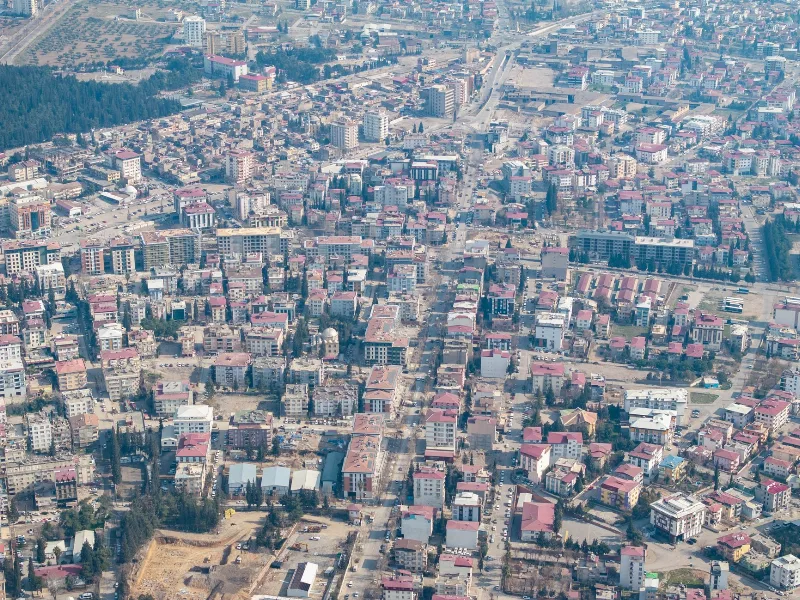
Kahramanmaraş is an inland city in southern Türkiye, set on a plain below the Taurus Mountains, known worldwide for its elastic salep-based dondurma and for a textile industry built on denim.
Kahramanmaraş Peppers
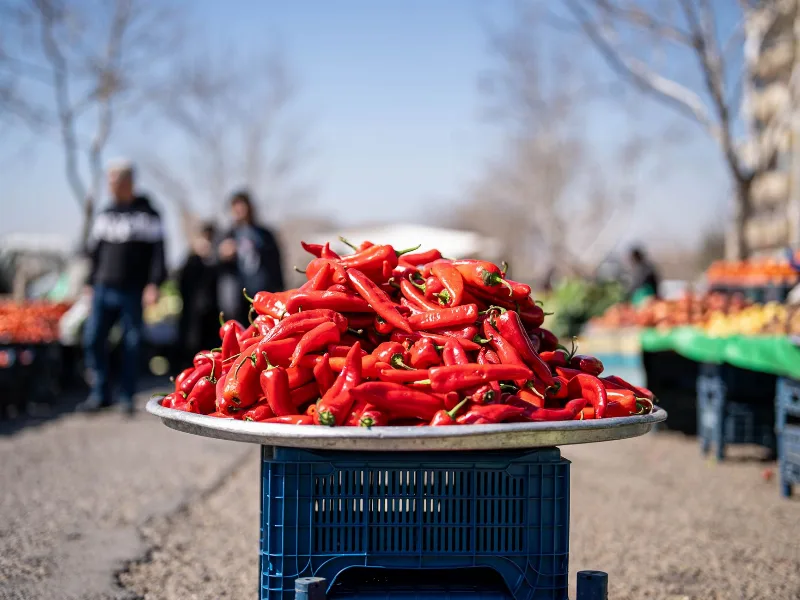
Kahramanmaraş peppers are the red peppers grown on the inland plains of southern Türkiye, where hot, dry summers and fertile soils give the crop its deep colour, moderate heat and smoky aroma.
Kahramanmaraş Red Pepper and Traditional Butter
Two staple flavours of the Kahramanmaraş kitchen — sun-dried red pepper and clarified butter — show how highland pastures and long summers shape the region's cooking.
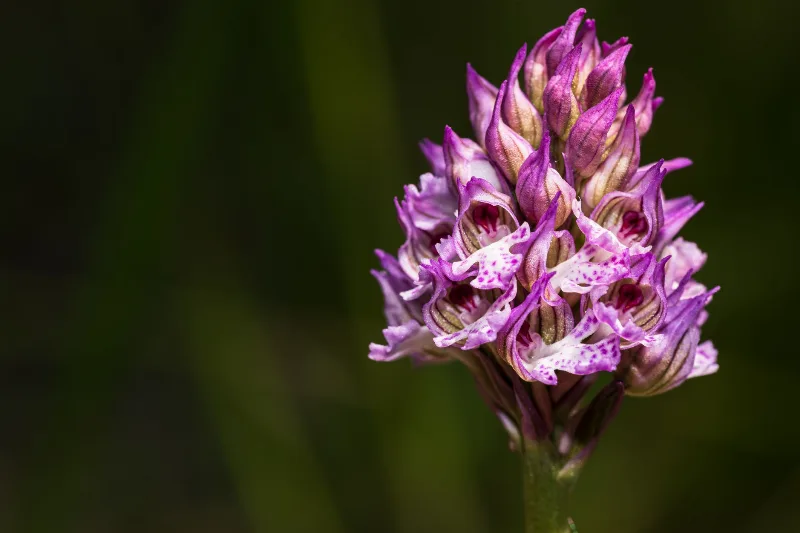
Orchid Bloom in Kahramanmaraş
Wild terrestrial orchids flower across the hills and mountains of Kahramanmaraş each spring, creating a short-lived season that draws botanists and photographers to southern Türkiye. The timing shifts with altitude and weather, usually running from late March into May.

Turkish Delight and Sweets
Turkish delight sits at the heart of a layered confectionery culture that runs from Ottoman court kitchens to family tables across Türkiye. The sweets range from chewy lokum and syrup-soaked pastries to milk puddings and sesame helva.
Ceyhan River Cotton Fields in Adana
The Ceyhan River crosses the Çukurova plain east of Adana, where irrigated cotton fields shape one of Türkiye's most distinctive agricultural landscapes.