
Spil Mountain National Park: Endemic Plants Above Manisa
Spil Mountain rises sharply behind Manisa, and its national park safeguards a remarkably varied flora, including plants found nowhere else on earth.
Rising steeply from the plains of Manisa in western Türkiye, Spil Mountain forms a green wall above the city and gives its name to one of the country's most botanically interesting protected areas. Spil Mountain National Park covers the upper slopes of this massif, where Mediterranean scrub gives way to pine forest, rocky outcrops and high meadows. The combination of altitude, limestone geology and a climate that blends Aegean warmth with mountain coolness has produced a flora of unusual richness, including a notable number of endemic plants that grow only in this part of Anatolia.
Where the Mountain Meets the Plain
The park lies on the northern edge of the Bozdağlar range, and its lower boundary begins almost at the edge of Manisa's vineyards and olive groves. Within a short climb, the landscape changes completely: fig and almond country is replaced by maquis of laurel, myrtle, kermes oak and wild olive, and above that by open woodland of Turkish pine and darker stands of black pine. Deep ravines hold plane trees, walnuts and moisture-loving plants, while the highest ground is windswept and stony, with low cushions of prickly shrubs and wiry grasses. This compressed sequence of habitats within a single mountain is the main reason the park supports so many species in a relatively small area.
A Flora Shaped by Rock and Season
Much of Spil is built of limestone, which drains quickly and creates shallow, lime-rich soils. Plants here have adapted accordingly: deep taproots, waxy or hairy leaves, and tight growth forms that reduce water loss. Two other factors matter. First, the mountain is high enough to collect winter snow, which melts slowly and keeps upper slopes damp well into spring. Second, its position close to the Aegean allows mild, humid air to move up the valleys. The result is a long flowering season that begins on sheltered lower slopes and continues, week by week, as the meltwater retreats uphill.
Plants Found Only Here
The park is known among botanists for its endemic taxa — species whose global range is limited to Spil Mountain and a few neighbouring peaks. Many belong to genera that are exceptionally rich in Turkish endemics, such as the bellflowers, knapweeds, milk-vetches and mulleins. These plants often occupy very specific niches: a single band of scree, a north-facing ledge, or a patch of stony ground above the tree line. Because their populations are small and scattered, they are vulnerable to grazing pressure, fire and the disturbance of their fragile soils.
Spring is the most rewarding season. Bulbs appear early, including crocuses, grape hyacinths and fritillaries, and the mountain is also part of the natural range of the scarlet-flowered tulip long known locally as the Manisa tulip. Cyclamen flower in sheltered woodland as the summer heat fades, and orchids are scattered across damp meadows in between.
Landscape, Legend and Wildlife
The mountain's cultural associations are as old as its flora. In classical mythology the massif was Mount Sipylus, linked to the story of Niobe, and a weathered rock formation on its flank is still pointed out as her weeping figure. Visitors walking the upper paths find broad views over the Gediz plain, the city below and, on clear days, distant ridges of the interior. Wildlife is quiet but present: tortoises and lizards on sunny stones, butterflies along the forest edges, and birds of prey circling the crags.
Visiting With Care
Because the endemic plants are the park's most important natural asset, visitors are encouraged to stay on marked paths, avoid picking flowers or digging bulbs, and keep to the edges of meadows where seedlings establish. Late spring and early summer offer the greatest variety, while autumn brings cooler air and a second flush of flowering in shaded ravines. Even a short walk upward from Manisa shows how quickly the vegetation shifts — and how much of this mountain's botanical character depends on ground that remains undisturbed.
Related content
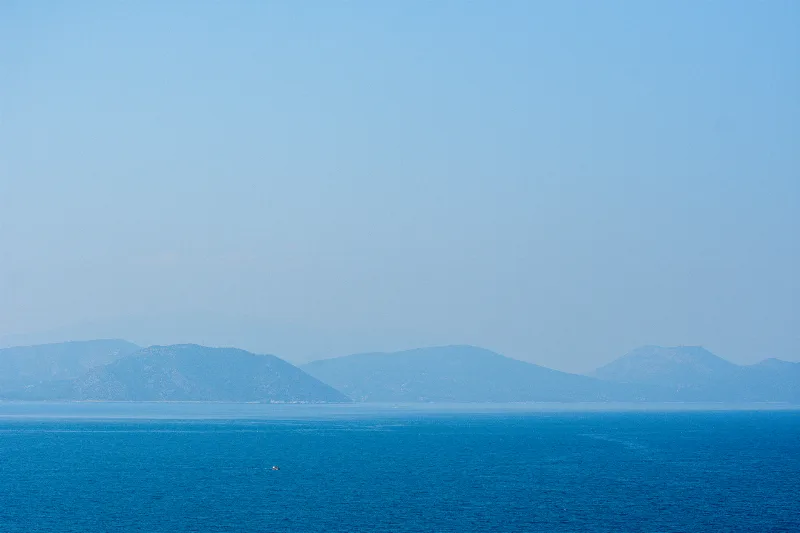
The Spring Wildflowers of the Aegean Coast
Each spring, the Aegean coast of Türkiye turns green and then colourful, as anemones, poppies, orchids and wild tulips follow the warming weather from the shoreline up into the mountains.
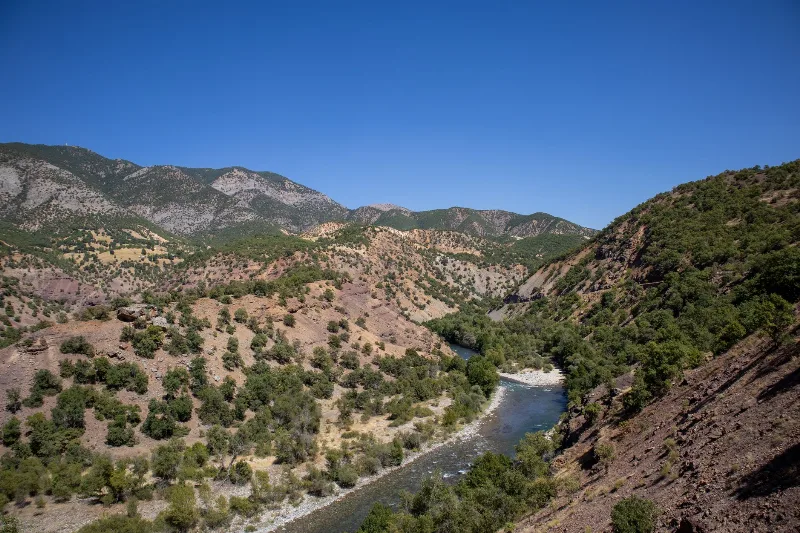
Munzur Valley National Park
Munzur Valley National Park is a large protected area in Tunceli Province, eastern Turkey, built around the Munzur River valley and the high Munzur Mountains, and known for its rugged terrain and rich endemic plant life.
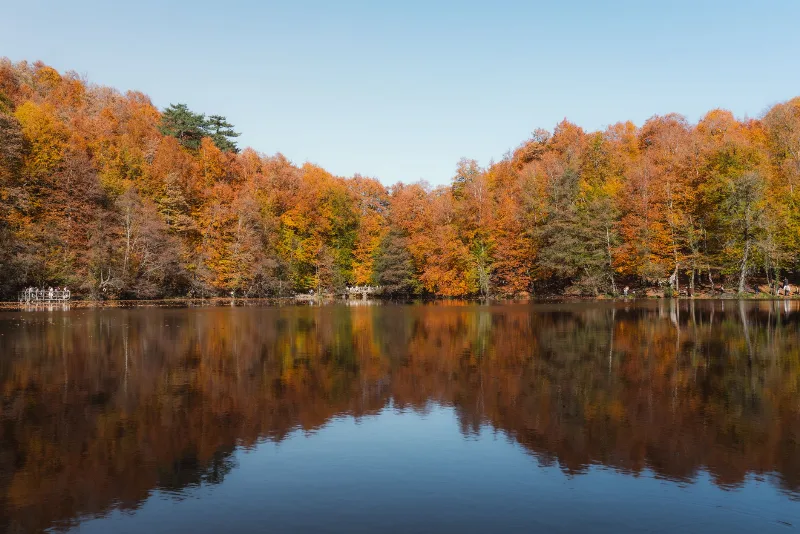
Nature Reserves of the Black Sea Region
Türkiye's Black Sea coast hides a chain of protected landscapes, from glacial lakes in the Kaçkar Mountains to canyons and old-growth forests in Kastamonu and Bartın.
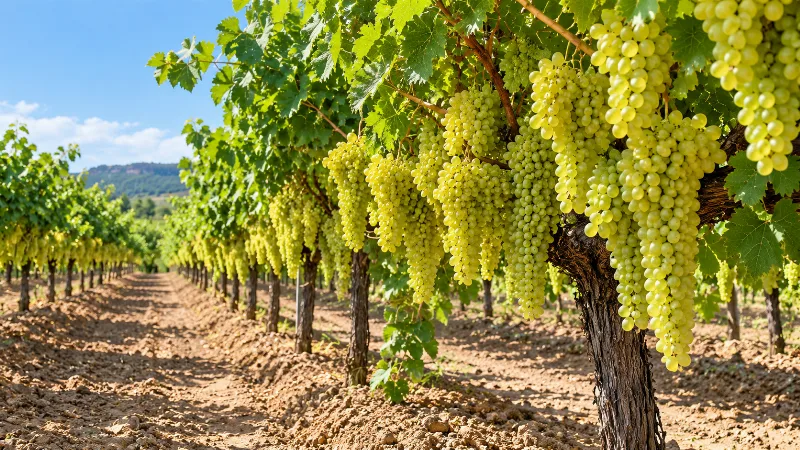
Manisa Sultaniye Grapes
Manisa Sultaniye is a seedless grape grown across the plains of Manisa province in western Türkiye, eaten fresh in late summer and sun-dried into the golden sultanas that have shaped the region's farming economy for generations.
Kazdağı Fir Forests and Walking Trails in Balıkesir
Kazdağı rises above the Edremit Gulf in Balıkesir, its upper slopes clothed in a fir forest found nowhere else on earth. Waymarked paths lead from the foothill villages into cool, shaded woodland.
Mount Ida
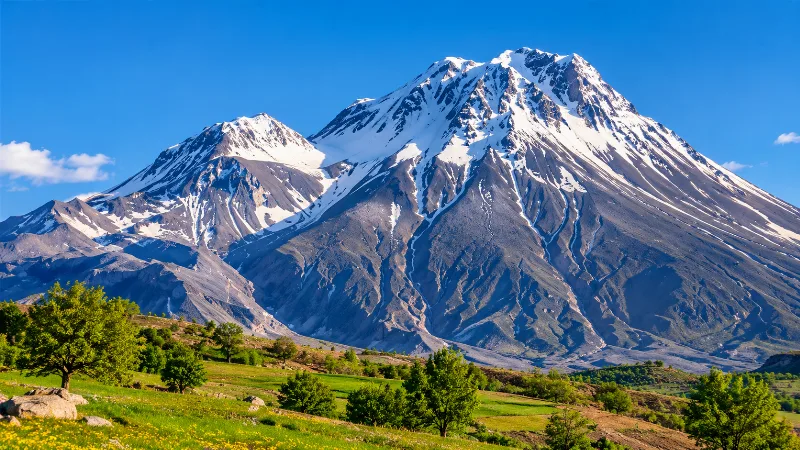
Mount Ida, called Kaz Dağı in Turkish, is a forested massif in Balıkesir Province on the Biga Peninsula, rising from the Gulf of Edremit coast to a summit of about 1,774 metres and known for its endemic fir forest.
Munzur Valley
Munzur Valley National Park in Tunceli Province protects a deep river gorge in the Munzur Mountains, known for endemic wildlife and its significance to Alevi communities in eastern Turkey.
Kırkağaç Melons
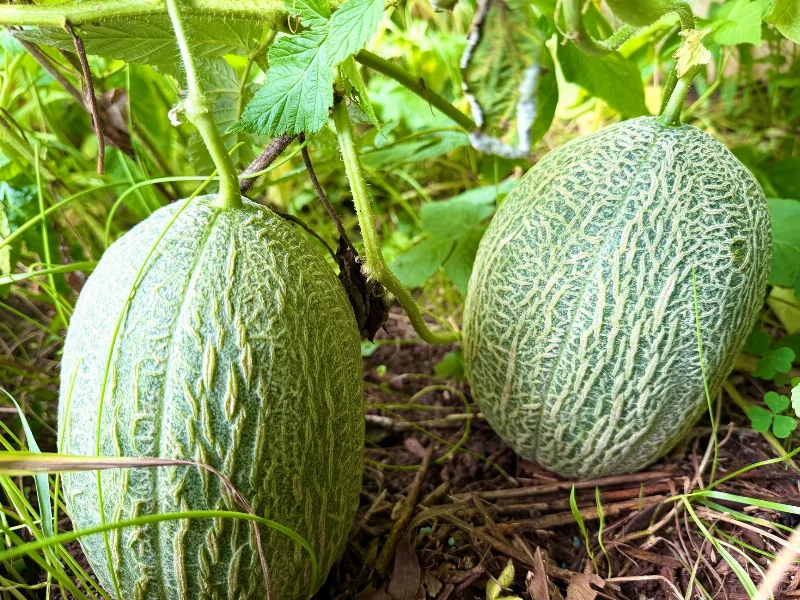
Kırkağaç melons are a distinctive melon variety grown around the town of Kırkağaç in Manisa province, western Türkiye, where hot dry summers and fertile valley soils produce large, aromatic fruit that keeps well into winter.