
Gümüşlük
Gümüşlük is a former fishing village on the western tip of the Bodrum peninsula in Muğla, Türkiye, built over the ancient city of Myndos and known for its sunset views across the bay and its seafood culture.
Gümüşlük is a coastal settlement on the western tip of the Bodrum peninsula, in Muğla Province in south-western Türkiye. It sits on a small sheltered bay facing the Aegean, roughly 20 kilometres west of Bodrum town, and it is built directly over the site of the ancient city of Myndos. Once a working fishing village, it has gradually become known for two things above all: the view of the sun setting over the sea at the mouth of the bay, and the seafood culture that grew out of its fishing past. Despite its popularity, it remains a village in scale and layout rather than a resort, with daily life organised around the curve of the cove and the hill behind it.
Where Gümüşlük Sits
Gümüşlük belongs to the Bodrum district of Muğla and occupies the far western edge of the peninsula, where the land narrows before meeting the Aegean. The bay opens westward, which is the reason the sunsets here are visible from the shore rather than hidden behind the hills. The surrounding terrain is low, rocky and covered with the dry maquis and scattered olive and almond trees typical of the Bodrum peninsula. Behind the village, gentle hills rise toward the interior of the peninsula, separating Gümüşlük from neighbouring settlements such as Yalıkavak to the north and Turgutreis to the south.
The village is small enough to walk across in a short time. There is no grid of streets or central square in the modern sense; instead, the built area follows the shoreline and climbs the slope immediately behind it.
A Village Built Over Ancient Myndos
The most distinctive fact about Gümüşlük is that it stands on top of an ancient city. Myndos was a Carian settlement that later passed through Greek, Roman and Byzantine hands, and it was an active harbour for centuries. Parts of the ancient city are still visible in and around the modern village, and further sections lie beneath the water of the bay itself. The remains are not presented as a fenced, ticketed archaeological park; they are woven into the everyday landscape of the village, which gives the place a different feel from a conventional historic site.
This continuity between the ancient and the contemporary is what separates Gümüşlük from other coastal villages on the peninsula. The modern settlement did not simply grow near a ruin; it grew on and around it, and some of the old harbour structures now sit at the edge of the water where boats are moored.
The Waterfront and the Sunken Remains
The shoreline is shallow and calm, and the water near the village is clear enough to see the seabed in places. Offshore, fragments of ancient masonry lie submerged, a reminder that the ancient harbour extended further than the present coastline. This is the most photographed aspect of Gümüşlük, and it is genuinely visible to anyone who looks carefully from the shore or wades out.
At one side of the bay, a low rocky outcrop known as Rabbit Island sits just off the beach. In calm conditions it is possible to walk across the shallow strip of water that separates it from the mainland, a route that locals and visitors have used for years. The island is small and rocky, with a view back over the whole bay toward the village, and it frames the sunset from the shore.
Fishing boats still moor along the waterfront, and the smell of the sea, the sound of small engines and the sight of nets being handled keep the working character of the village present even as visitor numbers have grown.
Streets, Houses and Traditional Architecture
The architecture of Gümüşlük is typical of the Bodrum peninsula: low houses with whitewashed walls and flat or gently pitched roofs, many of them closely packed along narrow lanes. Bougainvillea, olive trees and stone walls appear throughout the village, and the streets are often too narrow for cars, which keeps walking as the main way to move around.
The lanes are uneven in places, with steps and slopes as they climb away from the sea, so the village has a slightly terraced feel rather than a flat grid. Houses face outward toward the water or inward toward small courtyards, and the density of the old core contrasts with the more scattered newer buildings on the edges of the settlement.
What You Can See While Walking Around
A walk through Gümüşlük can reasonably cover, in a couple of hours, the following:
- The waterfront and the line of moored boats along the bay
- Visible fragments of ancient Myndos incorporated into the shoreline and the village edges
- The shallow water where submerged remains can be seen
- The narrow lanes and whitewashed houses of the old core
- The rocky outcrop offshore, reachable across the shallow strip of water in calm weather
The village does not require a formal itinerary. It rewards slow walking, looking down at the ground and the water rather than following a defined route.
How to Reach Gümüşlük
Gümüşlük is reached by road from Bodrum town, following the western route along the peninsula. Dolmuş minibuses and local bus services connect the village with Bodrum and with other settlements on the peninsula, which is the usual way to arrive without a car. Travellers coming from further afield generally reach Bodrum first, by air or by road along the Aegean coast, and continue overland from there.
The road into the village narrows as it approaches the waterfront, and the old core is best explored on foot once you arrive.
When to Visit
The Bodrum peninsula has a Mediterranean climate with hot, dry summers and mild, wetter winters. Spring and autumn are the most comfortable periods for walking and for spending time outdoors, with moderate temperatures and fewer visitors. Summer is hot and busy, particularly around sunset, when the western orientation of the bay draws people to the shore. Winter is quiet, and many of the seasonal businesses close, but the village itself and the landscape remain accessible.
Sunset is the moment the village is known for, and it can be watched from almost anywhere along the waterfront or from Rabbit Island. Arriving earlier in the afternoon allows time to walk the lanes and see the ancient remains before the light changes.
Practical Notes Before You Go
The streets of the old village are narrow, steep in places and surfaced with stone or uneven paving, so comfortable shoes are useful. Access around the waterfront is easy, but the lanes behind it require some climbing. Swimming from the bay is possible in the warmer months, and the water is generally calm because the cove is sheltered. Because the village sits over an archaeological site, the visible remains should be treated as heritage rather than scenery to be climbed on or moved.
Nearby Places Worth Knowing About
Gümüşlük sits within easy reach of other settlements on the Bodrum peninsula. Yalıkavak lies to the north-east and Turgutreis to the south, both along the same western coast. Bodrum town, with its castle and its historic Myndos Gate — named after the ancient city on which Gümüşlük stands — is the main urban centre for the area and the point from which most transport connections radiate. The peninsula as a whole offers a mix of coves, small harbours, olive groves and dry hills, and Gümüşlük is one of its westernmost and most historically layered points.
From the land
Find All →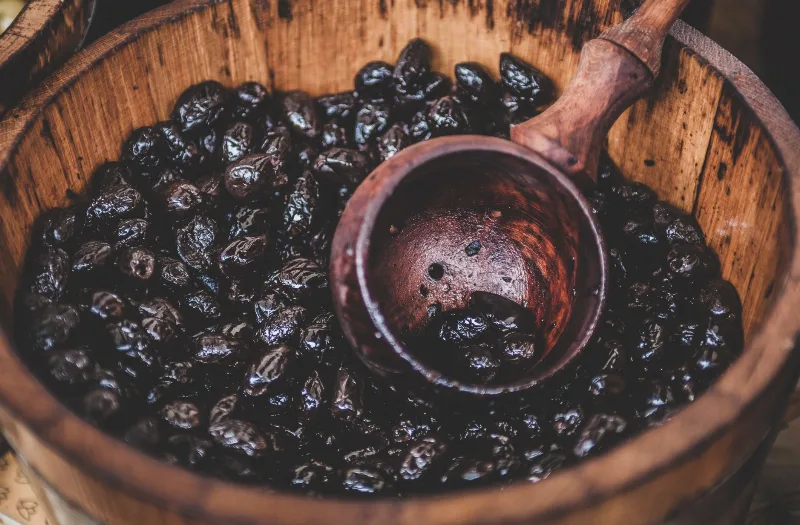
Gemlik Olives
Gemlik olives are the small, dark table olives grown around the Gulf of Gemlik in Bursa province, where the mild climate of the Marmara coast shapes their firm texture and rich, faintly bitter flavour.
Explore →
Antalya Tomatoes
Antalya tomatoes are the greenhouse and field-grown tomatoes of Türkiye's Mediterranean coast, produced in a province whose mild winters and long sunny summers allow harvesting in almost every month of the year.
Explore →
Elazığ Apricots
Elazığ apricots are a regional apricot product from eastern Türkiye, valued for their juicy, flavorful fruit. The province’s climate and fertile soils support both fresh use and traditional drying.
Explore →Related content
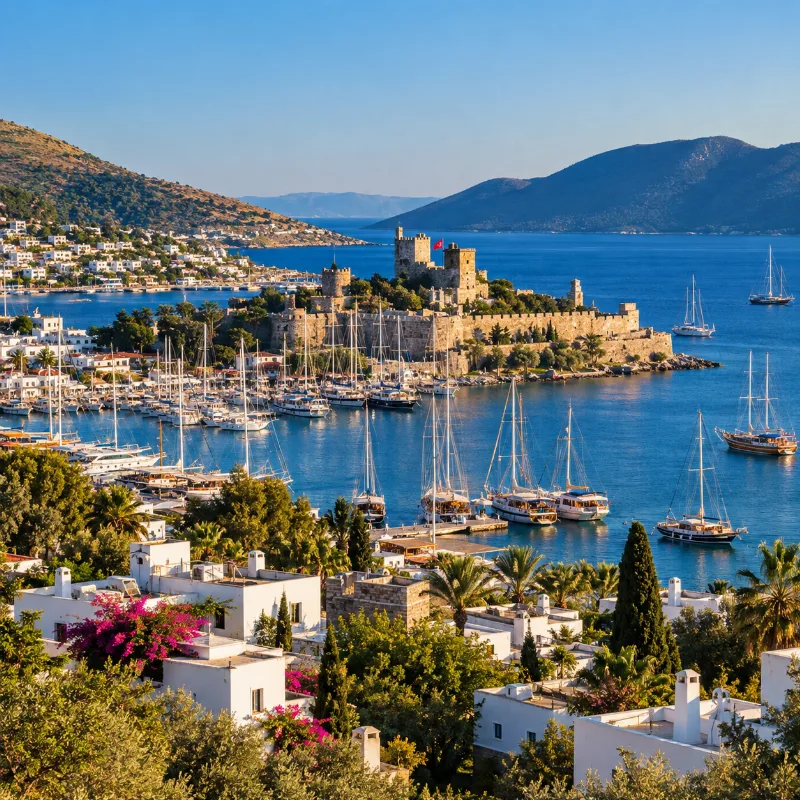
Bodrum
Bodrum is a coastal district of Muğla Province known for its whitewashed architecture, castle, Aegean coastline, bays and ancient Halicarnassus heritage.
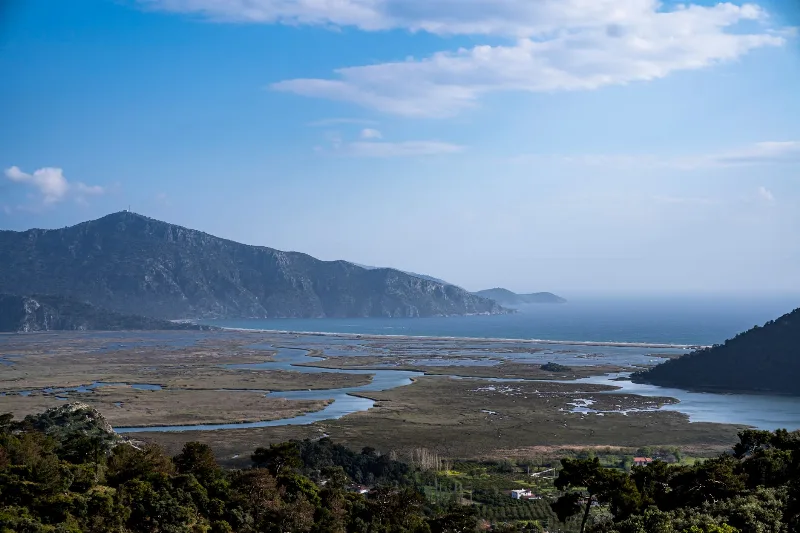
Muğla
Muğla is a captivating province in southwestern Türkiye, renowned for its stunning Aegean coastline and rich cultural heritage.
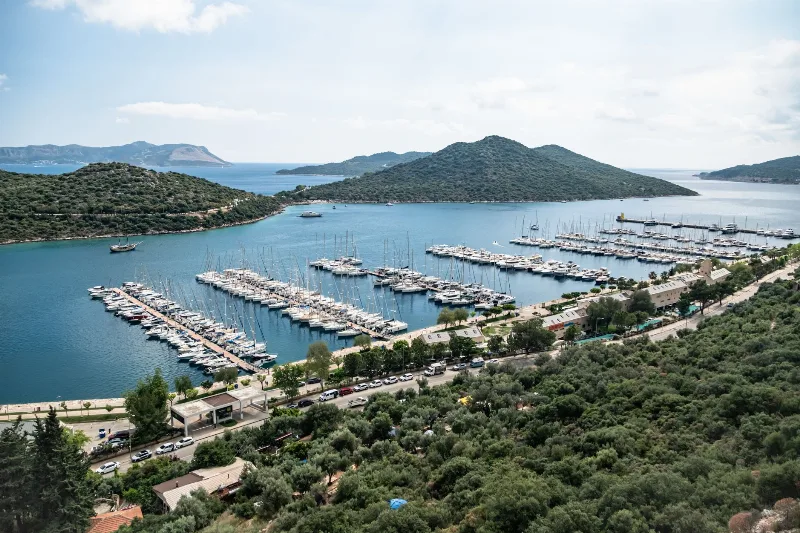
Yalıkavak
Yalıkavak is a coastal neighbourhood of Bodrum district in Muğla Province, on the northern shore of the Bodrum Peninsula. It is known for its large marina, a group of old stone windmills on the ridge above the bay, and a town centre that still carries traces of its fishing-village past.
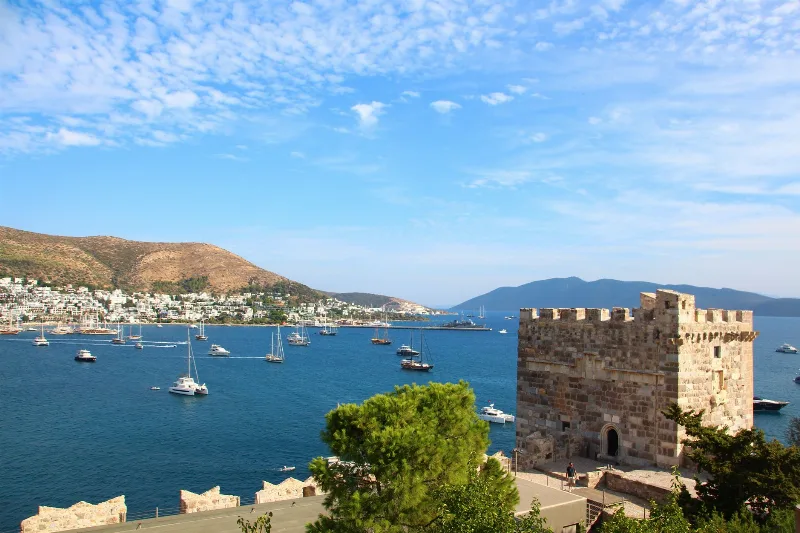
5-Day Bodrum Peninsula Route
A five-day circular drive around the Bodrum Peninsula that links the historic core of Bodrum with the southern shore village of Gümüşlük, the western town of Turgutreis and the northern villages of Yalıkavak, Göltürkbükü and Torba.
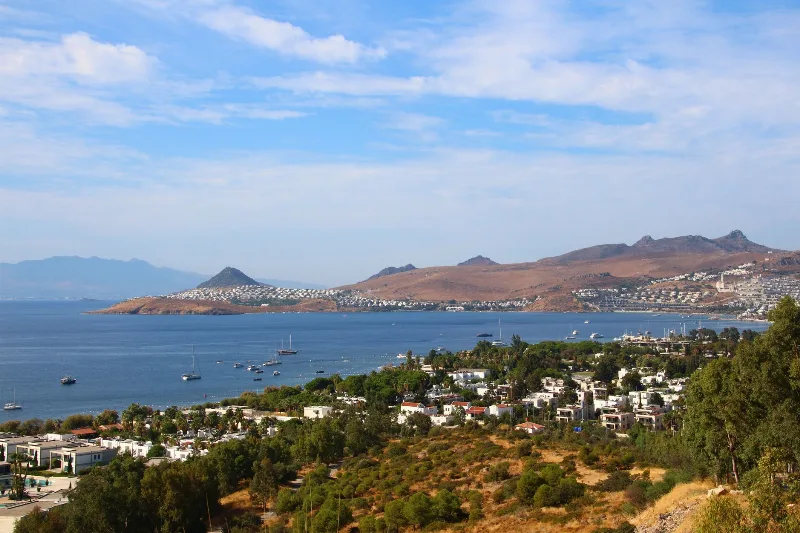
Sailing Adventures in Bodrum
Bodrum's peninsula on the Aegean coast of Türkiye offers sheltered bays, steady summer winds and a coastline shaped by ancient ruins and a long boatbuilding tradition.
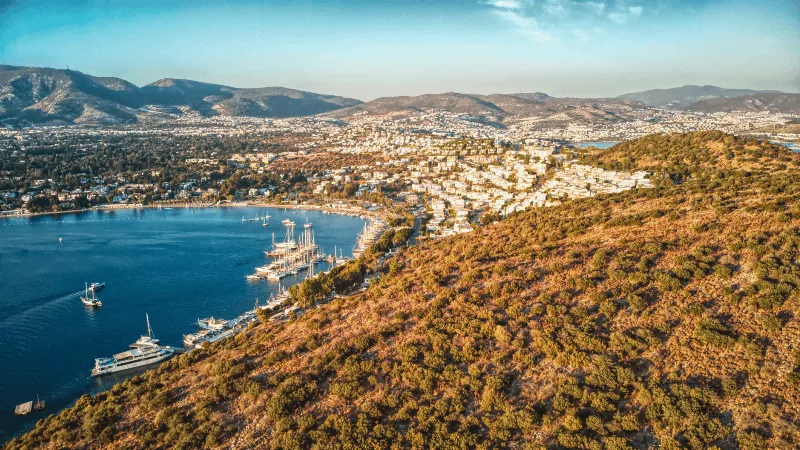
Gümüşlük
Gümüşlük is a sheltered Aegean inlet on the western side of the Bodrum Peninsula, where a shallow bay, a narrow sand spit and a small offshore island shape a distinctive shoreline.