
Çal Cave Underground Lake in Trabzon
Hidden in the hills of Düzköy, Çal Cave is a limestone cavern in Turkey's Black Sea region, known for its stalactites, travertine pools and a dark underground lake.
Çal Cave lies in the Düzköy district of Trabzon province, in the green, rain-fed uplands of Turkey's Black Sea region. Cut through limestone over an immense span of geological time, it is one of the more remarkable cave systems in the country, and it is known above all for two features: the dense array of stalactites that hang from its ceiling and a dark, still underground lake at its lower levels. For travellers already exploring the valleys and highlands around Trabzon, the cave offers a cool, enclosed counterpoint to the region's forests and mountain pastures.
Where the cave is found
The entrance sits on a hillside among hazelnut groves and wooded slopes, a short distance from the village that shares its name. Düzköy itself is a rural district of scattered settlements, tea gardens and pasture, set back from the coast and reached by winding roads that climb steadily away from the sea. The surrounding landscape is typical of the eastern Black Sea: steep, densely vegetated and frequently misted, with streams running through narrow valleys. Because the cave is set inland rather than on the coast, it is often quieter than the region's better-known attractions, and the approach passes through ordinary working countryside rather than a resort strip.
The cave interior and its formations
Çal Cave is essentially horizontal, which makes it easier to walk than many vertical cave systems, and a manageable section of its passages is open to visitors. The air inside is cool and humid, and water continues to shape the rock, dripping steadily and depositing the calcium carbonate that builds the cave's decorations. Slim stalactites descend from the roof, stalagmites rise from the floor, and in places the two have met to form columns. Broad travertine terraces and shallow pools of pale, milky water collect along the route, their surfaces catching the light and reflecting the surrounding stone.
The walls show the banded textures and smooth, water-worn surfaces typical of limestone caves, with colour ranging from cream and ochre to grey. The passages vary in scale, opening into wider chambers and narrowing again into low corridors, and the changing width gives the walk a sense of progression rather than a single continuous tunnel.
The underground lake
At the deeper end of the accessible route lies the feature that gives Çal Cave much of its character: a still underground lake. It is dark and quiet, its surface reflecting little, and the contrast between the pale limestone around it and the blackness of the water is striking. The lake is fed by the same water that seeps through the rock above, and it marks the point where the cave's natural drainage gathers. Visitors usually view it from a safe distance, since the water is deep and the surrounding floor can be slippery. Its stillness and the absence of daylight give the chamber a distinctly enclosed atmosphere.
Visiting and the surrounding area
Reaching the cave involves a drive through the Düzköy hills followed by a short walk, and the experience is largely self-guided along the prepared route. Sturdy shoes are useful, as the floor is damp in places. Beyond the cave, the district rewards a slower visit: villages with traditional timber and stone houses, small mosques, family tea plots and the seasonal rhythm of hazelnut and dairy farming. The nearby highland pastures, known locally as yayla, are used in summer for grazing and remain an important part of Black Sea mountain life. Combined with the caves and valleys of the wider Trabzon area, Çal Cave forms part of a landscape where geology, water and rural culture are closely intertwined.
Related content
Trabzon
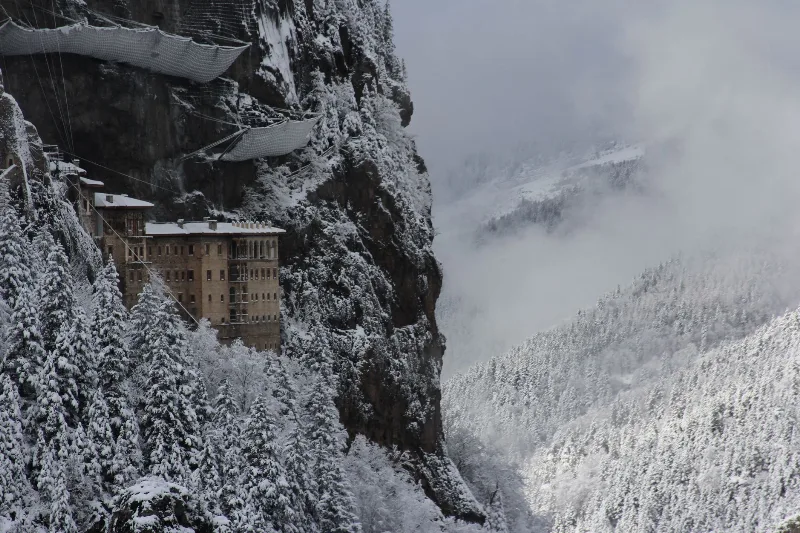
Trabzon is a rain-washed port city on Türkiye's eastern Black Sea coast, framed by the cliffside Sumela Monastery and slopes of tea. Byzantine and Ottoman layers sit close to highland valleys just inland.
3-Day Trabzon and Uzungöl Route
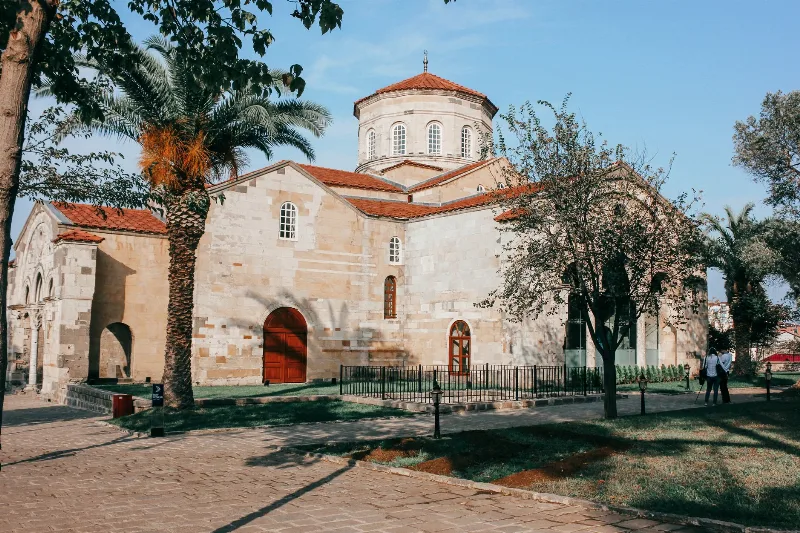
This 3-day route in Türkiye's Eastern Black Sea region starts and ends in Trabzon, visiting Hagia Sophia, Sümela Monastery, and Uzungöl Lake. It blends city sightseeing, mountain driving, and lakeside relaxation.
5-Day Eastern Black Sea Route
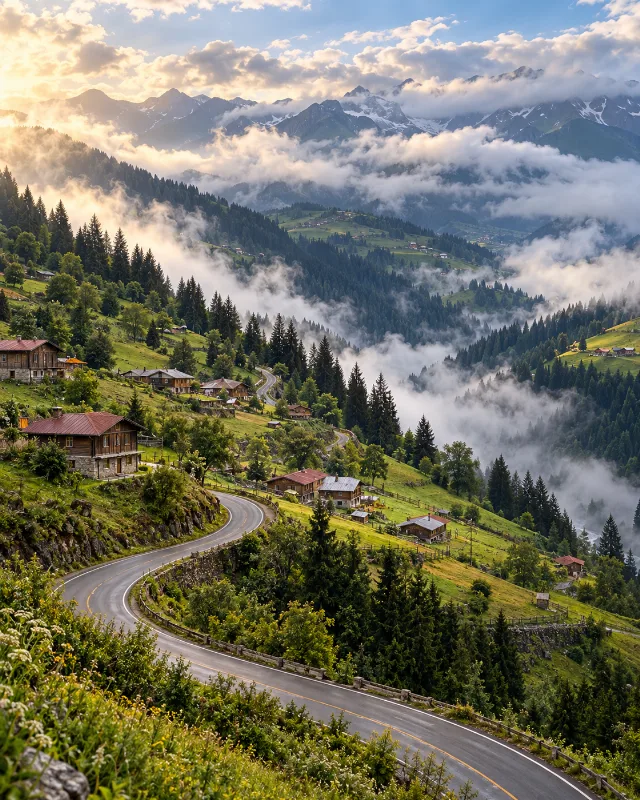
A five-day journey from Trabzon through Uzungöl, Rize, Çamlıhemşin, Ayder, Borçka and Şavşat, combining Black Sea culture with forests, lakes and highlands.
The Significance of the Sümela Monastery in Trabzon
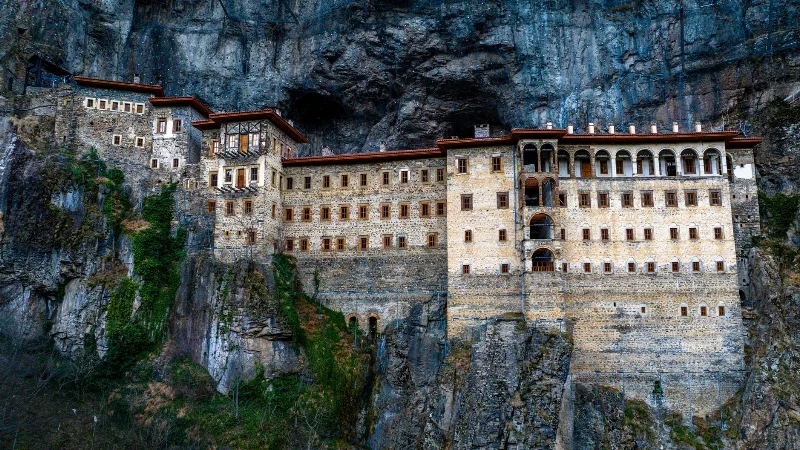
Perched on a cliff above the Altındere Valley, Sümela Monastery blends Byzantine heritage, rock-cut architecture and the green landscapes of Trabzon's Black Sea countryside.
7-Day Eastern Black Sea Highlands Route: Trabzon to Artvin
A seven-day driving route through the Eastern Black Sea highlands, from Trabzon and Sumela to Uzungöl, Ayder, the Kaçkar Mountains and the forests of Şavşat, ending at Artvin.
Sümela Monastery
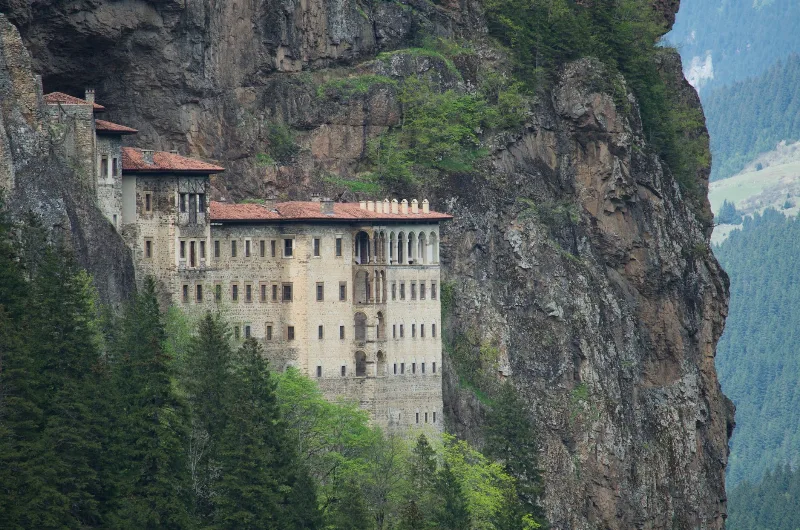
Sümela Monastery is a Greek Orthodox complex cut into a vertical rock face in the Pontic Mountains of Trabzon Province, Türkiye. Its clifftop setting, 4th-century origins and painted rock church make it one of the most distinctive religious monuments in the Black Sea region.
Uzungöl
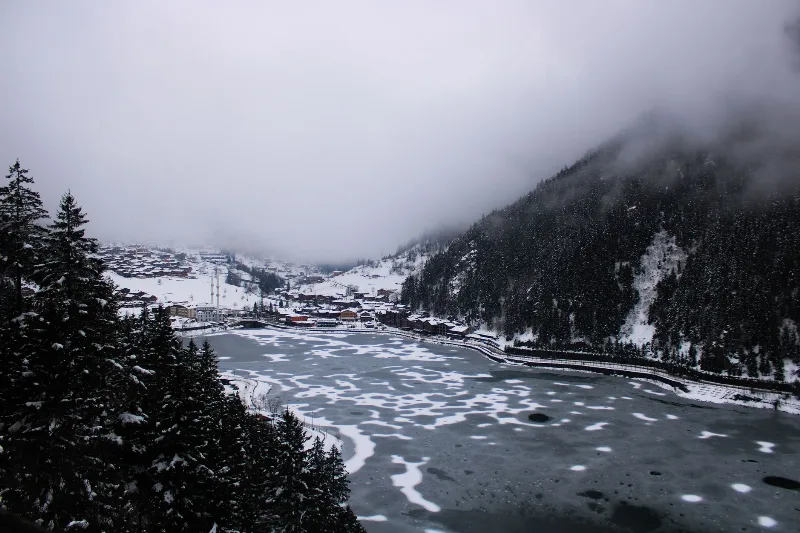
Uzungöl is a highland village in Trabzon's Çaykara district, wrapped around a dark mountain lake held back by a landslide dam and surrounded by dense Black Sea forest.
6-Day Central Black Sea Route
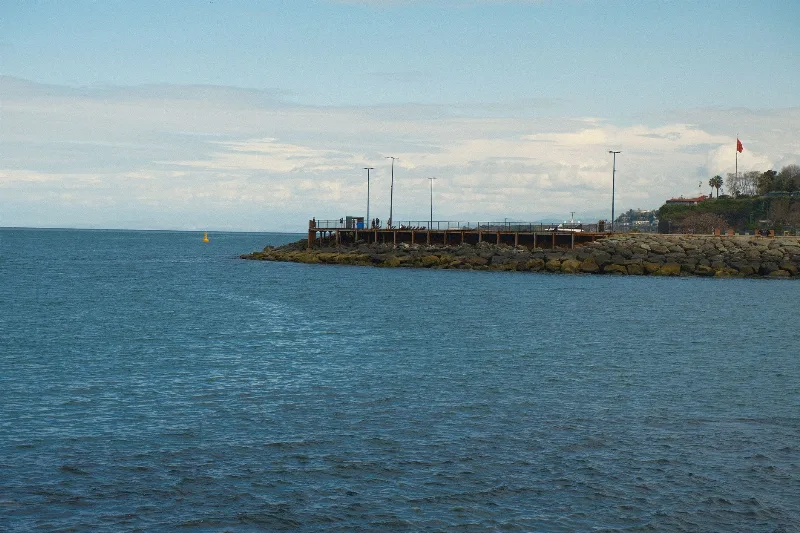
A six-day journey along Turkey's Central Black Sea coast from Samsun to Trabzon, visiting Ordu and Giresun with highland and beach stops.