
Trabzon
Trabzon is a rain-washed port city on Türkiye's eastern Black Sea coast, framed by the cliffside Sumela Monastery and slopes of tea. Byzantine and Ottoman layers sit close to highland valleys just inland.
Trabzon spreads across a narrow coastal shelf in the northeast of Türkiye, where the Black Sea meets mountains that seem to rise almost straight out of the water. It is the biggest city on the country's eastern Black Sea coast and the administrative centre of Trabzon Province, yet it rarely feels like a large metropolis. The sea is almost always in sight, rain comes often, and the slopes behind the city stay green through most of the year, filled with hazelnut groves, cornfields, orchards and, increasingly, tea gardens.
The city's history is unusually deep for this corner of Anatolia. It began as a Greek colony called Trapezus, founded by settlers from Sinope in the 8th century BC, and centuries later served as the capital of the Empire of Trebizond, a Byzantine successor state that survived from 1204 until the Ottoman conquest in 1461. That layered past is still visible in walls, churches and converted monuments standing quietly among apartment blocks, tea houses and busy shopping streets.
A Coastal City Shaped by Rain and Green Hills
The climate defines daily life here. Trabzon has a humid, mild, famously wet climate, with rain spread across the year rather than concentrated in one season. Mornings can begin under low cloud and fog that lifts to reveal wooded ridges, followed by sudden showers and then warm, hazy sunshine. This constant moisture is what makes the surroundings so intensely green and is also why the region became one of the few places in Türkiye where tea can be grown commercially.
The city itself is a working place rather than a resort. Its port handles trade with Georgia and beyond, a large university brings students into the centre, and fishing boats still line the harbour. The centre of gravity is Ortahisar, the historic core, while new districts stretch east and west along the coastal highway. Around the city, towns such as Akçaabat, Yomra, Arsin, Araklı, Sürmene, Of, Maçka, Çaykara, Tonya and Vakfıkebir each have their own character, from fishing settlements on the shore to farming and highland communities inland.
Sumela Monastery and the Altındere Valley
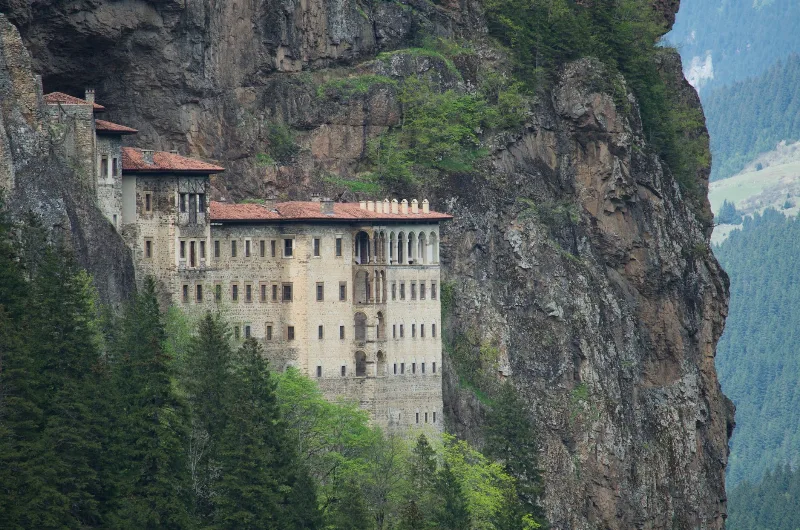
The single most famous sight of the region is Sumela Monastery, cut into a sheer rock face high above the Altındere valley in the Maçka district, roughly an hour's drive from the centre. According to tradition it was founded in the 4th century AD, and over the centuries it grew into a substantial complex of churches, chapels, cells and terraces clinging to the cliff. Its coloured frescoes, rock-cut chambers and dramatic setting make it one of the most striking monuments in Türkiye.
Reaching it involves a climb through forest, first by road and then on foot along paths and steps. The monastery has been affected at times by rockfall and long restoration work, so access has occasionally been limited, and visitors should check locally before planning the trip. The wider valley deserves time as well: it is a national park area of pine and beech forest, streams and picnic spots, with traditional wooden houses in the villages along the way.
Tea Plantations and Highland Villages
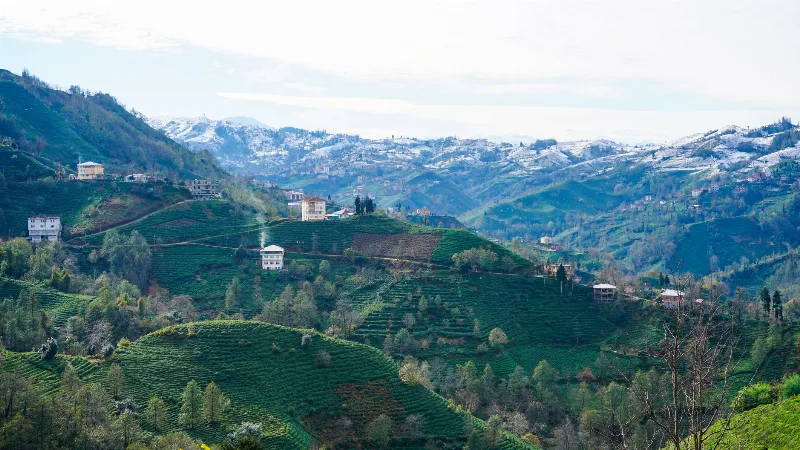
Tea is the other emblem of Trabzon and its neighbours. On the humid slopes east of the city, particularly around Of, Sürmene, Hayrat and onward toward Rize, neat rows of tea bushes cover hillsides that would otherwise be too steep for much else. Harvesting runs from spring into autumn, and small tea factories are a common sight in the valleys.
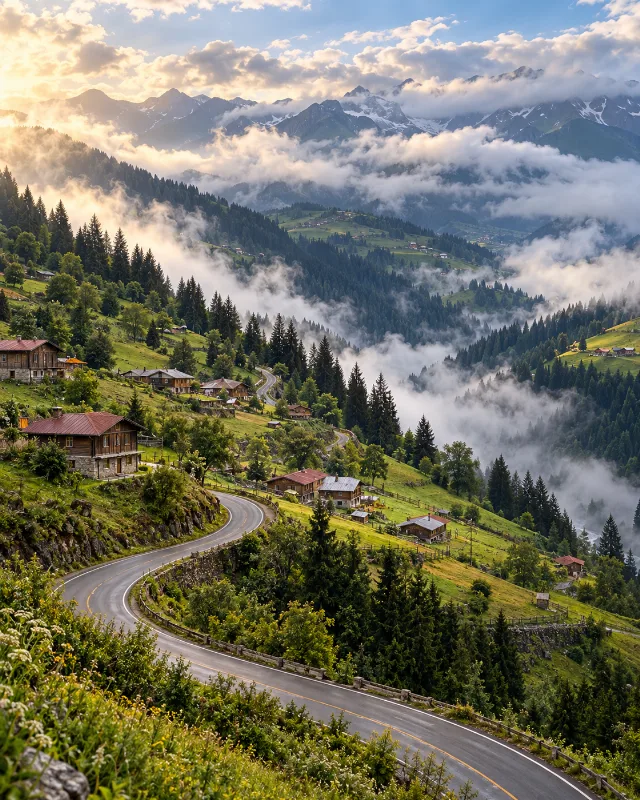
Inland, the landscape changes again. Villages like those in the Çaykara and Maçka districts keep up a strong highland tradition, with families moving up to summer pastures, known locally as yayla, where wooden houses, grazing animals and cool mountain air define the season. Hıdırnebi, Sis Dağı and Erikbeli are among the better known of these highland areas, and summer festivals there draw people from across the region.
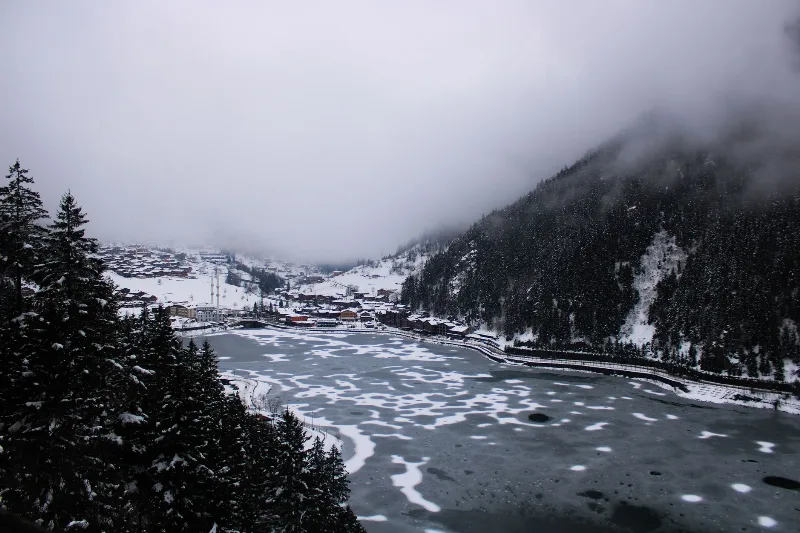
Uzungöl, in the Çaykara district, is the most popular inland destination, a lake formed when a landslide blocked a valley stream. Surrounded by forested slopes and scattered village houses, it is beautiful but heavily visited in summer, when the narrow road can become slow. Closer to the city, Sera Lake near Akçaabat and the large Çal Cave in the Düzköy area offer shorter excursions into the same green, damp landscape.
The Historic Core and Its Monuments
Ortahisar keeps much of the old city inside and around its Byzantine-era walls, which run in sections down toward the sea. The Hagia Sophia of Trabzon, a 13th-century church with fine stone carving and fresco fragments, stands west of the centre and now functions as a mosque, as it has for much of its later history. On the hill of Boztepe, reached by road or by a cable car, the Atatürk Mansion preserves the rooms where the founder of the Turkish Republic stayed during visits in the 1920s and 1930s, and the hill gives the best overall view of the city and the sea.
Other quieter monuments include the Kızlar and Kaymaklı monasteries on the slopes outside the centre, reminders of the city's medieval monastic life. In the commercial heart, the covered market area and the long main shopping street show a livelier, everyday Trabzon of hardware shops, bakeries and tea houses.
Coastline and Beaches
The coastline is not a chain of long sandy beaches. It is mostly a mix of rock, pebble and small stretches of dark sand, backed by the coastal road and, in places, by the city itself. Areas such as Yomra, Kaşüstü and the shore near Akçaabat are where locals swim in summer, and the water stays cool even in the hottest weeks. Swimming is realistic from roughly June to September. Outside that season the sea is a working sea: fishing boats go out for hamsi and other catches, and winter storms send spray over the promenades.
What Trabzon Eats
The local table is built around the Black Sea. Anchovy, known as hamsi, is the signature fish and appears grilled, fried, in rice dishes and even in bread. Akçaabat köfte, a grilled meatball with its own protected style, is the city's best-known meat dish, often served with beans and rice. Kuymak, a rich mixture of cornmeal, butter and cheese, is a highland staple, and Trabzon pide comes topped with cheese, egg or minced meat. Vakfıkebir is famous across the country for its large, dense loaves of bread, while Tonya and the surrounding villages are known for butter, kaymak and other dairy. Sweets include Laz böreği, a layered pastry filled with cream, and in autumn the local persimmons are everywhere.
When to Visit
Late spring and early autumn are the most comfortable periods, with mild temperatures, greener landscapes and fewer crowds. July and August are warm, humid and busy, especially at Uzungöl and along the coast, when visitors from the Gulf arrive in large numbers. Winter is wet and grey in the city, often snowy higher up, and some mountain roads and monastery access can be affected. Rain gear is useful at any time of year.
Places Worth Knowing Nearby
Trabzon works well as a base for the wider northeast. East along the coast lie Rize and, beyond it, the tea country around Çamlıhemşin and Ayder. Inland, the Zigana pass leads toward Gümüşhane and Bayburt and their own mountain scenery. Further east, Artvin and the Georgian border sit within reach, and the Georgian city of Batumi is a common onward stop. Each of these places has a distinct character, but they share the same steep, rain-fed, forested world that makes this stretch of the Black Sea coast unlike anywhere else in Türkiye.
Discover Food in Türkiye
All food →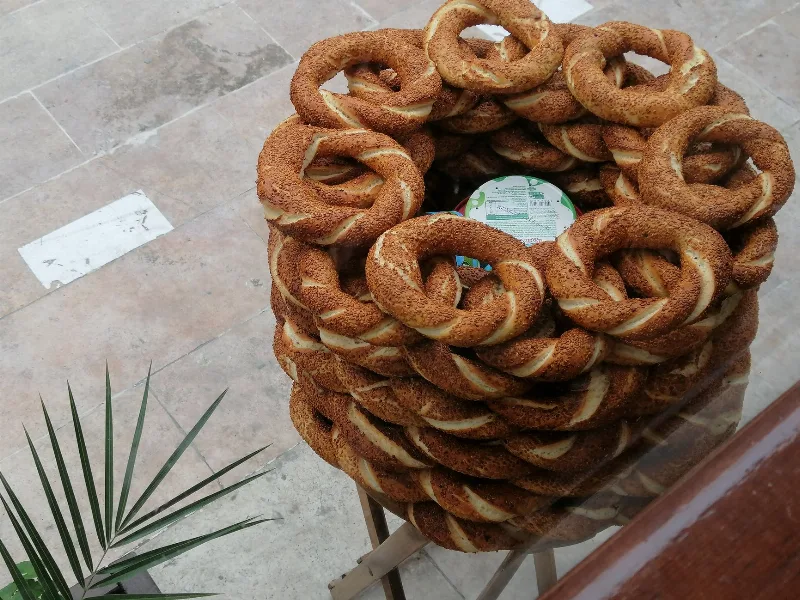
Simit
Simit is a ring-shaped Turkish bread covered in sesame seeds, strongly associated with Istanbul and sold as everyday street food. It is eaten fresh, most often with tea, and has a crisp crust around a chewy crumb.
Explore →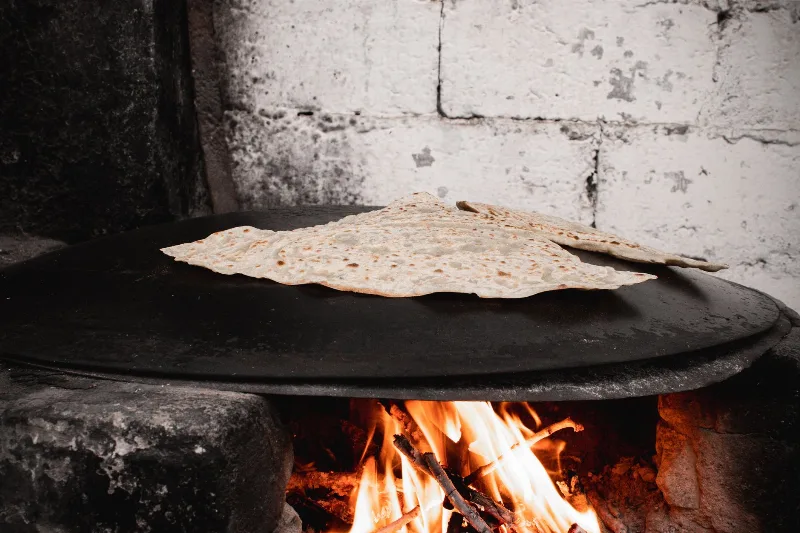
Bazlama
Bazlama is a soft, thick Turkish flatbread made from a leavened dough and cooked on a hot griddle. It is a staple of village baking across Anatolia, eaten warm with butter or used to wrap other foods.
Explore →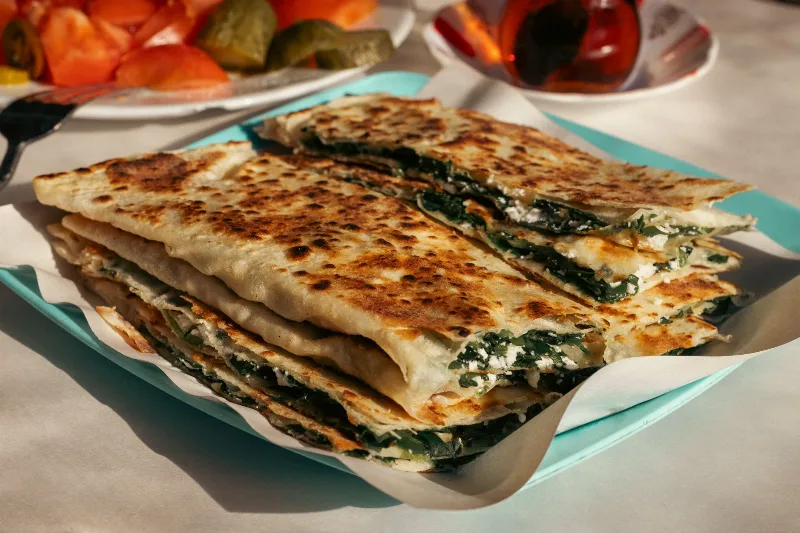
Gözleme
Gözleme is a thin, hand-rolled Anatolian flatbread folded around savory fillings such as cheese, spinach, or minced meat and cooked on a sac griddle. The article covers its regional variations, cooking method, texture, and traditional serving style.
Explore →Related content
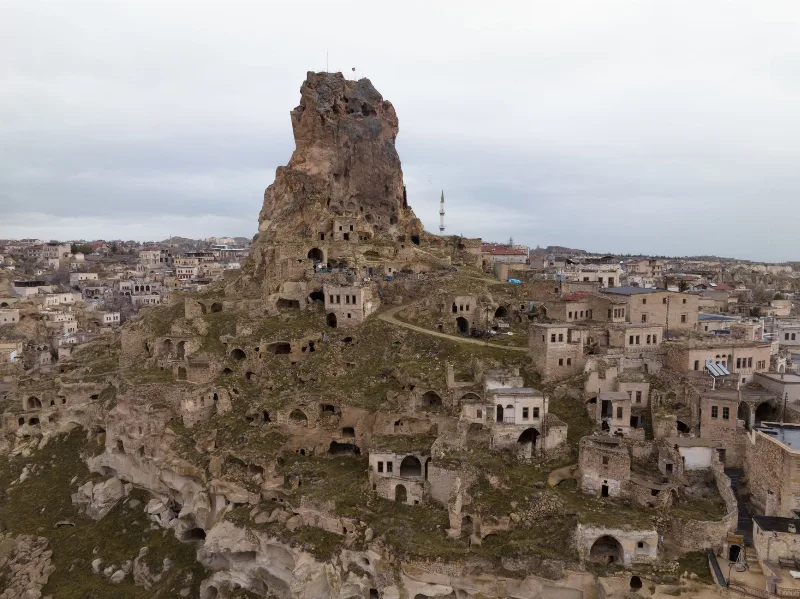
Ortahisar
Ortahisar is a small Cappadocian town in Nevşehir Province, built around a massive rock castle and shaped by carved cave houses, stone streets and old storage tunnels.
Rize
Rize is the capital of Rize Province on Türkiye's northeastern Black Sea coast, a city shaped by tea plantations, steep forested slopes and the high plateaus of the Kaçkar Mountains further inland.
Uzungöl
Uzungöl is a highland village in Trabzon's Çaykara district, wrapped around a dark mountain lake held back by a landslide dam and surrounded by dense Black Sea forest.
5-Day Eastern Black Sea Route
A five-day journey from Trabzon through Uzungöl, Rize, Çamlıhemşin, Ayder, Borçka and Şavşat, combining Black Sea culture with forests, lakes and highlands.
7-Day Eastern Black Sea Highlands Route: Trabzon to Artvin
A seven-day driving route through the Eastern Black Sea highlands, from Trabzon and Sumela to Uzungöl, Ayder, the Kaçkar Mountains and the forests of Şavşat, ending at Artvin.
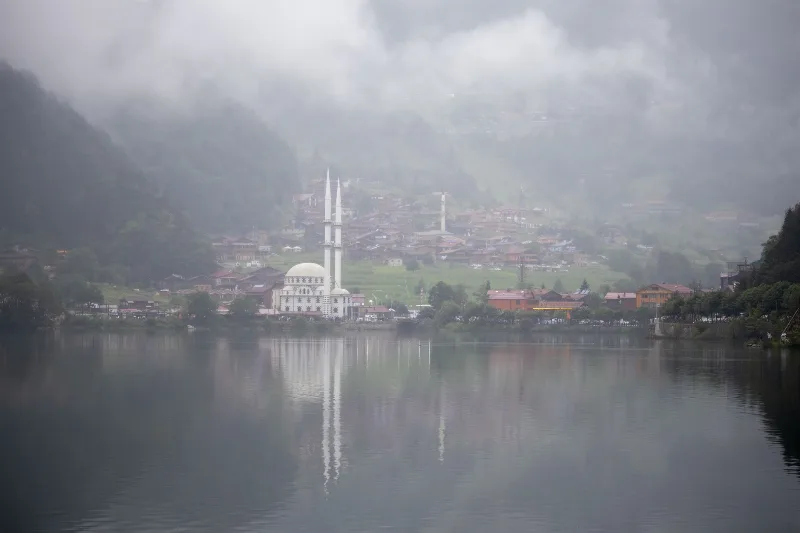
Uzungöl and Surrounding Nature
Uzungöl is a forest-fringed mountain lake in Trabzon province, where the green highlands of Türkiye's Black Sea region meet mist, timber villages and quiet valleys.