
Datça Almond Orchards and Olive Oil Tradition in Muğla
The Datça peninsula in Muğla pairs a dry, wind-shaped landscape with almond orchards and a long-established olive-oil culture. Its groves, terraces and seasonal harvests reveal a quieter side of the Aegean.
Stretching westward from the Muğla coast, the Datça peninsula is a long, narrow finger of land where rocky ridges meet the sea and the climate stays markedly dry. This aridity, together with steady winds and thin soils, has shaped a farming culture built around two resilient crops: almonds and olives. Datça is often associated with its coastline, yet the interior tells another story, one of terraced orchards, stone-walled groves and small presses that have supported village life for generations.
A Peninsula Shaped by Dry Winds and Thin Soil
The peninsula runs roughly east to west, with a sheltered northern shore and a more rugged southern edge facing open water. Low hills and rocky slopes rise between the two, covered in maquis shrubs, thyme and scattered pines. Rainfall is limited and water has always been precious, so farmers have favoured plants that tolerate drought. Almond and olive trees suit this environment well: both send deep roots into stony ground and produce dependable harvests without heavy irrigation. Dry-stone terraces, built to hold soil on sloping land, remain one of the peninsula's most distinctive features and give the countryside its characteristic stepped pattern.
Almond Orchards in Flower
Almond orchards are a defining element of the Datça landscape. Trees are planted on terraces and gentle slopes, often close to villages, and their pale pink and white blossom appears in late winter, well before most other fruit trees wake. For a few weeks the bare, grey countryside is covered in soft colour, and beekeepers bring hives so that bees can work the early flowers. By summer the green husks split open and the nuts are harvested, dried on cloths or flat roofs, and stored for the year. Local kitchens use them in sweets, biscuits and nut pastes, while fresh green almonds are eaten in spring with a little salt. The almond is not simply a crop here; it marks the turning of the year.
The Olive Oil Tradition of Muğla
Olive growing has an equally long history across Muğla, and the Datça peninsula contributes to that wider tradition with groves tucked between hills and coves. Trees are often old and gnarled, some standing in small family plots rather than large plantations. Harvest begins in late autumn and continues through the winter, with families spreading nets beneath the branches and picking by hand or with small combs. Fruit is taken to nearby pressing houses soon after picking, because delay affects the quality of the oil. Early-picked olives give a green, peppery oil that is prized for dipping and dressing, while riper fruit yields a milder oil used for everyday cooking. In many villages, oil is still made in quantities for household use as well as for sale, and the annual pressing is a social occasion as much as an agricultural one.
Seasonal Rhythms and Village Life
The farming calendar gives the peninsula its rhythm. Almond blossom draws visitors in late winter, spring brings wild greens and the first fieldwork, summer is the season of drying and storing, and the olive harvest dominates the cooler months. Villages such as Eski Datça, with their stone houses, walled courtyards and narrow lanes, reflect this agricultural life; roofs and terraces are used for drying produce, and courtyards often hold a press or a storage room. Local markets sell almonds, olive oil, olives, honey and herbs, offering a practical snapshot of what the land produces.
Walking Among the Groves
Walking is one of the best ways to understand the peninsula's agriculture. Footpaths pass through olive groves and almond terraces, crossing dry stream beds and climbing to viewpoints over both coasts. The scent of thyme and pine follows the trails, and dry-stone walls divide one small holding from the next. Visitors who walk in spring see the blossom and the first wild flowers; those who come in autumn see nets spread beneath the trees and the beginning of the harvest. In every season, the combination of almonds and olives gives Datça a rural character that sits quietly alongside its better-known shores.
Related content
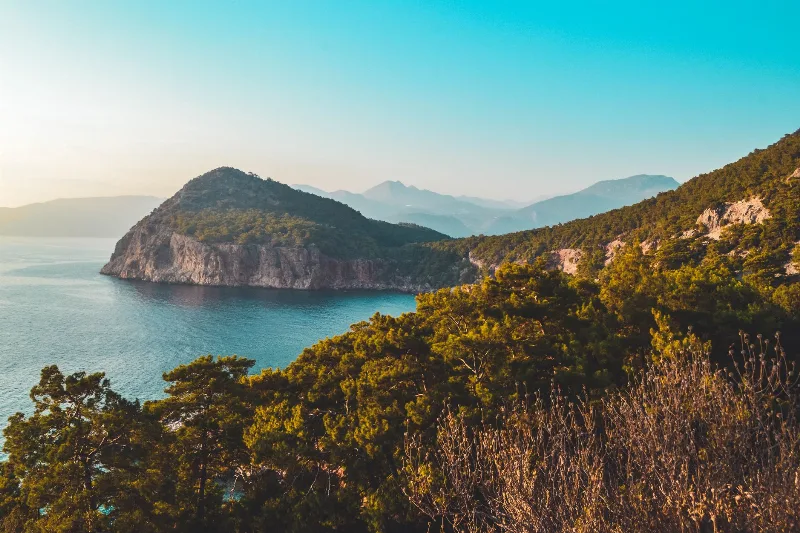
Datça
Datça Peninsula offers serene beaches, lush almond groves, and unspoiled beauty, making it a unique getaway in Türkiye.
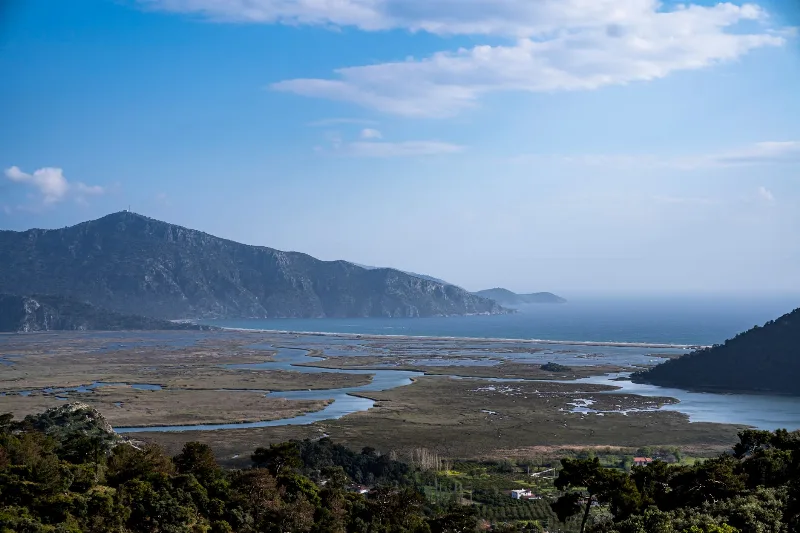
Muğla
Muğla is a captivating province in southwestern Türkiye, renowned for its stunning Aegean coastline and rich cultural heritage.

Datça Almonds
Datça almonds are the almonds grown on the Datça peninsula in Muğla province, southwestern Türkiye, where mild Mediterranean winters, sea air and rocky, well-drained slopes have shaped a local almond-growing tradition centred on sweet, firm kernels.
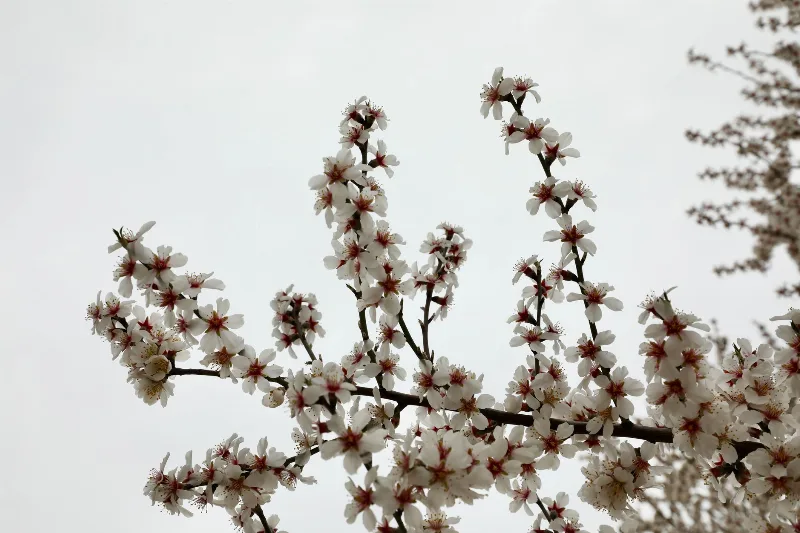
Almond Blossom in Datça, Muğla
On the Datça Peninsula in Muğla, Türkiye, almond trees flower in late winter, usually across February and March. The brief pink-and-white bloom is the peninsula's earliest and most visible sign that spring is arriving.
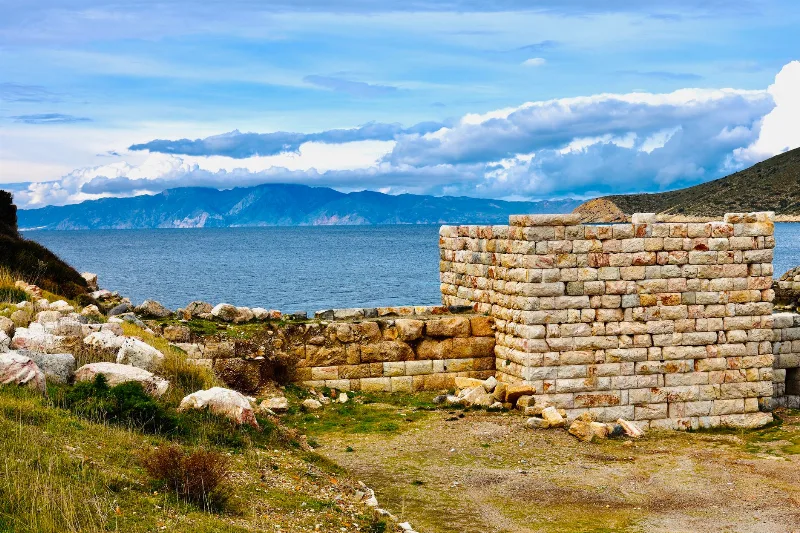
The Ancient City of Knidos at the Datça Peninsula
Where the Datça Peninsula narrows into a rocky point in Muğla, the ruins of Knidos spread across two harbours, carrying the memory of a busy trading city and a statue that drew travellers across the ancient world.
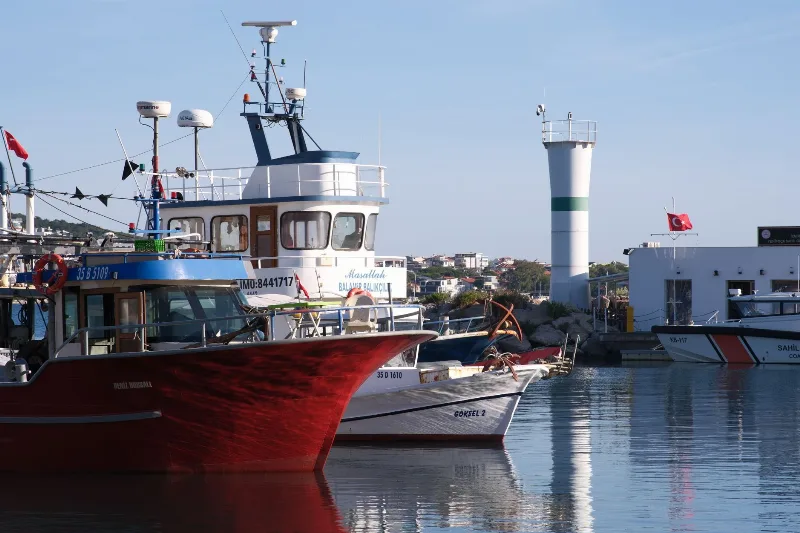
The Traditional Fishing Villages of the Aegean
The Aegean coast of Türkiye is lined with small fishing villages where wooden boats, olive groves and seafood shape a quiet maritime way of life.
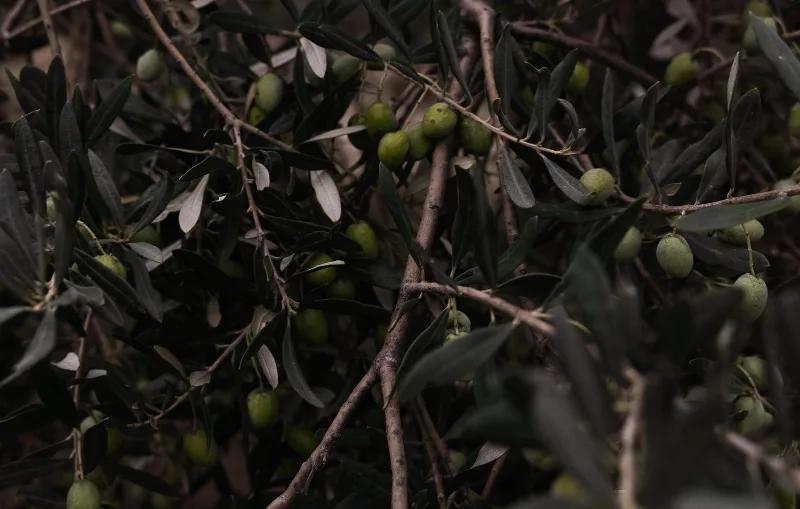
The Lush Olive Groves of Aegean Türkiye
Silver-green groves stretch along the Aegean coast of Türkiye, shaping the region's landscape, cuisine and seasonal traditions from Ayvalık to Bodrum.
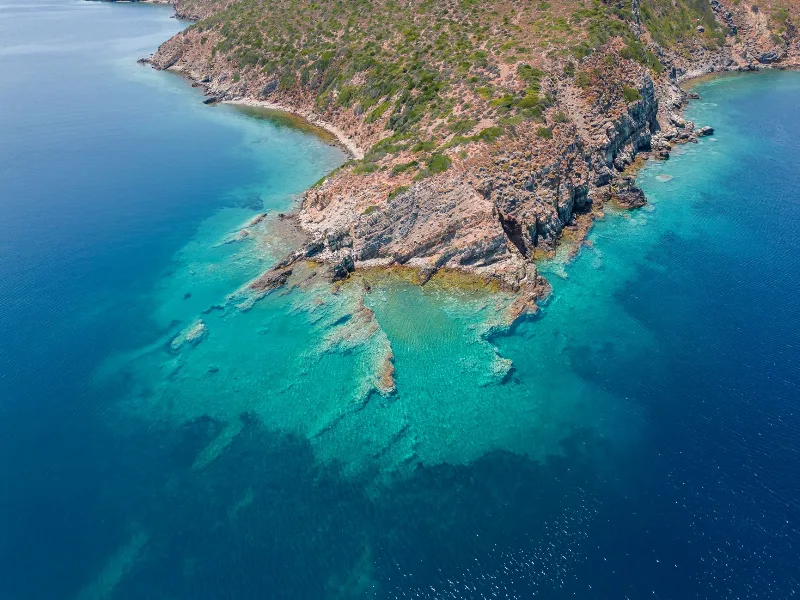
Sailing the Turquoise Coast
The Turquoise Coast follows the southwestern shoreline of Türkiye, where sheltered bays, pine hills and clear water meet. This page explores how sailing and boat trips reveal its landscapes, islands and ancient harbours.