
Datça Almonds
Datça almonds are the almonds grown on the Datça peninsula in Muğla province, southwestern Türkiye, where mild Mediterranean winters, sea air and rocky, well-drained slopes have shaped a local almond-growing tradition centred on sweet, firm kernels.
Datça almonds are the almonds cultivated on the Datça peninsula, the long, mountainous finger of land that reaches west from the coast of Muğla province in southwestern Türkiye, separating the Gulf of Gökova from the open Aegean. The peninsula has been identified with two tree crops for generations: olives and almonds. Almond trees shape the look of the Datça countryside in late winter, when the slopes turn white with blossom well before most other fruit trees come into leaf. The peninsula's mild, dry Mediterranean character, its clean sea air and its thin, stony, fast-draining soils explain why almond growing took root here and why it has remained part of the local agricultural identity.
Why the Datça Peninsula Suits the Almond Tree
The almond (Prunus dulcis) is one of the earliest flowering nut trees, and that habit makes it vulnerable wherever late frosts are common. Datça's maritime setting moderates winter and early spring temperatures, so the peninsula rarely experiences the hard, late cold snaps that can strip a blossoming almond orchard of its crop. At the same time, winters are cool enough to give the trees the dormant chill they need to break bud evenly and flower reliably.
Summers on the peninsula are long, hot and dry, with very little rainfall between spring and autumn. Almonds tolerate this well. The tree is naturally adapted to drought, sending deep roots into the ground and closing down growth during the driest weeks while the kernels ripen. The rocky, calcareous and often shallow soils of Datça drain quickly, which suits a species that dislikes waterlogged ground far more than it dislikes a lack of water. Salt-laden breezes blowing off the sea keep humidity low across much of the peninsula, reducing the pressure from fungal diseases that trouble nut trees in damper regions.
Where Almonds Are Grown Around Datça
Almond orchards are scattered across the peninsula, from the slopes around the town of Datça itself to the villages and valleys further west toward Knidos and the smaller settlements along the northern and southern shores. Trees are commonly planted on terraced hillsides and gentler slopes, sometimes interplanted with olives, which follow much the same logic of drought tolerance and stony ground. A good deal of the growing area lies at low elevation, close to the coast, which keeps the trees warm through the winter and early spring.
Because almond trees here are often raised from seed rather than multiplied from a single grafted clone, the orchards are not uniform. Individual trees can differ slightly in flowering time, shell thickness and kernel size. This variation is part of the character of the peninsula's almond crop and reflects a long-standing, small-scale, family-based approach to cultivation rather than industrial planting.
The Growing Cycle: Blossom, Kernel and Harvest
Flowering on the Datça peninsula generally begins in late winter, with the earliest trees opening in February and the display continuing into March. Almond blossom appears on bare branches before the leaves emerge, giving the hillsides their brief white and pale pink flush. Bees and other insects moving between the early flowers handle pollination, which is why the timing of the bloom matters so much to the size of the year's crop.
Once the flowers are pollinated, the green fruit develops through spring. Inside the fleshy outer hull, the shell hardens and the kernel fills out over the following months. By late summer the hulls begin to split and dry, signalling that the nuts are ready. Harvest on the peninsula usually takes place from late summer into early autumn, when the crop is knocked or shaken from the trees, gathered from the ground, and the outer hulls removed. The nuts are then spread out to dry in the sun, a step that brings the kernels down to a stable moisture level so they can be stored through the winter.
Green Almonds and Dried Almonds
Datça's almond season is experienced in two distinct stages. In spring, while the shell is still soft and the kernel inside is milky and tender, green almonds are picked and eaten fresh. This early harvest is a familiar seasonal pleasure across the Aegean and Mediterranean coasts, eaten simply with a little salt, and it links the almond orchards directly to the spring table of the region.
Later in the year the focus shifts to the mature, dried nut. The dried almonds of Datça are valued for a sweet, rounded flavour without the harsh bitterness found in some almond types, and for a firm, dense kernel that holds its texture. The shell tends to be relatively hard, protecting the nut well during storage. Because the dried crop keeps for months in cool, dry conditions, it has traditionally been a way for peninsula households to carry part of the summer harvest into winter.
How Datça Almonds Are Used
Fresh green almonds are eaten on their own in spring, while dried kernels are used in a wide range of local preparations. They appear in baked goods and sweets, are crushed or ground to add body and richness to desserts, and are used to finish rice dishes and other festive foods. Almonds also accompany dried fruit and cheese on the mezze-style tables of the region, and almond-based confections are part of the area's sweet-making tradition. Beyond the kitchen, the trees provide a modest but meaningful income for small growers and give the peninsula a crop that matures in the driest part of the year, when other cultivation is limited.
Almonds in the Landscape and Identity of the Peninsula
Together with olives, almonds give the Datça peninsula much of its agricultural character. The orchards are small, family-run, and woven into the steep terrain rather than laid out in vast blocks, so the crop is closely tied to the places where it grows. The annual cycle of blossom in late winter, green almonds in spring and the dried harvest at the end of summer sets a rhythm that residents and visitors alike associate with the peninsula. For anyone trying to understand what grows on the Datça peninsula and why, the almond tree is one of the clearest answers: a crop matched to a dry, mild, sea-washed corner of Muğla where few other nut trees would thrive so naturally.

Boyoz
A flaky baked pastry closely associated with İzmir and commonly eaten as part of breakfast.
Explore →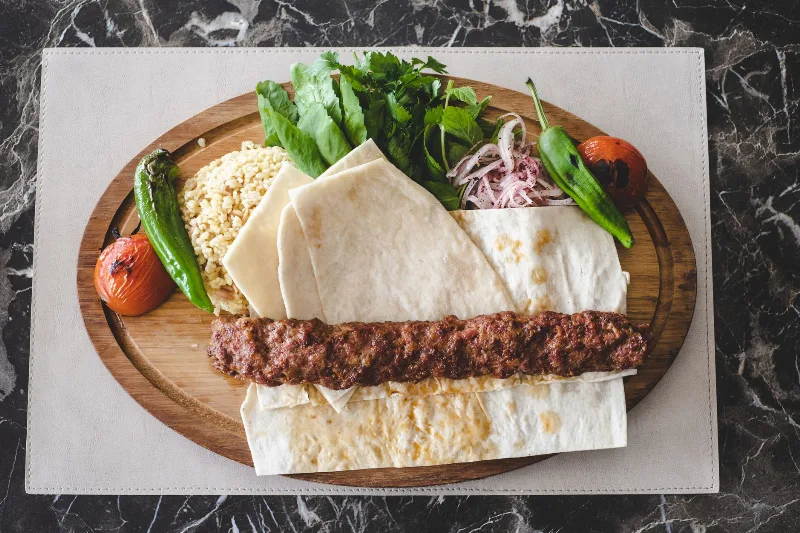
Adana Kebap: Spicy Hand-Minced Lamb Kebab from Adana
Adana kebap is a charcoal-grilled minced lamb kebab from the Çukurova plain, defined by hand-chopped meat, tail fat and generous chilli heat. This article explains its ingredients, preparation, flavour and how it differs from Urfa kebap.
Explore →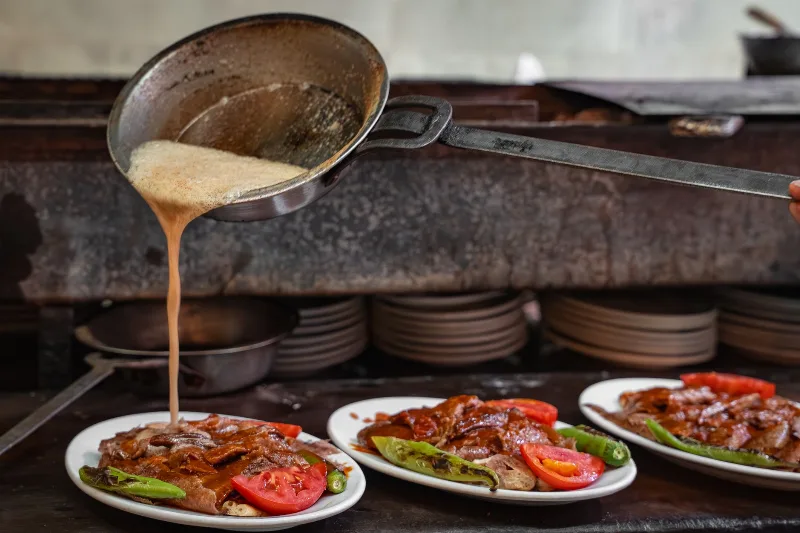
İskender Kebabı
İskender Kebabı is a Bursa dish made of sliced döner kebab laid over pieces of pita bread, dressed with warm tomato sauce and melted butter, and served with yogurt on the side.
Explore →Related content
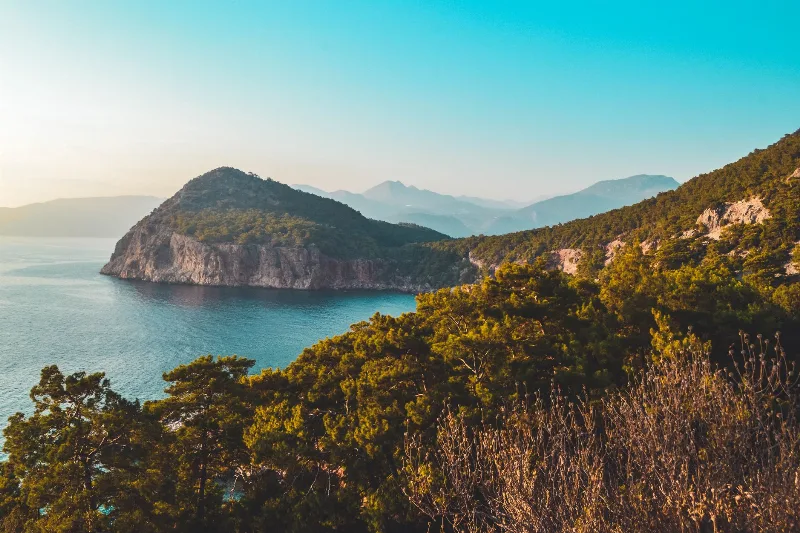
Datça
Datça Peninsula offers serene beaches, lush almond groves, and unspoiled beauty, making it a unique getaway in Türkiye.
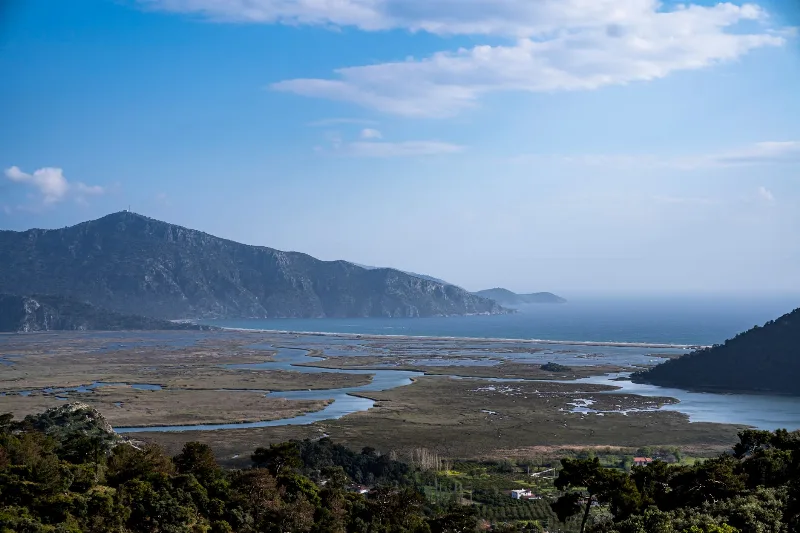
Muğla
Muğla is a captivating province in southwestern Türkiye, renowned for its stunning Aegean coastline and rich cultural heritage.
Datça Almond Orchards and Olive Oil Tradition in Muğla
The Datça peninsula in Muğla pairs a dry, wind-shaped landscape with almond orchards and a long-established olive-oil culture. Its groves, terraces and seasonal harvests reveal a quieter side of the Aegean.
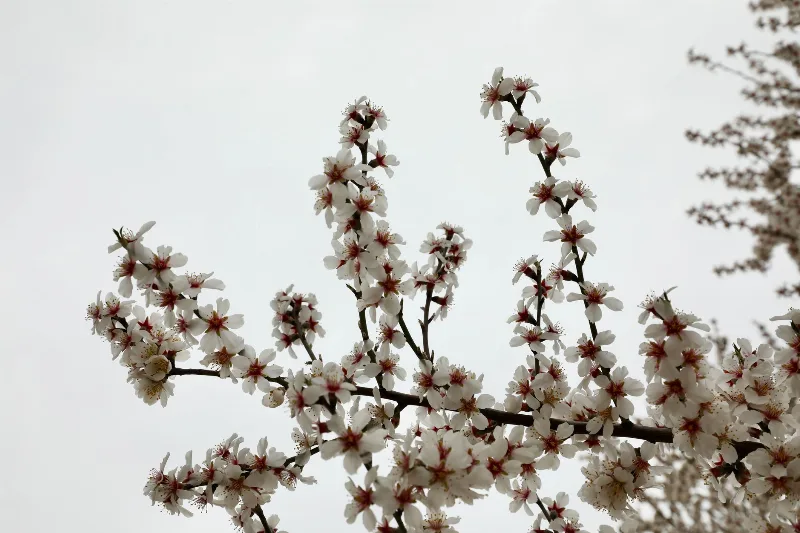
Almond Blossom in Datça, Muğla
On the Datça Peninsula in Muğla, Türkiye, almond trees flower in late winter, usually across February and March. The brief pink-and-white bloom is the peninsula's earliest and most visible sign that spring is arriving.
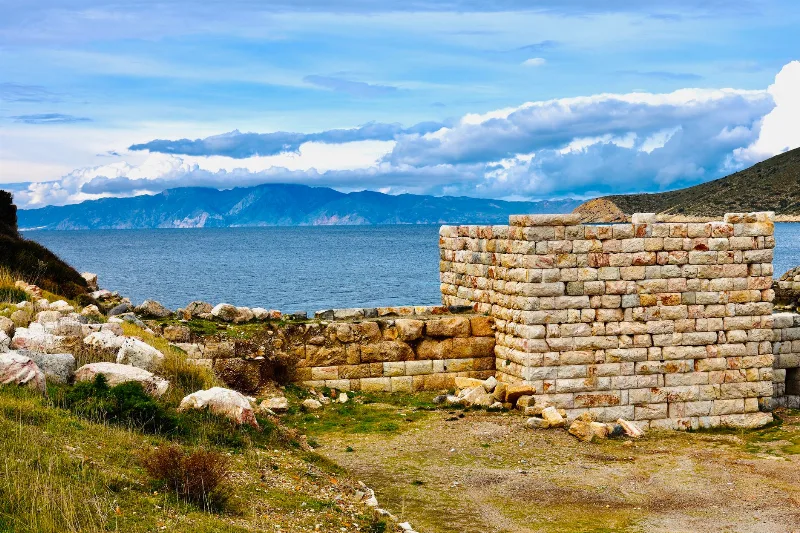
The Ancient City of Knidos at the Datça Peninsula
Where the Datça Peninsula narrows into a rocky point in Muğla, the ruins of Knidos spread across two harbours, carrying the memory of a busy trading city and a statue that drew travellers across the ancient world.
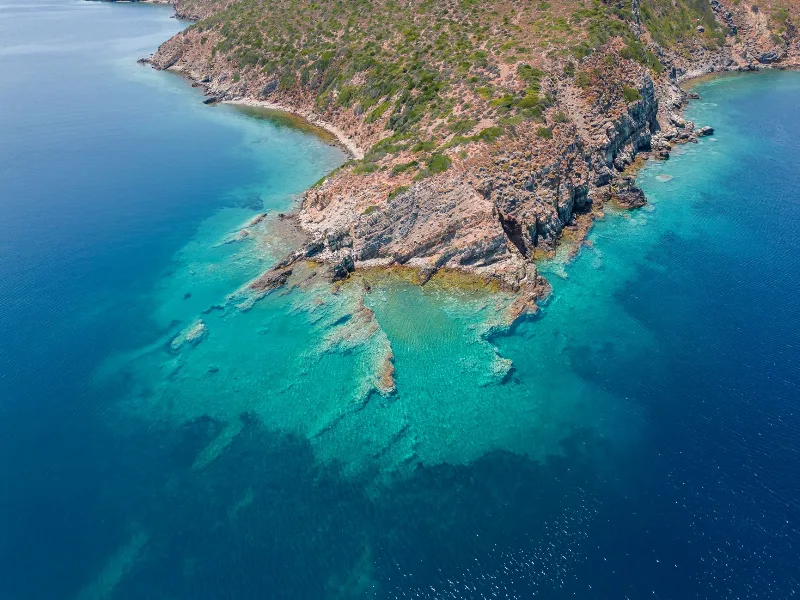
Sailing the Turquoise Coast
The Turquoise Coast follows the southwestern shoreline of Türkiye, where sheltered bays, pine hills and clear water meet. This page explores how sailing and boat trips reveal its landscapes, islands and ancient harbours.