
Kuzu Tandır
Kuzu tandır is slow-roasted lamb cooked in a sealed clay tandır oven, a method strongly associated with eastern Anatolia, especially Erzurum, that yields crisp, browned skin and very tender, juicy meat.
Kuzu tandır is a slow-roasted lamb dish from Anatolian Turkish cooking. A whole young lamb, or a large cut such as a leg or shoulder, is lowered into a tandır — a clay oven, often a pit dug into the ground or built into a stone hearth — that has first been heated with wood. The opening is sealed and the meat cooks for many hours in the retained heat, emerging very tender and moist inside with a browned, slightly crisp exterior. The dish is closely associated with eastern and central Anatolia, and it is especially identified with Erzurum, where tandır kebabı is a long-established local specialty. The ingredient list is deliberately short: lamb, salt, and often onion, garlic or a little black pepper, with no added liquid.
What Kuzu Tandır Actually Is
The name combines kuzu, meaning lamb, with tandır, the clay oven and the cooking method. It refers both to the technique and to the resulting dish, which is a form of covered, dry-heat roasting rather than grilling or spit-roasting. Because a whole animal is often used, kuzu tandır sits somewhere between an everyday meal and a dish prepared for a crowd, and in many places it is still made when enough people will be gathered to eat it.
The Tandır Oven and How It Shapes the Dish
A tandır is a cylindrical clay chamber, usually sunk into the ground or built into a masonry base, with an opening at the top. A wood fire is burned inside until the clay walls are thoroughly hot, after which the embers are managed and the oven is used either as an open bread oven or as a sealed, closed-heat oven. For kuzu tandır, the meat is hung or placed inside, the mouth is covered, and the seams are commonly sealed so that heat and steam stay trapped. This closed environment is what distinguishes the dish: the lamb cooks in its own moisture and fat, and the outside dries and browns against the hot clay rather than being exposed to an open flame.
The same type of oven is used across Anatolia for flatbreads such as tandır ekmeği and for other slow-cooked meats, so tandır cooking is a shared regional technique rather than a single recipe. In villages, one tandır was often shared among neighbouring households.
Main Ingredients and What Goes Into the Oven
Traditionally, the lamb is the only essential component. The animal may be left whole, or cut into large pieces, and it is rubbed with salt and sometimes with crushed onion and garlic, black pepper or a mild red pepper. Some cooks add a little water or the lamb's own rendered fat to the bottom of the tandır so the meat does not dry, while others rely entirely on the fat that renders out during cooking. Ingredients beyond salt and aromatics vary considerably from family to family and from town to town.
Traditional Preparation
The oven is fired first, usually with wood, and brought to a strong, even heat before the lamb goes in. The meat is seasoned, then lowered into the tandır, sometimes suspended on hooks or resting on a rack above the base. The top is closed with a metal lid or a clay cover, and the edges are sealed, often with a paste of clay or dough. The lamb is then left undisturbed for many hours until the meat pulls away from the bone easily. When the seal is broken, the oven is opened and the meat is removed, often cut or pulled into pieces while still hot. This is not a quick method; the long, sealed cooking is the whole point of the dish.
Texture, Flavour and Appearance
Well-made kuzu tandır has two distinct textures at once: a dark, crisp, slightly glazed outer layer where the meat touched the hot clay or dried in the enclosed heat, and a soft, fibrous interior that separates without resistance. The flavour is concentrated and meaty, with a faint smokiness from the wood-fired oven and a richness from the rendered fat. Salt and the natural sweetness of lamb dominate; heavily spiced versions are less common than plainly seasoned ones. Visually, the meat is deep brown to almost mahogany on the outside and pale and juicy when broken open.
How It Is Served
Kuzu tandır is usually served over or alongside flatbread, which absorbs the fat and juices. Warm pide, lavash or tandır ekmeği are typical. It is frequently accompanied by sumac-dusted onion salad, a simple tomato and pepper salad, ezme, grilled long peppers and tomatoes, and yoghurt or ayran. Bulgur pilaf may appear as a side at larger meals. In Erzurum, the meat is often chopped and arranged over bread with the pan juices poured over it.
Erzurum and Regional Identity
Erzurum is the city most strongly linked to tandır-cooked lamb in modern Turkish food culture, and its version is commonly called tandır kebabı. The city's cold, high-altitude climate and its long tradition of clay-oven baking help explain why the method took firm root there. Other eastern and central Anatolian provinces also cook lamb in tandır, so the dish is best understood as a regional family of methods rather than the property of one place.
Related but Distinct Dishes
Kuzu tandır should not be confused with kuzu çevirme, which is roasted on a rotating spit over an open fire, nor with fırın kebabı, in which lamb and vegetables are baked together in a covered pan in a conventional oven. It also differs from büryan, a pit-roasted lamb associated with Siirt and Bitlis, which uses a deep underground well oven and is served in a distinct style. All are slow-cooked lamb dishes, but the closed clay tandır gives kuzu tandır its specific texture and flavour.
When It Is Eaten
Because it requires a large animal and a long cooking period, kuzu tandır is often prepared for gatherings — weddings, religious holidays, family celebrations and communal meals — rather than as a quick weekday dish. In some regions a tandır meal is a collective undertaking, with several households sharing the oven and the work. This social dimension is part of the dish's identity as much as its flavour.
Related content
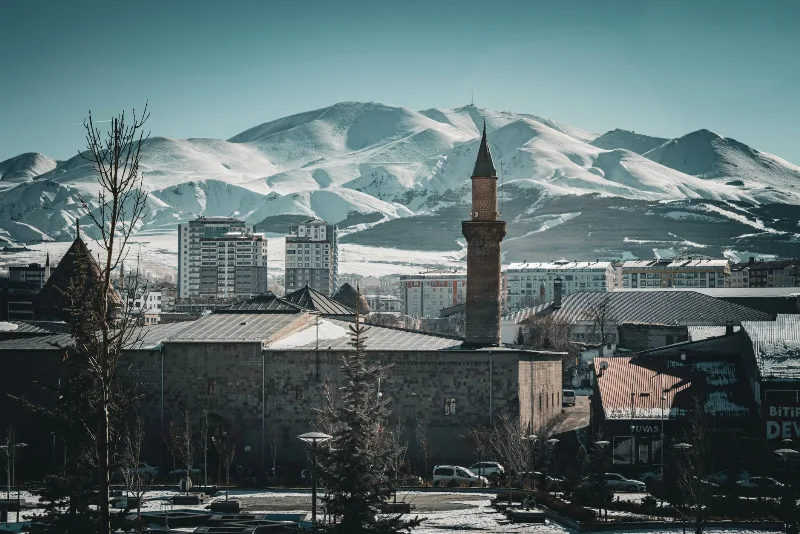
Erzurum
Erzurum is a high-plateau city in eastern Türkiye and the capital of its province, set at roughly 1,900 metres among mountains. It is known for severe winters, the long ski season on Palandöken and a historic centre of Seljuk and Ottoman monuments.
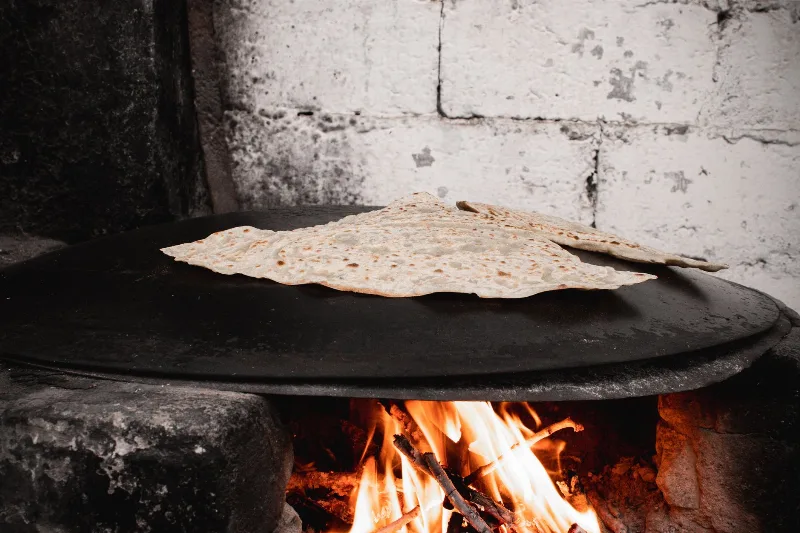
Bazlama
Bazlama is a soft, thick Turkish flatbread made from a leavened dough and cooked on a hot griddle. It is a staple of village baking across Anatolia, eaten warm with butter or used to wrap other foods.
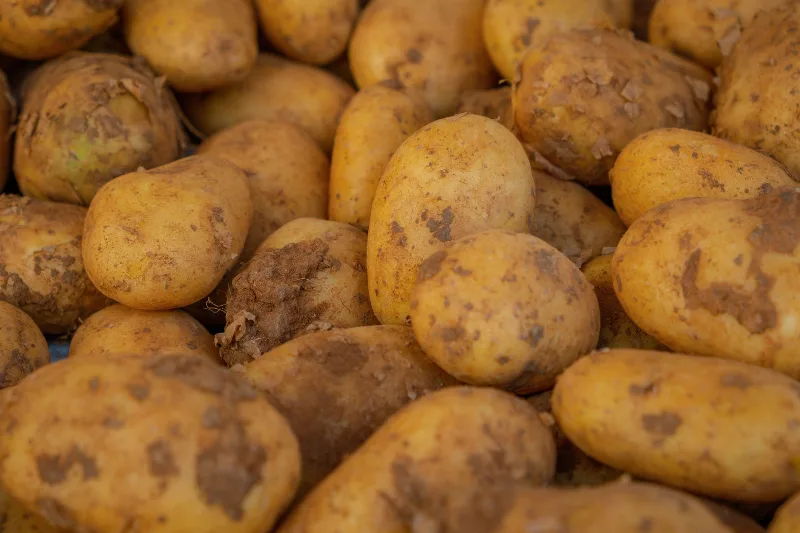
Erzurum Potatoes
Erzurum potatoes are highland potatoes from Erzurum province in Eastern Anatolia, shaped by cool summers, volcanic soils and a short growing season. They are known for their starch-rich texture and full flavour.
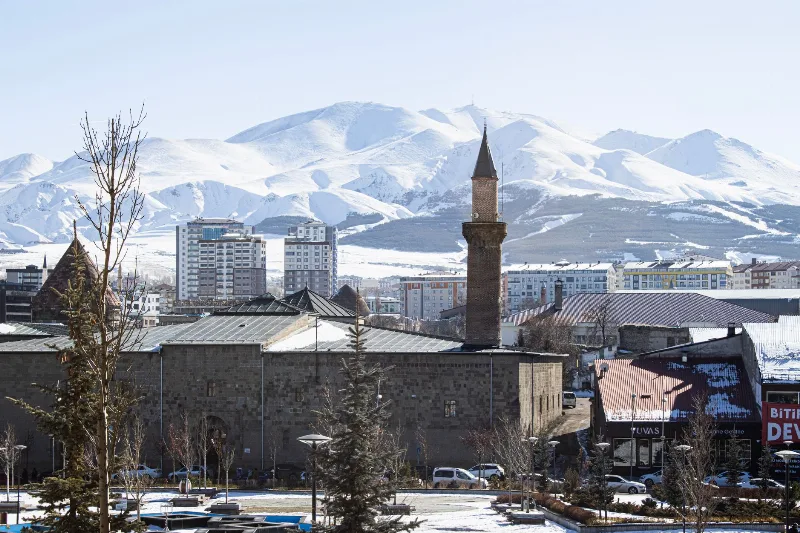
Skiing Escapades in Erzurum
Erzurum is a high-elevation city in eastern Türkiye where long winters and dependable snowfall support skiing and winter sports. Its mountain slopes, historic landmarks and cold-weather cuisine give a snow adventure here a distinct character.
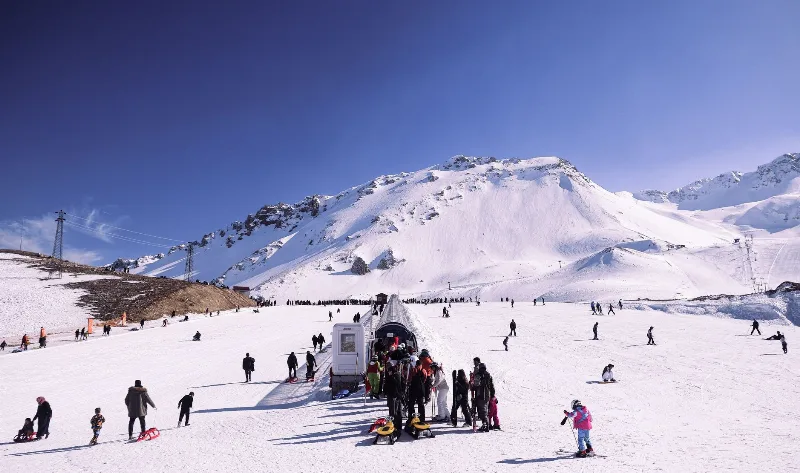
Snow Season in Palandöken, Erzurum
Palandöken, the mountain rising above Erzurum in eastern Türkiye, holds a long snow season that typically runs from December to March. Its dry, cold continental climate produces light powder snow, which is why the area has become one of the country's main winter sports destinations.
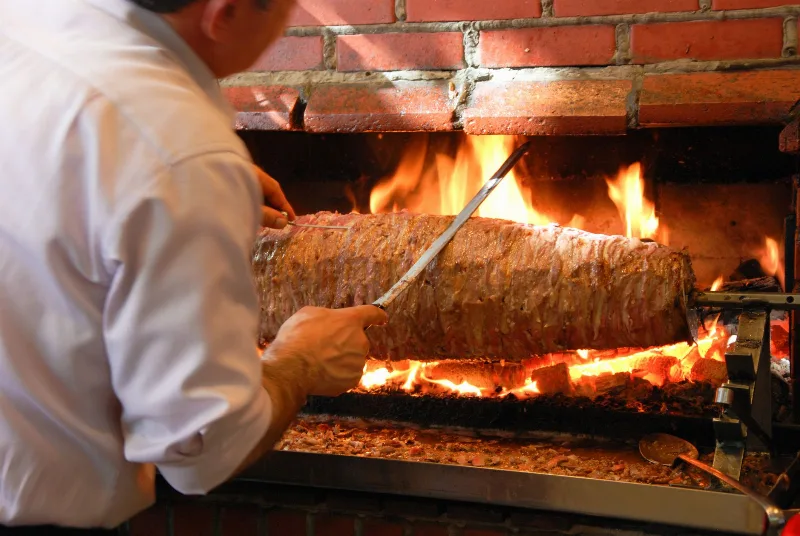
Cağ Kebabı
A regional lamb kebab from Erzurum, Cağ Kebabı is cooked on a horizontal rotisserie and served on skewers. Its tender, juicy meat and simple accompaniments make it a celebrated dish in eastern Turkey.