
Antep Pistachios
Antep pistachios are the pistachios of Gaziantep and its surrounding plateau in southeastern Türkiye, a nut shaped by hot, dry summers and stony, limestone-rich ground.
Antep pistachios are the pistachios produced around Gaziantep, a province in southeastern Türkiye whose name is inseparable from the nut. The tree behind them is Pistacia vera, and the local growing area extends across the dry, elevated plateau that surrounds the city and reaches into neighbouring parts of the wider region. What ties the product so firmly to this place is not simply history but terrain: the long, hot, rain-scarce summers and the shallow, calcareous, stone-strewn soils of the Gaziantep plateau suit pistachio trees unusually well, and the nut has been part of the local agricultural landscape for many generations.
Where Antep Pistachios Grow
Gaziantep sits in southeastern Türkiye at the western edge of a broad plateau, and pistachio orchards are found both close to the city and across the surrounding countryside, where they often occupy ground too dry or too stony for more demanding crops. The same nut is also cultivated in neighbouring provinces of the southeast, including Şanlıurfa and Adıyaman, and further east around Siirt, where a separate local tradition of pistachio growing exists. Within this belt, however, Gaziantep is the name most closely attached to the pistachio, and the term "Antep pistachio" is used well beyond the province itself.
Why the Climate and Soil of Gaziantep Suit Pistachios
Pistachio is a drought-hardy tree that prefers a long, hot, dry summer and a distinct winter cold season. Gaziantep provides both. Summers are hot and largely rainless, so the trees ripen their nuts under strong sun and low humidity, conditions that discourage the fungal problems that plague nut crops in wetter climates. Winters are cold enough to give the trees the chilling they need to break dormancy and flower properly in spring.
The soils matter as much as the weather. The plateau around Gaziantep is largely made up of limestone-derived ground, often thin, rocky and well drained. Pistachio roots penetrate deeply and tolerate poor, alkaline, stony soils where many fruit trees would struggle. Because the trees can be grown on rain-fed hillsides with little or no irrigation, they have long been a practical crop for land that cannot easily support vines, olives or field crops.
The Pistachio Tree and Its Growing Cycle
The pistachio is a small to medium deciduous tree with a deep root system and a naturally spreading habit. In the Gaziantep area, young trees are usually established by grafting onto hardy rootstock, since seedlings alone are slow and uneven in their yield. A newly planted orchard takes several years before it produces a meaningful crop, which is one reason pistachio growing is a long-term commitment for local families.
Pistachio trees also tend to bear heavily in one year and more lightly the next, a cycle known as alternate bearing. Growers work around this rhythm season by season, and the pattern influences how orchards are managed and how the annual crop is planned.
Flowering, Ripening and the Harvest
Pistachio trees flower in spring, once the cold of winter has passed and the weather has warmed. The nuts then develop slowly through the hot summer months, filling their shells and forming the green kernel inside. By late summer the outer hull that surrounds the shell begins to change colour, and when the nuts are ripe this fleshy hull splits and loosens.
Harvest in the Gaziantep region generally falls in late summer and early autumn. Timing is important: nuts left too long on the tree can lose quality, while those picked too early may not have fully formed kernels. Harvesting is traditionally done by hand, with the nuts knocked or shaken from the branches onto sheets or netting spread beneath the trees, then gathered from the ground.
After Harvest: Hulling, Drying and Keeping
Once the nuts are collected, the soft outer hull is removed, usually soon after picking because it deteriorates quickly in the heat. After hulling, the nuts are dried, traditionally by spreading them in the sun, which reduces moisture and helps prevent spoilage during storage. Dried and sorted, the nuts can be kept for long periods, which historically allowed the crop to travel far from the orchards.
In Gaziantep the dried nuts are commonly roasted and salted for eating, and they are also shelled for use in sweets and confectionery, where the green kernel is a defining ingredient of the city's famous baklava. The pistachio also appears in a range of local sweet and savoury preparations, but it is the dried nut itself, rather than any single dish, that carries the region's name.
What Makes Antep Pistachios Distinctive
Antep pistachios are typically smaller and more slender than many pistachios sold internationally, with a hard, pale shell and a kernel that ranges from green to yellowish-green. The flavour is often described as rich, sweet and strongly nutty, an intensity that growers associate with the dry growing conditions and the slow ripening of the nut under the southeastern sun. Because the trees are grown on poor, dry land, yields are modest but the nuts are concentrated in character.
A Nut Woven Into Gaziantep's Landscape and Identity
Pistachio orchards are a familiar feature of the countryside around Gaziantep, shaping both the look of the land and the rhythm of the agricultural year. The crop supports a chain of local activity that runs from orchard work and harvesting to hulling, drying, roasting and the confectionery trade for which the city is known. In Türkiye, the name "Antep fıstığı" functions almost as a guarantee of origin, and pistachio from Gaziantep is recognised domestically as its own category, distinct from pistachios grown elsewhere in the country and abroad.
For anyone trying to understand the product, the essential point is the relationship between place and nut. The hot, dry summers, cold winters, limestone ground and long-established orchards of the Gaziantep plateau are not incidental details; they are the reason the pistachio carries the city's name.

Boyoz
A flaky baked pastry closely associated with İzmir and commonly eaten as part of breakfast.
Explore →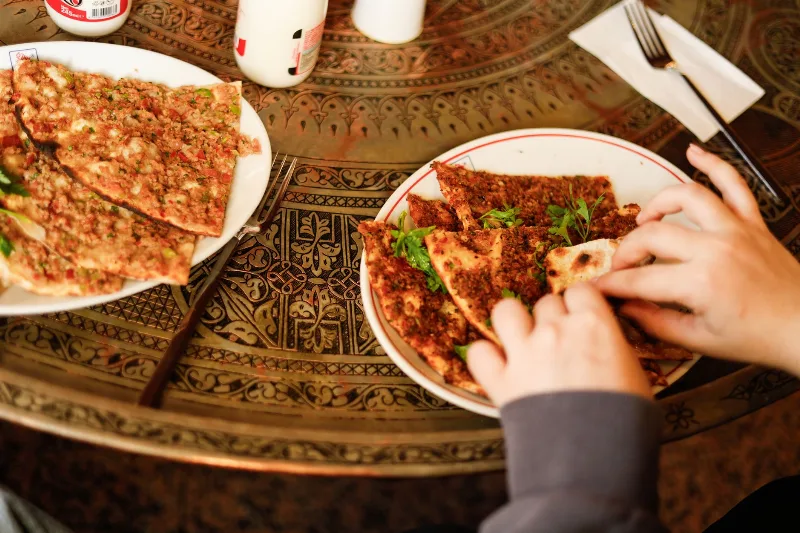
Lahmacun
Lahmacun is a thin, round flatbread spread with finely minced meat, tomato, pepper and spices, baked quickly at high heat and served with lemon and fresh parsley. It is one of Türkiye's most recognisable street and oven foods, with strong regional traditions across the southeast and beyond.
Explore →
Kuymak
A warm Black Sea dish made with cornmeal, butter and melting local cheese.
Explore →Related content
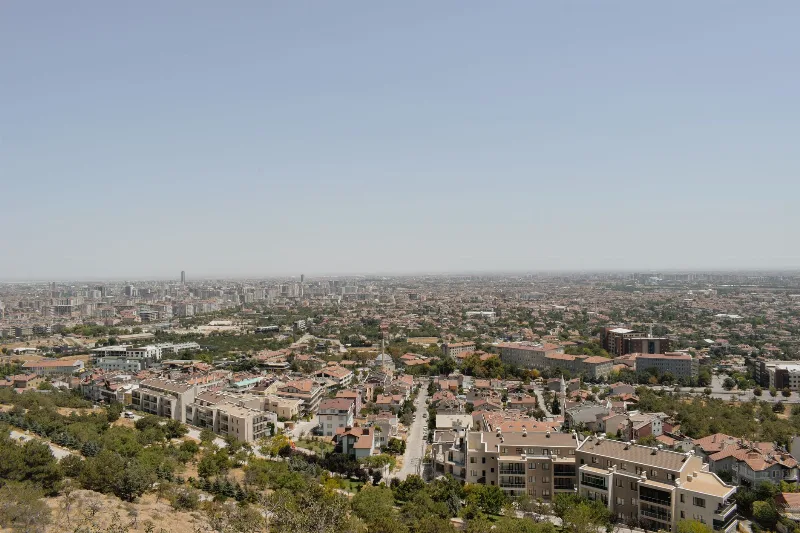
Gaziantep
Gaziantep is a major city in southeastern Türkiye and the administrative centre of its province, widely recognised as the country's gastronomic capital and known for its citadel, bazaars and the Zeugma Mosaic Museum.
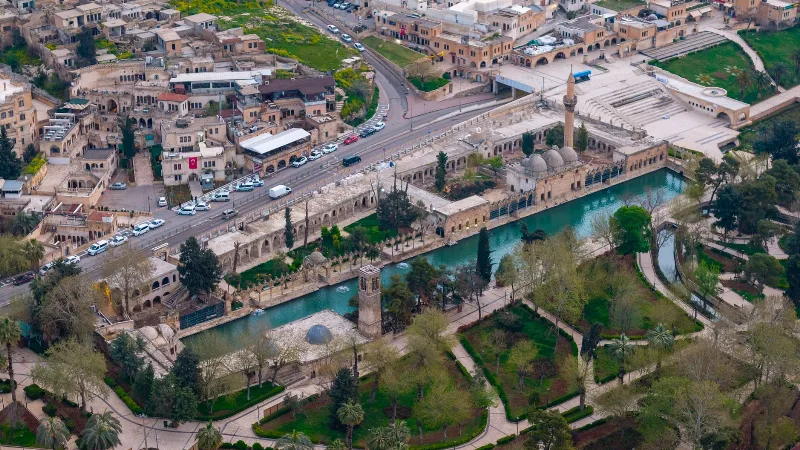
Şanlıurfa
Şanlıurfa, commonly called Urfa, is a large city in southeastern Türkiye and the capital of its province. It is known both as a place tied to the tradition of the Prophet Abraham and as the gateway to Göbekli Tepe, one of the oldest monumental sites ever found.
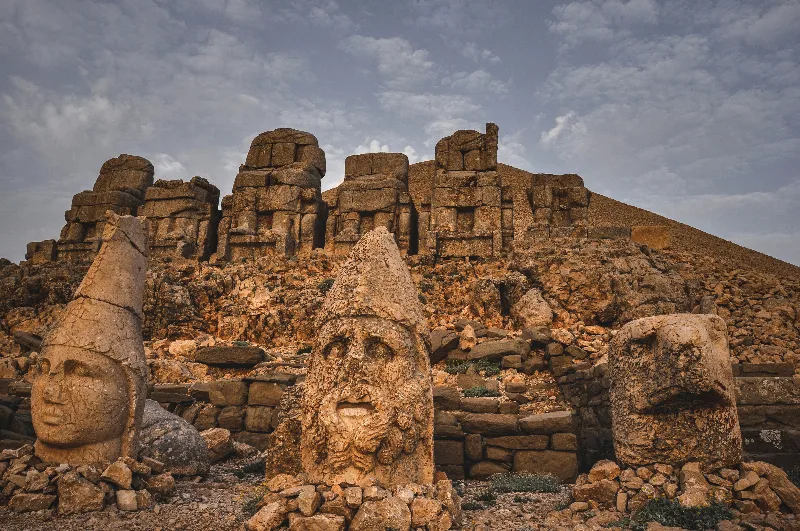
Adıyaman
Explore Adıyaman, southeastern Türkiye: history, standout sights, landscapes, local food and practical travel advice for an unforgettable journey in Türkiye.
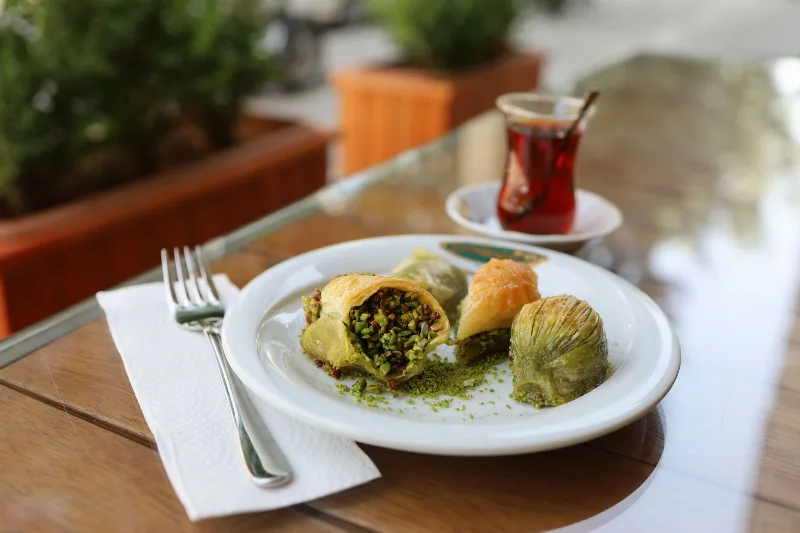
Culinary Delights of Gaziantep
Gaziantep in southeastern Türkiye is known for a regional cuisine built on pistachios, pepper paste, bulgur and slow-cooked dishes that reflect centuries of trade and local tradition.
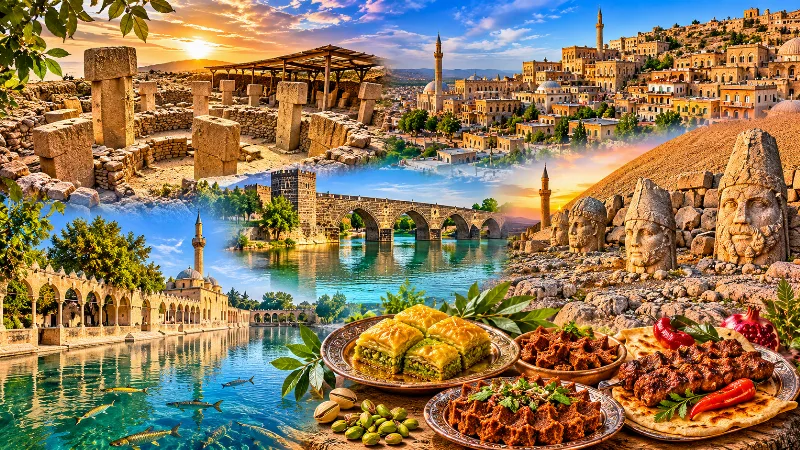
Southeastern Anatolia Region
Southeastern Anatolia is known for its ancient cities, extraordinary archaeological heritage, traditional stone architecture and rich culinary culture. From the historic streets of Mardin to the monumental landscapes of Şanlıurfa and the Euphrates River, the region reflects thousands of years of civilization.
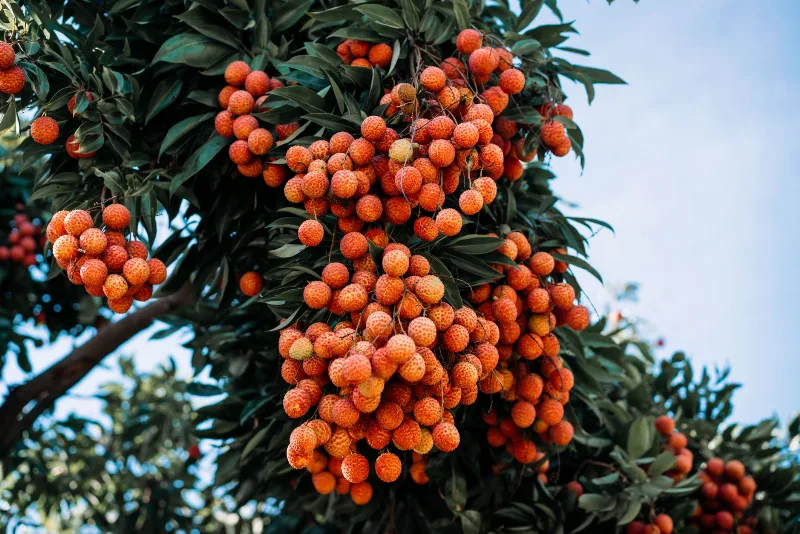
Pistachio Harvest in Gaziantep
Each autumn, the orchards around Gaziantep turn pink-red as pistachio husks split, and the picking, hulling and drying that follow shape the region's most important agricultural season.