
Pistachio Harvest in Gaziantep
Each autumn, the orchards around Gaziantep turn pink-red as pistachio husks split, and the picking, hulling and drying that follow shape the region's most important agricultural season.
Gaziantep's pistachio harvest takes place in the orchards that surround the city and spread across the surrounding plateau and river valleys, and it generally runs from late August into early October, with September as the busiest stretch. What defines the period is a visible change on the trees: the soft outer husk around each nut shifts from green to a deep pinkish-red and then splits open, revealing the pale shell and the green kernel inside. Growers pick to that split, because fruit taken too early holds empty or underdeveloped kernels, while fruit left too long dries on the branch or drops.
Where the Pistachio Harvest Happens
Pistachio growing in the Gaziantep area is concentrated on the dry, stony slopes and terraced ground in districts such as Şahinbey, Şehitkamil, Nizip, Araban, Yavuzeli, Oğuzeli and around Halfeti, as well as on the flatter farmland of the Barak Plain east of the city. These are landscapes of pale limestone soil, low rainfall and long, hot summers, conditions that suit Pistacia vera far better than they suit most other tree crops. Much of Türkiye's pistachio crop comes from this corner of the country together with neighbouring Şanlıurfa, which is why the nut is known in Turkish simply as Antep fıstığı, the pistachio of Antep.
Orchards here are not uniform plantations. Many consist of old, gnarled trees standing on terraces or scattered across hillsides alongside olives, almonds and vines, with younger blocks planted more densely on flatter ground. That mixed pattern matters for visitors, because the harvest is spread across a wide area rather than concentrated in one obvious place.
What Happens During the Picking Season
Pistachio trees flower in spring, generally in April, and the nuts develop through the hot months that follow. By late summer the kernel has filled and the husk begins to soften and colour. When a good share of the fruit on a tree has reached that stage, picking starts. Clusters are taken from the branches, often by hand, and collected in buckets, sacks or cloths spread beneath the trees. Because ripening is not simultaneous, a single orchard is usually worked over more than one pass rather than stripped in a single day.
The days are hot, frequently well above 30°C, and the work is done early in the morning or late in the afternoon to avoid the worst heat. Dust, sharp twigs and uneven ground are part of the routine. This is a working agricultural season, not a staged attraction, and the rhythm of the orchards follows the ripening of the crop rather than any fixed calendar.
Why So Much Is Still Picked by Hand
Mechanical shaking is used in some modern orchards, but hand picking remains common around Gaziantep for practical reasons. Pistachio wood is brittle, the trees are often old and irregularly shaped, and many stand on slopes or terraces where machinery cannot easily reach. Hand harvesting also allows pickers to select fruit at the right stage instead of taking everything at once, which matters when a tree carries nuts at slightly different degrees of ripeness. The result is a slow, labour-intensive harvest that involves families and seasonal workers from the region and beyond.
From Split Husk to Roasted Kernel
The harvest does not end when the fruit leaves the tree. The husk must be removed quickly, generally within a day or so, because leaving it on can stain the shell and spoil the kernel. After hulling, the nuts are spread out to dry in the sun on flat roofs, courtyards and cloths for several days, turned regularly and brought in if rain threatens. Drying is the step most exposed to the weather: a wet spell during this window can damage a household's entire share of the crop.
Once dried, the nuts are cracked and shelled, and a portion is roasted, often with salt, in the way that has made Gaziantep pistachios familiar well beyond the region. In the weeks before the main harvest, when the kernel is still milky and the shell has not yet hardened, growers and locals eat the young nuts fresh; this early phase usually falls in midsummer and is a distinct pleasure of the season rather than part of the dried crop.
On Years and Off Years
Pistachio trees are strongly alternate-bearing. A heavy crop is typically followed by a much lighter one, because the tree spends the following season recovering and building new fruiting wood. Growers in the Gaziantep area speak of on years and off years, and the difference is obvious to anyone walking the same orchard in consecutive Septembers. A heavy year means branches loaded with clusters and long, busy days of picking and drying; a light year means far fewer nuts, earlier finishes and a quieter landscape. Any expectation about how much fruit will be visible should be set with that cycle in mind.
What the Landscape Looks Like in September
By early autumn the surrounding countryside is dry and golden, the summer green long gone from the grass. Against that background the pistachio husks stand out, shifting from green to pink and crimson before harvesting empties the branches. Nets, cloths and drying spreads appear on roofs and in courtyards, and the roadside in villages around Nizip, Araban and the Barak Plain takes on the smell and dust of hulling and turning nuts. Farther east, the Euphrates valley near Halfeti and Birecik adds a greener, watered contrast to the dry plateau orchards.
Weather, Altitude and Year-to-Year Timing
The exact start of the harvest moves from year to year, and it also moves from place to place within the region. Lower, warmer ground generally ripens earlier than higher plateau orchards, so the crop may be underway in one valley while trees a short drive away are still filling. A hot, dry summer tends to bring the split forward, while a cooler or wetter season can push it back by a week or more. Rain during the drying period is the main risk growers watch for, and long spells of intense heat can also affect kernel quality. Because of this, approximate seasonal windows are far more reliable than any fixed date.
What a Visitor Can Realistically Expect to See
Travellers passing through Gaziantep and its surrounding districts in September and early October can reasonably expect to see orchards being worked, husks changing colour on the trees, and drying spreads laid out in villages and on the edges of towns. Driving the roads toward Nizip, Araban or Halfeti gives a clear sense of how widely pistachio growing is spread across the landscape. What cannot be guaranteed is a particular stage of the harvest on a particular day, since altitude, weather and the trees' own cycle decide that, and access to working orchards always depends on the growers themselves.
EXPLORE BY THEME
All themes →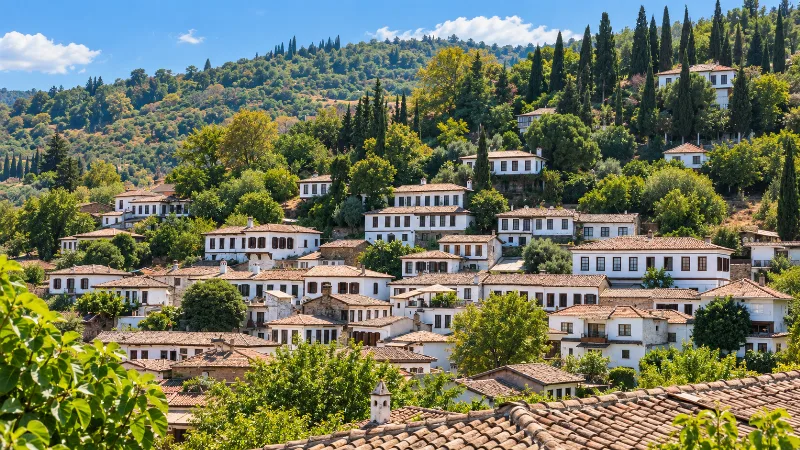
Villages
Small settlements, traditional architecture and rural landscapes across Türkiye.
Explore →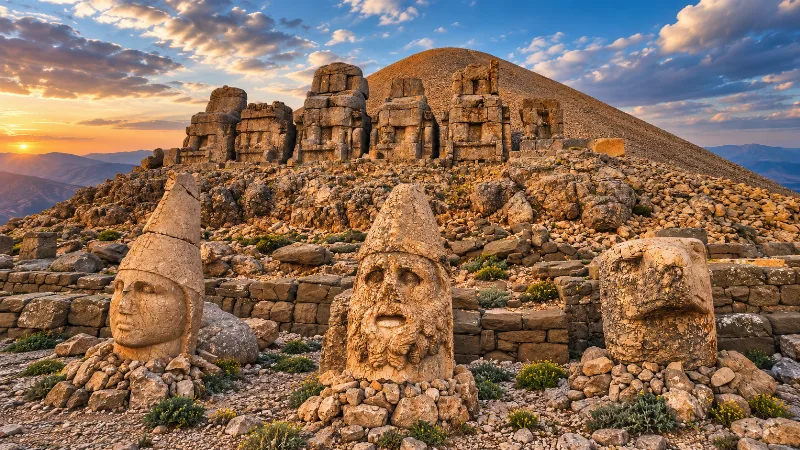
Hidden Places
Less-known villages, coves, valleys, historic sites and natural areas across Türkiye.
Explore →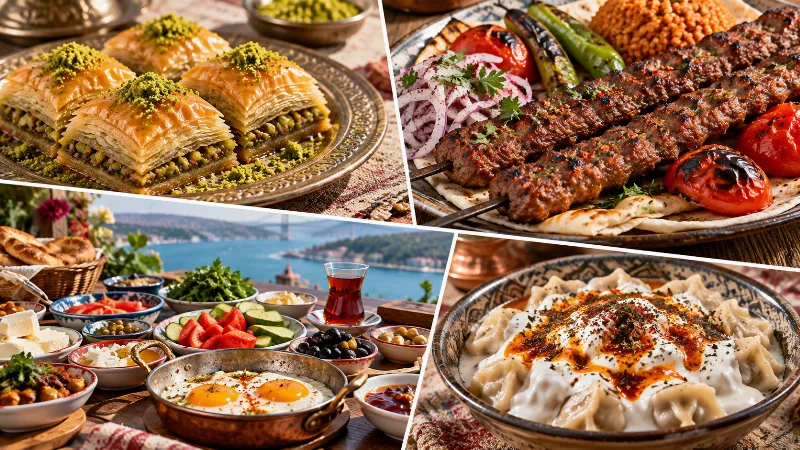
Food
Regional dishes, desserts, local ingredients and culinary traditions across Türkiye.
Explore →Related content
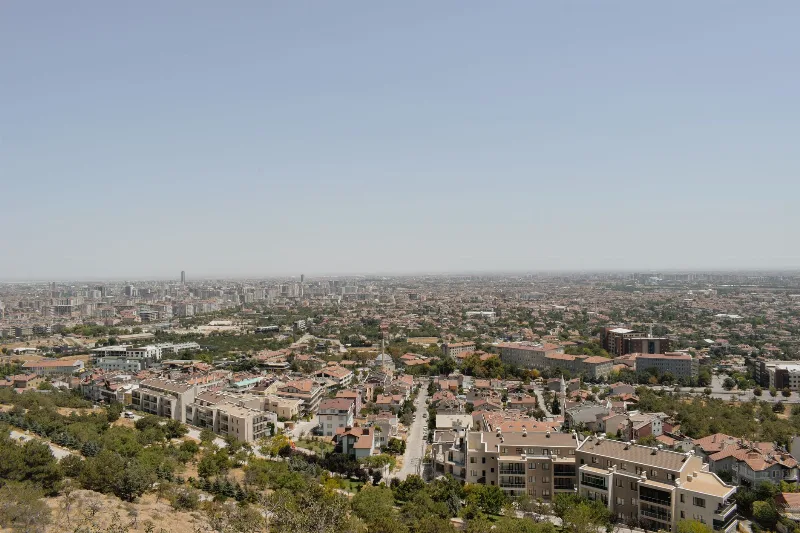
Gaziantep
Gaziantep is a major city in southeastern Türkiye and the administrative centre of its province, widely recognised as the country's gastronomic capital and known for its citadel, bazaars and the Zeugma Mosaic Museum.
Şanlıurfa
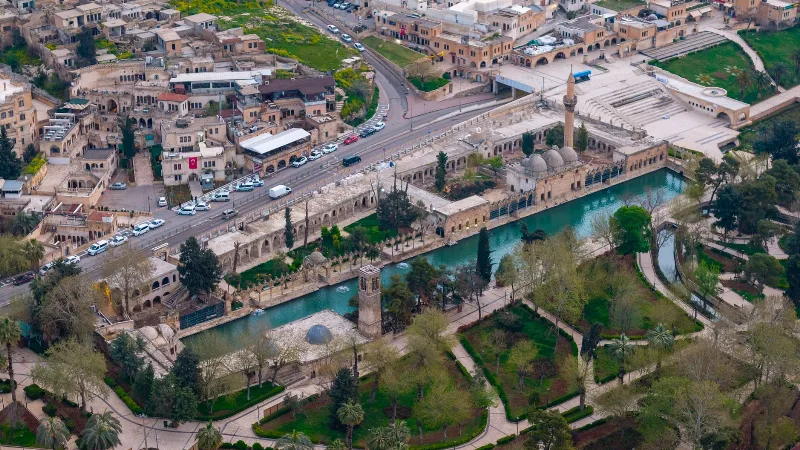
Şanlıurfa, commonly called Urfa, is a large city in southeastern Türkiye and the capital of its province. It is known both as a place tied to the tradition of the Prophet Abraham and as the gateway to Göbekli Tepe, one of the oldest monumental sites ever found.
Antep Pistachios
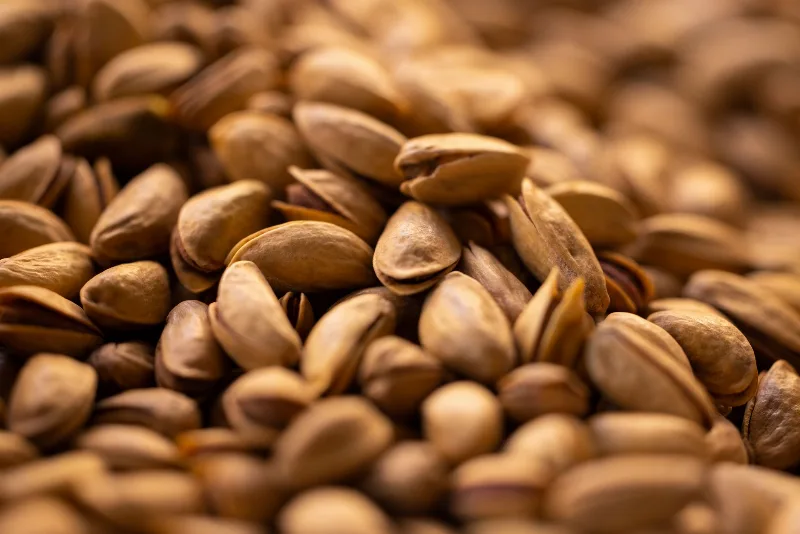
Antep pistachios are the pistachios of Gaziantep and its surrounding plateau in southeastern Türkiye, a nut shaped by hot, dry summers and stony, limestone-rich ground.
Culinary Delights of Gaziantep
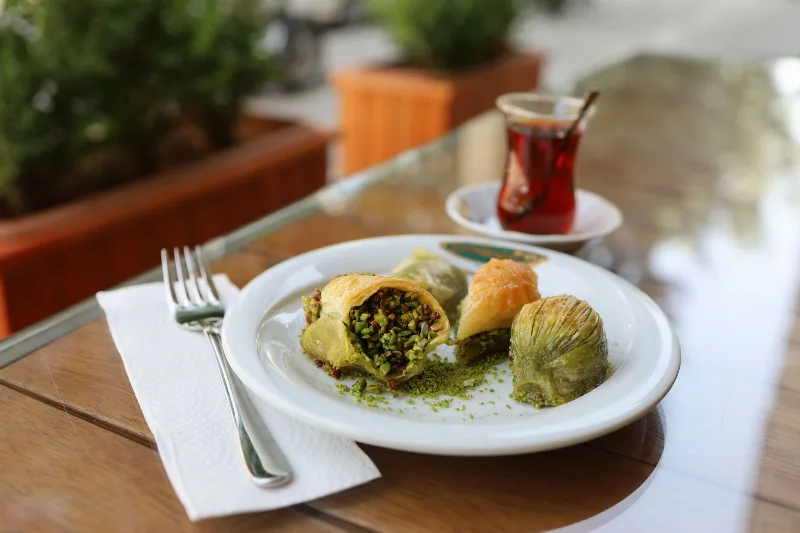
Gaziantep in southeastern Türkiye is known for a regional cuisine built on pistachios, pepper paste, bulgur and slow-cooked dishes that reflect centuries of trade and local tradition.
5-Day Tigris and Euphrates Route
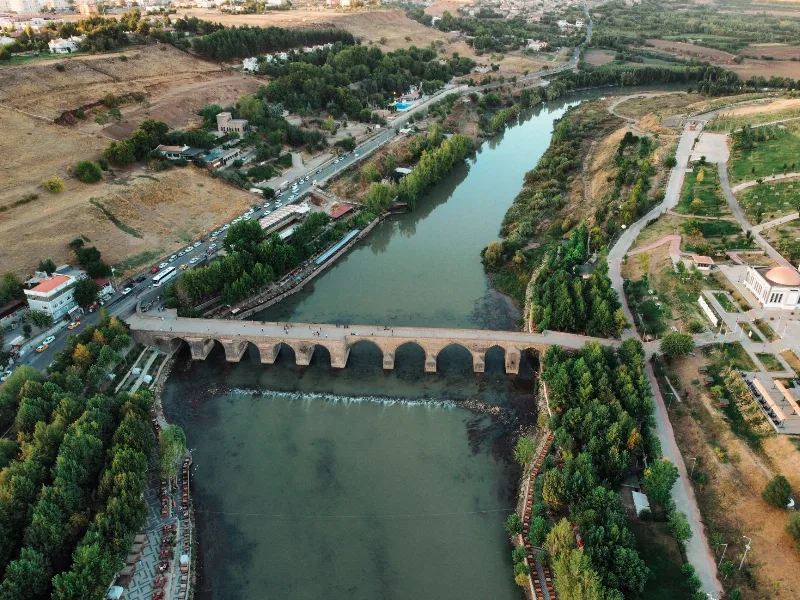
A five-day, east-to-west journey across Southeastern Anatolia from Diyarbakır to Gaziantep, following the Tigris and Euphrates through Mardin, Şanlıurfa, Göbeklitepe and Harran.
4-Day Southeastern Anatolia Route: Gaziantep to Mardin via Şanlıurfa
A four-day linear route across Southeastern Anatolia, linking the historic cities of Gaziantep, Şanlıurfa and Mardin by road, with the Neolithic site of Göbeklitepe and the ancient settlement of Harran fitted into the middle of the journey.