
Adıyaman
Explore Adıyaman, southeastern Türkiye: history, standout sights, landscapes, local food and practical travel advice for an unforgettable journey in Türkiye.
Adıyaman is a destination in southeastern Türkiye, a gateway to the monumental landscapes of Mount Nemrut and the fertile valleys surrounding the Euphrates. Its wider province offers places to explore beyond the provincial centre, and a visit works best when planned around the geography rather than just the best-known photograph. This guide focuses on what makes the destination distinctive, where to go beyond the main landmark and how to plan a visit that fits the terrain. It is intended for travellers seeking a useful introduction rather than a checklist of superlatives.
Understanding Adıyaman
The city of Adıyaman is a working regional centre rather than a resort. Its appeal lies in the contrast between everyday streets, ancient kingdoms and a broad landscape of rivers, hills and rural settlements. Travellers often base themselves here to reach archaeological sites scattered across the province. The best experience comes from allowing time for the places between the famous monuments, not treating the city simply as a transit stop.
History and cultural heritage
The region was associated with the ancient kingdom of Commagene, which developed at a meeting point of Greek, Persian and Anatolian traditions. Its best-known legacy is the sanctuary constructed for King Antiochus I on Mount Nemrut. Later Roman, Byzantine, medieval and Ottoman layers added to a complex local story. Around the city and in surrounding districts, archaeological remains reveal how routes between Mesopotamia and the Anatolian interior shaped settlement.
Places to see
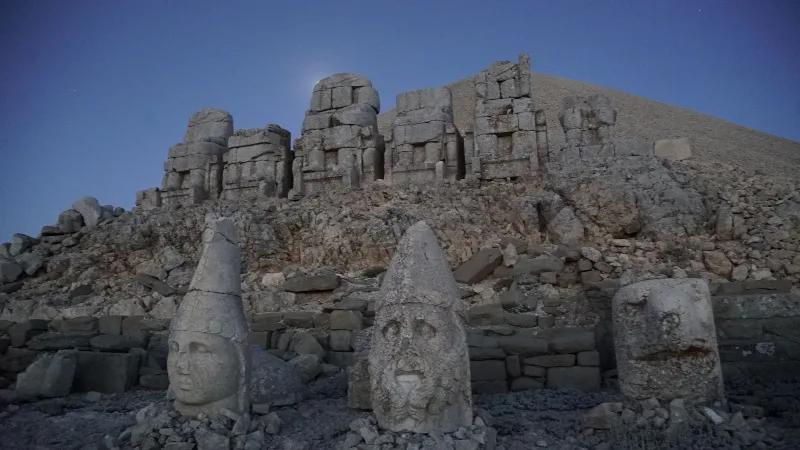
Mount Nemrut is the headline excursion: giant stone heads and the remains of a royal funerary sanctuary stand on a high summit. The UNESCO-listed site is best approached with attention to seasonal access, weather and the walk from the visitor area. Karakuş Tumulus, Cendere Bridge and the ruins of Arsameia are compelling companions on a Commagene route. Near the provincial centre, Perre Ancient City offers rock-cut burial chambers that explain another aspect of the area’s past.
Landscape and outdoor experiences
The Euphrates River and Atatürk Reservoir are major geographical features of the province. Their waters, bridges and surrounding hills create viewpoints unlike the high mountain landscape of Nemrut. Rural roads pass orchards, farmland and villages, with mountain slopes becoming more dramatic toward Kahta and the northeastern districts. Sun and heat can be intense in summer; in higher areas, conditions change rapidly and may be much cooler than in the city.
Local food and everyday culture
Adıyaman’s food culture reflects southeastern Anatolian traditions, with bulgur, grilled meat, legumes and local herbs playing visible roles. Çiğ köfte has strong historical associations with this broader region; contemporary restaurant preparations are often meat-free. Seek out local soups, home-style stews and seasonal produce rather than expecting every meal to revolve around a single signature dish. Markets and family-run places are useful settings for understanding everyday food habits.
Districts and nearby destinations
Kahta is an important practical base for Mount Nemrut and the Commagene monuments. Besni has its own historical settlements and agricultural traditions, while Gölbaşı provides a different landscape of lakes and transport connections. Gerger and Samsat sit within a region deeply affected by the Euphrates basin. Distances between attractions can be substantial, so grouping sites geographically makes more sense than attempting to see every district in one day.
Planning your visit
Spring and autumn usually offer more comfortable conditions for combining city visits with outdoor archaeological excursions. Summer afternoons can be very hot, and high-elevation roads may have winter restrictions. Many visitors reach the province by road or through Adıyaman Airport, subject to current services. A private car or organised local excursion is often the most efficient way to visit multiple remote sites. Always check opening arrangements and mountain access before departure.
Suggested route and deeper experiences
A useful two-day route separates the city sights from the mountainous Commagene circuit. Spend time with the rock-cut tombs at Perre before travelling toward Kahta and the monuments around Mount Nemrut. The stone heads are most evocative when seen in changing light, but sunrise and sunset outings require realistic driving times and warm clothing even after a hot day. At Cendere Bridge, take time to examine its setting rather than looking only for a photograph. The combination of engineering, funerary monuments and royal ideology makes this one of the most revealing archaeological landscapes in the region. It is worth reading about Commagene before arrival to recognise how the monuments fit together.
How to make the most of your time
Begin with the parts of Adıyaman that interest you most, then build a realistic route around them. Check up-to-date opening hours, transport options and weather before leaving, especially for remote cultural sites and mountain roads. If you have only one day, prioritise one substantial excursion and leave enough time for meals and unplanned stops. With more time, explore another district for a fuller understanding of the province. Respect protected landscapes, religious sites and the everyday life of local communities.
Travel style and useful considerations
A visit to Adıyaman can be organised as a short cultural stop, a longer regional journey or part of a route through neighbouring provinces. The most appropriate choice depends on the season, access to a vehicle and how much walking you enjoy. In smaller settlements, services may be less frequent than in major tourism centres. Keep a flexible schedule, confirm return transport where relevant and ask permission before photographing people or private property. These small preparations help keep the experience rewarding for visitors and considerate toward local residents.
Discover Food in Türkiye
All food →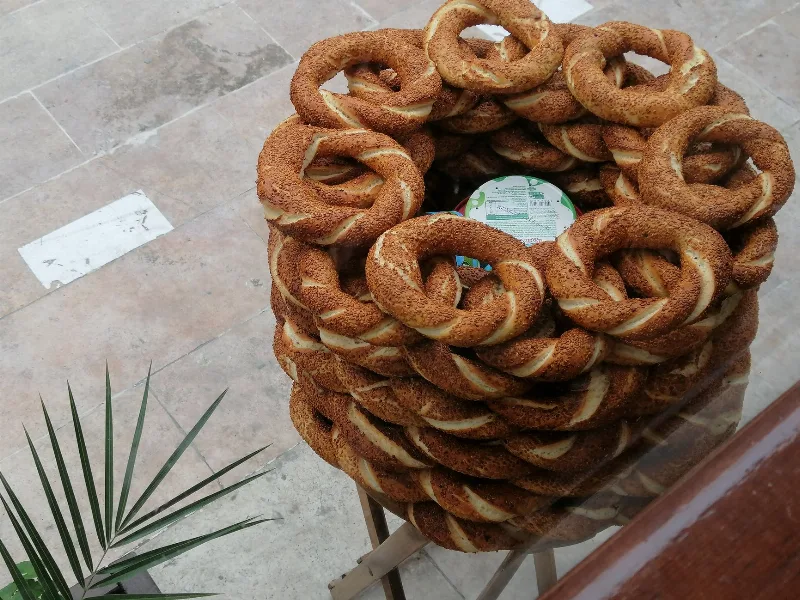
Simit
Simit is a ring-shaped Turkish bread covered in sesame seeds, strongly associated with Istanbul and sold as everyday street food. It is eaten fresh, most often with tea, and has a crisp crust around a chewy crumb.
Explore →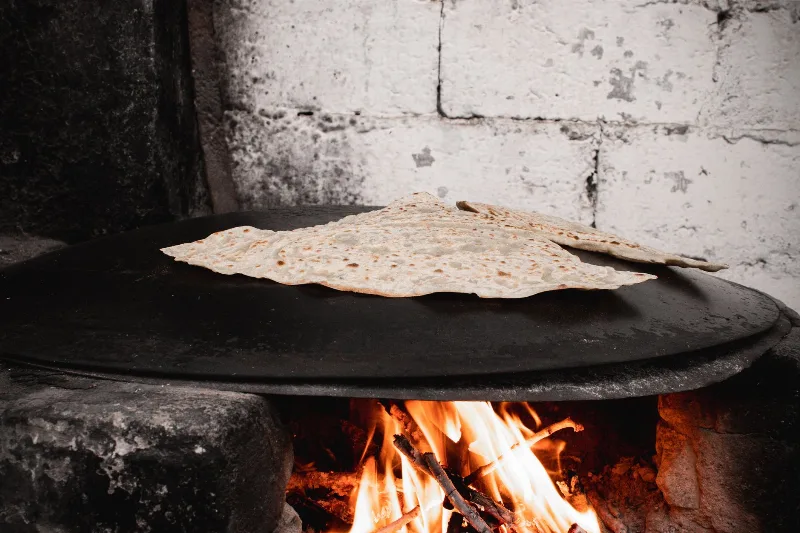
Bazlama
Bazlama is a soft, thick Turkish flatbread made from a leavened dough and cooked on a hot griddle. It is a staple of village baking across Anatolia, eaten warm with butter or used to wrap other foods.
Explore →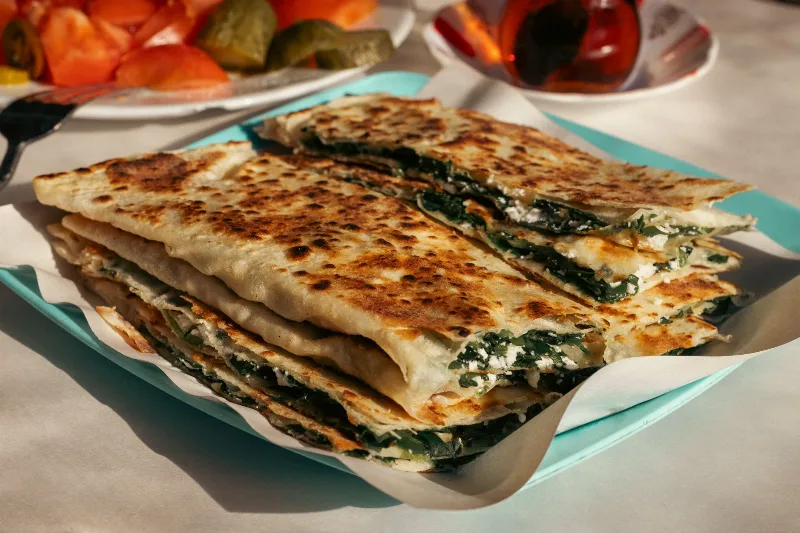
Gözleme
Gözleme is a thin, hand-rolled Anatolian flatbread folded around savory fillings such as cheese, spinach, or minced meat and cooked on a sac griddle. The article covers its regional variations, cooking method, texture, and traditional serving style.
Explore →Related content
Mount Nemrut
Mount Nemrut in Adıyaman Province is the summit hierothesion of King Antiochus I of Commagene, where colossal statues of gods and a royal ruler stand on terraces above an artificial stone tumulus. The site is a UNESCO World Heritage property whose Greek inscriptions and reliefs record a Hellenistic kingdom of the first century BC.
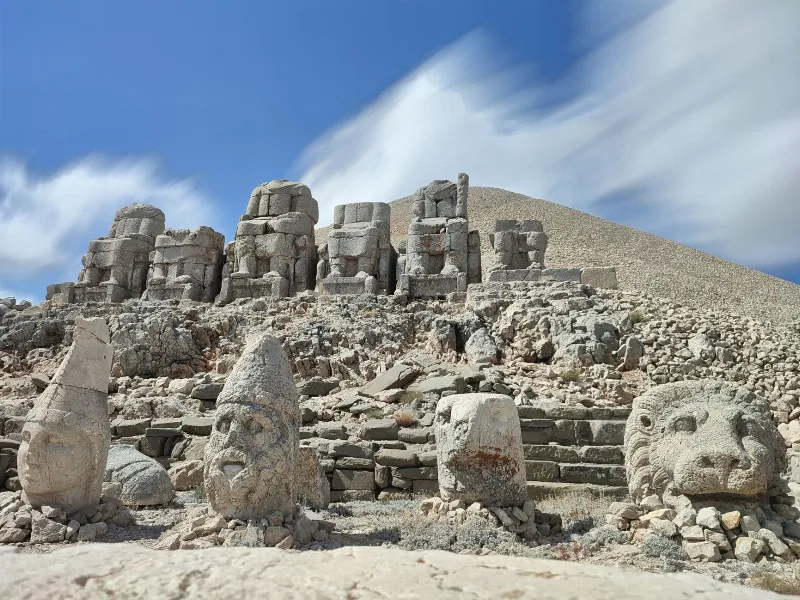
Mount Nemrut
Mount Nemrut is a dormant volcano in Bitlis Province, eastern Türkiye, featuring a large caldera with crater lakes. It lies west of Lake Van near Tatvan.
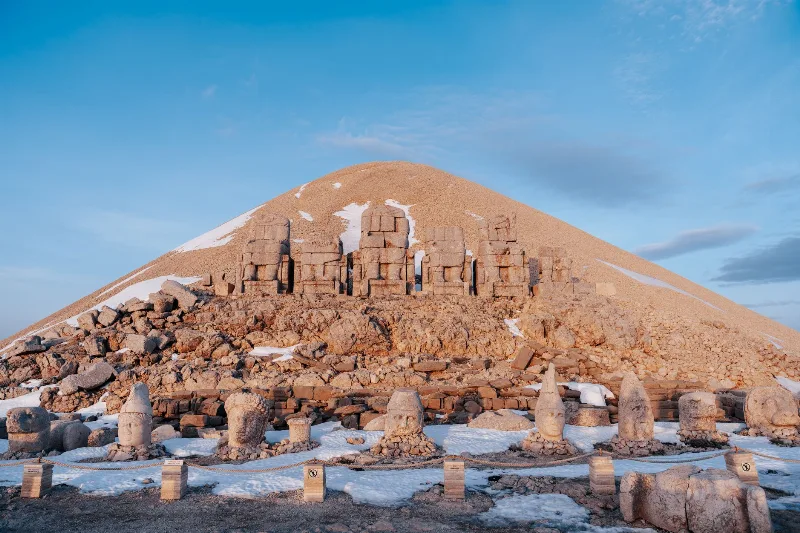
Nemrut
Mount Nemrut in Adıyaman Province is a 2,134-metre summit crowned by the colossal statues and tomb-sanctuary built by King Antiochus I of Commagene, and it has been a UNESCO World Heritage Site since 1987.
The Fascinating History of Mount Nemrut
Mount Nemrut is renowned for its ancient statues and monumental tombs, offering a glimpse into a mysterious past.
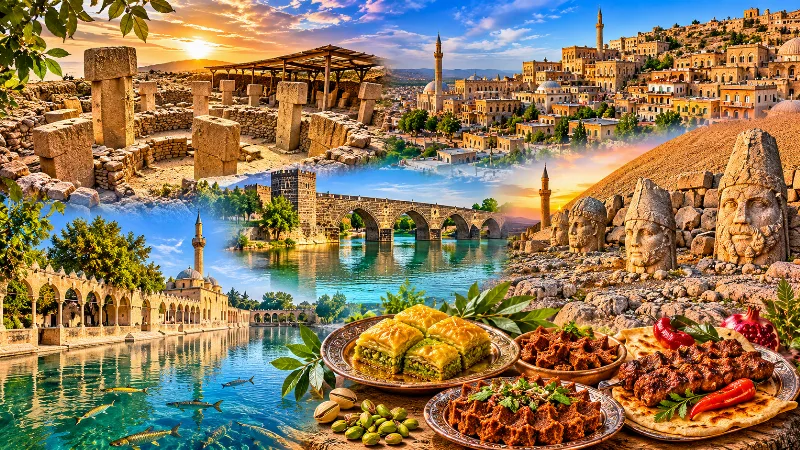
Southeastern Anatolia Region
Southeastern Anatolia is known for its ancient cities, extraordinary archaeological heritage, traditional stone architecture and rich culinary culture. From the historic streets of Mardin to the monumental landscapes of Şanlıurfa and the Euphrates River, the region reflects thousands of years of civilization.
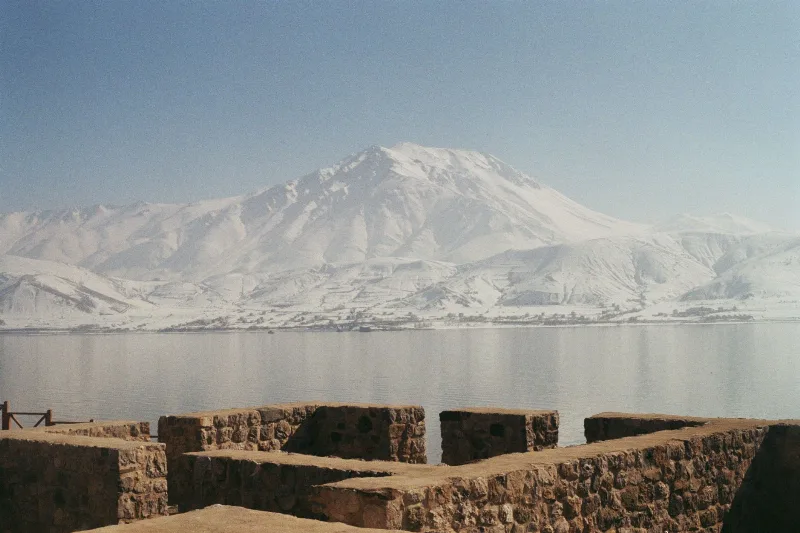
Lake Van
Lake Van is Turkey's largest lake, a vast alkaline soda lake with no outlet, set in the volcanic highlands of Eastern Anatolia at around 1,640 metres. Its unusual chemistry, depth and islands give it a character unlike any other lake in the country.